
Lawn maintenance is important for the overall health of your landscape—plus, it makes your yard a lot prettier to look at. And, although the methods are standard, you need to cater your timing based on your zone, region, and grass type. If you live in the Pacific Northwest, this is the lawn care guide for you.
Spring
If you start your lawn off right at the beginning of the growing season, you'll have an easier time in the summer and fall. These are the steps you should take when the snow melts.
Get Your Mower Ready
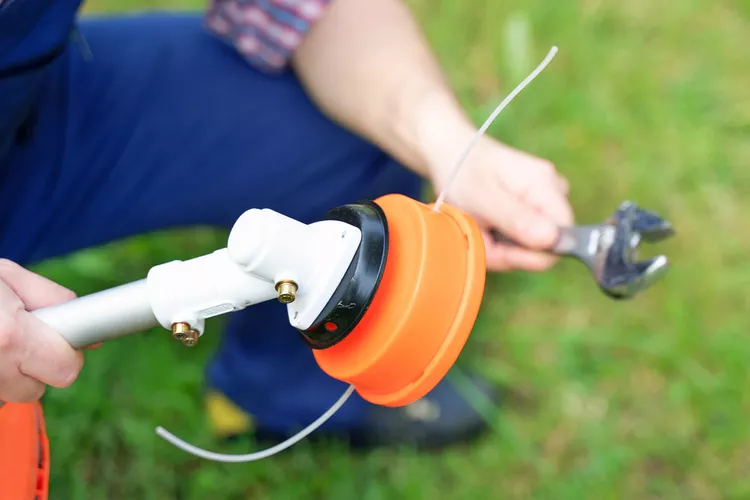
Make sure your lawnmower is ready before you need to use it. Bring it in for any necessary repairs or upkeep (like blade sharpening) before the start of the lawn maintenance season to ensure you won't have to wait along with everyone else in your neighborhood. Note: Don't overlook sharpening your mower's blade. For the cleanest cuts—and healthiest-looking lawn—sharpen the blade at least once a year.
Start a New Lawn from Seed
Fall is the best time to sow seed for a new lawn. If you can't get to it at the end of the season, spring is the next best time. Don't wait too long; your lawn needs to get established before summer arrives and lawn maintenance season begins.
Prevent Crabgrass from Being a Problem
Annual weeds, such as crabgrass, grow from seed each spring. One of your lawn maintenance steps should include a well-timed application of preemergence herbicide to stop them from growing at all. A good guideline is to spread the preemergence herbicide as forsythia blooms in your area start to drop.
Aerate Compacted Soil
Most lawns have trouble growing in compacted soil (many weeds, unfortunately, thrive in it). If you need to or want to aerate, do so as a part of your lawn maintenance schedule in spring—when your grass is actively growing.
Begin Mowing
Allow your grass to grow no more than 3 inches tall before you start mowing. The best general rule to follow is that you want to keep most grass types at least 2 inches tall—this height helps the grass ward off weeds and withstand summer drought. But you don't want to remove more than a third of the total grass height at any one mowing. Removing too much stresses the grass.
Apply Fertilizer
If you feed your lawn a couple of times a year, a light application of lawn fertilizer in the spring helps get your grass off to a great start. Wait to fertilize until your lawn needs mowing for the first time. Do a light application and use a slow-release or organic fertilizer; don't try to feed your lawn for a quick green-up; this doesn't usually work and can harm your grass.
Attack Grubs
If lawn grubs are an issue in your lawn, prevent further damage by applying a grub-control product that continues to work throughout the season. The best time to do this is during lawn maintenance duties in early June.
Summer
Summer is about maintenance: mowing, watering, and pest control. Stay on top of mowing for a healthy lawn.
Mow as Needed
Because most grasses in this region like it cool, they won't grow as fast when temperatures go over 80 degrees F. During hot, dry periods, it may only need mowing once every two or three weeks (wait for it to grow about 3 inches tall). In cooler, moister weather patterns, mow enough to keep it from getting more than 3 inches tall—that could be every week or more than once a week.
Water Wisely
Skip the lawn maintenance task of watering in the summer and allow your grass to take a nap during hot, dry weather if you don't mind it turning brown. When the rains come again, it'll go green and start growing again. If you don't like a brown lawn, select drought-tolerant types such as buffalograss or plan on giving your lawn about 1 inch of water a week.
Fall
Use the fall months to clean up your yard and prepare for the next year. Continue all the maintenance tasks you've been doing all growing season, too.
Fall Feedings
If you only fertilize as part of your lawn maintenance once a year, autumn is the best time to do it. In fact, your lawn would appreciate a light application of fertilizer in early fall and again in late fall.
Aerate
If you didn't aerate in spring and your lawn needs it, fall is a great time. Don't overlook the importance of aerating. It'll help your lawn thrive.
Continue Mowing
As temperatures cool, your lawn will grow faster again. Keep mowing as part of your regular lawn maintenance through the end of the season.
Fall Cleanup
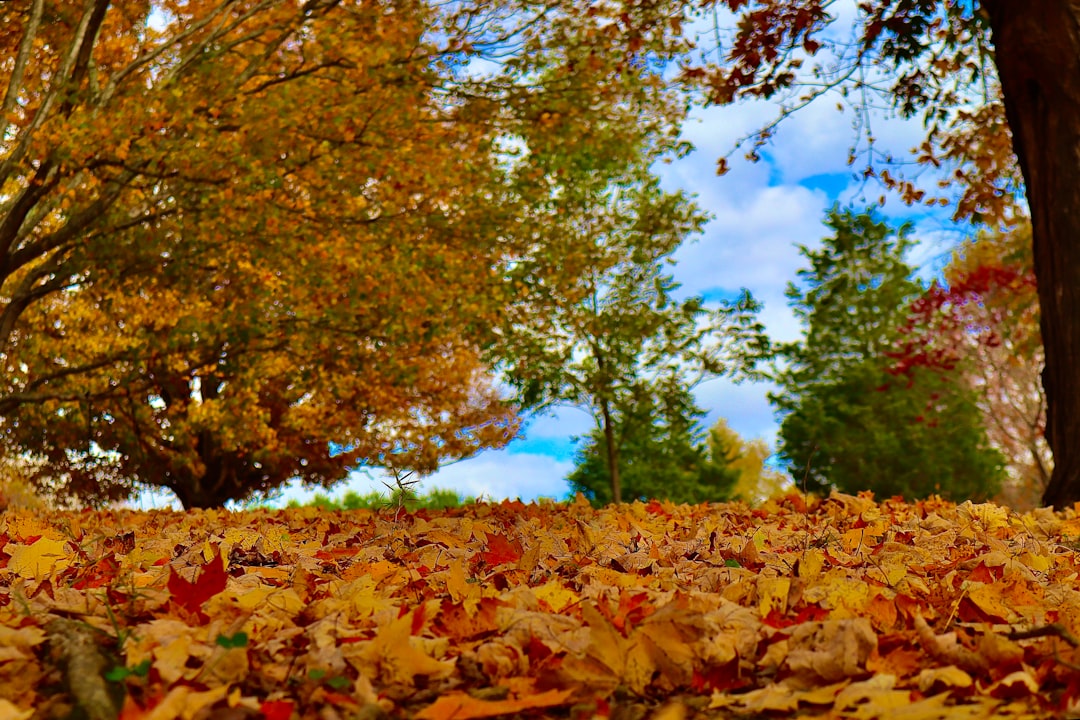
Clean up fallen leaves. If you don't want to spend time raking them, run your lawnmower over your lawn two or three times. This will chop the leaves into fine pieces; they quickly decompose and add to your soil's structure. Or rake up and compost the fallen leaves.
Overseed Your Lawn
Most Pacific Northwest lawns will have cool-season grasses, so autumn is the best time to overseed or grow a new lawn from scratch. Plan carefully; your new grass needs at least a month before your first average first frost so it can get established.
Attack Perennial Weeds
Most perennial lawn weeds, such as dandelions and ground ivy, are most susceptible to attack in the fall. Treat them as part of your lawn maintenance with a broadleaf herbicide (there are chemical and organic choices available) or pull them by hand.
By following a lawn care calendar, you make sure you stay on top of maintenance and give your lawn the best chance throughout the seasons—whether you are handling it by yourself or hiring a lawn care service to carry out the necessary tasks. Both fall and spring are vital to the success of your lawn in the future. Use this calendar to get the healthiest lawn possible.