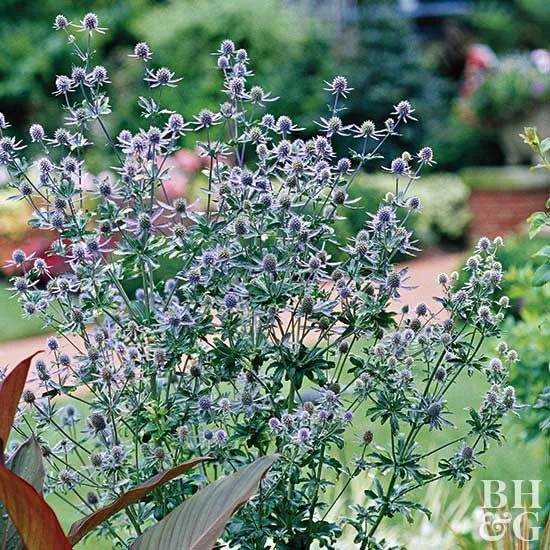
Most gardeners don't have good things to say about thistles. However, sea holly (Eryngium planum), also called flat sea holly, may change that opinion with its stunning steely-blue thistlelike flower heads that last a long time and add texture to the garden. These extremely tough plants thrive even when neglected. Sea holly can grow in some genuinely tricky situations, such as difficult-to-deal-with gravel.
With their spiny foliage and flowers, sea holly plants make a dramatic companion to many garden plants. In addition to their texture, the foliage and blossoms come in a metallic blue that is one of a kind. Since the flowering bracts aren't actually blossoms, they hold on to their color longer—offering an extended show of the unique blue hue. Leaves of the sea holly are also attractive, often with white or silver streaks and veins or an overall cast of silver.
| Genus Name | Eryngium |
| Common Name | Sea Holly |
| Plant Type | Perennial |
| Light | Sun |
| Height | 1 to 6 feet |
| Width | 1 to 4 feet |
| Flower Color | Blue, Purple, White |
| Foliage Color | Blue/Green, Gray/Silver |
| Season Features | Fall Bloom, Summer Bloom, Winter Interest |
| Special Features | Cut Flowers, Good for Containers, Low Maintenance |
| Zones | 4, 5, 6, 7, 8 |
| Propagation | Division, Seed |
| Problem Solvers | Deer Resistant, Drought Tolerant |
Choose a full sun location with well-draining soil for sea holly. They can tolerate poor soil but not wet soil. Don't plant them next to a pathway or at the edge of a border because the flower spikes are sharp. Plant several together in a cottage garden setting or add them to a rock garden.
Sow sea holly seeds in late summer or fall in a bed amended for excellent drainage. They will germinate the following spring after a period of cold stratification but likely won't bloom the first year.
Sea holly seeds can be started indoors, but they need to go through a cold period. The easiest method is to place the seeds in the refrigerator for four weeks, beginning 10-16 weeks before the last spring frost date. Then sow them in small containers filled with sandy soil, but don't cover them; they need light to germinate. Put them in a warm area and expect germination in 7-10 days. Allow them to grow in their containers for a few weeks until the seedlings are robust. Harden the plants off before transplanting them to the garden.
Plant sea holly transplants in the spring after all danger of frost has passed. Put them in holes a few inches wider and only slightly deeper than their rootballs. Choose their permanent location carefully because sea holly doesn't handle being transplanted well.
Sea holly plants are relatively care-free after they are established.
Make sure to give sea holly full sun. In part sun, the plants will flop and have less-than-ideal coloring. They will also bloom more sparsely and lose some of their spiky appeal. To thrive, they need heat, too, so less than full sun won't give them all the warmth they require.
Sea holly plants favor dry, poor soil. Their one weakness is too much water. You can quickly kill sea holly with soil that stays too wet. Don't water established plants at all except during an extended drought.
With sea holly, stay away from soil with lots of organic matter. It encourages lush, soft growth and causes sea holly to grow and flop over.
This plant doesn't do well in high temperatures and high humidity. It grows best at 55°F-60F, although it will tolerate somewhat higher temperatures for a short while.
Don't fertilize sea holly. Fertile soil can cause the plant to sprawl.
Deadheading spent blooms extends the blooming season. At the end of the season, cut the plant back to a few inches from the ground, although the spent flowers are attractive enough to justify leaving the plants as is for the winter.
Sea holly is an excellent container plant. Choose a container with good drainage and fill it with sandy soil. Once you plant your sea holly, provide it with at least six hours of full sun daily, but don't water it often. If you combine it with other plants in a container, choose companion plants that prefer the same poor soil and dry environment sea holly prefers. Sea holly doesn't transplant well, so repotting may not be successful.
Planting sea holly in wet soil leaves it vulnerable to crown rot and powdery mildew. Improve the soil drainage and air circulation around the plants to prevent these afflictions. Occasionally, the plants attract slugs. Commercial slug bait is often toxic to animals, so use one of the organic, hands-on approaches that successfully address a slug problem.
Division: In late summer, dig up an established plant, careful not to damage the long taproot. Cut away two or three clumps of root, but never cut more than one-third of the roots from the parent plant. Replant the parent plant in its original location. Plant the root cuttings in individual pots filled with a mixture of perlite and peat moss, making sure the cut end is just under the soil level.
Seed: In the fall, prepare a propagation bed with sand, vermiculite, or perlite. Mark the area and then sow the seeds across the surface of the bed. Cover them with a scant covering of the planting medium. They need sun to germinate. Leave them there until the following spring, at which point, water them to start the germination process.
If you are harvesting seed rather than buying it, wait until late in the season for the flowers to turn brown. Cut a bloom with some stalk, place it in a paper bag (or open plastic bag), and put it in a warm place to fully dry. After several weeks, shake the bag to loosen the seeds. Store them in a dry place until planting time in spring or fall.
Many of the newer types of sea holly boast dwarf habits, which is beneficial as some can become quite large—up to 6 feet tall. Other varieties feature richer blues, and a few have golden foliage that creates a stunning look with the steel blue flowers.
Eryngium planum 'Blue Cap' is a clump-forming perennial that features small steel-blue flowers with spiky collars of narrow bracts that are standout cut flowers. The plant stands 2-3 feet tall in zones 4-8.
Tiny Eryngium planum 'Blue Hobbit' stands only 8-12 inches tall, but it produces a profusion of purplish-blue, egg-shaped flowers. Zones 4-8
The flowers of Eryngium planum 'Blue Glitter' stand well above the basal rosette of leaves. The plant produces many tightly packed, glittering steel-blue flowers throughout the summer growing season. It matures quickly and stands 2-3 feet tall with a 1-2 foot spread. Zones 4-8
Grow artemisias for the magnificent silver foliage that complements nearly all other perennials and ties together diverse colors within the garden. They're nothing short of stunning next to white or blue flowers. They thrive in hot, dry, sunny conditions like a south-facing slope. A number spread rapidly to the point of being aggressive.
Daylilies are some of the easiest perennials to grow, filling almost any space in the garden with a variety of shapes, colors, and sizes. Countless new hybrids are released yearly in addition to the tens of thousands of cultivars already registered. Since the flowers last only one day for most plants (hence the name), you may want to grow lots of different varieties for a long-term display of color or look for reblooming varieties; some bloom continuously for months, and others bloom a second time in the fall.
Yarrow is one of those plants that give a wildflower look to any garden. It is a native plant and easy to care for. In some gardens, it will thrive with almost no care, making it a good candidate for naturalistic plantings in open areas and along the edges of wooded or other wild places. Its colorful, flat-top blooms rise above clusters of ferny foliage. The tough plants resist drought, are rarely eaten by deer and rabbits, and spread moderately quickly, making yarrow a good choice for massing in borders or as a groundcover. If deadheaded after its first flush of blooms fades, yarrow will rebloom. If left to dry on the plant, flower clusters of some types provide winter interest. Flowers of yarrow are excellent in fresh or dried arrangements.
This easy care garden plan bursts with color, fragrance and texture. It contains mostly long-lasting plants that require minimal maintenance year after year.
Unless you deadhead the plant, it will reseed itself. You might find plenty of volunteer seedlings around the garden. If you don't want volunteers, deadhead the plants before they set seed or pluck the seedlings from the ground when you see them.
The plant is deer-resistant and rabbit-resistant. The sharp spikes on the scented blooms and foliage make it undesirable to large animals. However, it is highly attractive to birds, butterflies, and moths.
Despite its self-seeding properties, sea holly is not considered an invasive plant.
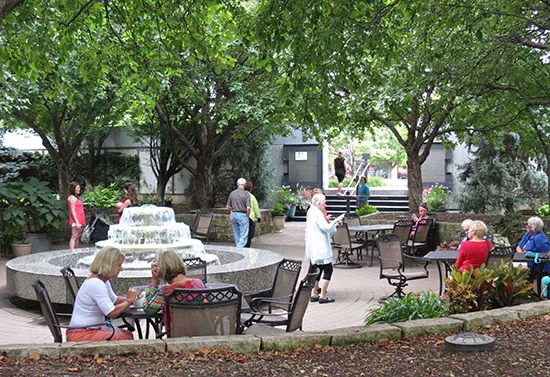
Visiting the Better Homes & Gardens Test Garden®
The BHG Test Garden is a beautiful green space that has something to see in all seasons.
Silencing the Siding Peckers: A Gardener's Guide
Silencing the Siding Peckers: A Gardener's Guide
The Allure of Annuals China Aster in Your Garden
The Allure of Annuals China Aster in Your Garden
The Secret of Endless Blooms: Long - Blooming Perennials
The Secret of Endless Blooms: Long - Blooming Perennials
The Hardy Agave: A Cold - Resistant Floral Wonder
The Hardy Agave: A Cold - Resistant Floral Wonder
How to Plant and Grow Muscadine Grapes
Learn how to plant and grow muscadine grapes and harvest delicious fruit for fresh eating, preserves, and wine.
How to Plant and Grow Lima Beans
Find essential tips for growing lima beans, also known as butter beans, to pick them fresh or dry them for later use.
Unveiling the Wonders of Gourds in Your Edible Garden
Unveiling the Wonders of Gourds in Your Edible Garden
9 Tips for Companion Planting Vegetables to Boost Harvests
Companion planting is a natural and organic gardening technique that helps repel pests and grow healthier plants. Use these smart tips to start companion planting in your vegetable garden.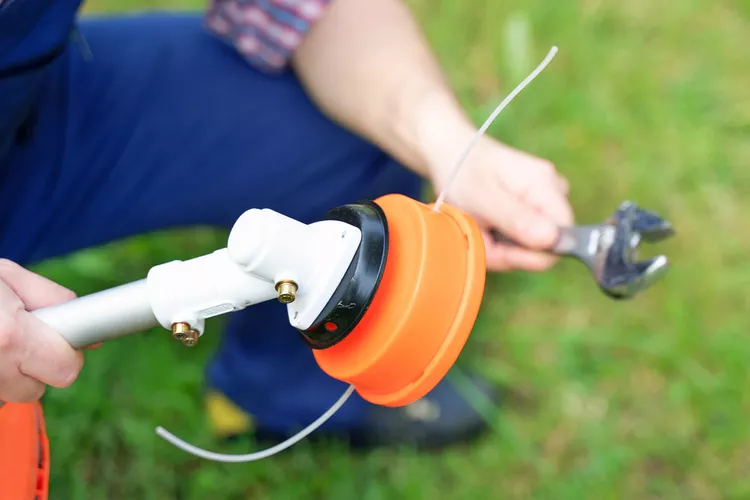
How to Restring a Weed Whacker in 4 Simple Steps
Use this step-by-step guide to properly replace the line on your weed trimmer.
Secrets to a Thriving Yard Garden
Secrets to a Thriving Yard Garden
The Secret to Gorgeous Hydrangea Blooms Next Season
The Secret to Gorgeous Hydrangea Blooms Next Season
Unleash the Beauty of Your Lawn: A Guide to Perfect Mowing
Unleash the Beauty of Your Lawn: A Guide to Perfect Mowing
Guide to Soils and Potting Mixes
We know the secret to a good potters soil. We'll show you how to tell if you need to amend your soil and what plants need to thrive in your current soil conditions.
How to Use Fertilizer for Plants According to Experts
Get expert tips on fertilizing plants, including the best formulation for both houseplants and garden plants, as well as how frequently you should feed them.
How to Make a DIY Indoor Compost Bin
Make your own DIY indoor compost bin. With our tips, you'll learn how to compost and reduce your kitchen waste to help the planet.
Unveiling the Secrets of a Thriving Lawn
Unveiling the Secrets of a Thriving Lawn
15 Super Plants for Texas Landscapes
These plants are superstars in Texas gardens and landscapes. Experts recommend them for their ability to thrive in south-central climates.
Your Seasonal Lawn-Care Schedule for the Northeast
Take the guesswork out of yard work. This lawn-care calendar lets you know when to mow, aerate, fertilize, and seed your yard in the Northeast.
How to Make Compost Tea That Will Give Your Plants a Natural Boost
Learn how to make compost tea with this simple guide and recipes. Plus get tips for using compost tea to give all your plants a boost.