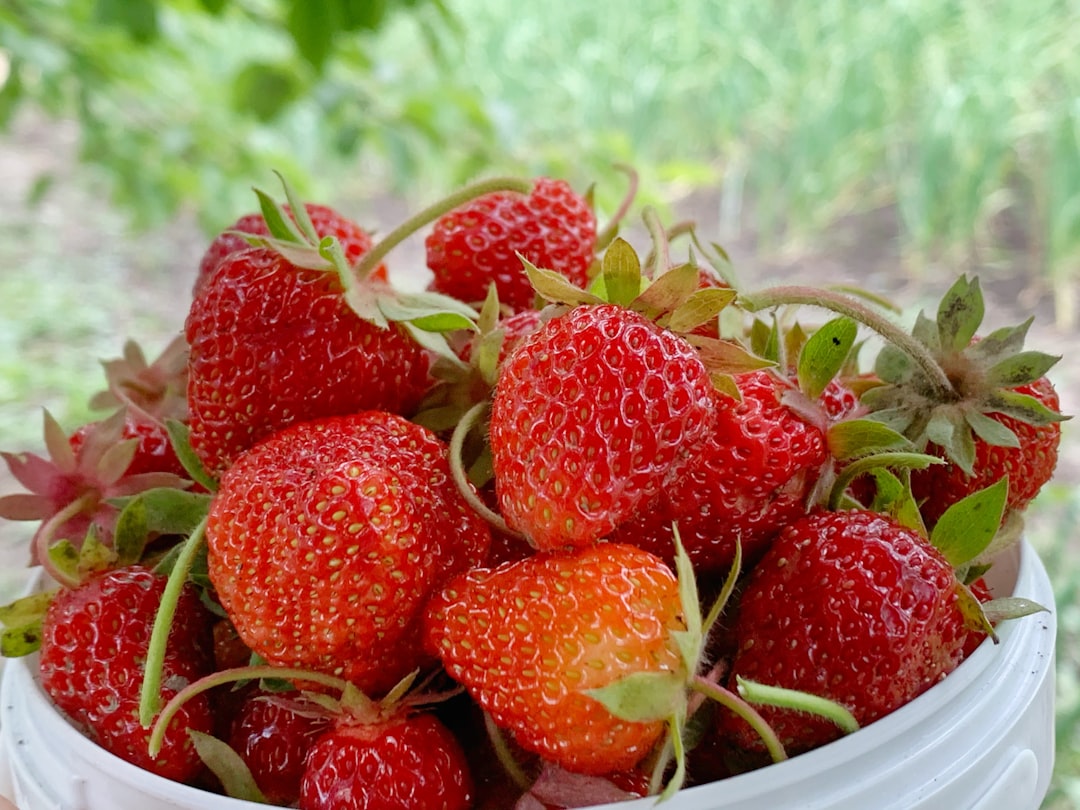
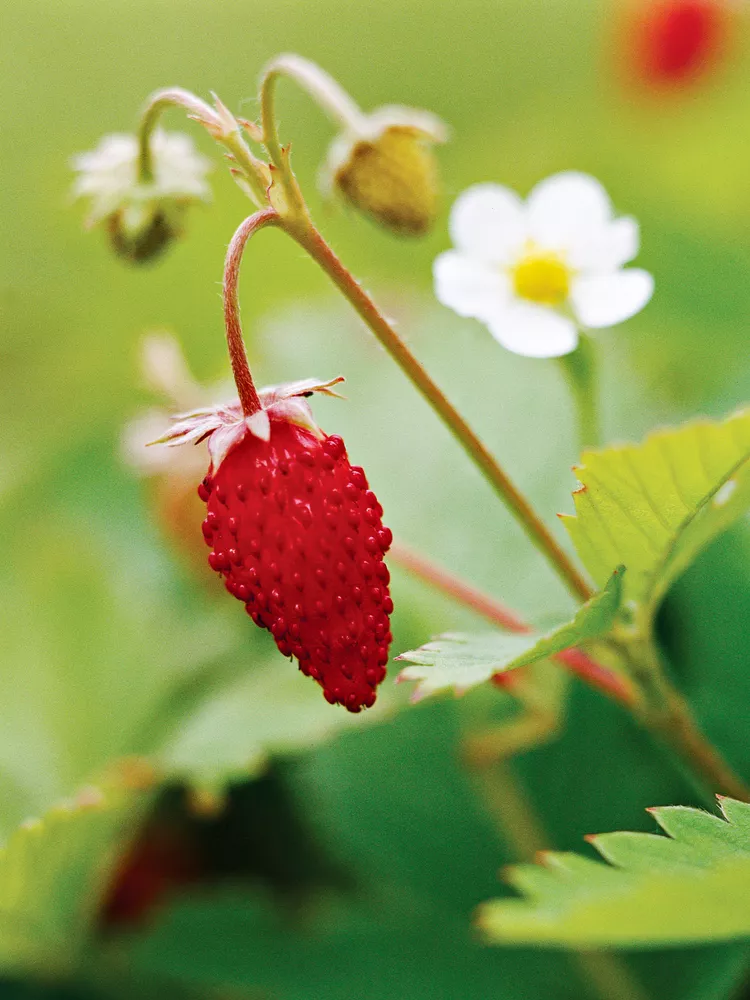
Alpine strawberries (Fragaria vesca)—also called wild or woodland strawberries—are big bursts of flavor in tiny packages. Unlike other types of strawberries, they produce new fruit all summer long, so you’ll have plenty of time to enjoy them.
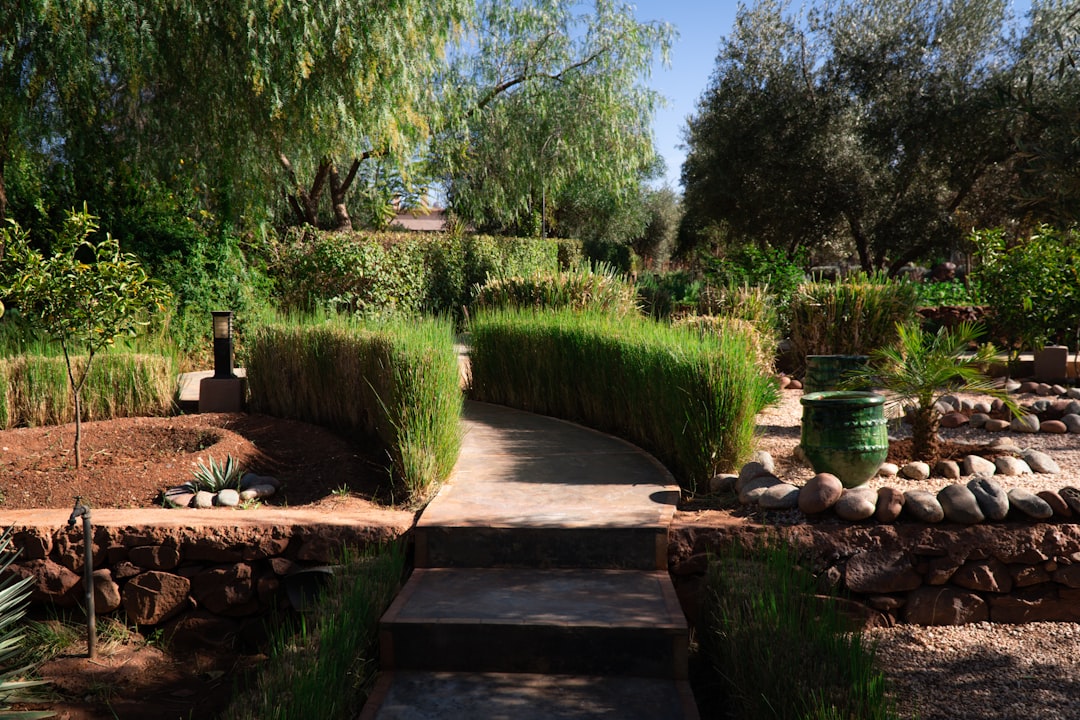
Native to Europe and Asia, these pretty perennials are probably the most ornamental of any edible berry you could grow. The serrated dark green leaves form attractive mounds less than a foot tall and about a foot or so wide. Dainty white flowers with yellow centers are followed by gumdrop-sized berries in a continuous stream from early summer until fall. With a few exceptions, alpine varieties don’t form runners like common strawberries, so the plants stay tidy and can be used ornamentally in lots of garden situations. They’re perfect for lining a path, adding color to a rock garden, filling a window box or planter, or edging a perennial border. Best of all, they’re easy to grow in a suitable site.
Alpine Strawberry Overview
| Genus Name | Fragaria vesca |
| Common Name | Alpine Strawberry |
| Additional Common Names | Woodland Strawberry, Wild Strawberry |
| Plant Type | Fruit, Perennial |
| Light | Part Sun, Sun |
| Height | 6 to 10 inches |
| Width | 12 to 18 inches |
| Flower Color | White |
| Foliage Color | Blue/Green |
| Season Features | Fall Bloom, Spring Bloom, Summer Bloom |
| Special Features | Fragrance, Good for Containers, Low Maintenance |
| Zones | 3, 4, 5, 6, 7, 8, 9 |
| Propagation | Division, Seed |
Where to Plant Alpine Strawberries
The front of a sunny perennial border or nestled among stones in a rock garden with some protection from the afternoon sun is an ideal site. They need a location with rich, well-draining soil. If your soil is less than ideal, consider growing them in a window box, hanging basket, patio planter, or strawberry pot.
How and When to Plant Alpine Strawberries
If you have an appropriate site, alpine strawberries are easy to grow and require little maintenance. Before planting, add compost and a slow-release organic fertilizer to the soil. Space the plants 12 to 18 inches apart. They are best planted in the spring, either from plants purchased from a nursery or from seedlings that you start indoors.
Alpine Strawberry Care Tips
Light
While they produce the most fruit in full sun, alpine strawberries do fine with only four to six hours of sun. Where summers are very hot, full sun may scorch the leaves, which detracts from the plant’s appearance. The plant’s common name, woodland strawberry, is a clue to the plant’s tolerance of some shade. In the wild, they are frequently found at the edge of woodlands.
Soil and Water
The best soil for alpine strawberries is well-draining and rich in organic matter. They grow best in slightly acidic soil with a pH of 5.5 to 7.0. Protect their shallow roots and reduce moisture loss with an organic mulch.
While they need frequent watering during dry periods, they don’t do well where the soil remains soggy or wet. Don’t dampen the leaves when watering to avoid the spread of diseases; using a soaker hose to water is helpful. Because their roots are shallow, they need water frequently.
Temperature and Humidity
Young seedlings are sensitive to cold temperatures and should be carefully and gradually hardened off before transplanting them into the garden. During the growing season, alpine strawberries grow and produce best when temperatures range between 60°F and 80°F, although they tolerate a wider range. Fruit production slows when temperatures are extremely high. In winter, they can handle temperatures as low as -20°F and slightly lower with the protection of a heavy mulch. They thrive where humidity remains moderately high most of the time and appreciate some protection from drying winds.
Fertilizer
Given their lengthy fruiting season, it’s no surprise that alpine strawberries are heavy feeders. Incorporate compost and a slow-release organic fertilizer into the soil when planting. For established plants, fertilize every spring with compost or a balanced granular fertilizer. Supplement this with a liquid fertilizer every two to three weeks during the growing season to promote continuous fruit production.
Pruning
You may want to remove early flowers from first-year plants so that they put their energy into establishing a vigorous root system. Once plants appear to be thriving, allow the fruit to mature. Remove damaged or dead leaves to keep your alpine strawberry plants looking tidy.
Potting and Repotting Alpine Strawberries
Alpine strawberries are great container plants if you provide them with sufficient room, good drainage, and fresh potting soil. Use a window box, hanging basket, or patio planter, and space plants 6 to 8 inches apart. When potting, spread the plant’s roots out and ensure the crown remains above the soil. Repot annually with fresh potting soil.
Pests and Problems
While alpine strawberries are tough and generally trouble-free, they occasionally encounter some of the same problems that regular strawberries encounter. Among the most common pests are aphids, spider mites, and slugs.
Aphids and spider mites suck plant sap, turning leaves yellow or bleached-looking. If either becomes a problem, use a hard spray of water to knock down their population. Neem oil, insecticidal soap, or pyrethrin sprays also help control them. To control slugs, which take bites out of leaves and fruit, place a board nearby—the slugs will hide under it during the day, and you can flip it over and remove them.
To avoid fungal and bacterial diseases, allow space for air circulation between plants and water at soil level using a soaker hose so that you don’t wet the leaves. Many diseases are spread by water. Harvest fruit regularly to prevent it from rotting. If a plant becomes diseased, remove it before the problem spreads.
Berries sometimes appear deformed, but this is not a disease. Rather, it is a problem of incomplete pollination. It takes quite a few visits from bees to thoroughly pollinate a strawberry flower. The best solution is to plant a variety of pollinator-friendly flowers that bloom throughout the growing season to attract those hardworking insects to your yard.
How to Propagate Alpine Strawberries
Since most varieties don’t produce runners like other strawberries, you need to purchase your alpine strawberries from specialty nurseries or grow them from seed, which is more economical and simple. If you get an early start, plants grown from seed should fruit their first year.
Sow the seed indoors under grow lights in late winter. It takes a few weeks for them to germinate, but you can hasten this by placing your seed flat on a heat pad for germinating seeds. The seeds are tiny, and they should be very lightly covered with soil (they need a little light for germination) so be very careful watering them—use a gentle spray from a water bottle or water from the bottom.
After a month or so, transplant the young strawberry plants to individual pots and continue to grow them under lights. Once you are past your area’s last spring frost date, gradually harden off your young plants before you plant them in the ground or a planter.
If you have mature alpine strawberries, you can increase and invigorate your planting by dividing them in early spring. Dig up the entire plant and separate young plants from the margin of the clump making sure that each has some good roots. Replant these small divisions and discard the tired center.
Types of Alpine Strawberries
‘Mignonette’
Fragaria vesca ‘Mignonette’ is a French heirloom variety that produces sweetly scented scarlet red fruit on plants that reach 18 inches in diameter. Excellent for growing in containers.
‘Alexandria’
‘Alexandria’ alpine strawberry is a very productive variety that bears deep red fruit. It may occasionally produce a few runners.
‘Pineapple Crush’
Fragaria vesca ‘Pineapple Crush’ produces creamy yellow fruit with a hint of pineapple flavor. It is a heavy producer for an alpine strawberry.
‘Yellow Wonder’
The fruit of ‘Yellow Wonder’ alpine strawberry is yellow, sweet, and aromatic. Yellow-fruited varieties tend to be less attractive to birds, so you’ll be able to enjoy more of the fruit yourself.
Alpine Strawberry Companion Plants
Borage
Borage is an annual herb that attracts pollinators and predatory insects, which help control strawberry pests. It produces deep blue, star-shaped flowers and soft gray-green foliage.
Thyme
Thyme deters pests with its strong aroma. Some types are upright while others are trailing. Its flowers also attract honeybees.
Yarrow
Yarrow is an easy-to-grow perennial with a long blooming season. It attracts pollinators, which help boost alpine strawberry yields, and repels some pests. Its flat-topped flower clusters may be orange, pink, red, white, or yellow.