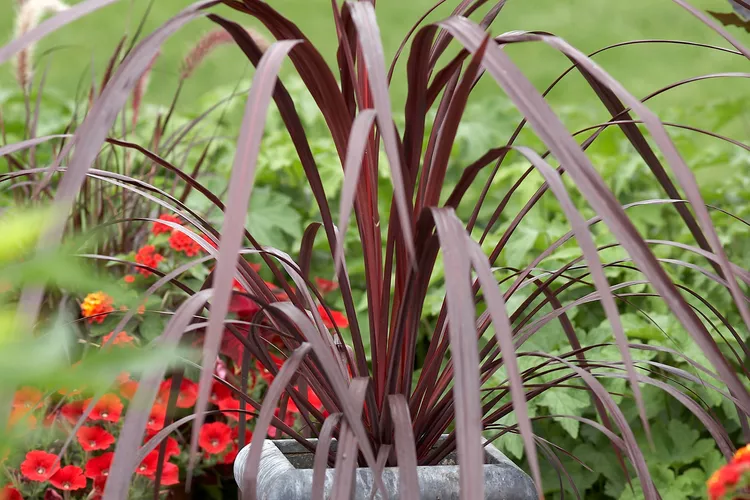
Cordyline plants bring tropical lushness to backyard beds and patio pots. This genus of evergreen flowering plants is prized for brightly colored foliage and an upright form when planted outdoors in the landscape. Cordylines (Cordyline spp.) are perennials in USDA Zone 9 and warmer. However, they can be grown as annuals or potted plants in more temperate areas. They can also be grown as houseplants. This guide will help you grow cordylines successfully in your garden or home.
Cordyline Overview
| Genus Name | Cordyline spp. |
| Common Name | Cordyline |
| Additional Common Names | Ti Plant, Palm Lily, Cabbage Palm, Green Dracaena |
| Plant Type | Houseplant, Perennial |
| Light | Part Sun, Sun |
| Height | 2 to 10 feet |
| Width | 2 to 4 feet |
| Foliage Color | Blue/Green, Purple/Burgundy |
| Zones | 10, 11, 9 |
| Propagation | Stem Cuttings |
Where to Plant Cordyline
Plant cordylines in areas that receive full morning sun or dappled all-day light. Hot afternoon sun in southern regions can be too much for some varieties. In general, cordylines with foliage that is more green than red or pink can take more sun. Cordylines are native to the tropical areas of Southeast Asia and the Pacific Islands, and they love rich soil and warm temperatures.
Cordylines are lovely when planted as part of a large screen to block out undesirable views of foundations or walls. In warmer climates where they are perennial, cordylines make beautiful privacy-enhancing plantings along driveways, walks, and patios.
Cordyline leaves are toxic to dogs and cats when ingested. Keep the plant away from areas where your pets play.
How and When to Plant Cordyline
Before planting cordyline in garden beds in spring, work in a layer of compost or aged manure to provide soil structure, water retention, and nutrients. Dig a hole twice as wide and the same depth as the plant’s root ball, keeping the soil nearby to refill the hole.
If the cordyline resists coming loose from the pot, water it and wait 15 minutes. Then, lay the pot on its side, being careful not to damage the plant stems, and gently roll the pot around, putting firm pressure on the sides. The plant will slide out easily.
Before placing the cordyline in its new home, loosen any pot-bound roots and cut any girdling roots. Place it in the hole and backfill the hole with soil from the hole, pressing down with your hands to remove air pockets. Water the plant well. Cordylines can grow large, so consider the variety’s mature size when spacing young plants.
Cordyline Care Tips
Like other tropical foliage plants, cordylines do best when their native habitat is replicated. Warm temperatures, dappled sunlight, and slightly moist, rich soil similar to the forest floor are ideal conditions. You’ll find they are easy to care for as houseplants but have sensitivities to treated water and cold spots.
Light
Cordyline species prefer bright, filtered light. In their native habitat, tree-canopy-filtered light is what they get. However, modern cultivars do fine with full sun, and their colors are more vibrant. If you live in an area with intense summer sun, choose a spot with some afternoon shade, because excessive sun can cause leaf browning.
Provide as much bright light as possible when growing these plants indoors, ideally at least six hours daily, or provide the plant with a grow light.
Soil and Water
Cordylines enjoy rich soil that is well-draining and neutral to slightly acidic. Good-quality potting soil is fine for container plants. For in-ground beds, work in some compost before planting, and mulch for weed and soil moisture control.
Cordylines living in permanent garden beds should be provided with supplemental water during the first year and, after that, during dry spells. Otherwise, the plants should be fine with rainfall. Allow cordylines grown as houseplants to dry out slightly between waterings.
Temperature and Humidity
Cordylines are tropical plants that enjoy higher humidity levels and warm temperatures. In temperate regions, bring the plants indoors before a chilly autumn frost and wait to set them out again until nights have warmed in the spring. Indoors, mist the plant regularly or add a plant humidifier to keep the humidity on the high side.
Fertilizer
In-ground cordylines can be top-dressed annually with compost. Slow-release granular fertilizers applied in spring work well.
Container cordylines can be fertilized with any suitable general-purpose fertilizer biweekly when watered. Follow the dosage directions on the label.
Pruning
Prune cordyline to remove old, less attractive leaves, limit size (some can get quite tall), renew vigor, and lower growth. Large cordylines require heavy-duty garden shears to prune, as the canes are thick and woody. Use any pruned canes to propagate new plants.
Potting and Repotting
When growing cordyline as a houseplant, use good-quality potting soil mixed with some sand and perlite for good drainage. Large containers with drainage holes are best for growing cordyline. You need at least a 14-inch-wide container for a single plant; bigger is better. Repot in the spring each year into a slightly larger container, replacing the growing medium with fresh potting soil.
Pests and Problems
Cordylines are sensitive to chemicals in tap water, especially fluoride. If your municipality treats the water with fluorine, you may need to collect rainwater or use filtered water. Leaf tip burn and brown, crispy leaf edges are common indicators of fluoride toxicity.
Fusarium root and stem rot are problems caused by excessive watering and poor drainage. Wet conditions allow this fungal disease to thrive, causing yellowing leaves and wilting. The roots will look blackened and squishy. Controlling root rot involves repotting into fresh potting mix and ensuring adequate drainage.
How to Propagate Cordyline
Cordyline propagates well from stem cuttings and can be rooted easily in water. You want woody sections of stem or cane, about 6 inches long. Multiple cuttings can be made from a long piece of stem.
For water propagation, place each stem piece in a clear container of clean water in bright indirect light and wait. In a few weeks, white roots will pop out on the bottom, and new green shoots will appear on top. After roots form, transplant the cuttings into pots.
Types of Cordyline
‘Prince Albert’
‘Prince Albert’ (Cordyline fruticosa) is a deep pink and green cordyline with an upright, leafy habit. The large, flat, arching leaves provide a tropical look. It is a great thriller for a large container. It reaches about 4 feet tall and wide at maturity, so give it some space.
‘Red Sensation’
‘Red Sensation’ (Cordyline australis), sometimes called false dracaena, is an award-winning specimen. It can reach as high as 7 feet in a garden setting and displays sword-shaped, purple leaves. Its impressive height makes it a great focal point in the landscape.
‘Red Sister’
‘Red Sister’ (Cordyline fruticosa) is a classic with huge burgundy leaves. This cordyline provides all-season deep color to contrast with lighter-colored flowers or foliage. It grows to 6 feet tall and is spectacular when planted in groups.
Cordyline Companion Plants
Bloodleaf
Also known as beefsteak plant, bloodleaf (Iresine herbstii) is a tropical foliage plant with attractively variegated leaves and stems. It grows to 18 inches tall and is hardy in Zones 10 and 11. Use it in mass plantings or to brighten a corner of the yard. It also works well in containers.
Bird of Paradise
Exotic bird of paradise (Strelitzia spp.) complements the tropical look of cordyline and shares the same sunlight preferences. These plants are hardy in Zones 10-11, and their tall height makes them a good companion for large varieties of cordyline.
Elephant’s Ear
Elephant’s ear (Alocasia spp.) evokes tropical jungles with its huge leaves and height. It easily serves as a focus point in borders or large planters. Hardy in Zones 10-11, this plant can be overwintered indoors in cold climates.