
Maintaining a lush and healthy yard is a dream for many homeowners. A well - cared - for lawn not only enhances the aesthetic appeal of your property but also provides a pleasant outdoor space for relaxation and activities. One of the key aspects of yard gardening and lawn care is learning to read the signs that your grass gives you. This knowledge will help you provide the right amount of care, including the appropriate amount of water.
Grass, like any living organism, shows various signs when it's in distress or needs something. For instance, if your grass starts to turn brown and becomes brittle, it might be a sign of water deficiency. On the other hand, if the grass looks overly soft and spongy, it could be getting too much water. These visual cues are your first indicators of what your lawn needs.
Measuring the amount of water your sprinklers deliver is crucial. One common goal is to provide about 1 inch of water per week to your lawn. But how do you measure this? There are a few simple methods you can use.
One effective way is to use empty tuna cans or small, flat - bottomed containers. Place several of these containers evenly throughout your lawn before you turn on the sprinklers. Let the sprinklers run for a set period, say 30 minutes. After that, measure the depth of water in each container using a ruler. If, for example, you find that the average depth of water in the containers is 0.5 inches after 30 minutes, you know that it will take about an hour to reach the 1 - inch mark. This way, you can accurately control the amount of water your lawn receives.
Another factor to consider is the type of soil in your yard. Different soils have different water - holding capacities. Sandy soils drain water quickly, so they may require more frequent watering. Clay soils, on the other hand, hold water for longer periods, and over - watering can lead to waterlogging and root rot. You can perform a simple soil test at home. Take a handful of soil from your yard and squeeze it. If it crumbles easily, it's likely sandy soil. If it forms a ball and holds its shape, it's clay - based.
When it comes to watering your lawn, the timing is also important. Watering in the early morning is ideal. This allows the grass to absorb the water before the heat of the day causes excessive evaporation. Watering at night can lead to prolonged moisture on the grass, which can encourage the growth of fungi and diseases.
Regular mowing is another essential part of lawn care. Keeping your grass at the right height helps it stay healthy. For most types of grass, a height of about 2.5 to 3 inches is recommended. Mowing too short can stress the grass and make it more vulnerable to pests and diseases. Also, make sure your mower blades are sharp. Dull blades can tear the grass instead of cutting it cleanly, leaving the grass open to infections.
Fertilizing your lawn is also necessary to provide it with the nutrients it needs. Different types of grass have different nutrient requirements. You can choose a slow - release fertilizer that will gradually release nutrients over time. It's important not to over - fertilize, as this can lead to excessive growth and may also harm the environment by causing runoff into nearby water sources.
Weed control is yet another aspect of yard gardening. Weeds compete with your grass for water, nutrients, and sunlight. You can use natural methods like pulling weeds by hand or using mulch to suppress their growth. Chemical herbicides can also be used, but they should be used with caution, following the instructions carefully to avoid harming your grass and the environment.
In conclusion, caring for your yard and lawn is a multi - faceted task. By learning to read the signs of what your grass needs, accurately measuring the water from your sprinklers, and taking into account factors like soil type, mowing, fertilizing, and weed control, you can achieve a beautiful and healthy lawn that you can be proud of. Remember, a well - maintained lawn is not only a joy to look at but also a valuable asset to your home.

Visiting the Better Homes & Gardens Test Garden®
The BHG Test Garden is a beautiful green space that has something to see in all seasons.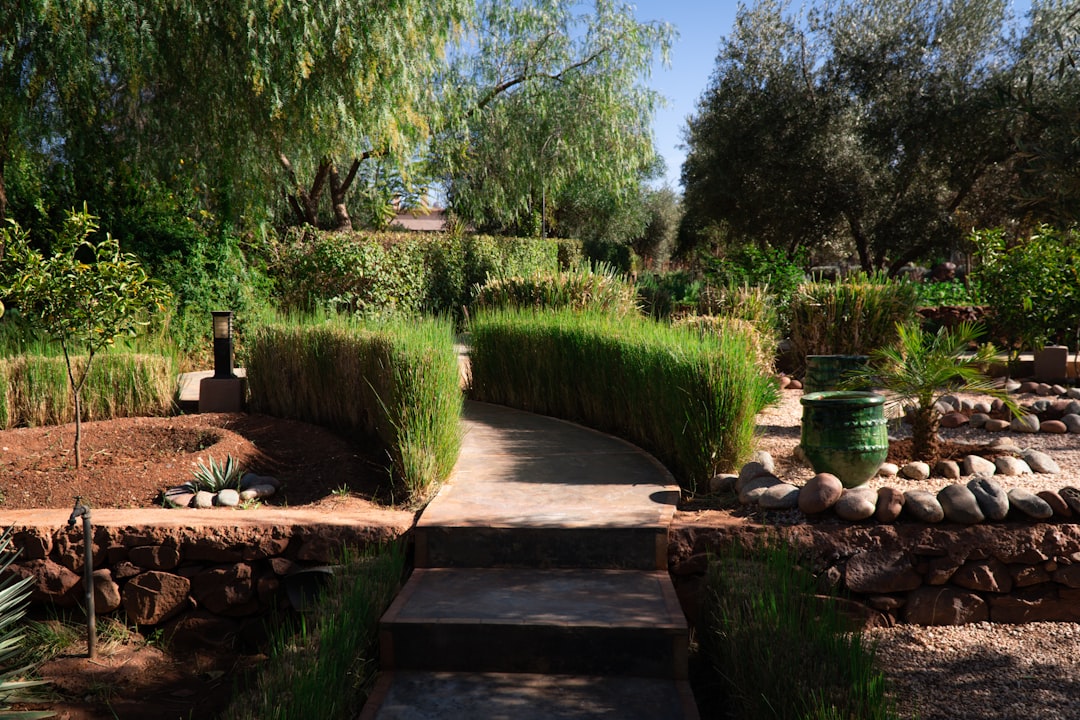
Silencing the Siding Peckers: A Gardener's Guide
Silencing the Siding Peckers: A Gardener's Guide
The Allure of Annuals China Aster in Your Garden
The Allure of Annuals China Aster in Your Garden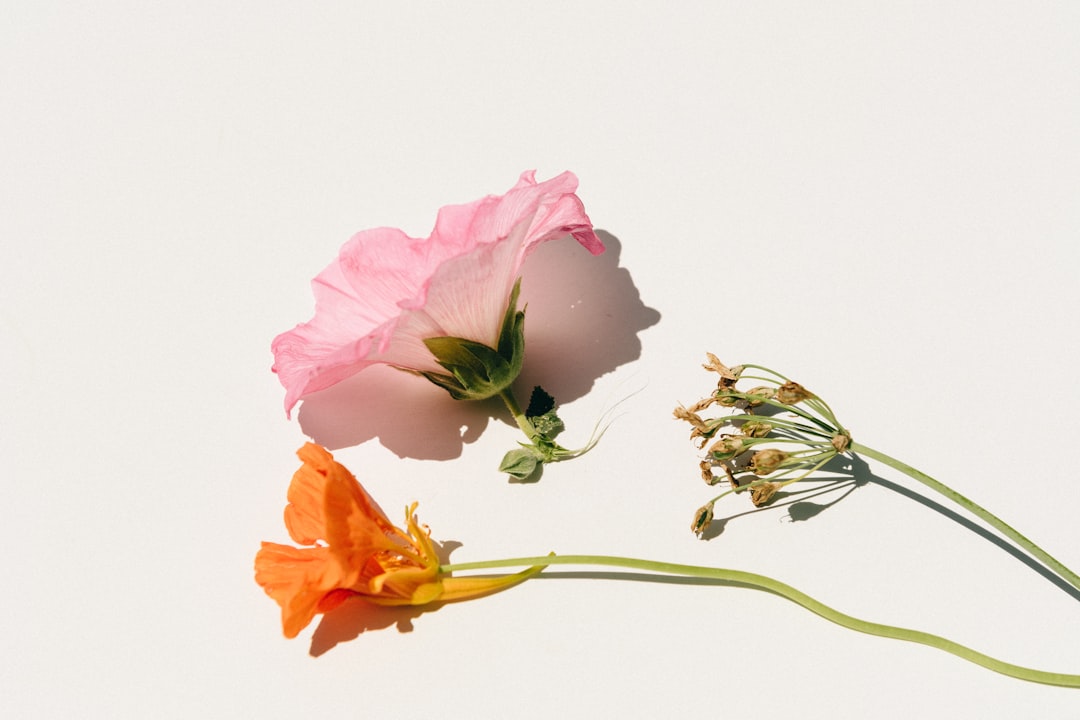
The Secret of Endless Blooms: Long - Blooming Perennials
The Secret of Endless Blooms: Long - Blooming Perennials
The Hardy Agave: A Cold - Resistant Floral Wonder
The Hardy Agave: A Cold - Resistant Floral Wonder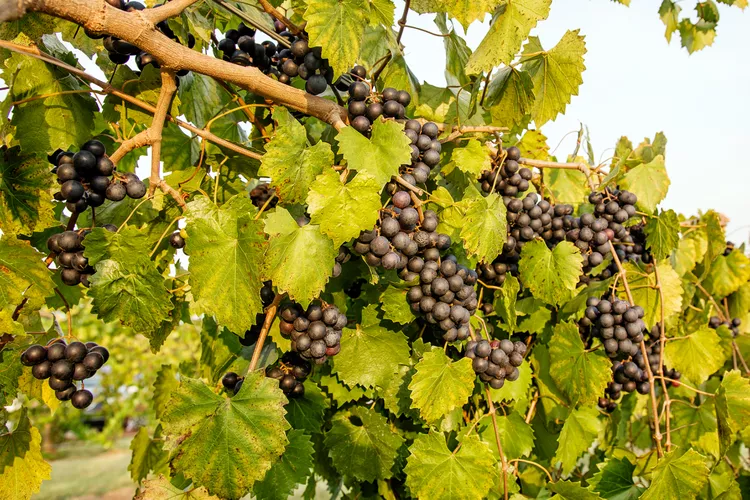
How to Plant and Grow Muscadine Grapes
Learn how to plant and grow muscadine grapes and harvest delicious fruit for fresh eating, preserves, and wine.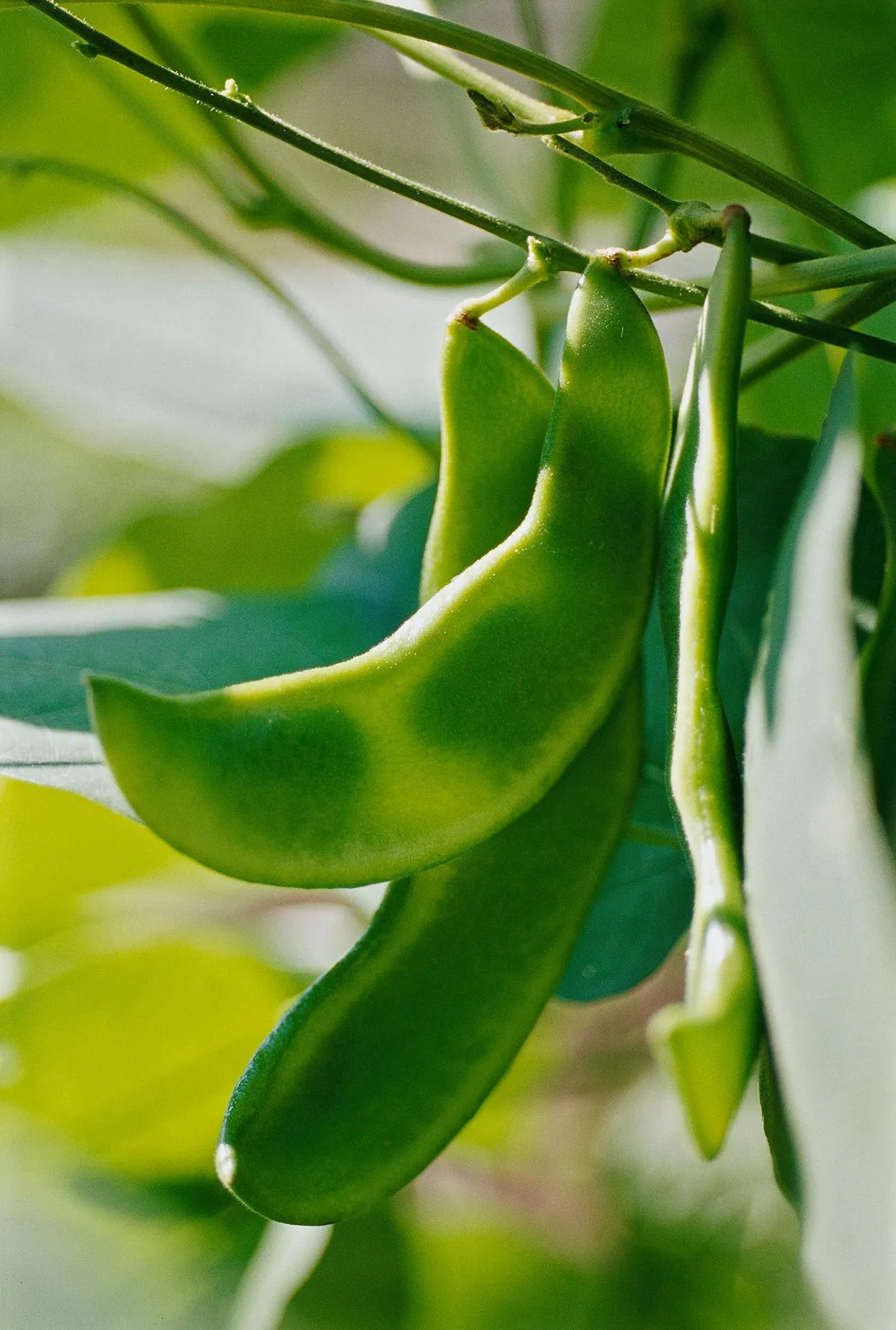
How to Plant and Grow Lima Beans
Find essential tips for growing lima beans, also known as butter beans, to pick them fresh or dry them for later use.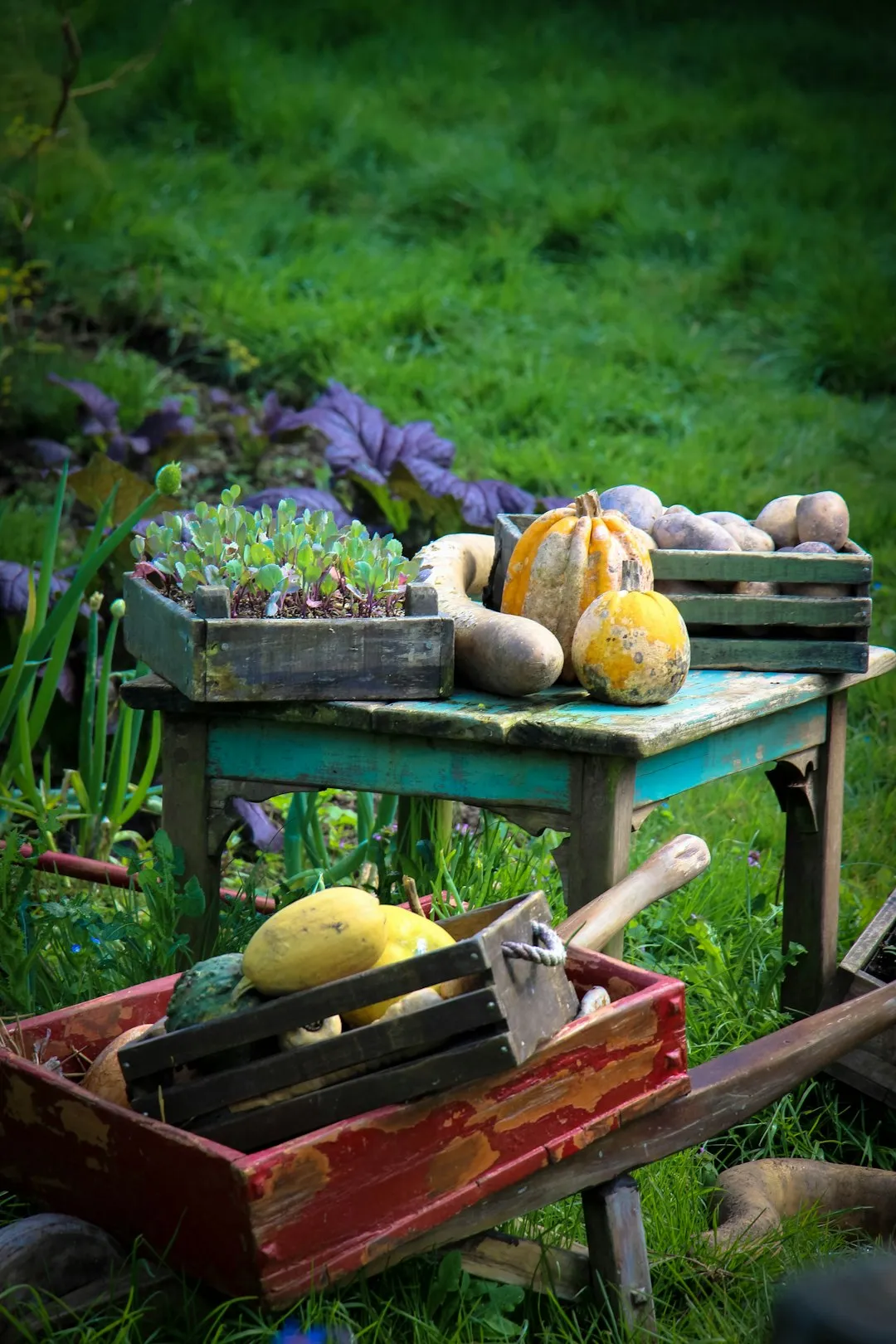
Unveiling the Wonders of Gourds in Your Edible Garden
Unveiling the Wonders of Gourds in Your Edible Garden
9 Tips for Companion Planting Vegetables to Boost Harvests
Companion planting is a natural and organic gardening technique that helps repel pests and grow healthier plants. Use these smart tips to start companion planting in your vegetable garden.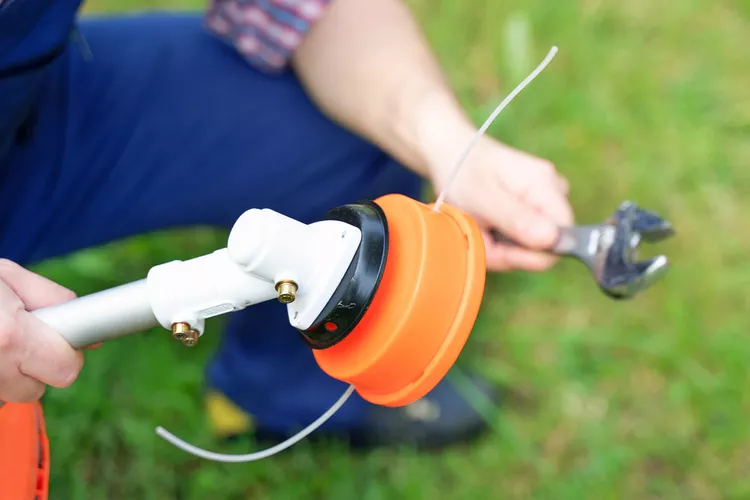
How to Restring a Weed Whacker in 4 Simple Steps
Use this step-by-step guide to properly replace the line on your weed trimmer.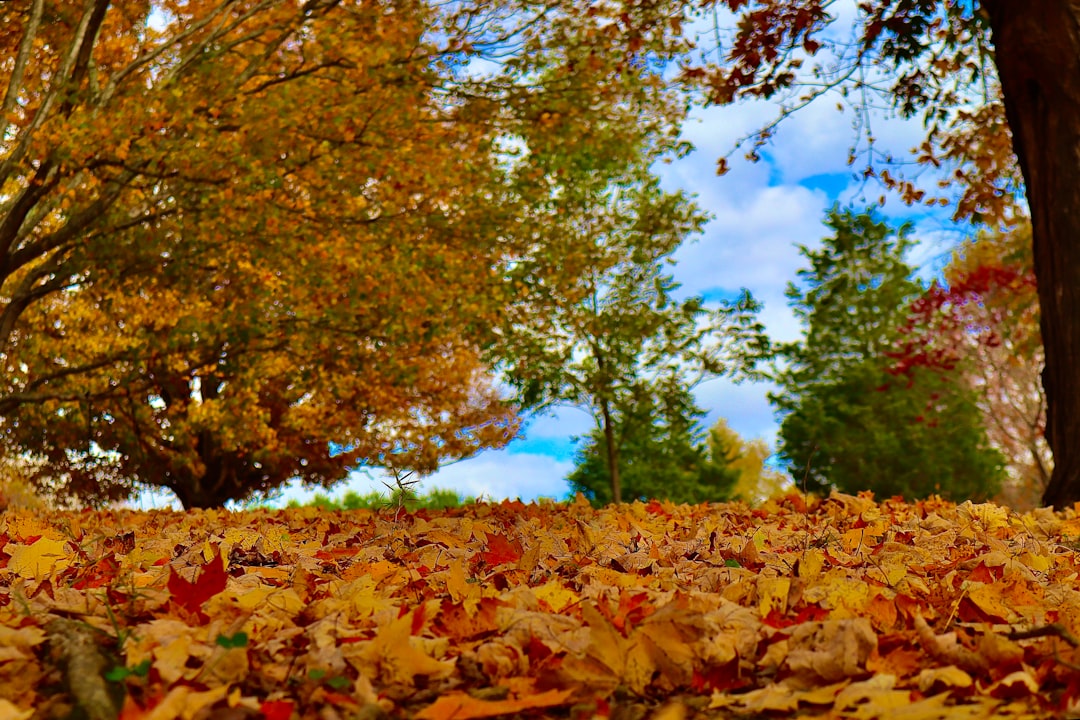
Secrets to a Thriving Yard Garden
Secrets to a Thriving Yard Garden
The Secret to Gorgeous Hydrangea Blooms Next Season
The Secret to Gorgeous Hydrangea Blooms Next Season
Unleash the Beauty of Your Lawn: A Guide to Perfect Mowing
Unleash the Beauty of Your Lawn: A Guide to Perfect Mowing
Guide to Soils and Potting Mixes
We know the secret to a good potters soil. We'll show you how to tell if you need to amend your soil and what plants need to thrive in your current soil conditions.
How to Use Fertilizer for Plants According to Experts
Get expert tips on fertilizing plants, including the best formulation for both houseplants and garden plants, as well as how frequently you should feed them.
How to Make a DIY Indoor Compost Bin
Make your own DIY indoor compost bin. With our tips, you'll learn how to compost and reduce your kitchen waste to help the planet.
Unveiling the Secrets of a Thriving Lawn
Unveiling the Secrets of a Thriving Lawn
15 Super Plants for Texas Landscapes
These plants are superstars in Texas gardens and landscapes. Experts recommend them for their ability to thrive in south-central climates.
Your Seasonal Lawn-Care Schedule for the Northeast
Take the guesswork out of yard work. This lawn-care calendar lets you know when to mow, aerate, fertilize, and seed your yard in the Northeast.
How to Make Compost Tea That Will Give Your Plants a Natural Boost
Learn how to make compost tea with this simple guide and recipes. Plus get tips for using compost tea to give all your plants a boost.