When it comes to caring for your yard, there are many aspects to consider. One issue that might catch you off - guard is the appearance of dark specks on your siding. You may be scratching your head, wondering where these unsightly marks are coming from. Well, the culprit could very well be hiding in your mulch.
Mulch is a common addition to yards. It helps retain moisture in the soil, suppresses weeds, and gives a neat and tidy look to garden beds. However, not all mulches are created equal. Some types of mulch can harbor fungi, bacteria, and other microorganisms that can cause problems for your home's exterior.
Fungi are one of the main suspects. Certain fungi thrive in the damp and organic environment provided by mulch. When conditions are right, these fungi can produce spores. These spores are incredibly tiny and can easily become airborne. Once in the air, they can land on your siding, creating those dark specks that are so frustrating to deal with.
Bacteria can also play a role. Bacteria in the mulch can break down organic matter, releasing by - products that can stain your siding. If the mulch is too close to your home, these bacteria - related stains can spread quickly and become more difficult to remove.
So, what can you do to prevent this from happening? First, choose your mulch carefully. Opt for high - quality mulches that are less likely to harbor harmful organisms. Cedar mulch, for example, has natural anti - fungal and antibacterial properties. It can help keep the mulch bed healthier and reduce the risk of spore and bacteria spread.
Another important step is to maintain the proper distance between your mulch and your home. A good rule of thumb is to keep at least a 6 - inch gap between the mulch and the siding. This will prevent the mulch from being in direct contact with the siding and reduce the chances of spores and bacteria making their way onto it.
Regularly inspect your mulch for signs of mold, mildew, or other growths. If you notice any, remove the affected mulch immediately. You can also turn the mulch over periodically to improve air circulation. This will help keep the mulch dry and less hospitable to harmful organisms.
Cleaning your siding regularly is also crucial. Use a gentle detergent and a soft - bristled brush to remove any dirt, debris, or dark specks. For stubborn stains, you may need to use a specialized siding cleaner. However, be sure to test it on a small, inconspicuous area first to avoid damaging the siding.
In addition to these preventive measures, consider the overall health of your yard. A well - maintained yard with proper drainage and sunlight can help keep the mulch and the surrounding environment in good condition. Make sure your gutters are clean and functioning properly to prevent water from pooling near the mulch and creating a breeding ground for microorganisms.
By being proactive and taking these steps, you can enjoy a beautiful yard and a clean, speck - free siding. Remember, caring for your yard is not just about making it look good; it's also about protecting your home from potential damage. So, keep an eye on your mulch and take action at the first sign of trouble.
Don't let the hidden threat in your mulch ruin the appearance of your home. With a little knowledge and effort, you can keep your yard and siding in top shape. Whether you're a seasoned gardener or just starting out, these tips can help you avoid the headache of dealing with dark specks on your siding caused by your mulch.

Visiting the Better Homes & Gardens Test Garden®
The BHG Test Garden is a beautiful green space that has something to see in all seasons.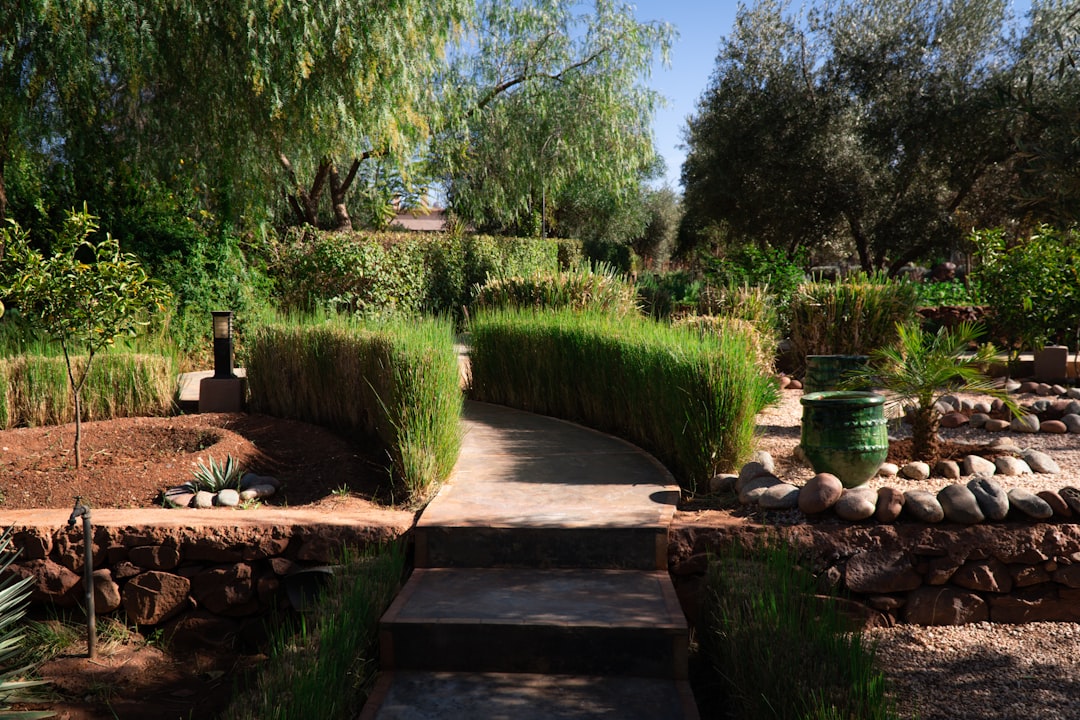
Silencing the Siding Peckers: A Gardener's Guide
Silencing the Siding Peckers: A Gardener's Guide
The Allure of Annuals China Aster in Your Garden
The Allure of Annuals China Aster in Your Garden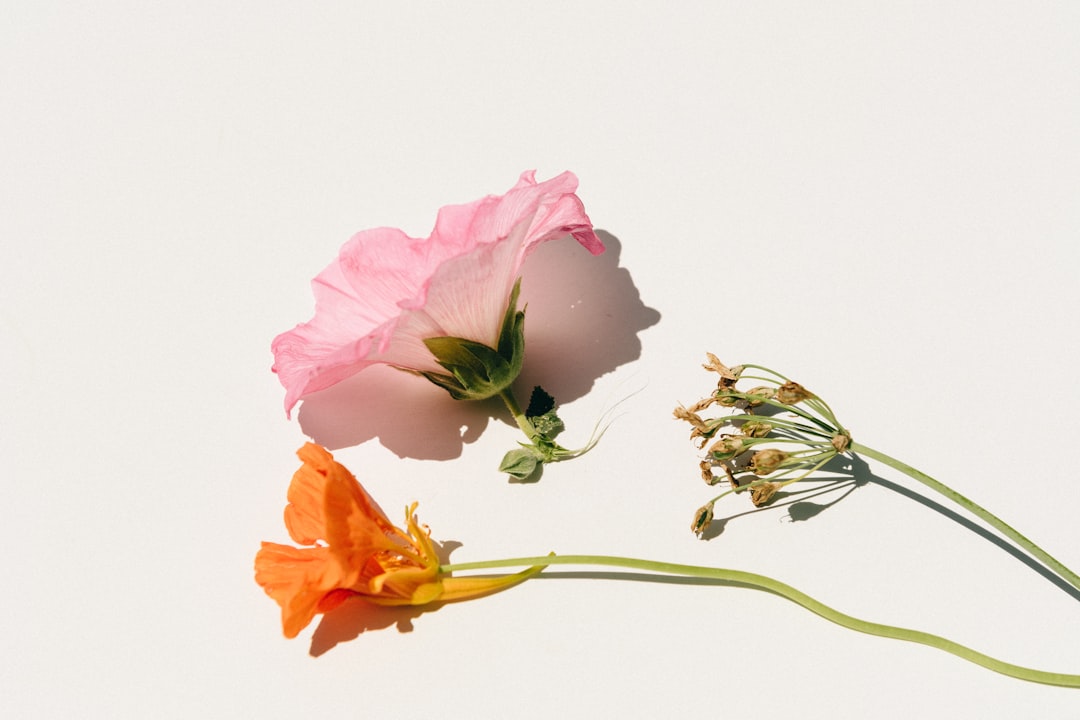
The Secret of Endless Blooms: Long - Blooming Perennials
The Secret of Endless Blooms: Long - Blooming Perennials
The Hardy Agave: A Cold - Resistant Floral Wonder
The Hardy Agave: A Cold - Resistant Floral Wonder
How to Plant and Grow Muscadine Grapes
Learn how to plant and grow muscadine grapes and harvest delicious fruit for fresh eating, preserves, and wine.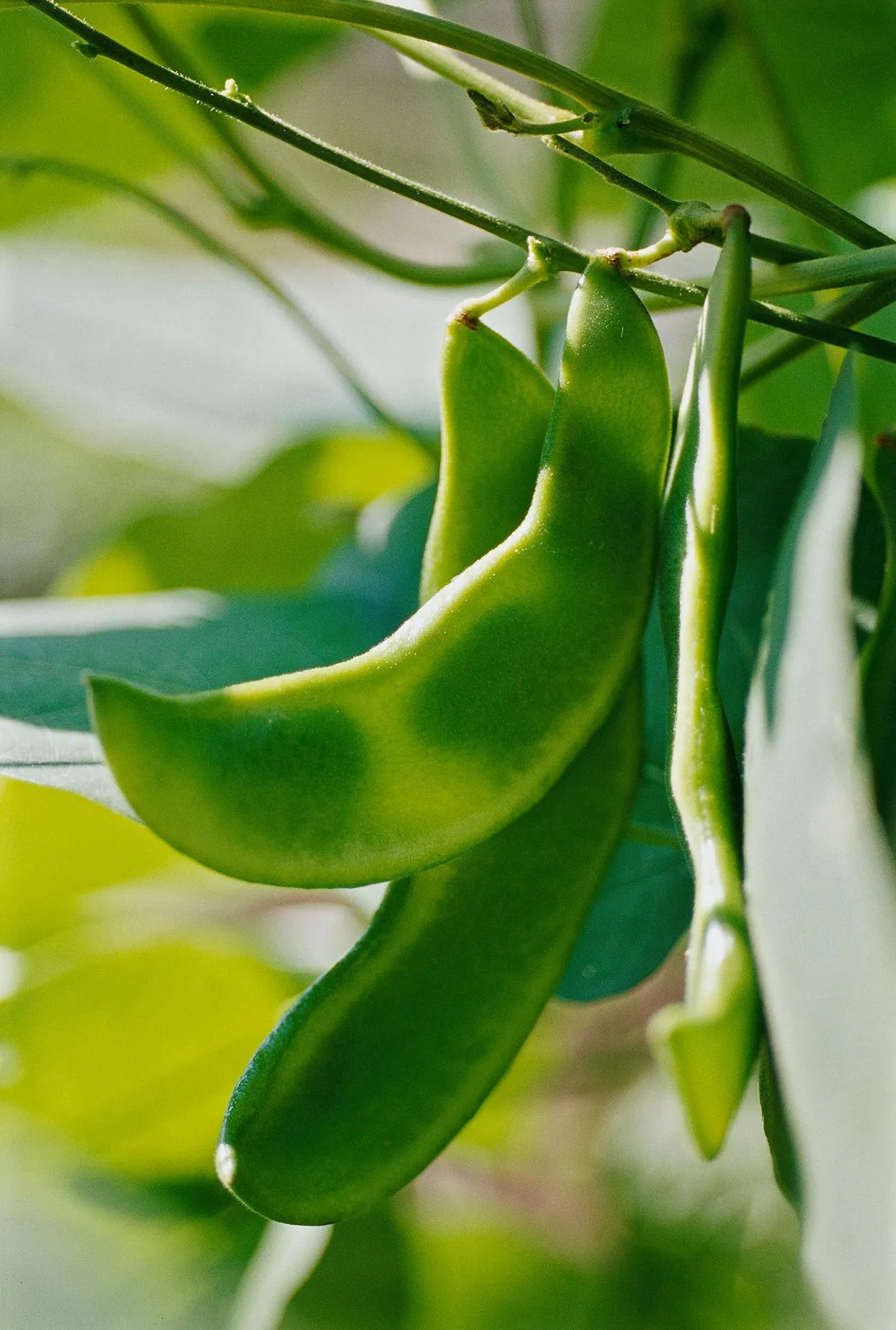
How to Plant and Grow Lima Beans
Find essential tips for growing lima beans, also known as butter beans, to pick them fresh or dry them for later use.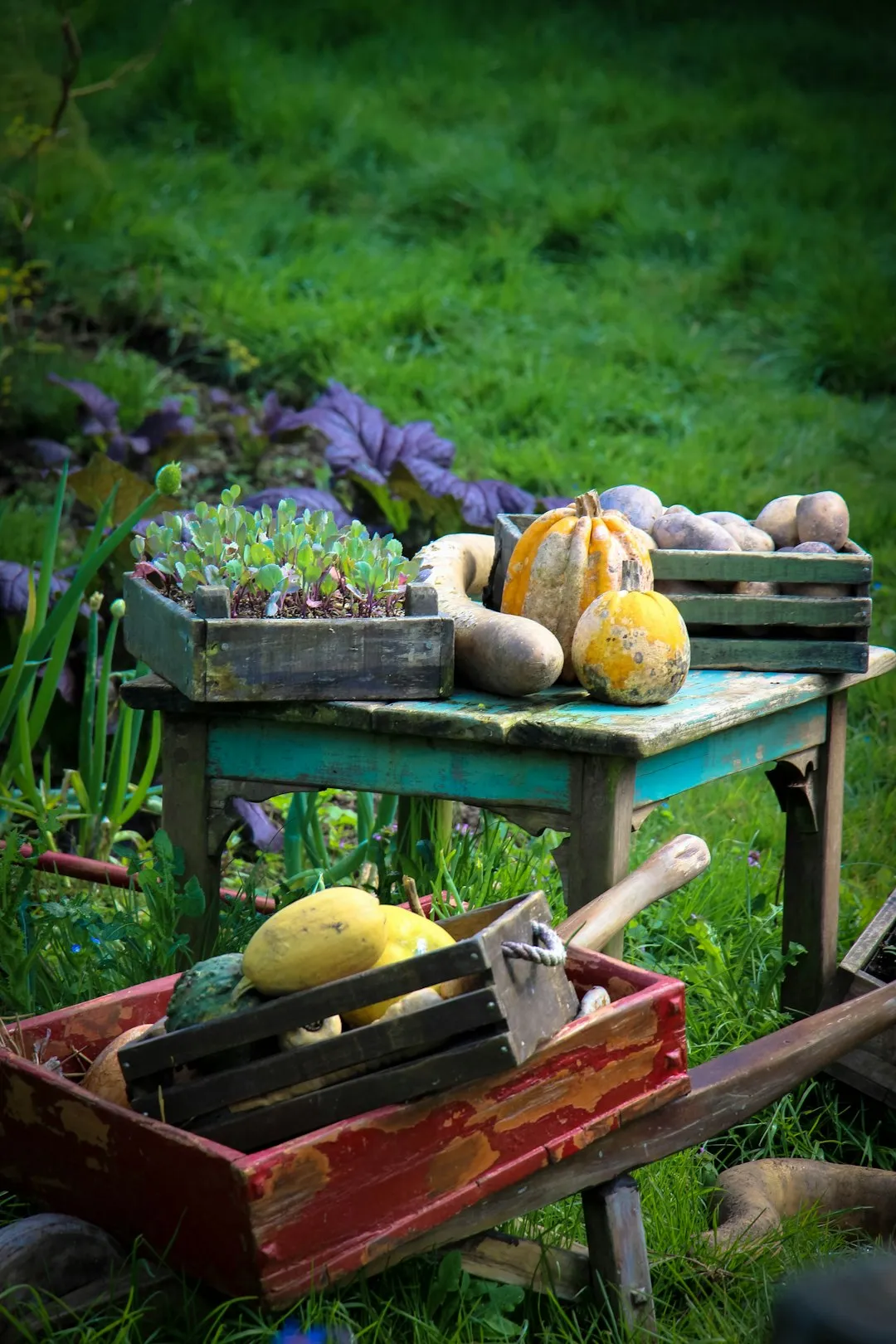
Unveiling the Wonders of Gourds in Your Edible Garden
Unveiling the Wonders of Gourds in Your Edible Garden
9 Tips for Companion Planting Vegetables to Boost Harvests
Companion planting is a natural and organic gardening technique that helps repel pests and grow healthier plants. Use these smart tips to start companion planting in your vegetable garden.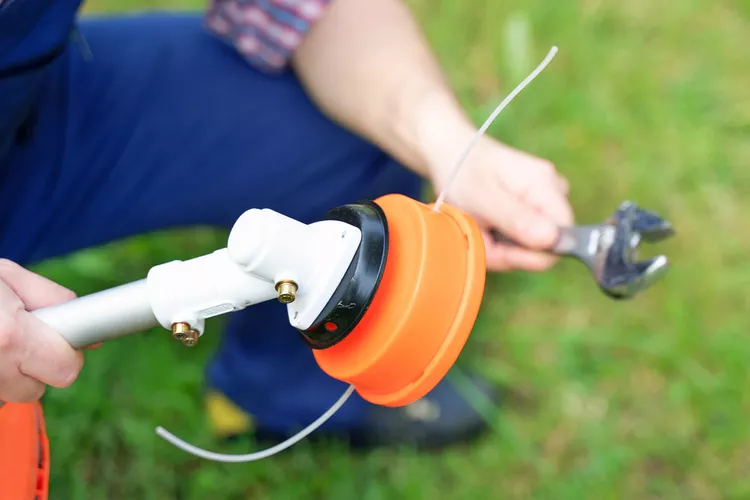
How to Restring a Weed Whacker in 4 Simple Steps
Use this step-by-step guide to properly replace the line on your weed trimmer.
Secrets to a Thriving Yard Garden
Secrets to a Thriving Yard Garden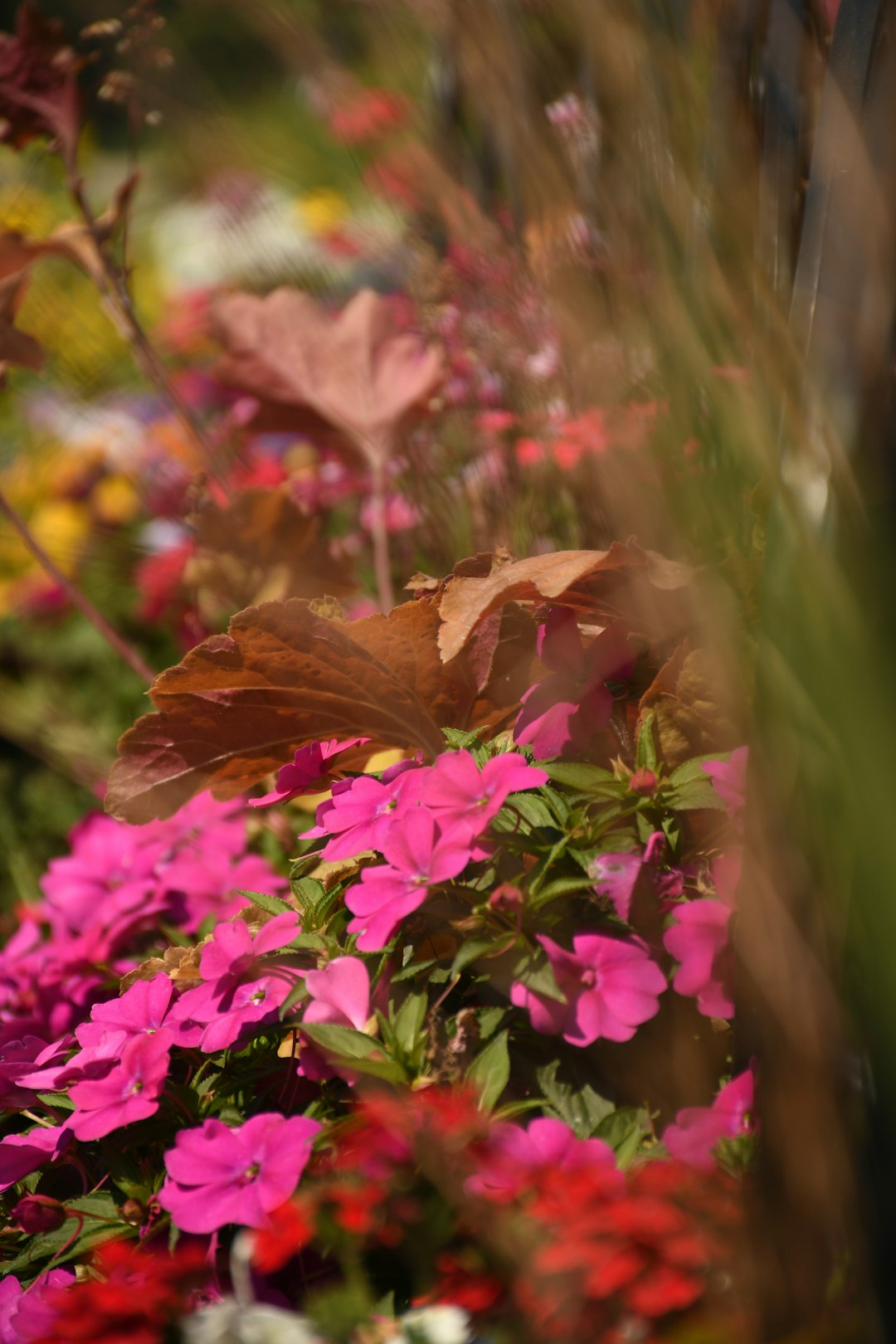
The Secret to Gorgeous Hydrangea Blooms Next Season
The Secret to Gorgeous Hydrangea Blooms Next Season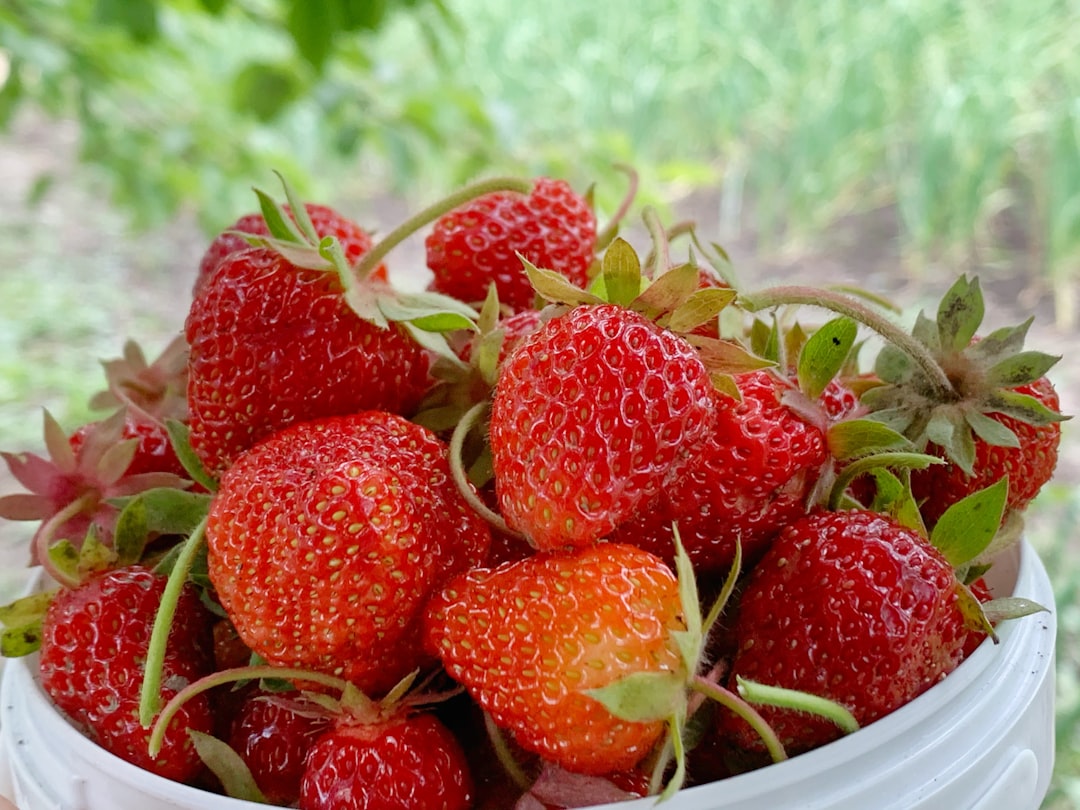
Unleash the Beauty of Your Lawn: A Guide to Perfect Mowing
Unleash the Beauty of Your Lawn: A Guide to Perfect Mowing
Guide to Soils and Potting Mixes
We know the secret to a good potters soil. We'll show you how to tell if you need to amend your soil and what plants need to thrive in your current soil conditions.
How to Use Fertilizer for Plants According to Experts
Get expert tips on fertilizing plants, including the best formulation for both houseplants and garden plants, as well as how frequently you should feed them.
How to Make a DIY Indoor Compost Bin
Make your own DIY indoor compost bin. With our tips, you'll learn how to compost and reduce your kitchen waste to help the planet.
Unveiling the Secrets of a Thriving Lawn
Unveiling the Secrets of a Thriving Lawn
15 Super Plants for Texas Landscapes
These plants are superstars in Texas gardens and landscapes. Experts recommend them for their ability to thrive in south-central climates.
Your Seasonal Lawn-Care Schedule for the Northeast
Take the guesswork out of yard work. This lawn-care calendar lets you know when to mow, aerate, fertilize, and seed your yard in the Northeast.
How to Make Compost Tea That Will Give Your Plants a Natural Boost
Learn how to make compost tea with this simple guide and recipes. Plus get tips for using compost tea to give all your plants a boost.