
Edible gardening is a rewarding and fulfilling hobby, and growing fruit trees is a wonderful addition to any garden. If you have a passion for peaches and want to embark on the journey of growing a peach tree from seed, it's an exciting and achievable endeavor. The next time you enjoy a delicious peach, don't just discard the pit; instead, save it and start your own peach - growing adventure.
First, it's important to understand the process of preparing the peach pit. Once you've saved the pit, you need to clean it thoroughly. Remove any remaining fruit flesh from the pit by gently scrubbing it under running water. This step is crucial as any leftover fruit can attract pests and cause mold to develop during the germination process.
After cleaning, you'll need to crack the pit open carefully. You can use a nutcracker or a pair of pliers, but be very gentle to avoid damaging the seed inside. Inside the pit, you'll find the actual peach seed. This seed is what will eventually grow into a peach tree.
Now, it's time for stratification. Stratification is a process that mimics the natural winter conditions that a seed would experience in the wild. Place the peach seed in a plastic bag with a small amount of moistened peat moss or vermiculite. Seal the bag and put it in the refrigerator for about 8 - 12 weeks. During this time, check the moisture level regularly to ensure it remains moist but not soggy. This cold period is essential for the seed to break dormancy and start germinating.
Once the stratification period is over, it's time to plant the seed. Fill a small pot with well - draining potting soil. Make a small hole in the soil, about an inch deep, and place the peach seed inside. Cover the seed with soil and gently pat it down. Water the soil thoroughly, but again, be careful not to over - water. Place the pot in a warm, sunny location, such as a south - facing window.
As the seed starts to germinate, you'll notice a small sprout emerging from the soil. This is an exciting moment! Keep the soil consistently moist and provide plenty of sunlight. As the seedling grows, you may need to transplant it into a larger pot to give it more room to develop its roots.
When the seedling is strong enough and the weather is suitable, usually in the spring after the last frost, you can transplant it outdoors. Choose a location in your garden that receives full sun for at least 6 - 8 hours a day. The soil should be well - drained and rich in organic matter. Dig a hole that is slightly larger than the root ball of the seedling and place it in the hole. Backfill the hole with soil and water it well.
Taking care of a young peach tree requires some attention. Water the tree regularly, especially during dry spells. Fertilize the tree with a balanced fertilizer in the spring and summer to promote healthy growth. Pruning is also an important part of peach tree care. Prune the tree in the winter to remove any dead or diseased branches and to shape the tree for better fruit production.
It may take several years for your peach tree to start producing fruit. But the wait is well worth it. When the tree finally bears fruit, you'll be able to enjoy the sweet, juicy peaches that you've grown from a simple pit. Not only is it a delicious treat, but it also gives you a sense of accomplishment and connection to the natural world.
In conclusion, growing a peach tree from a pit is a fascinating and rewarding process. It allows you to experience the entire life cycle of a fruit tree, from seed to harvest. So, the next time you eat a peach, remember that the pit in your hand holds the potential for a beautiful and productive peach tree in your garden.

Visiting the Better Homes & Gardens Test Garden®
The BHG Test Garden is a beautiful green space that has something to see in all seasons.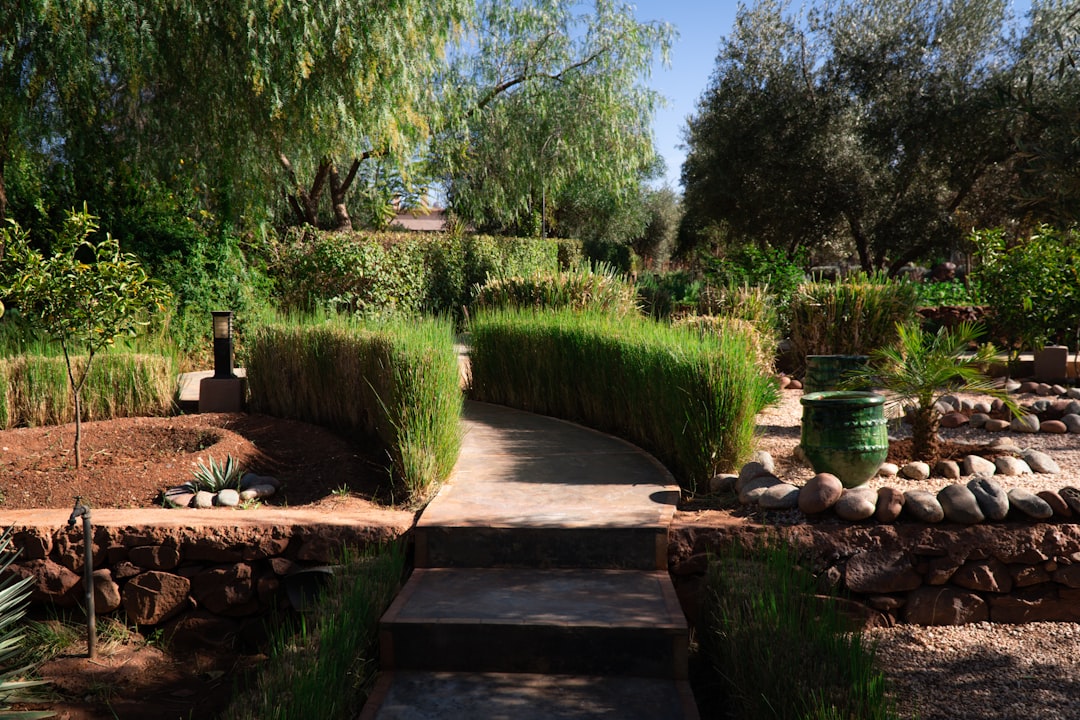
Silencing the Siding Peckers: A Gardener's Guide
Silencing the Siding Peckers: A Gardener's Guide
The Allure of Annuals China Aster in Your Garden
The Allure of Annuals China Aster in Your Garden
The Secret of Endless Blooms: Long - Blooming Perennials
The Secret of Endless Blooms: Long - Blooming Perennials
The Hardy Agave: A Cold - Resistant Floral Wonder
The Hardy Agave: A Cold - Resistant Floral Wonder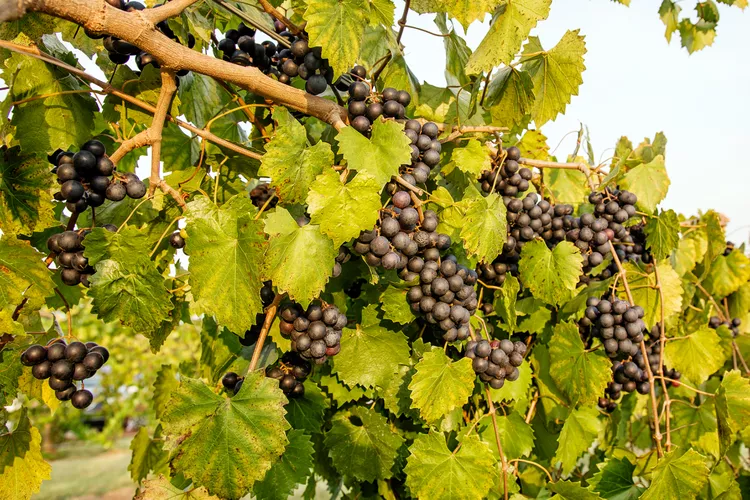
How to Plant and Grow Muscadine Grapes
Learn how to plant and grow muscadine grapes and harvest delicious fruit for fresh eating, preserves, and wine.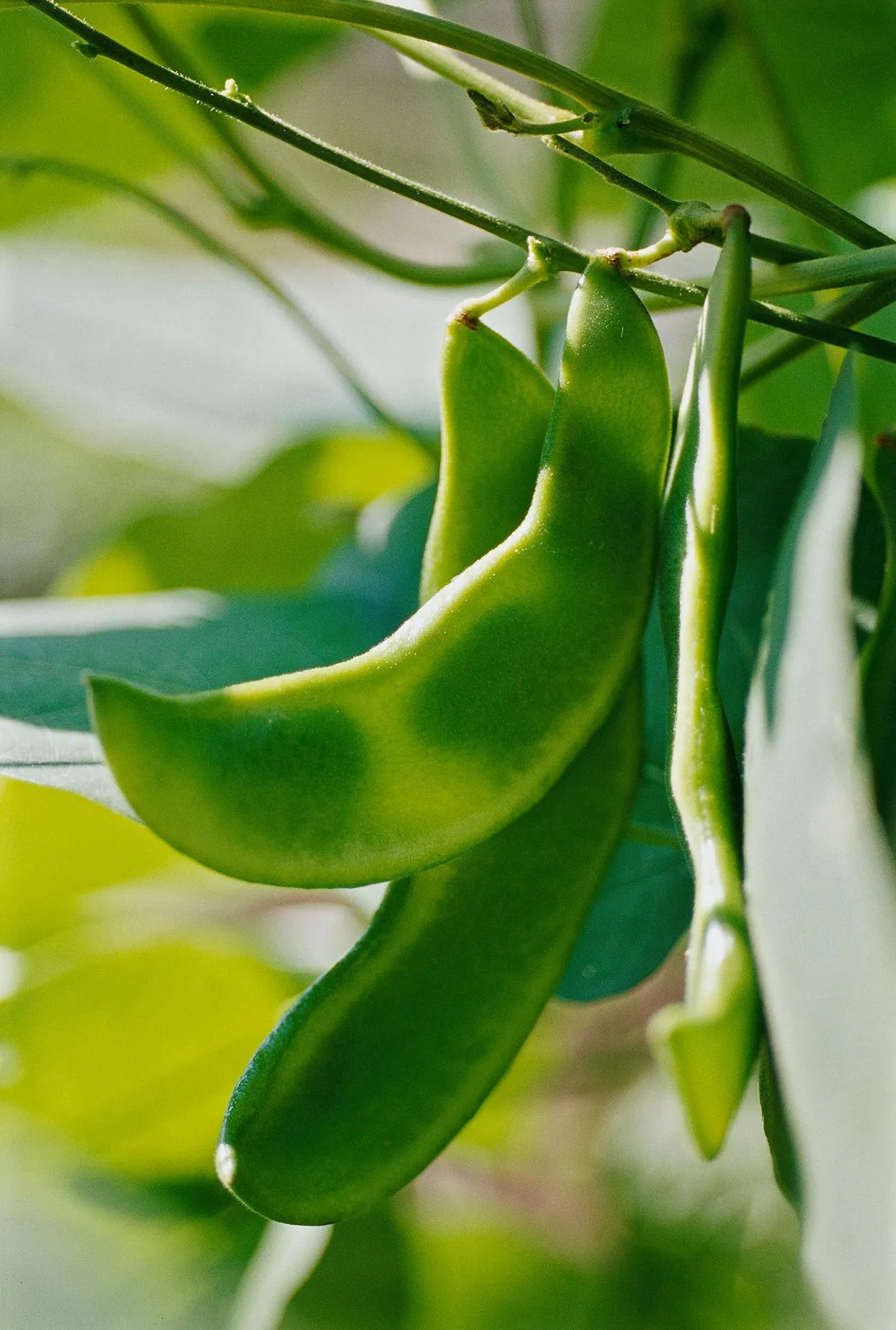
How to Plant and Grow Lima Beans
Find essential tips for growing lima beans, also known as butter beans, to pick them fresh or dry them for later use.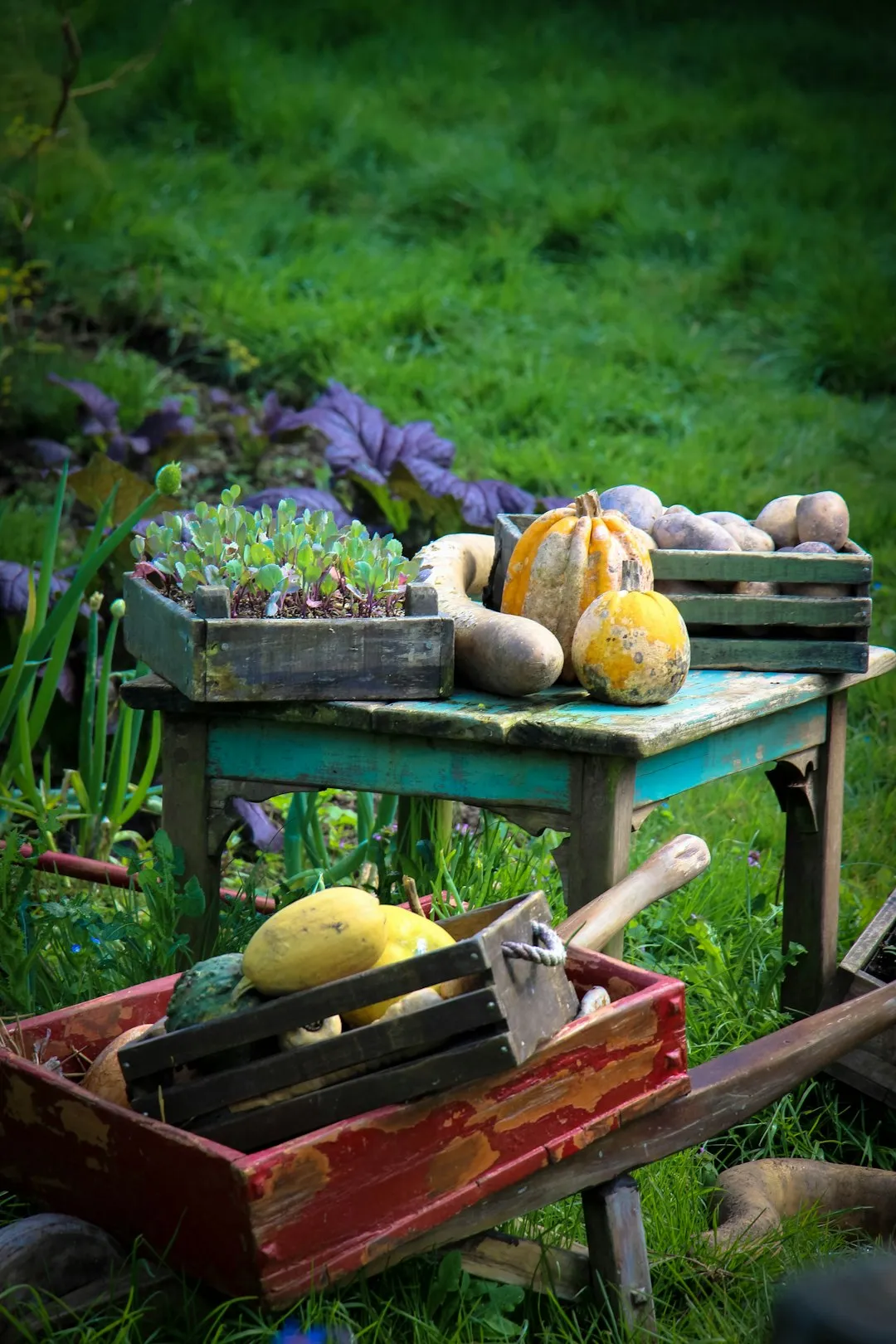
Unveiling the Wonders of Gourds in Your Edible Garden
Unveiling the Wonders of Gourds in Your Edible Garden
9 Tips for Companion Planting Vegetables to Boost Harvests
Companion planting is a natural and organic gardening technique that helps repel pests and grow healthier plants. Use these smart tips to start companion planting in your vegetable garden.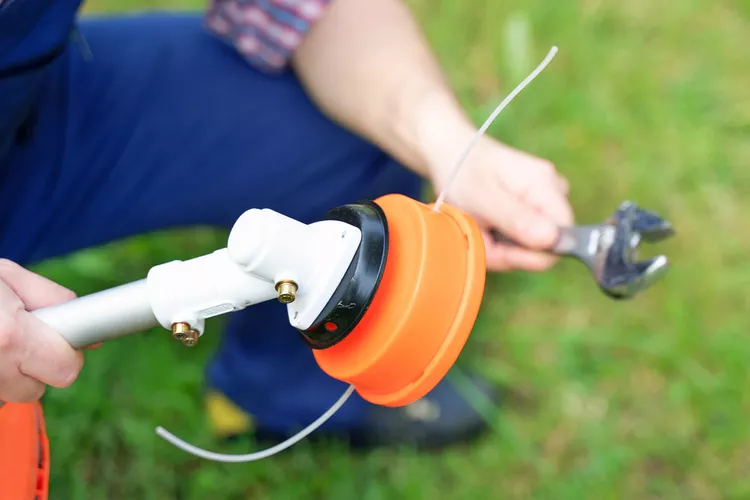
How to Restring a Weed Whacker in 4 Simple Steps
Use this step-by-step guide to properly replace the line on your weed trimmer.
Secrets to a Thriving Yard Garden
Secrets to a Thriving Yard Garden
The Secret to Gorgeous Hydrangea Blooms Next Season
The Secret to Gorgeous Hydrangea Blooms Next Season
Unleash the Beauty of Your Lawn: A Guide to Perfect Mowing
Unleash the Beauty of Your Lawn: A Guide to Perfect Mowing
Guide to Soils and Potting Mixes
We know the secret to a good potters soil. We'll show you how to tell if you need to amend your soil and what plants need to thrive in your current soil conditions.
How to Use Fertilizer for Plants According to Experts
Get expert tips on fertilizing plants, including the best formulation for both houseplants and garden plants, as well as how frequently you should feed them.
How to Make a DIY Indoor Compost Bin
Make your own DIY indoor compost bin. With our tips, you'll learn how to compost and reduce your kitchen waste to help the planet.
Unveiling the Secrets of a Thriving Lawn
Unveiling the Secrets of a Thriving Lawn
15 Super Plants for Texas Landscapes
These plants are superstars in Texas gardens and landscapes. Experts recommend them for their ability to thrive in south-central climates.
Your Seasonal Lawn-Care Schedule for the Northeast
Take the guesswork out of yard work. This lawn-care calendar lets you know when to mow, aerate, fertilize, and seed your yard in the Northeast.
How to Make Compost Tea That Will Give Your Plants a Natural Boost
Learn how to make compost tea with this simple guide and recipes. Plus get tips for using compost tea to give all your plants a boost.