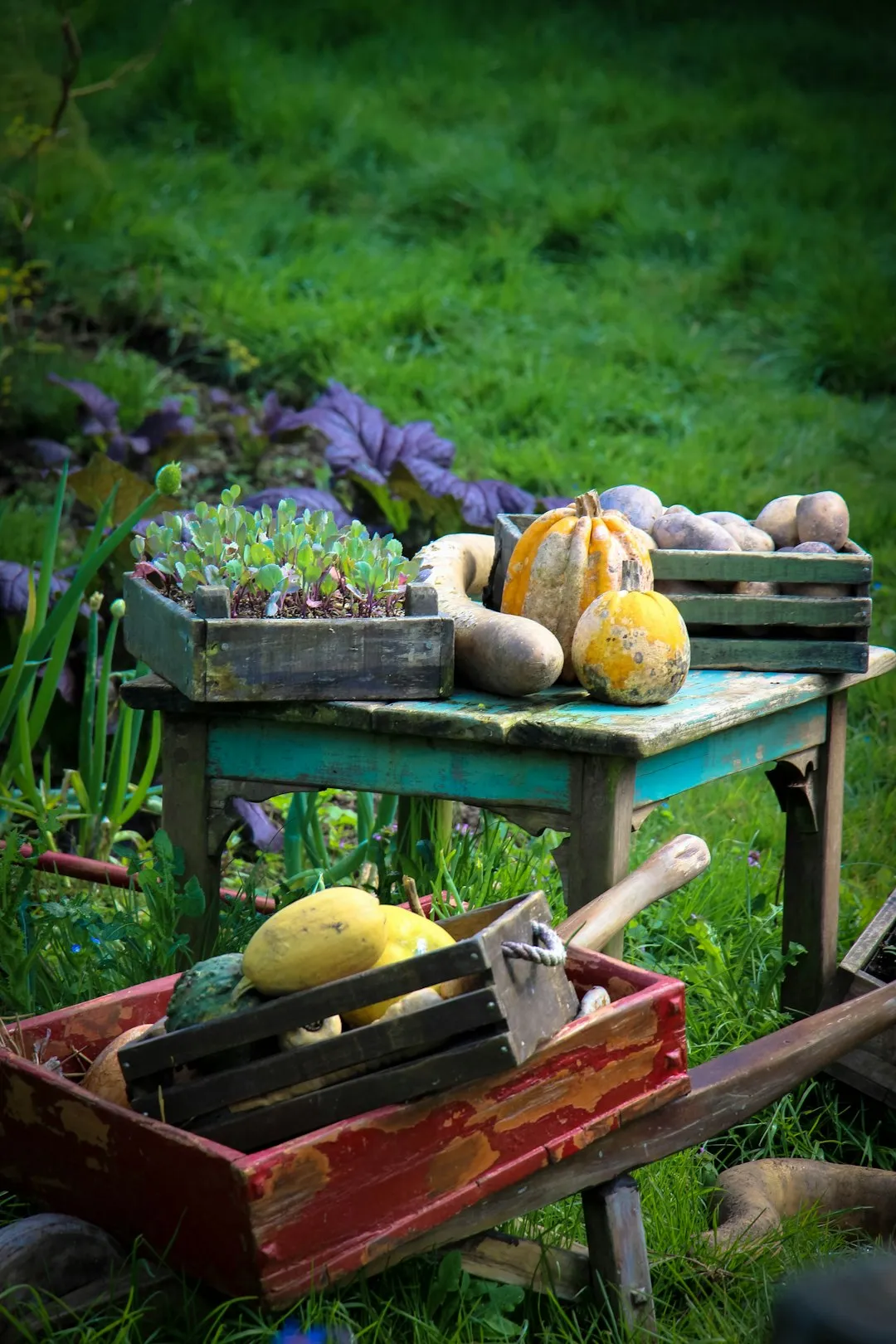
Edible gardening is a rewarding endeavor, and among the many treasures you can cultivate, gourds stand out as a diverse and fascinating group. Gourds come in an astonishing array of colors, shapes, and sizes, each with its own unique charm and practical uses. In this article, we'll explore the best gourds to grow in your garden, the art of harvesting them, and the many ways you can put these versatile vegetables to good use.
### Types of Gourds
There are numerous types of gourds that you can consider growing in your edible garden. One of the most popular is the bottle gourd, also known as calabash. This long, slender gourd has a smooth, green skin and can grow to impressive lengths. Bottle gourds are often used in Asian cuisine, where they are sliced and stir - fried, added to soups, or made into curries. They have a mild, slightly sweet flavor that pairs well with a variety of spices.
Another well - known gourd is the acorn squash, which is technically a type of gourd. With its distinctive acorn - like shape and ribbed exterior, acorn squash is a staple in fall and winter cooking. It has a sweet, nutty flavor and can be baked, roasted, or stuffed. The bright orange flesh is rich in vitamins A and C, making it a healthy addition to your diet.
The butternut squash is yet another gourd that deserves a place in your garden. It has a bell - shaped body with a smooth, tan skin and a sweet, creamy flesh. Butternut squash is incredibly versatile and can be used in everything from soups and stews to pies and bread. It's also easy to grow, making it a great choice for beginner gardeners.
### Choosing the Best Gourds for Your Garden
When selecting gourds to grow in your garden, there are several factors to consider. First, think about your climate. Some gourds, like the bottle gourd, thrive in warm, humid conditions, while others, such as the acorn squash, can tolerate cooler temperatures. Make sure to choose varieties that are well - suited to your local climate to ensure a successful harvest.
Space is another important consideration. Gourds are vining plants that require plenty of room to spread out. If you have a small garden, you may want to choose compact varieties or train the vines to grow up a trellis or fence. This not only saves space but also helps to keep the gourds off the ground, reducing the risk of rot and pests.
You should also consider your personal taste preferences. If you enjoy sweet, nutty flavors, you might want to focus on growing acorn or butternut squash. On the other hand, if you're a fan of more savory dishes, the bottle gourd could be a great choice.
### Planting and Caring for Gourds
To plant gourds, start by preparing the soil. Gourds prefer well - drained, fertile soil with a pH between 6.0 and 7.5. Amend the soil with compost or well - rotted manure to improve its texture and fertility. Plant the seeds after the last frost date in your area, as gourds are sensitive to cold temperatures.
Water the gourd plants regularly, especially during dry spells. However, be careful not to over - water, as this can lead to root rot. Gourds also benefit from regular fertilization. Use a balanced fertilizer every few weeks to provide the plants with the nutrients they need to grow strong and healthy.
As the gourd vines grow, you may need to provide support. This can be in the form of a trellis, fence, or stakes. Training the vines to grow vertically not only saves space but also makes it easier to harvest the gourds.
### Harvesting Gourds
Knowing when to harvest gourds is crucial. For edible gourds, such as acorn and butternut squash, you can usually tell they're ready when the skin is hard and the stem begins to dry and turn brown. Use a sharp knife or pruning shears to cut the gourd from the vine, leaving a short stem attached.
For decorative gourds, the harvesting process is a bit different. These gourds are typically left on the vine until the skin is fully hardened and the colors have developed. Once harvested, they can be dried in a well - ventilated area for several weeks to several months, depending on the size and type of gourd.
### Using Gourds
Edible gourds offer a wide range of culinary possibilities. As mentioned earlier, bottle gourds can be used in Asian dishes, while acorn and butternut squash are perfect for fall and winter recipes. You can make delicious soups, such as butternut squash soup, by pureeing the cooked squash with broth, cream, and seasonings. Acorn squash can be halved, seeded, and roasted with a drizzle of olive oil and a sprinkle of salt and pepper.
Decorative gourds, on the other hand, can be used to add a touch of rustic charm to your home. You can paint them, carve them, or use them in fall centerpieces. They make great decorations for Halloween, Thanksgiving, and other autumn celebrations.
In conclusion, gourds are a wonderful addition to any edible garden. With their diverse shapes, colors, and uses, they offer both beauty and functionality. Whether you're a seasoned gardener or just starting out, growing gourds is a fun and rewarding experience that can provide you with a bountiful harvest and endless culinary and decorative possibilities.

Visiting the Better Homes & Gardens Test Garden®
The BHG Test Garden is a beautiful green space that has something to see in all seasons.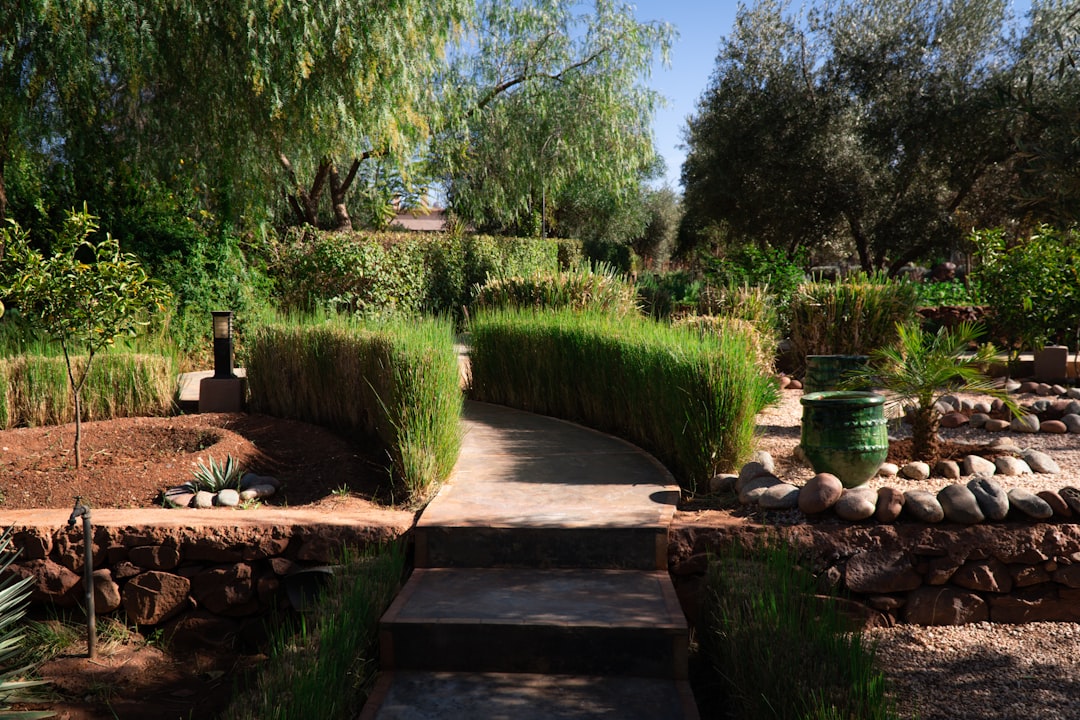
Silencing the Siding Peckers: A Gardener's Guide
Silencing the Siding Peckers: A Gardener's Guide
The Allure of Annuals China Aster in Your Garden
The Allure of Annuals China Aster in Your Garden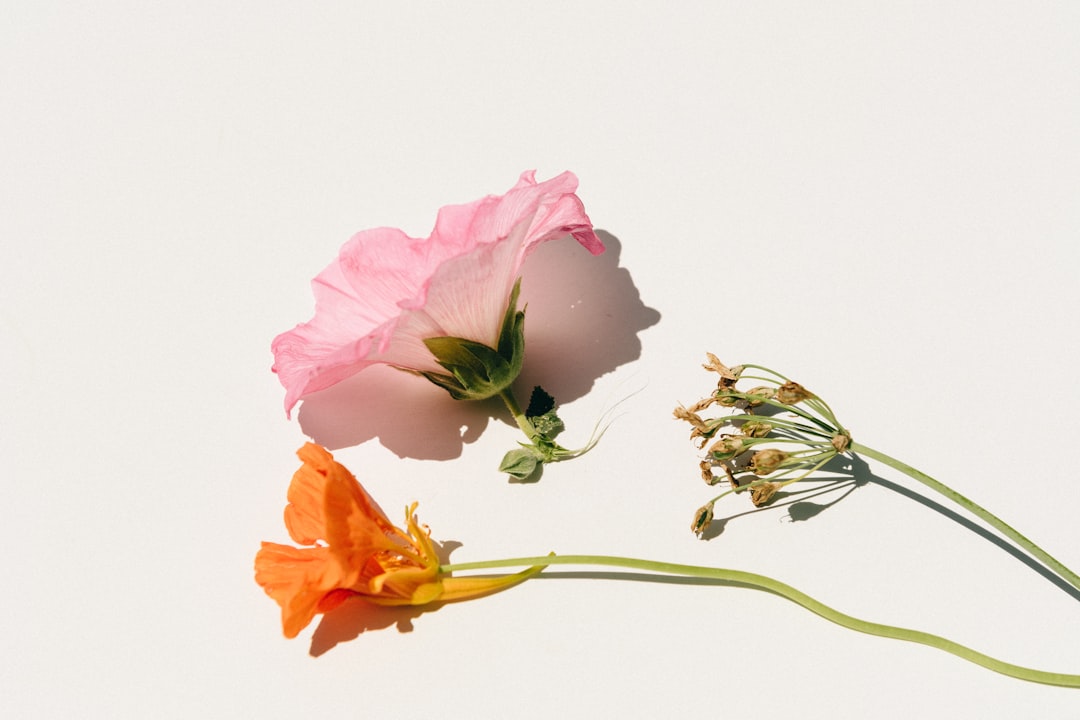
The Secret of Endless Blooms: Long - Blooming Perennials
The Secret of Endless Blooms: Long - Blooming Perennials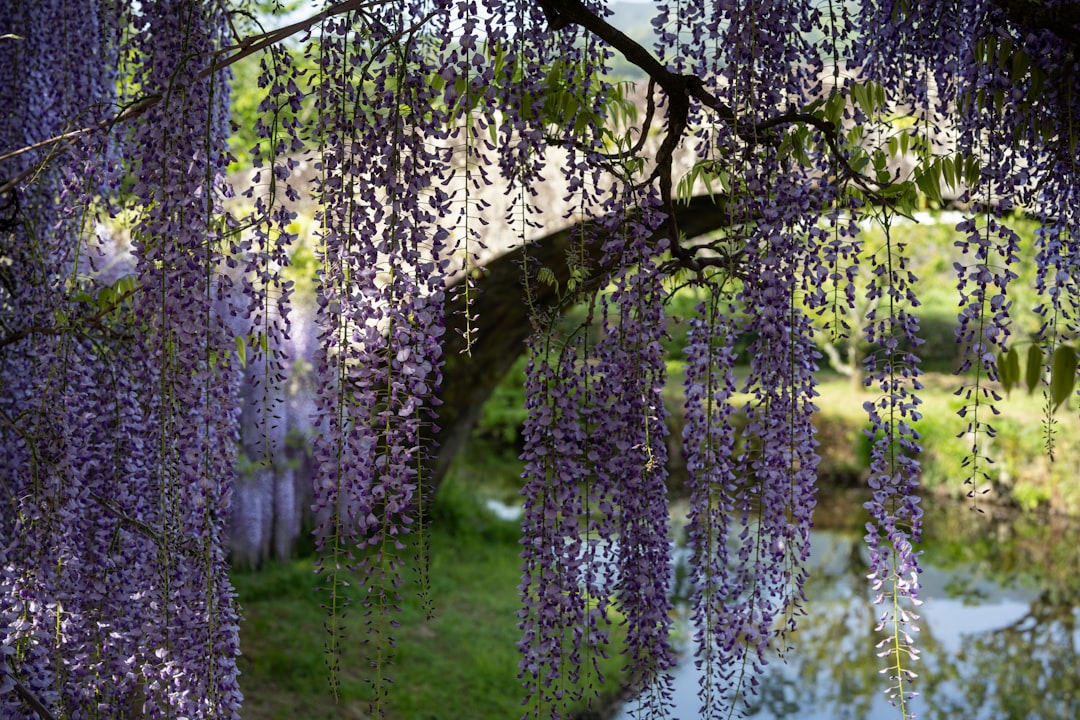
The Hardy Agave: A Cold - Resistant Floral Wonder
The Hardy Agave: A Cold - Resistant Floral Wonder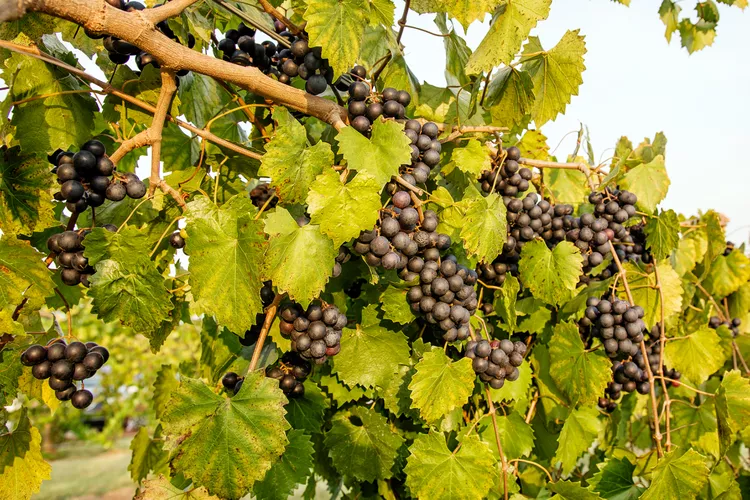
How to Plant and Grow Muscadine Grapes
Learn how to plant and grow muscadine grapes and harvest delicious fruit for fresh eating, preserves, and wine.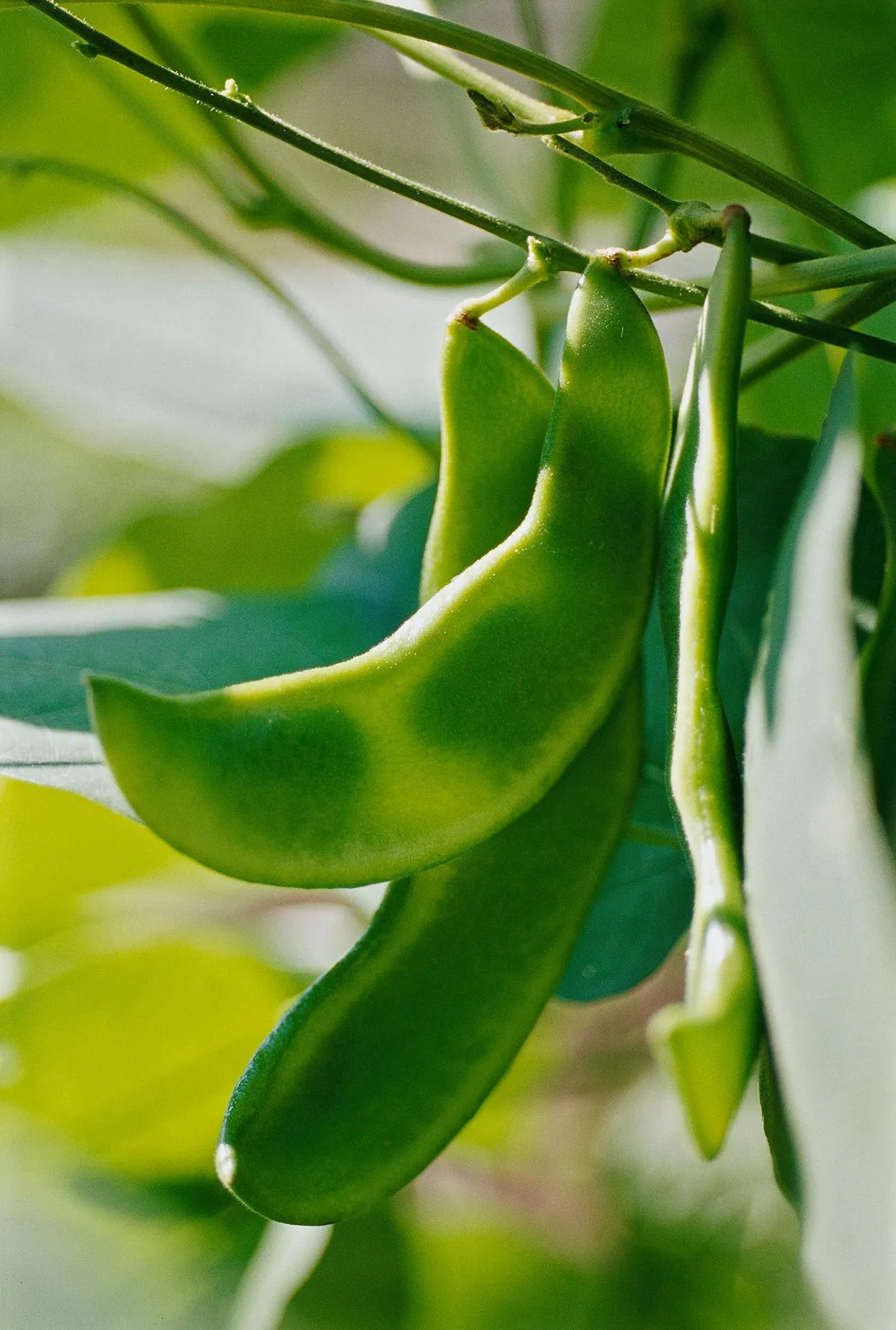
How to Plant and Grow Lima Beans
Find essential tips for growing lima beans, also known as butter beans, to pick them fresh or dry them for later use.
Unveiling the Wonders of Gourds in Your Edible Garden
Unveiling the Wonders of Gourds in Your Edible Garden
9 Tips for Companion Planting Vegetables to Boost Harvests
Companion planting is a natural and organic gardening technique that helps repel pests and grow healthier plants. Use these smart tips to start companion planting in your vegetable garden.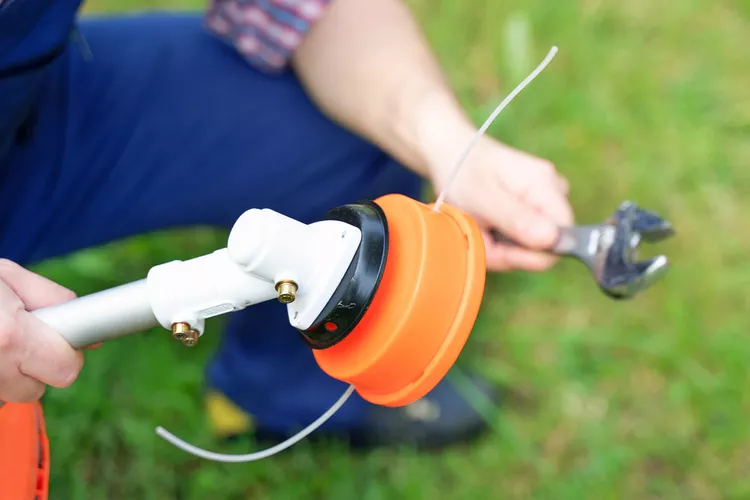
How to Restring a Weed Whacker in 4 Simple Steps
Use this step-by-step guide to properly replace the line on your weed trimmer.
Secrets to a Thriving Yard Garden
Secrets to a Thriving Yard Garden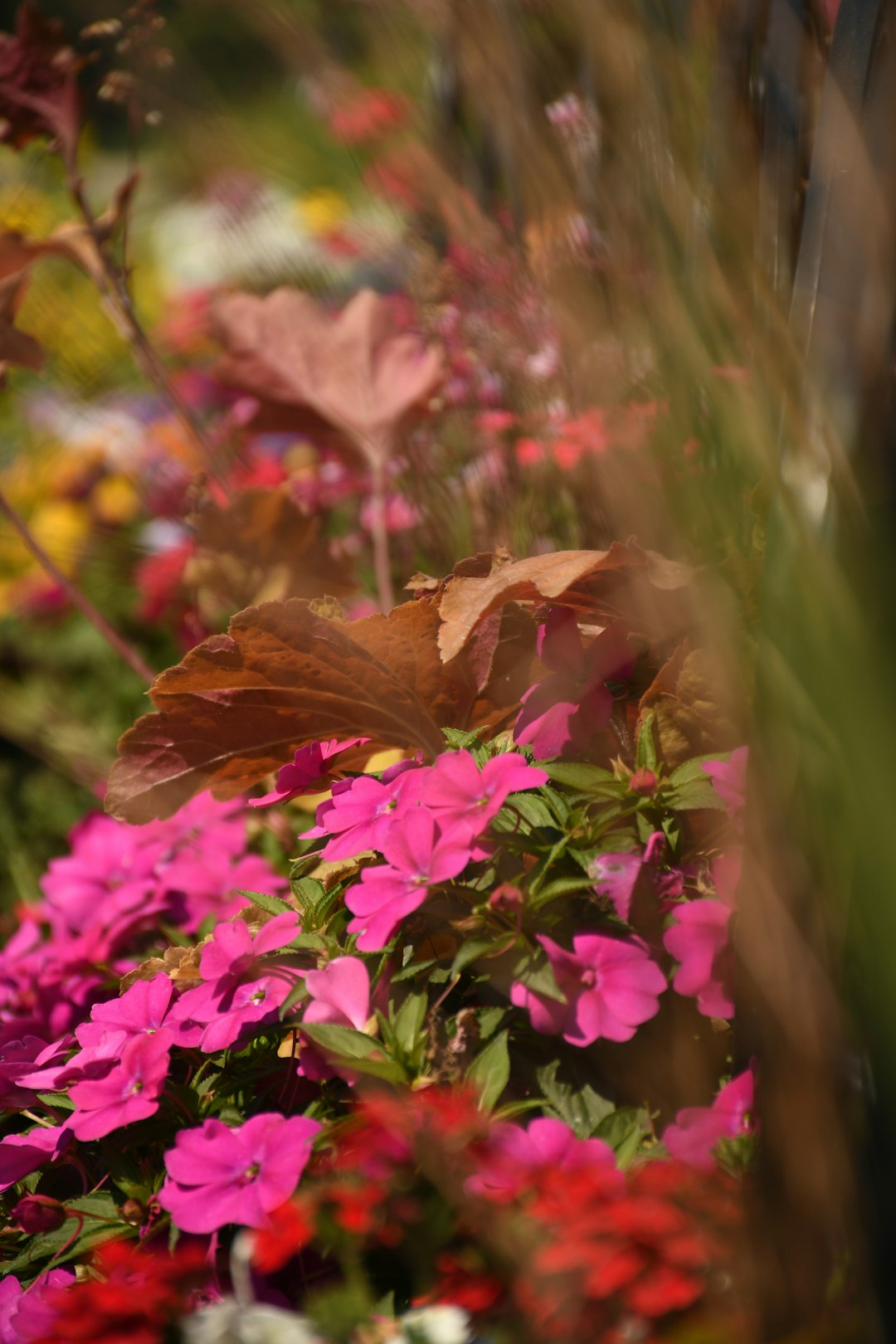
The Secret to Gorgeous Hydrangea Blooms Next Season
The Secret to Gorgeous Hydrangea Blooms Next Season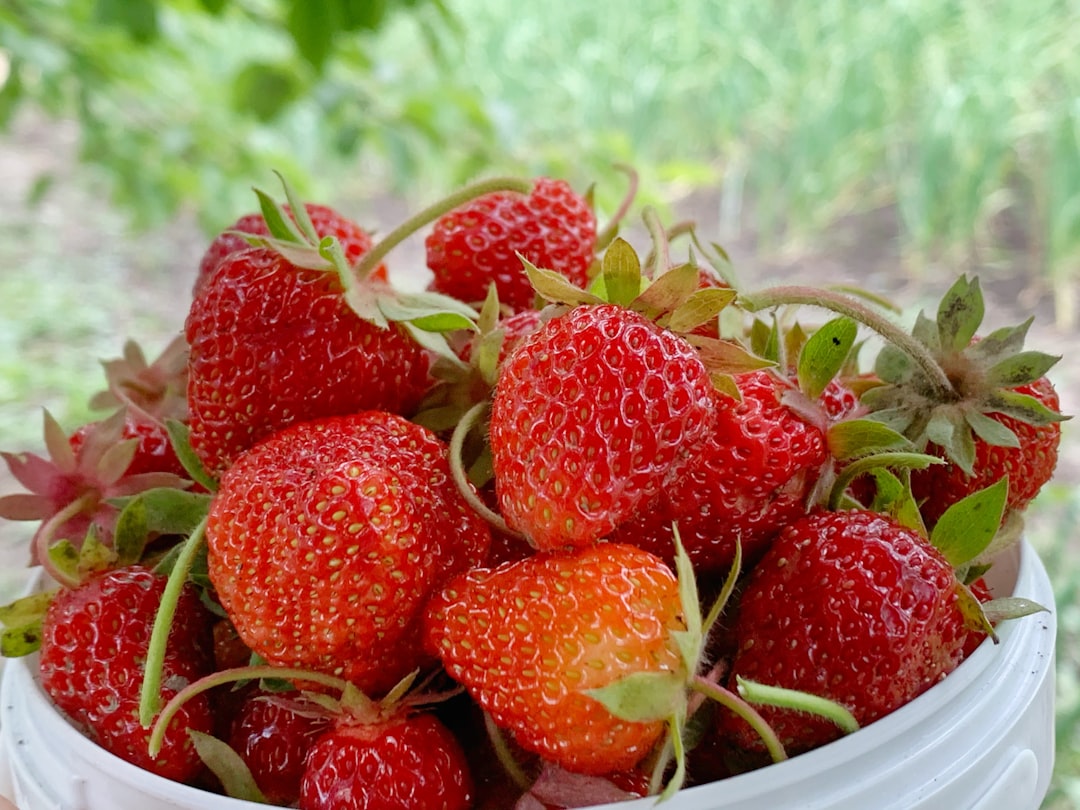
Unleash the Beauty of Your Lawn: A Guide to Perfect Mowing
Unleash the Beauty of Your Lawn: A Guide to Perfect Mowing
Guide to Soils and Potting Mixes
We know the secret to a good potters soil. We'll show you how to tell if you need to amend your soil and what plants need to thrive in your current soil conditions.
How to Use Fertilizer for Plants According to Experts
Get expert tips on fertilizing plants, including the best formulation for both houseplants and garden plants, as well as how frequently you should feed them.
How to Make a DIY Indoor Compost Bin
Make your own DIY indoor compost bin. With our tips, you'll learn how to compost and reduce your kitchen waste to help the planet.
Unveiling the Secrets of a Thriving Lawn
Unveiling the Secrets of a Thriving Lawn
15 Super Plants for Texas Landscapes
These plants are superstars in Texas gardens and landscapes. Experts recommend them for their ability to thrive in south-central climates.
Your Seasonal Lawn-Care Schedule for the Northeast
Take the guesswork out of yard work. This lawn-care calendar lets you know when to mow, aerate, fertilize, and seed your yard in the Northeast.
How to Make Compost Tea That Will Give Your Plants a Natural Boost
Learn how to make compost tea with this simple guide and recipes. Plus get tips for using compost tea to give all your plants a boost.