Maintaining a healthy and vibrant yard garden is a rewarding endeavor that requires dedication and a bit of know - how. By incorporating some simple tasks into your regular gardening routine, you can grow healthier plants and enjoy a beautiful outdoor space.
One of the fundamental aspects of yard garden care is proper watering. Water is the lifeblood of plants, and getting the watering schedule right is crucial. Most plants prefer deep, infrequent watering rather than light, frequent sprinkles. This encourages the roots to grow deeper into the soil, making the plants more resilient. For example, in the hot summer months, it's better to water your garden early in the morning or late in the evening. This reduces water evaporation and ensures that the plants have enough moisture to withstand the heat of the day. Use a soaker hose or a drip irrigation system to deliver water directly to the base of the plants, minimizing water waste.
Another important task is soil maintenance. Healthy soil is the foundation for healthy plants. You can start by testing your soil regularly to determine its pH level and nutrient content. Based on the test results, you can add the appropriate fertilizers and soil amendments. Organic matter, such as compost, is a great addition to the soil. Compost enriches the soil with nutrients, improves its structure, and enhances its water - holding capacity. Spread a layer of compost around your plants at least once a year, preferably in the spring or fall. This will provide a slow - release source of nutrients for your plants throughout the growing season.
Weeding is an often - overlooked but essential part of yard garden care. Weeds compete with your plants for water, nutrients, and sunlight. They can quickly overtake a garden if not managed properly. Make it a habit to pull weeds regularly, especially when they are small. Using a hoe or a hand weeder can make the task easier. You can also use mulch to suppress weed growth. A layer of mulch, such as wood chips or straw, not only helps to keep weeds at bay but also helps to retain soil moisture and regulate soil temperature.
Pruning is another key task in gardening. Pruning helps to shape your plants, remove dead or diseased branches, and encourage new growth. Different plants have different pruning requirements, so it's important to do some research on the specific plants in your garden. For example, fruit trees should be pruned during their dormant season to promote better fruit production. Shrubs can be pruned to maintain their shape and size. When pruning, use sharp and clean tools to prevent the spread of diseases.
Protecting your plants from pests and diseases is also vital. There are many natural and chemical methods available for pest control. For natural pest control, you can introduce beneficial insects, such as ladybugs and lacewings, which feed on common garden pests like aphids. You can also use companion planting techniques, where certain plants are grown together to repel pests. For example, marigolds are known to repel nematodes. If you need to use chemical pesticides, make sure to follow the instructions carefully and use them as a last resort.
Finally, don't forget to observe your garden regularly. Pay attention to the health of your plants, look for signs of stress, pests, or diseases. Early detection and intervention can save your plants and prevent problems from spreading. Take notes on what works and what doesn't in your garden, and adjust your gardening routine accordingly.
In conclusion, by making these simple tasks part of your regular gardening routine, you can create a yard garden that is not only beautiful but also full of healthy and thriving plants. With a little effort and care, you can enjoy the fruits (and vegetables) of your labor for years to come.
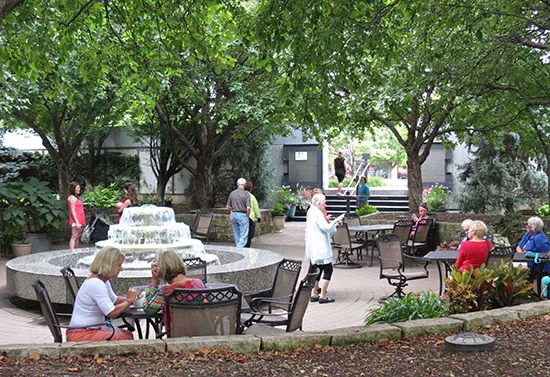
Visiting the Better Homes & Gardens Test Garden®
The BHG Test Garden is a beautiful green space that has something to see in all seasons.
Silencing the Siding Peckers: A Gardener's Guide
Silencing the Siding Peckers: A Gardener's Guide
The Allure of Annuals China Aster in Your Garden
The Allure of Annuals China Aster in Your Garden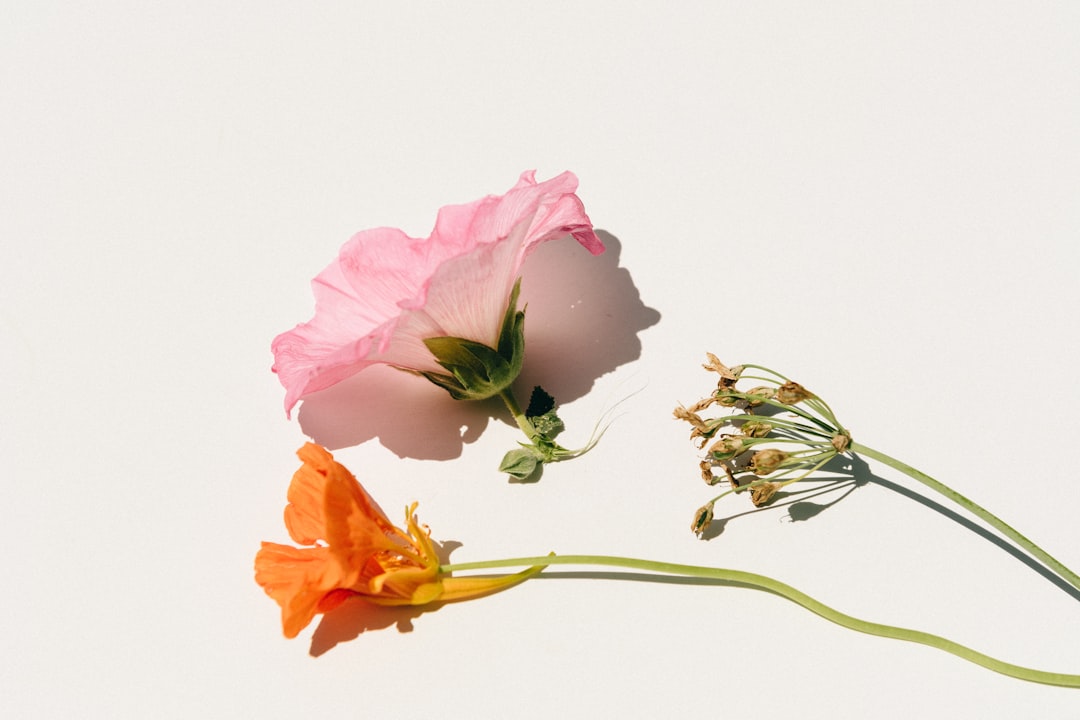
The Secret of Endless Blooms: Long - Blooming Perennials
The Secret of Endless Blooms: Long - Blooming Perennials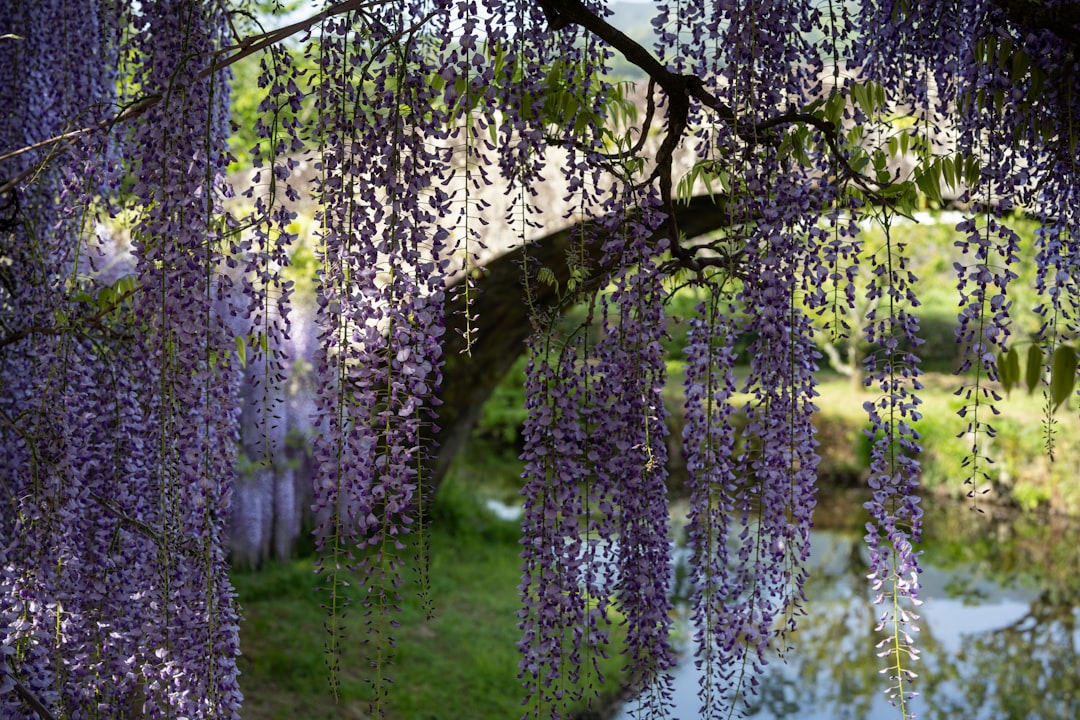
The Hardy Agave: A Cold - Resistant Floral Wonder
The Hardy Agave: A Cold - Resistant Floral Wonder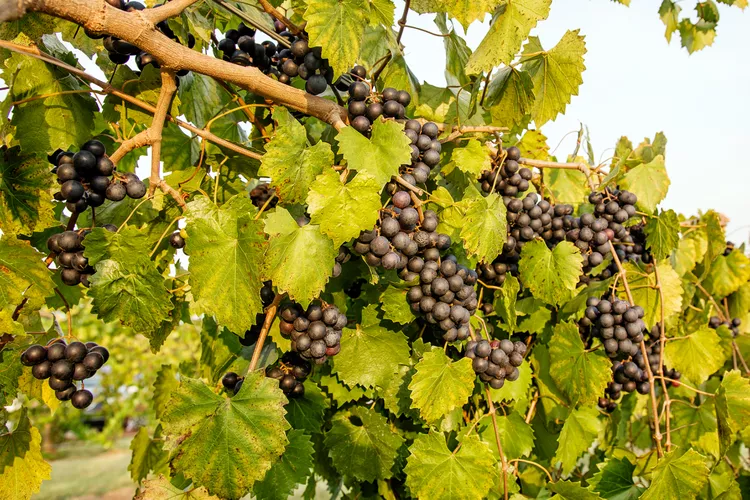
How to Plant and Grow Muscadine Grapes
Learn how to plant and grow muscadine grapes and harvest delicious fruit for fresh eating, preserves, and wine.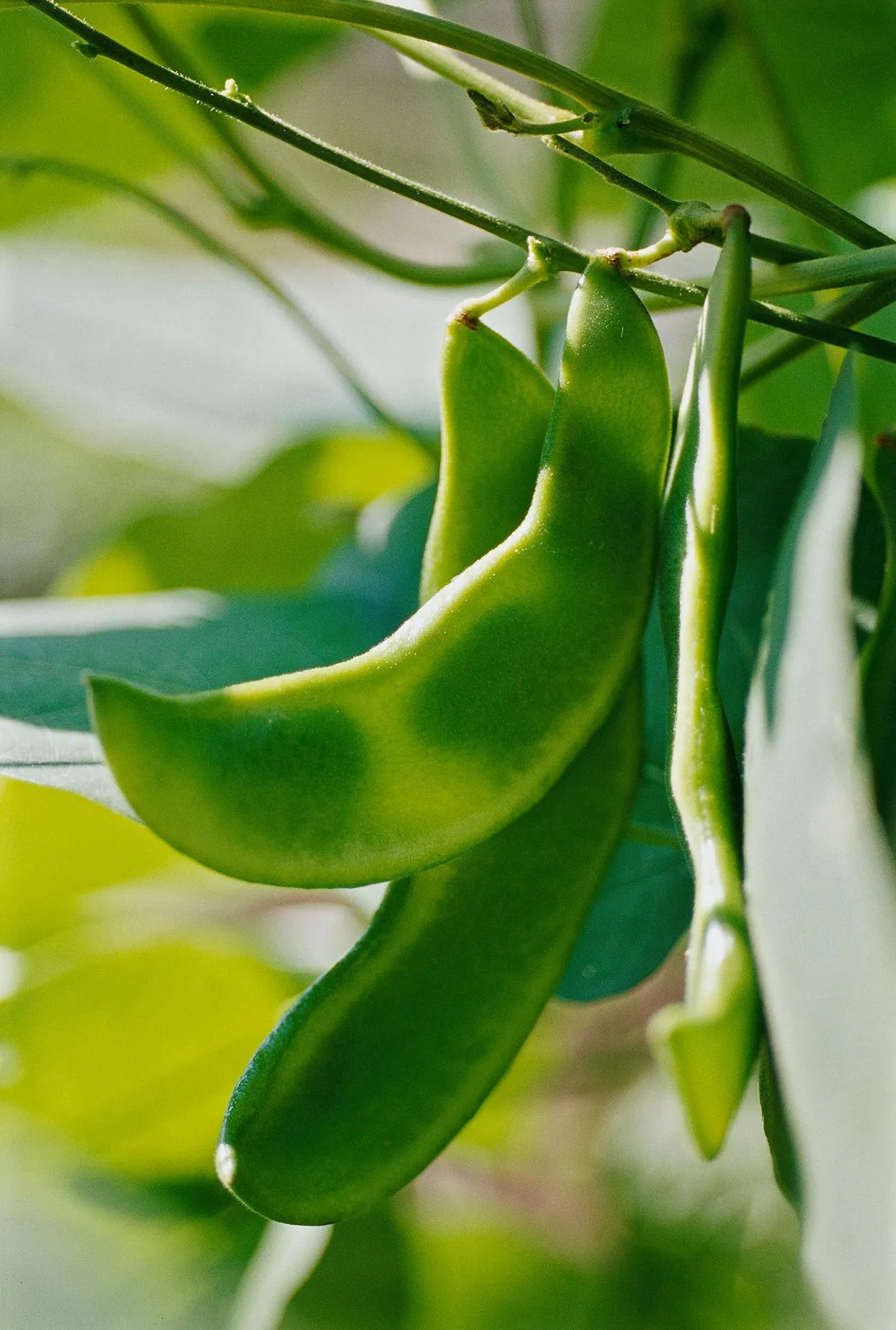
How to Plant and Grow Lima Beans
Find essential tips for growing lima beans, also known as butter beans, to pick them fresh or dry them for later use.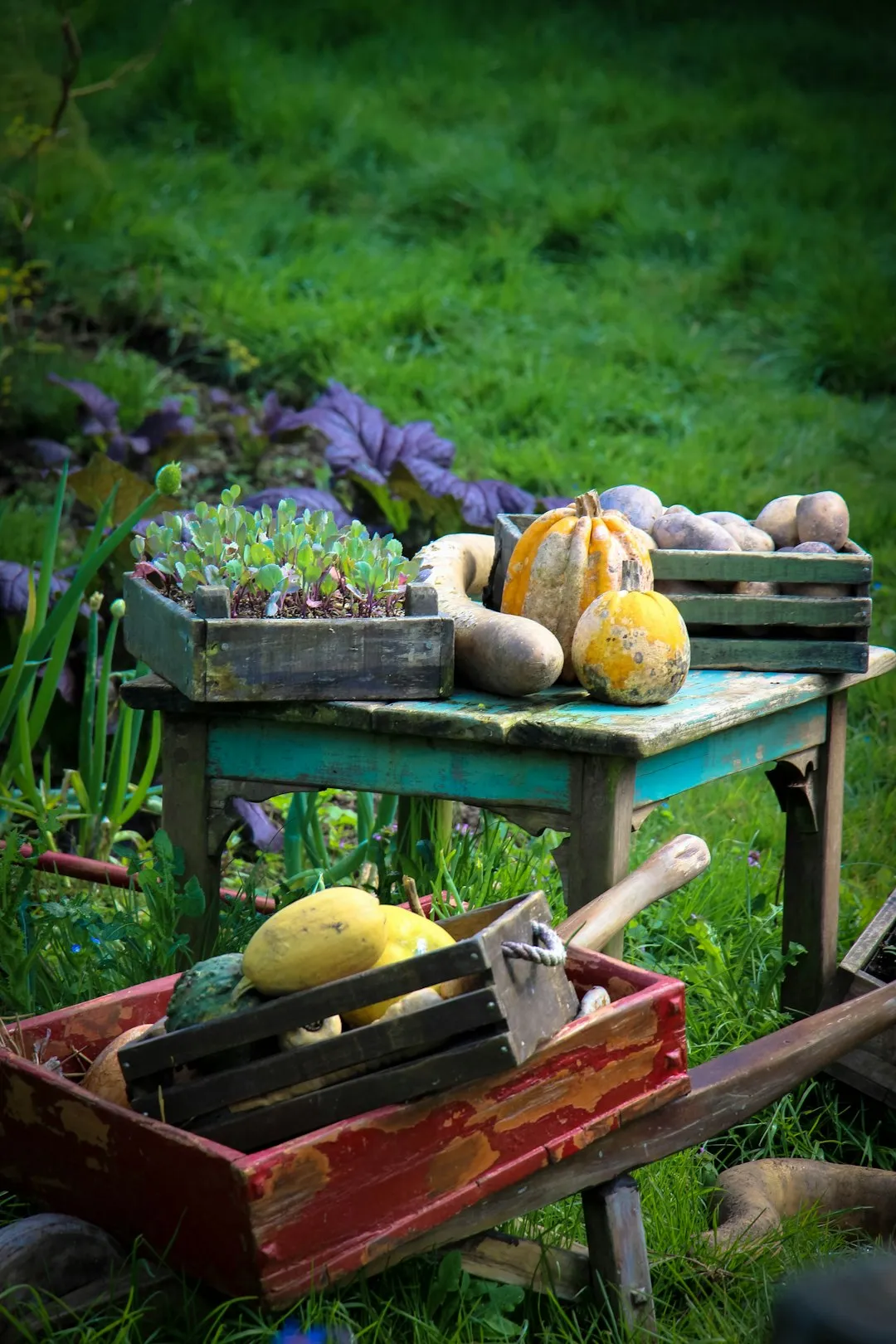
Unveiling the Wonders of Gourds in Your Edible Garden
Unveiling the Wonders of Gourds in Your Edible Garden
9 Tips for Companion Planting Vegetables to Boost Harvests
Companion planting is a natural and organic gardening technique that helps repel pests and grow healthier plants. Use these smart tips to start companion planting in your vegetable garden.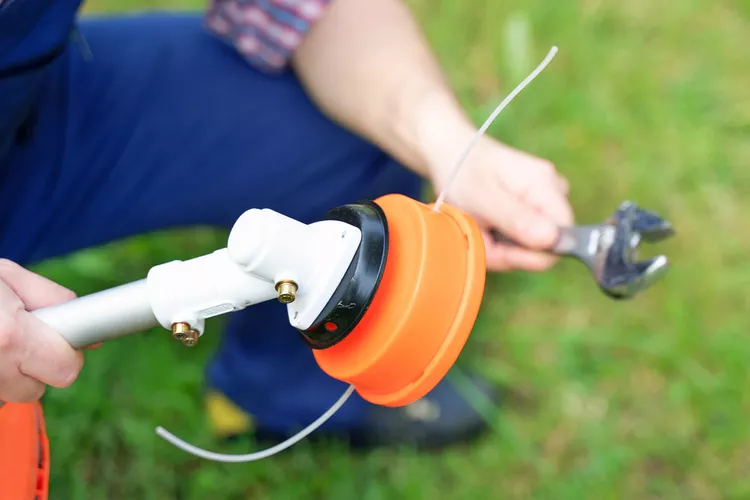
How to Restring a Weed Whacker in 4 Simple Steps
Use this step-by-step guide to properly replace the line on your weed trimmer.
Secrets to a Thriving Yard Garden
Secrets to a Thriving Yard Garden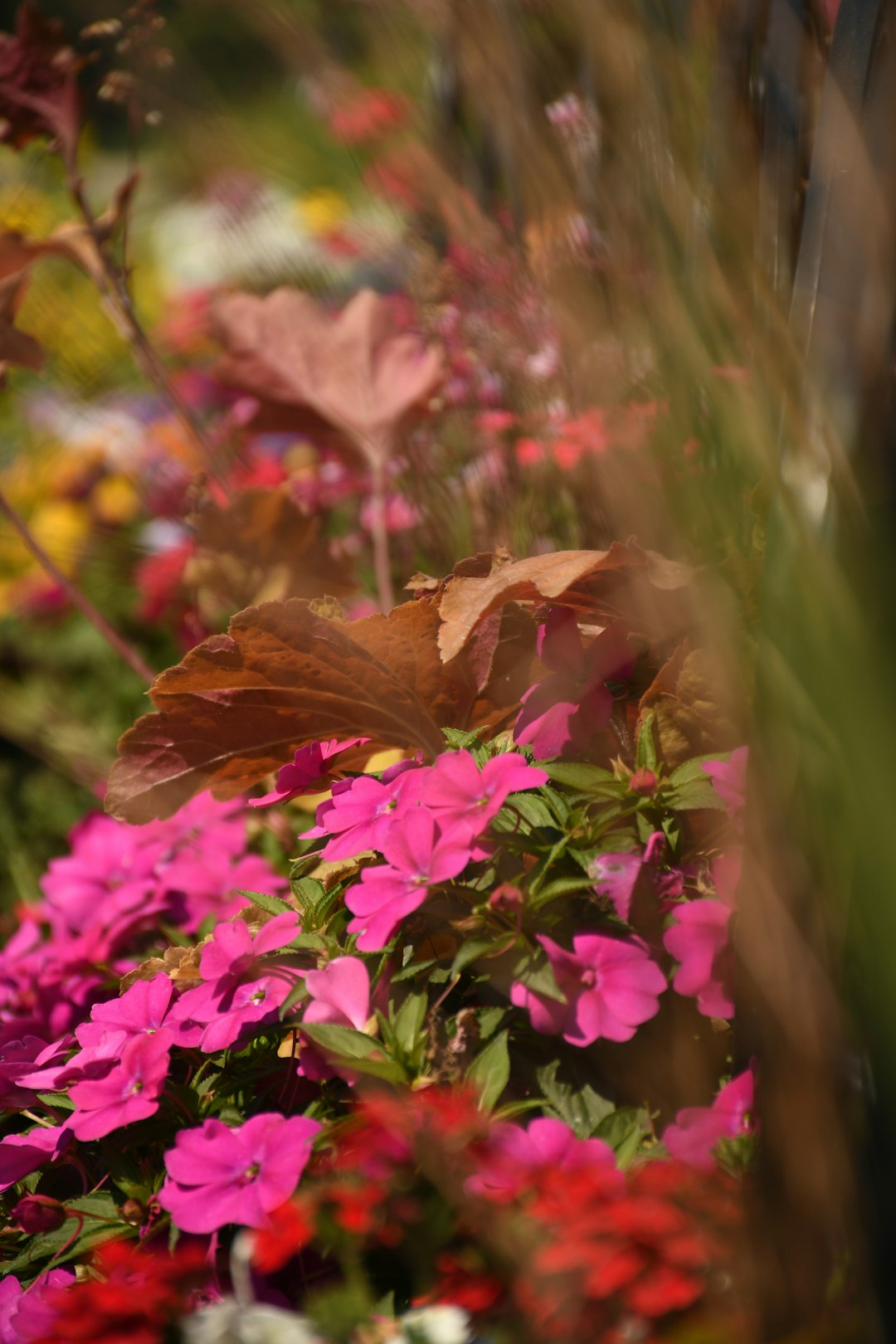
The Secret to Gorgeous Hydrangea Blooms Next Season
The Secret to Gorgeous Hydrangea Blooms Next Season
Unleash the Beauty of Your Lawn: A Guide to Perfect Mowing
Unleash the Beauty of Your Lawn: A Guide to Perfect Mowing
Guide to Soils and Potting Mixes
We know the secret to a good potters soil. We'll show you how to tell if you need to amend your soil and what plants need to thrive in your current soil conditions.
How to Use Fertilizer for Plants According to Experts
Get expert tips on fertilizing plants, including the best formulation for both houseplants and garden plants, as well as how frequently you should feed them.
How to Make a DIY Indoor Compost Bin
Make your own DIY indoor compost bin. With our tips, you'll learn how to compost and reduce your kitchen waste to help the planet.
Unveiling the Secrets of a Thriving Lawn
Unveiling the Secrets of a Thriving Lawn
15 Super Plants for Texas Landscapes
These plants are superstars in Texas gardens and landscapes. Experts recommend them for their ability to thrive in south-central climates.
Your Seasonal Lawn-Care Schedule for the Northeast
Take the guesswork out of yard work. This lawn-care calendar lets you know when to mow, aerate, fertilize, and seed your yard in the Northeast.
How to Make Compost Tea That Will Give Your Plants a Natural Boost
Learn how to make compost tea with this simple guide and recipes. Plus get tips for using compost tea to give all your plants a boost.