
The dramatic seasonal swings in the Northeast can make lawn care tricky. As if merely keeping your grass alive and green with the right lawn fertilizer schedule isn't hard enough, you also have to pick the right variety of grass to suit your climate and decide when to aerate, mow, and water it. As tempting as it is to just let the weeds take over, we have a better idea: Take the hassle out of lawn maintenance with this handy seasonal schedule, which walks you from spring through fall lawn care in the Northeast. (Yes, you get the winter off!) Now sharpen your mower blades, and grab your smartphone to set those reminders to fertilize.
Spring
Think of spring as the start of yard season. Set your grass up for all-year-long success by tackling the basics from March to June, and the rest of the growing season will be a breeze.
Maintaining Your Mower
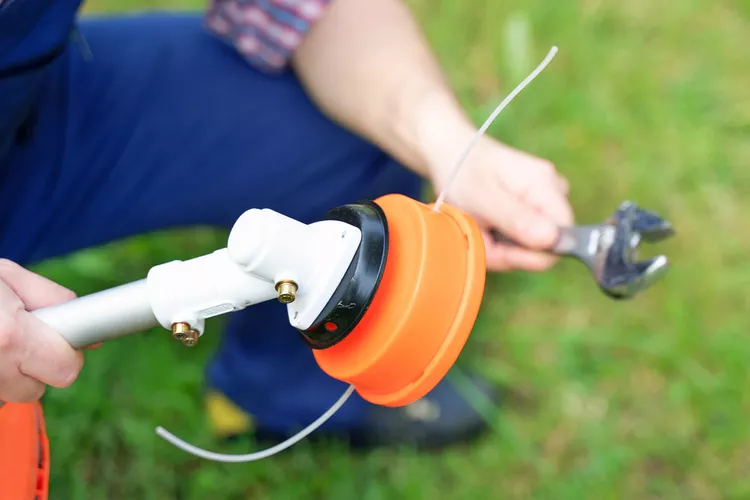
Before you even step foot onto your lawn, tend to your mower. Bring your grass cutter in for service in early spring—that way, you'll beat the rush, and your most critical tool will be in tip-top shape when you need it. Make sure to sharpen the blades so they cut evenly and efficiently.
Mowing
How do you know when it's time to mow? Wait until your grass is about three inches tall, then set your blade height so you only trim an inch or so at a time. It's best to keep most turf types in this region at least two inches tall—this helps the grass ward off weeds and withstand summer drought later in the year.
Starting a New Lawn
Though fall is the ideal time to start a new lawn from seed, you can also do it in the spring. Don't wait until the latter part of the season, though—you want to give your grass a chance to grow in and establish itself before the summer heat arrives. Once daytime temperatures hit the 60s, you can start seeding; check the forecast to make sure a spring rain isn't on the way to avoid washout.
Aerating
Compacted soil can be a major culprit behind grass that just won't thicken up. If it's difficult to stick a shovel into your soil and you have persistent bald patches, this may be your problem—and fortunately, there's an easy fix: aeration. Pulling up cylindrical plugs of soil when your grass is actively growing enables the roots to reach deeper and the soil to better absorb moisture.
Fertilizing
A quick application of lawn food in early spring will help launch your yard into the hot months with staying power. Keep your sprinkling light (hint: it's easier to consistently apply granules than to spray), and use a slow-release or organic formulation. The ideal time to fertilize is 24 to 48 hours before your first time mowing; depending on the type of fertilizer you choose, you can reapply every four to eight weeks throughout spring and summer.
Summer
Summer is all about maintaining the strong start you established in the spring. A big part of your summertime duties: keeping an eye on your grass to gauge what it needs when, since temperature and rain can vary from week to week.
Mowing
Watch how your lawn grows. During hot, dry periods, it may only need to be cut every two or three weeks, once the grass is about three inches tall; consider raising the blades on your mower if your grass starts looking scorched. During cool or moist periods, your yard may need mowing twice a week. On average, expect to crank up the lawnmower once a week during the summer.
Watering
It's fine to let your grass go dormant during drought. It'll turn brown, but will stay alive, and then will go green and start growing when the rain comes again. If you don't want a brown summer lawn, select drought-tolerant types (such as buffalo grass), or plan on giving your yard about one inch of water a week. If you have sprinklers with a timer, set them to water your lawn between 4 and 8 a.m.
Fall
If you live anywhere from Maine to New Jersey, you know that fall lawn care is all about clean-up and prepping for next year. Knock out these tasks when the weather starts to cool, and you'll enjoy an easier spring.
Fertilizing
If you only fertilize your lawn once a year, fall is the time to do it. Consider laying down a light application in early fall, then repeat the process in the later part of the season.
Mowing
As temperatures cool, your lawn will begin growing faster, so you'll probably need to mow on a consistent weekly schedule through the end of the season. When the first foliage starts to fall, use the mulching setting on your mower, and leave the chopped-up leaves atop your grass as fertilizer. As they decompose, they'll make your soil composition healthier.
Cleaning Up
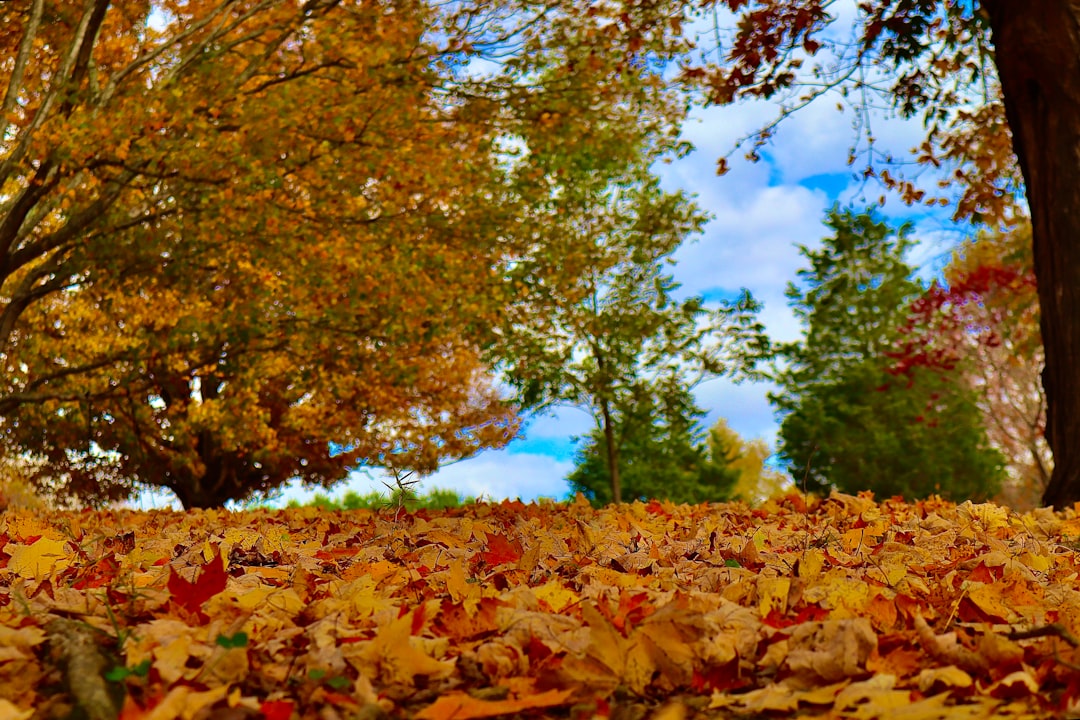
Once you hit the height of fall, you'll need to start cleaning up the leaves, since just chopping them as you mow will leave too thick a layer and could smother your grass. If you don't have the time (or patience!) to rake, you can make several passes over your lawn with a mulching mower to more finely chop them. Repeat this every couple of weeks.
Overseeding
Most grasses in this region thrive in cool temperatures, making autumn the ideal time to overseed. Lay down your new grass seed about a month before your area's typical first frost date, allowing it to take root before the ground is too cold.
Aerating
As mentioned earlier, cooler autumn temperatures mean your grass will grow faster, so it's a great time to aerate, loosening any compacted soil and letting those roots reach deeper.
The last step of the year is winterizing your lawn and mower, preparing you to jump in again come spring. Then sit back and enjoy the view: Following this lawn-care schedule is a big step toward a thriving lawn, and it will only become easier with each passing season.