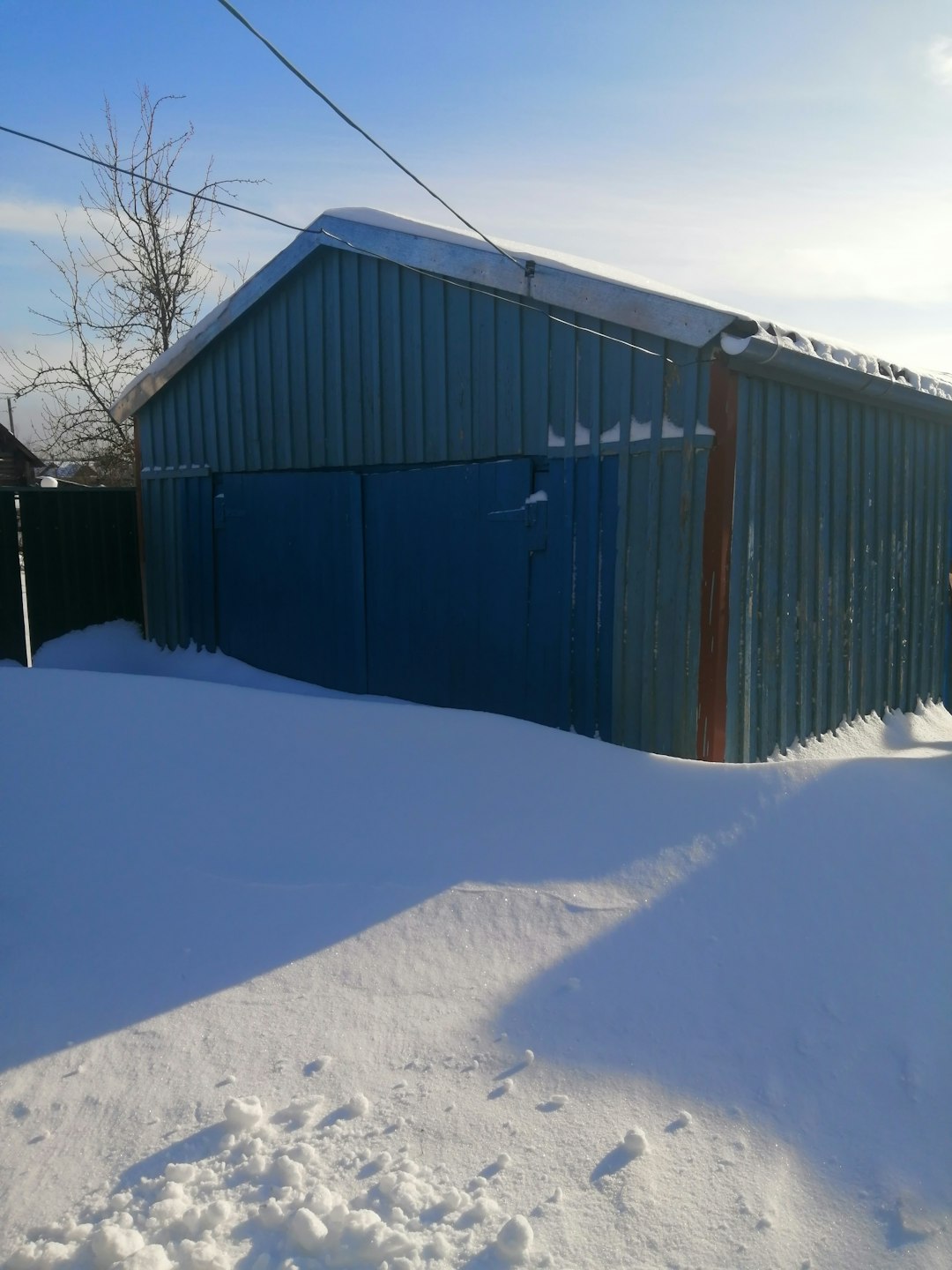
As the cold winter months approach, many nature lovers and garden enthusiasts feel a strong urge to help the local wildlife, especially deer. However, feeding deer in the winter can do more harm than good. In this article, we'll explore why this is the case and provide expert tips on better ways to support wildlife during the colder months.
Deer have evolved over thousands of years to adapt to the natural seasonal changes in their environment. Their digestive systems are specifically tuned to the types of food available in different seasons. In winter, their diet naturally consists of woody browse, such as twigs, buds, and bark. These food sources are high in fiber and relatively low in energy, which is what their bodies are accustomed to processing.
When humans start feeding deer in the winter, they often offer foods like corn, hay, or grains. These foods are much higher in energy and lower in fiber compared to the deer's natural winter diet. Introducing such foods suddenly can disrupt the delicate balance of bacteria in the deer's rumen, the first chamber of their stomach. This can lead to a condition called acidosis, which is a serious and potentially fatal digestive disorder. Acidosis occurs when the pH level in the rumen drops too low, causing the bacteria to die off and the deer to experience severe abdominal pain, diarrhea, and even death.
Another problem with winter deer feeding is that it can lead to overcrowding. When deer are attracted to a feeding site, they gather in large numbers. This overcrowding increases the risk of disease transmission among the deer population. Diseases such as chronic wasting disease (CWD), which is a fatal neurological disorder, can spread more easily in these concentrated groups. Additionally, overcrowding can also lead to increased competition for food, which can cause stress and malnutrition among the deer.
Feeding deer can also disrupt their natural behavior and migration patterns. Deer are used to searching for food over a wide area, which helps them stay active and healthy. When they are provided with a reliable food source in one location, they may become dependent on it and stop migrating or exploring their natural habitat. This can have long - term negative impacts on the deer population and the overall ecosystem.
So, if feeding deer in the winter is not a good idea, what can we do to help wildlife during the colder months? One of the best ways is to create a wildlife - friendly garden. Plant native trees, shrubs, and plants that provide natural food sources for deer and other wildlife throughout the year. For example, oak trees produce acorns, which are a valuable food source for deer in the fall and winter. Native shrubs like sumac and dogwood also offer berries and twigs that deer can eat.
Another important aspect of a wildlife - friendly garden is to provide shelter. Deer need places to rest, hide from predators, and stay warm during the winter. You can create brush piles or leave dead trees standing in your garden. These natural structures provide excellent shelter for deer and other small animals. Additionally, you can also build small shelters or nesting boxes for birds and other wildlife.
Water is also crucial for wildlife in the winter. As water sources freeze, it can be difficult for deer and other animals to find drinking water. You can set up a heated birdbath or a small water trough that is kept from freezing. This will ensure that wildlife has access to clean water throughout the winter.
We can also support local wildlife conservation efforts. Many organizations work to protect natural habitats and manage wildlife populations. By donating to these organizations or volunteering your time, you can help ensure that deer and other wildlife have the resources they need to survive the winter. You can also advocate for policies that protect wildlife habitats and prevent the destruction of natural areas.
In conclusion, while our intentions may be good when we want to feed deer in the winter, it's important to understand the potential negative consequences. By creating wildlife - friendly gardens, providing shelter and water, and supporting conservation efforts, we can help wildlife in a more sustainable and beneficial way. Let's work together to ensure that our local wildlife thrives during the cold winter months and beyond.
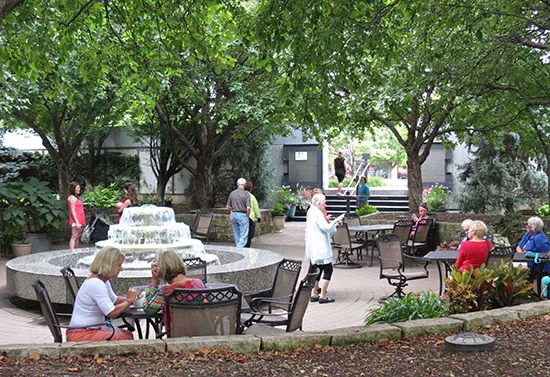
Visiting the Better Homes & Gardens Test Garden®
The BHG Test Garden is a beautiful green space that has something to see in all seasons.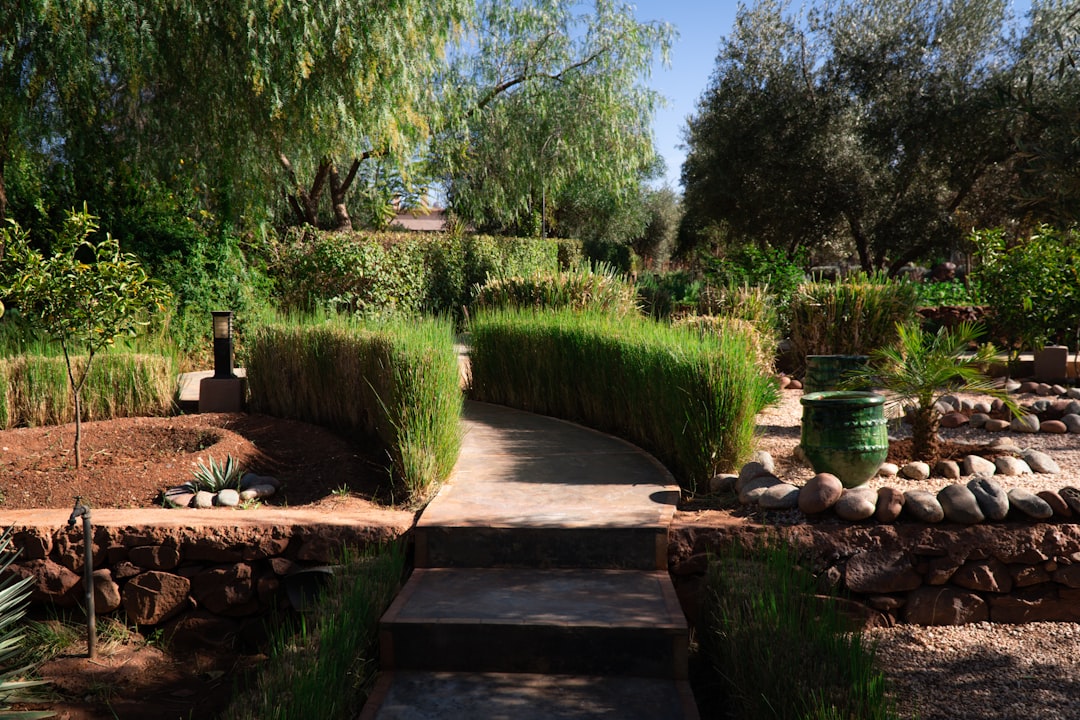
Silencing the Siding Peckers: A Gardener's Guide
Silencing the Siding Peckers: A Gardener's Guide
The Allure of Annuals China Aster in Your Garden
The Allure of Annuals China Aster in Your Garden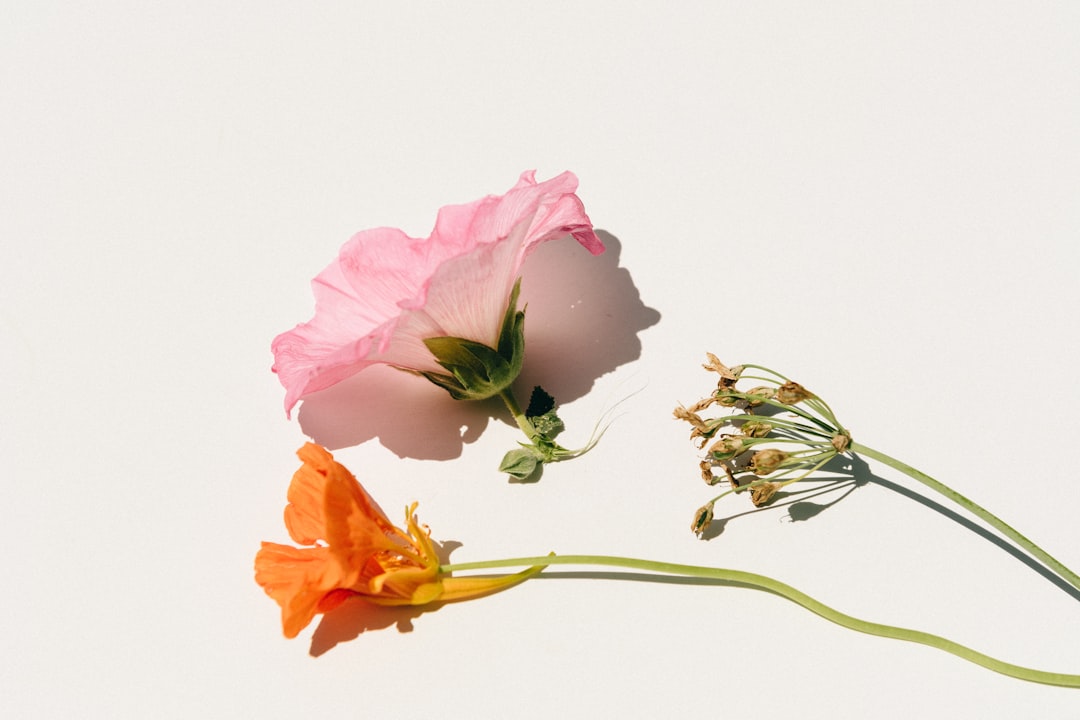
The Secret of Endless Blooms: Long - Blooming Perennials
The Secret of Endless Blooms: Long - Blooming Perennials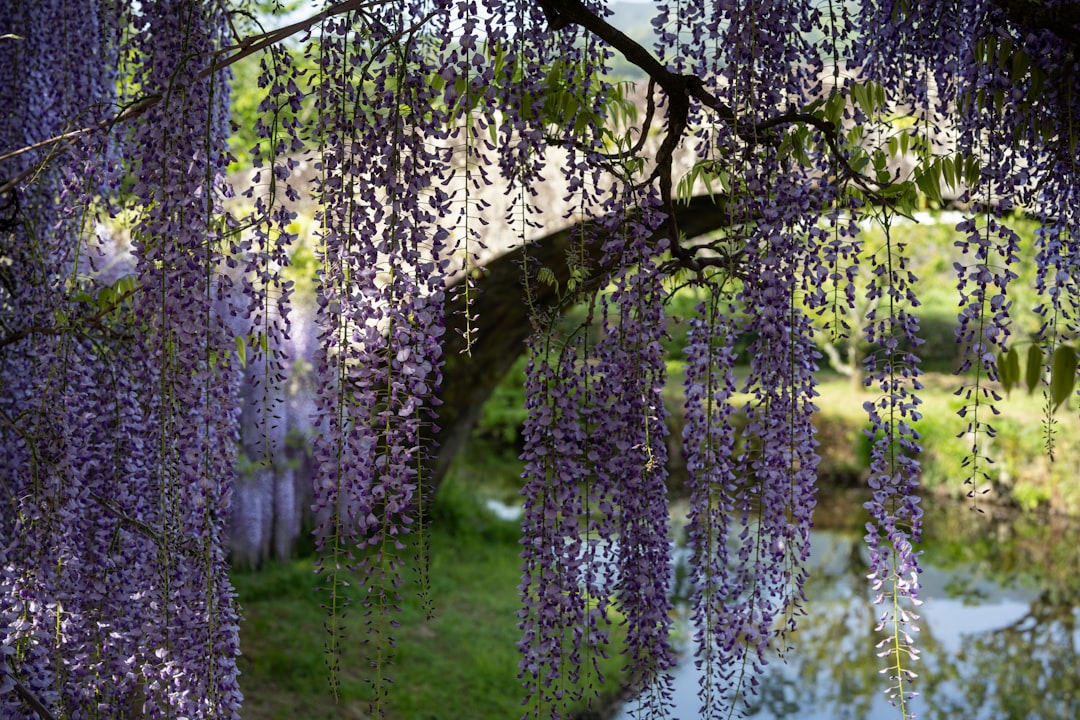
The Hardy Agave: A Cold - Resistant Floral Wonder
The Hardy Agave: A Cold - Resistant Floral Wonder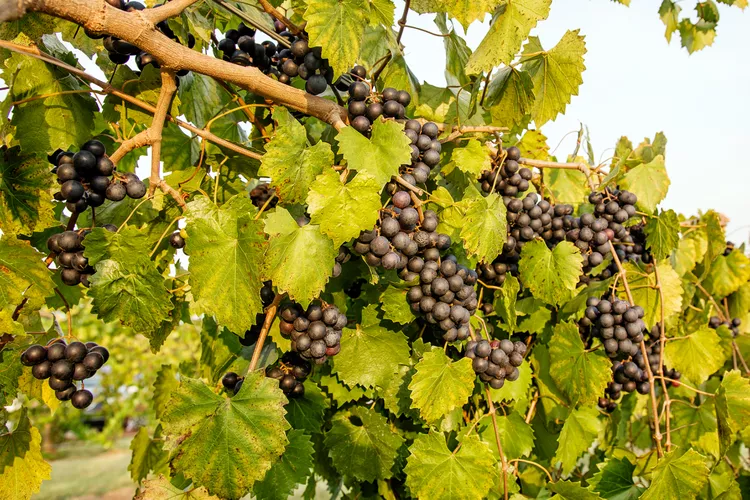
How to Plant and Grow Muscadine Grapes
Learn how to plant and grow muscadine grapes and harvest delicious fruit for fresh eating, preserves, and wine.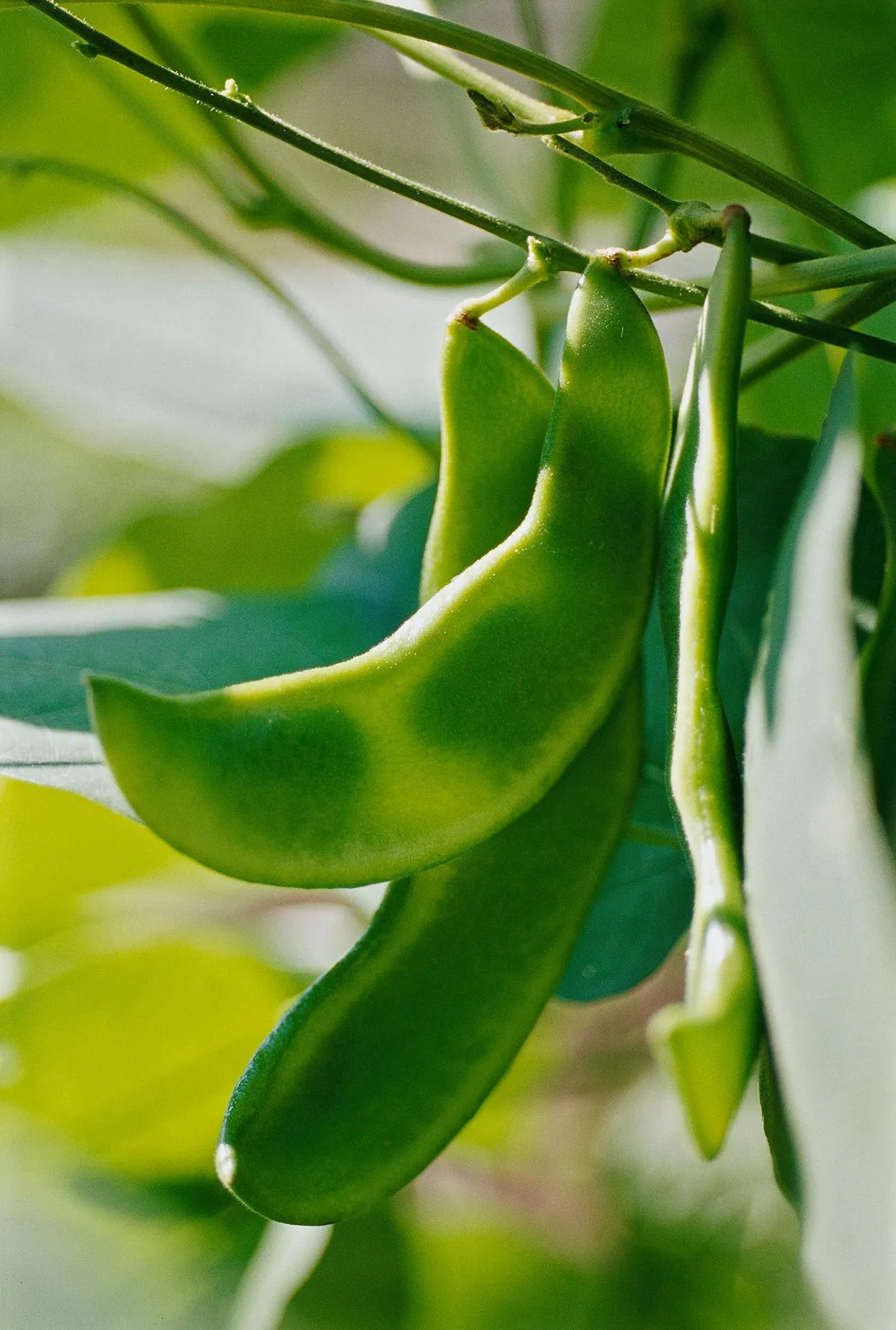
How to Plant and Grow Lima Beans
Find essential tips for growing lima beans, also known as butter beans, to pick them fresh or dry them for later use.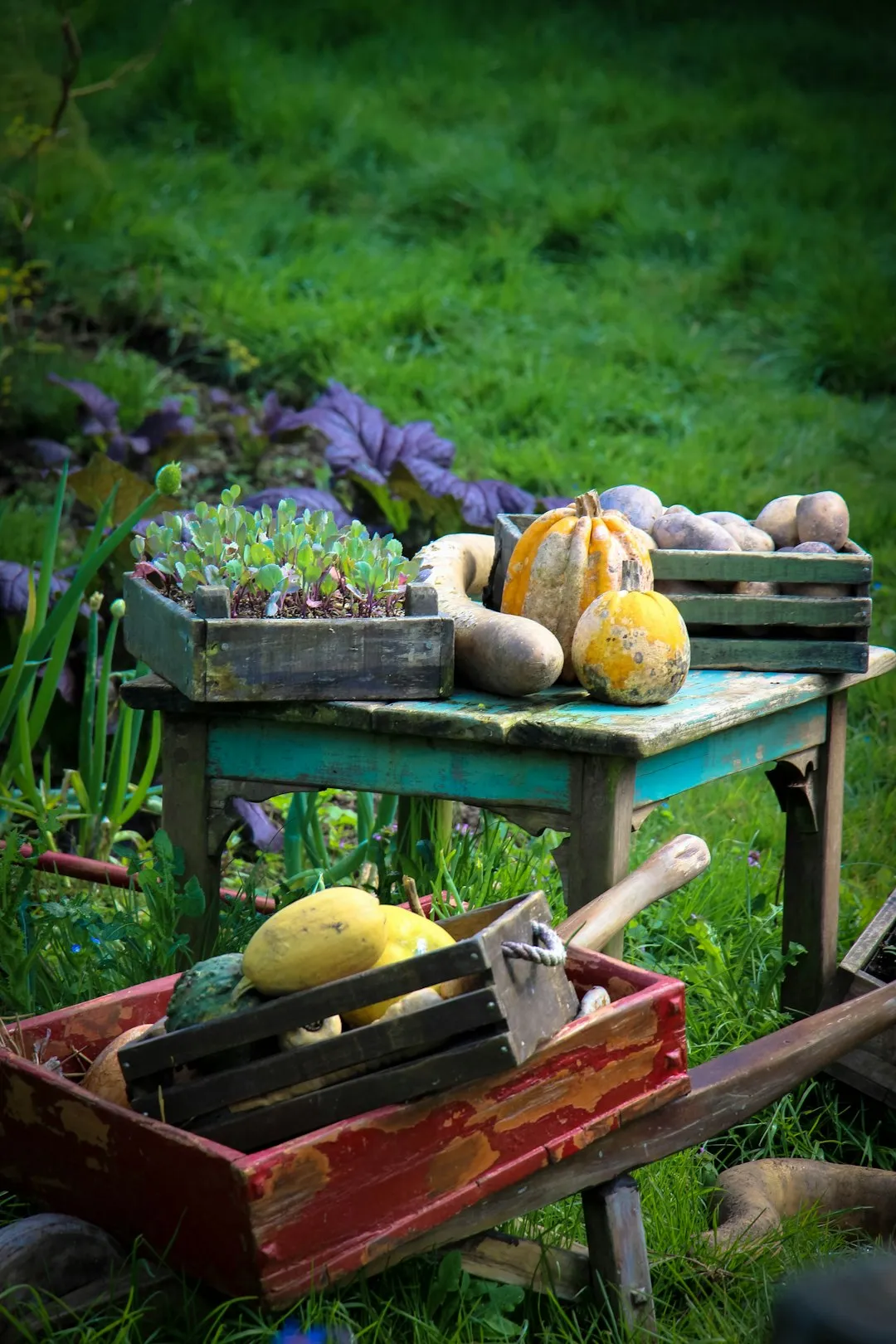
Unveiling the Wonders of Gourds in Your Edible Garden
Unveiling the Wonders of Gourds in Your Edible Garden
9 Tips for Companion Planting Vegetables to Boost Harvests
Companion planting is a natural and organic gardening technique that helps repel pests and grow healthier plants. Use these smart tips to start companion planting in your vegetable garden.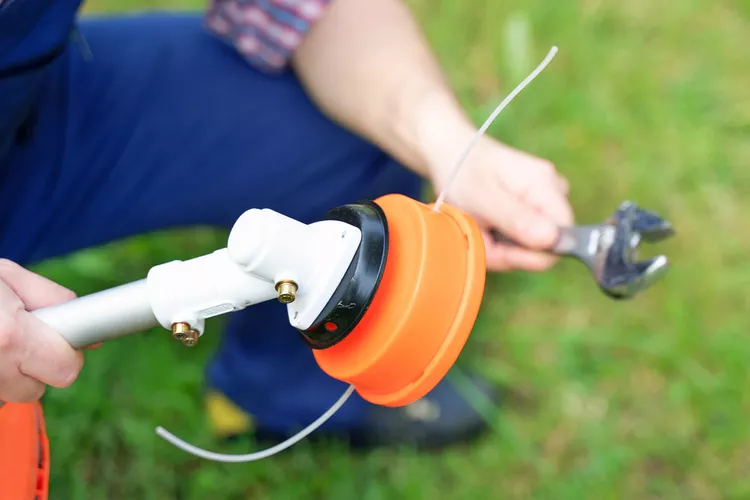
How to Restring a Weed Whacker in 4 Simple Steps
Use this step-by-step guide to properly replace the line on your weed trimmer.
Secrets to a Thriving Yard Garden
Secrets to a Thriving Yard Garden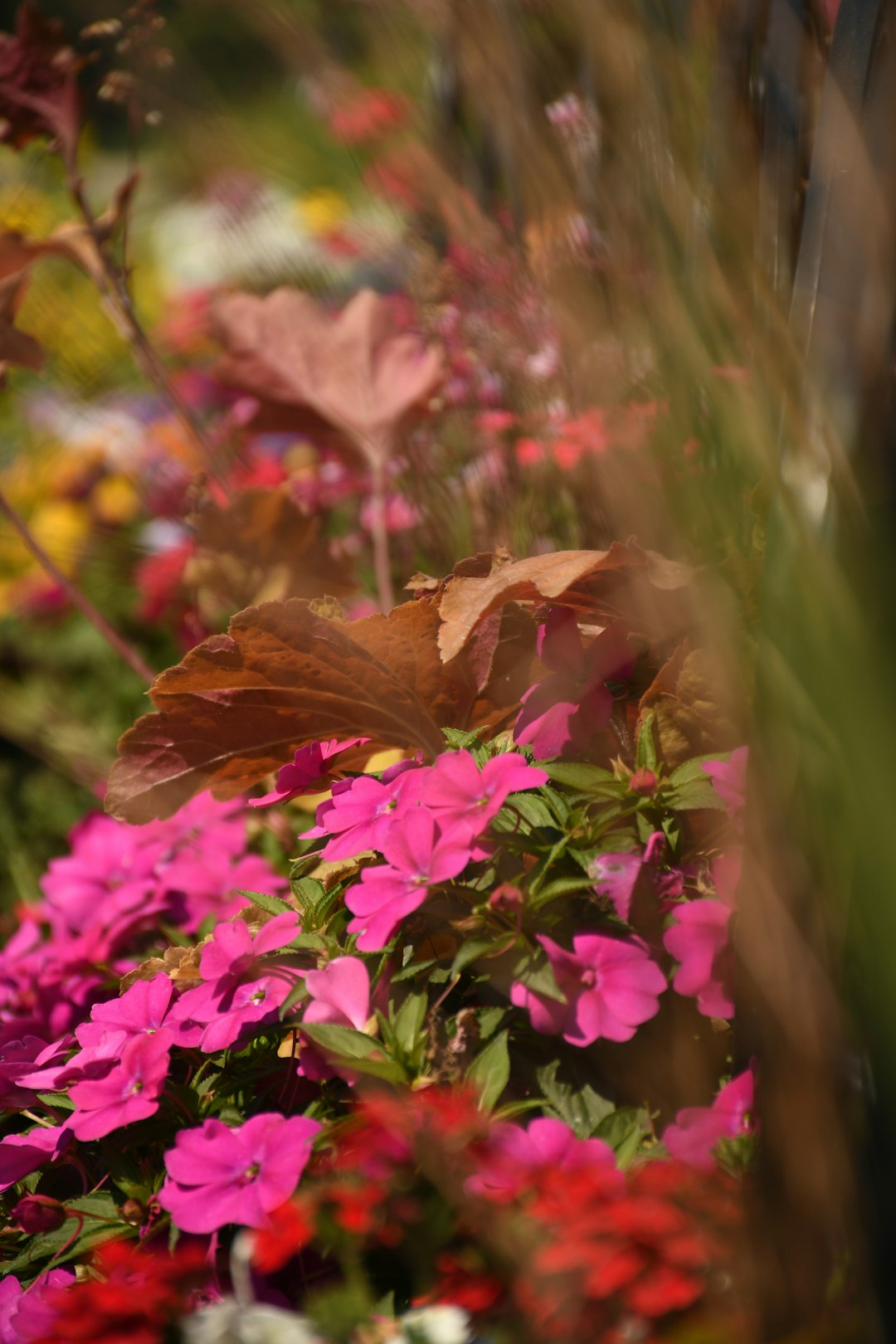
The Secret to Gorgeous Hydrangea Blooms Next Season
The Secret to Gorgeous Hydrangea Blooms Next Season
Unleash the Beauty of Your Lawn: A Guide to Perfect Mowing
Unleash the Beauty of Your Lawn: A Guide to Perfect Mowing
Guide to Soils and Potting Mixes
We know the secret to a good potters soil. We'll show you how to tell if you need to amend your soil and what plants need to thrive in your current soil conditions.
How to Use Fertilizer for Plants According to Experts
Get expert tips on fertilizing plants, including the best formulation for both houseplants and garden plants, as well as how frequently you should feed them.
How to Make a DIY Indoor Compost Bin
Make your own DIY indoor compost bin. With our tips, you'll learn how to compost and reduce your kitchen waste to help the planet.
Unveiling the Secrets of a Thriving Lawn
Unveiling the Secrets of a Thriving Lawn
15 Super Plants for Texas Landscapes
These plants are superstars in Texas gardens and landscapes. Experts recommend them for their ability to thrive in south-central climates.
Your Seasonal Lawn-Care Schedule for the Northeast
Take the guesswork out of yard work. This lawn-care calendar lets you know when to mow, aerate, fertilize, and seed your yard in the Northeast.
How to Make Compost Tea That Will Give Your Plants a Natural Boost
Learn how to make compost tea with this simple guide and recipes. Plus get tips for using compost tea to give all your plants a boost.