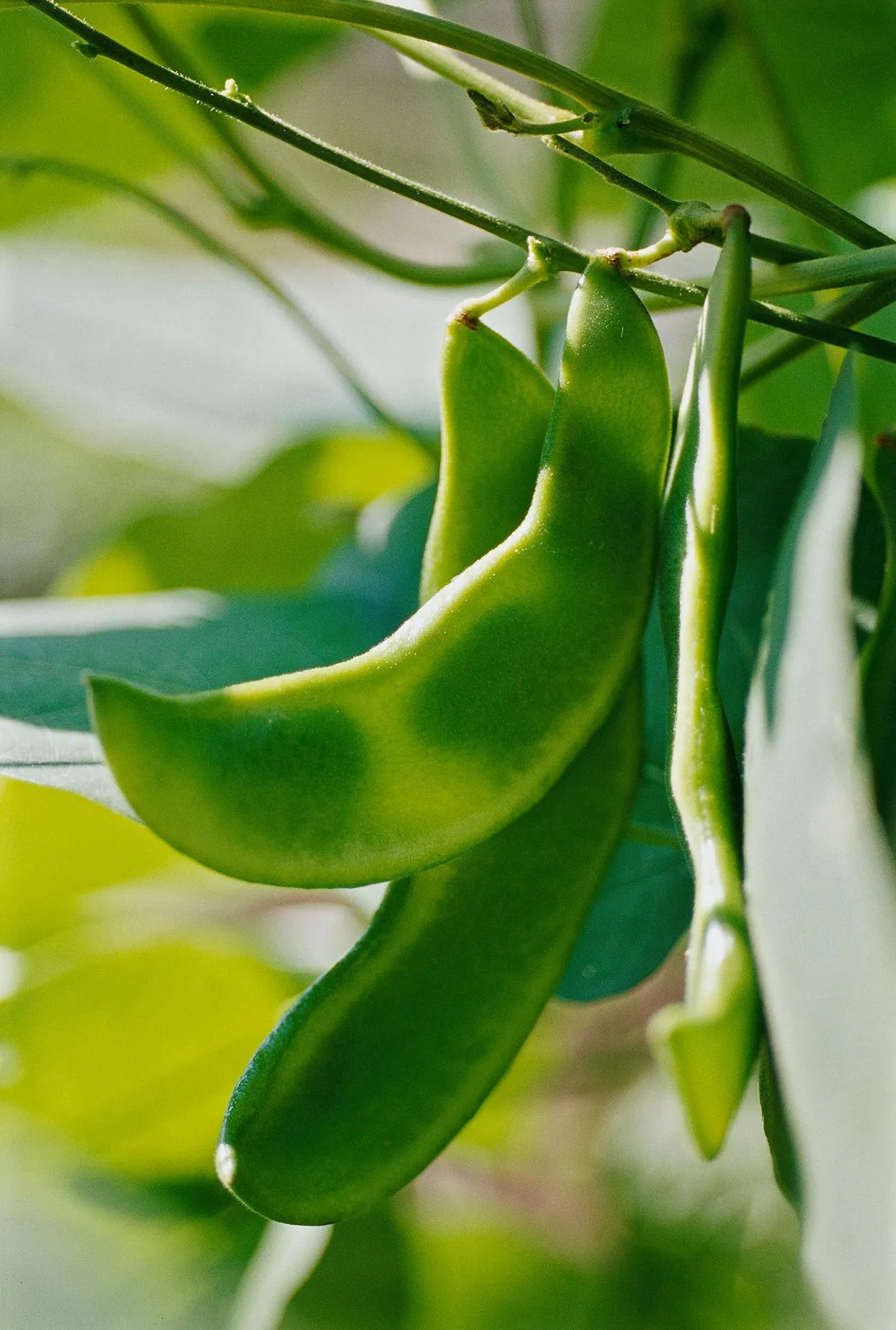
If lima beans evoke less-than-pleasant childhood memories for you, you'll develop a new appreciation for this nutrient-rich vegetable when you grow it yourself. A close relative of snap beans, this warm-season crop is easy to start from seed planted right in the garden. Plus, it’s a good producer. Enjoy lima beans fresh by picking pods when they are full and bright green or allow beans to dry on the plant and harvest dried beans for use during the cooler months.
Lima beans are bush-type or climbing plants. Often considered easier to harvest, bush-type lima beans form pods on compact plants that are 1 to 2 feet tall and wide. Climbing plants require strong support in the form of a sturdy trellis, fence, or tepee. Great for small spaces, climbing lima beans will scramble up instead of out, making great use of a raised bed or container vegetable garden.
| Genus Name | Phaseolus lunatus |
| Common Name | Lima Bean |
| Additional Common Names | Butter Beans |
| Plant Type | Vegetable |
| Light | Sun |
| Height | 1 to 3 feet |
| Width | 18 to 30 inches |
| Propagation | Seed |
Plant lima beans in full sun and well-drained, loose soil with a pH that is close to neutral. Do not plant them in the same location of your garden where other members of the legume family (beans or peas) were grown in the previous two to three years.
Depending on the available space, select bush-type or vine-type varieties. If planting a vine-type, take into consideration that it will cast shade on the surrounding plants.
Plant lima beans in the garden about two weeks after the last frost in your area. They require exceptionally warm soil of at least 65 degrees F to germinate (unlike snap beans, which will thrive when planted any time after the frost-free date).
Plant the seeds of bush-type lima beans 1 to 1 1/2 inches inch deep and spaced 2 inches apart within the row. Space rows 2 to 3 feet apart. Vine-type lima beans are spaced 6 inches apart. After germination, thin seedlings to 4 to 6 inches between plants.
Lima beans are an easy vegetable to care for.
Like most vegetables, lima beans require at least 8 hours of full sunlight per day.
Lima beans need moist, loose, well-drained soil with a pH of 6.5 to 6.8. If your planting area is made of heavy soil or slow-draining clay, plant lima beans in a raised bed filled with rich topsoil.
The plants need 1 inch of water per week either from rain or irrigation.
Lima beans grow best in temperatures between 70 and 80 degrees F. Hot, dry conditions during flowering may cause the flowers to drop off without setting pods. They may start flowering again in cooler temperatures.
Don't fertilize the plants. Excessive nitrogen fertilizer prevents pods from forming and promotes lush foliage growth instead.
Towards the end of the season, cut off the growing tips so the plant concentrates its energy into growing the remaining pods.
Lima beans are self-pollinating so they don't rely on insects or wind for pollination. But attracting pollinators to your garden is always a bonus.
Growing lima beans in a container is an option if space is an issue or your soil is poor. Choose a climbing variety and plant it in a large, heavyweight container filled with quality potting soil. Install a sturdy tepee in the container for the beans to climb.
Keep in mind that potted plants need more frequent watering than plants in garden soil, up to daily in hot weather.
Lima beans are susceptible to a range of diseases, including root rots, parasitic nematodes, rust, powdery mildew, downy mildew, and anthracnose. The plants are commonly attacked by aphids, flea beetles, bean beetles, mites, leafhoppers, and stink bugs.
Lima beans are propagated from seed. Follow the instructions for How and When to Plant Lima Beans above.
Most lima bean varieties are open-pollinated which means that the beans that you harvest from your plants can be collected for next year to produce plants that have the same features as the parent plant.
Instead of harvesting all the beans, let a few pods grow undisturbed. At some point, the pods will turn brownish and rattle when shaken, Remove the dry pods from your plants and allow the seeds to dry for two weeks on waxed paper before shelling them. Store the shelled seeds in an airtight container.
Check the days to maturity on the seed package, as they are different for each variety.
If you want to serve fresh beans, harvest lima beans when the pods are plump and bulging and bright green in color. It's better to harvest fresh lima beans a few days too soon, rather than a few days too late. When in doubt, harvest them.
For dry beans, let the pods dry on the plants. Keep a close eye on their progress and harvest beans before the pods shatter.
This bush-type open-pollinated variety is an All-America Selections winner and the most popular lima bean. It tolerates heat, cold, and drought. The pods contain three to five large beans. 75 days to maturity
This open-pollinated bush-type lima bean does well in hot and dry conditions. The dried beans are grey with purple and black mottling. 66 days to maturity
The other name for this vine-type lima bean is chestnut lima bean because the beans have been used as a chestnut substitute for generations. It is an open-pollinated variety with 10-foot vines that produce extra-large, purple beans about ¾ in diameter. 95 days to maturity
This open-pollinated vine-type goes back to the year 1883. The 8- to 10-foot vines produce large white lima beans over a long harvest season. 90 days to maturity
It depends on the variety. Bush-type lima beans spread out while vine-type lima beans grow up and need support to climb on.
Lima beans are an annual vegetable that can be grown in any location where you have about 10 to 12 weeks of frost-free weather between June and early fall.
Updated by Nadia Hassani

Visiting the Better Homes & Gardens Test Garden®
The BHG Test Garden is a beautiful green space that has something to see in all seasons.
Silencing the Siding Peckers: A Gardener's Guide
Silencing the Siding Peckers: A Gardener's Guide
The Allure of Annuals China Aster in Your Garden
The Allure of Annuals China Aster in Your Garden
The Secret of Endless Blooms: Long - Blooming Perennials
The Secret of Endless Blooms: Long - Blooming Perennials
The Hardy Agave: A Cold - Resistant Floral Wonder
The Hardy Agave: A Cold - Resistant Floral Wonder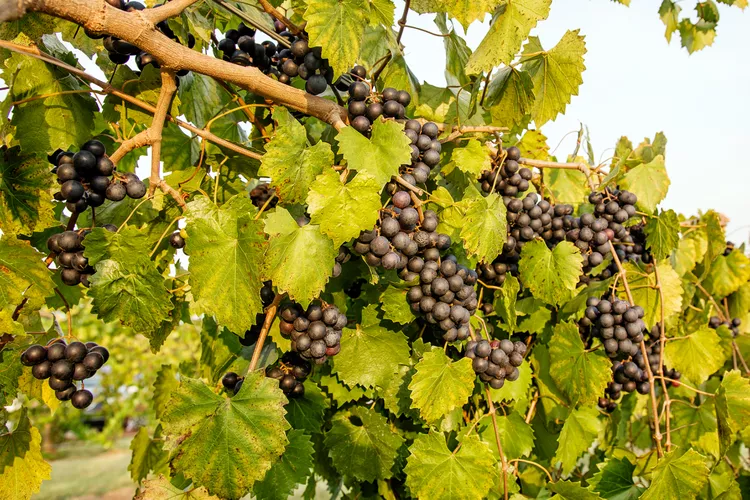
How to Plant and Grow Muscadine Grapes
Learn how to plant and grow muscadine grapes and harvest delicious fruit for fresh eating, preserves, and wine.
How to Plant and Grow Lima Beans
Find essential tips for growing lima beans, also known as butter beans, to pick them fresh or dry them for later use.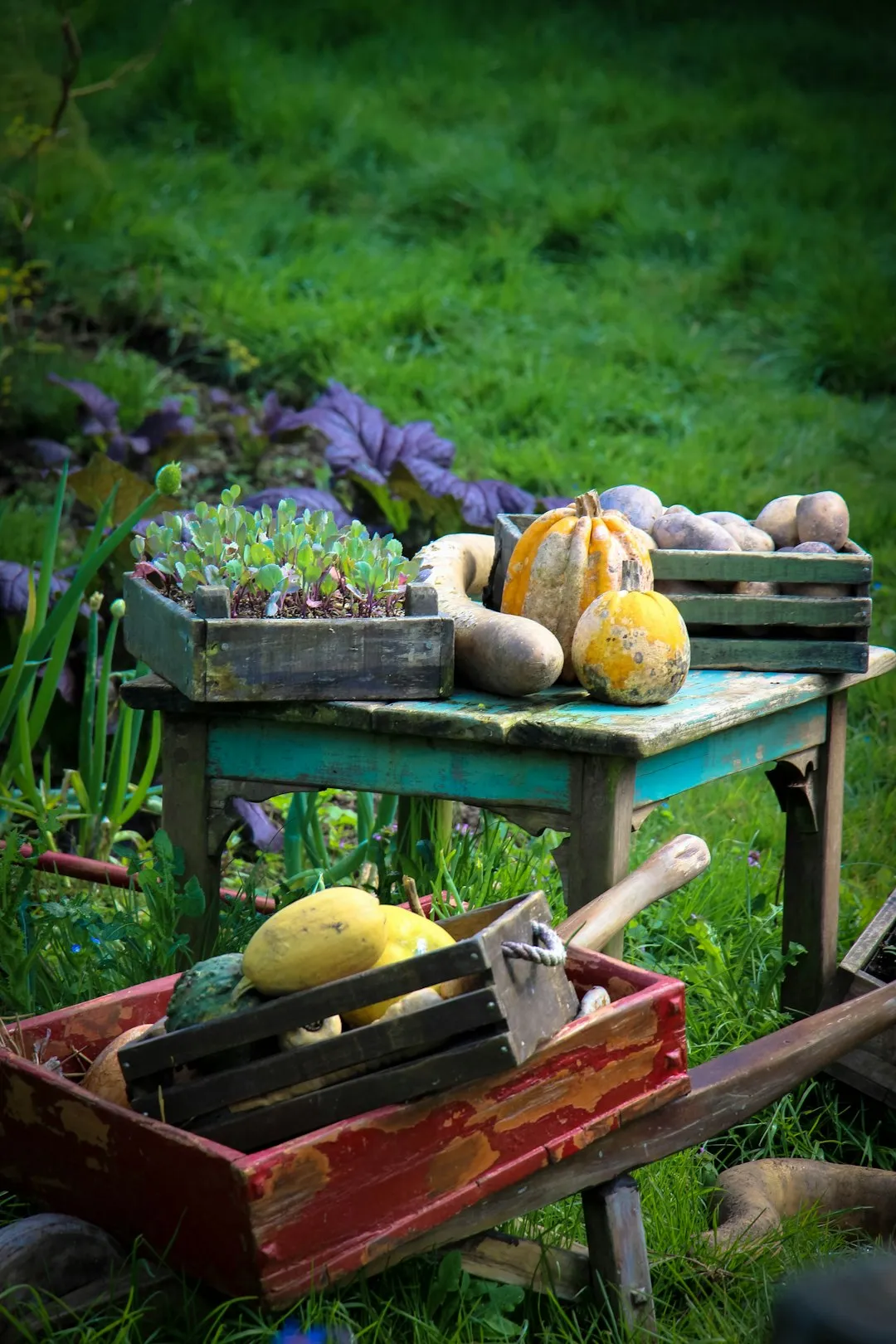
Unveiling the Wonders of Gourds in Your Edible Garden
Unveiling the Wonders of Gourds in Your Edible Garden
9 Tips for Companion Planting Vegetables to Boost Harvests
Companion planting is a natural and organic gardening technique that helps repel pests and grow healthier plants. Use these smart tips to start companion planting in your vegetable garden.
How to Restring a Weed Whacker in 4 Simple Steps
Use this step-by-step guide to properly replace the line on your weed trimmer.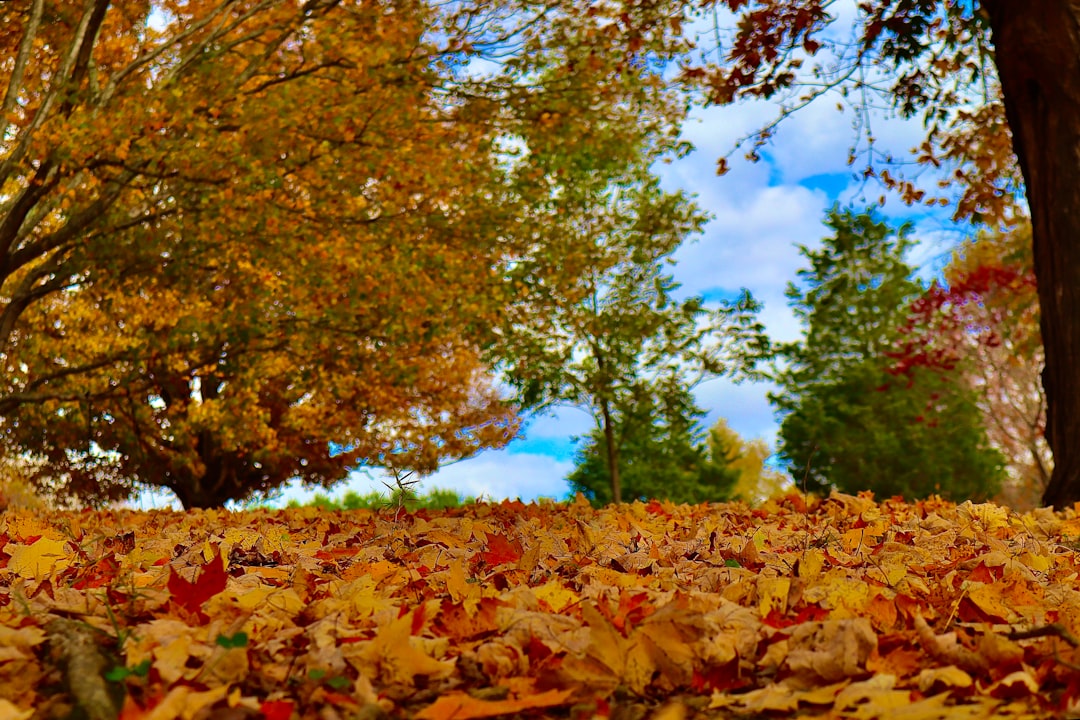
Secrets to a Thriving Yard Garden
Secrets to a Thriving Yard Garden
The Secret to Gorgeous Hydrangea Blooms Next Season
The Secret to Gorgeous Hydrangea Blooms Next Season
Unleash the Beauty of Your Lawn: A Guide to Perfect Mowing
Unleash the Beauty of Your Lawn: A Guide to Perfect Mowing
Guide to Soils and Potting Mixes
We know the secret to a good potters soil. We'll show you how to tell if you need to amend your soil and what plants need to thrive in your current soil conditions.
How to Use Fertilizer for Plants According to Experts
Get expert tips on fertilizing plants, including the best formulation for both houseplants and garden plants, as well as how frequently you should feed them.
How to Make a DIY Indoor Compost Bin
Make your own DIY indoor compost bin. With our tips, you'll learn how to compost and reduce your kitchen waste to help the planet.
Unveiling the Secrets of a Thriving Lawn
Unveiling the Secrets of a Thriving Lawn
15 Super Plants for Texas Landscapes
These plants are superstars in Texas gardens and landscapes. Experts recommend them for their ability to thrive in south-central climates.
Your Seasonal Lawn-Care Schedule for the Northeast
Take the guesswork out of yard work. This lawn-care calendar lets you know when to mow, aerate, fertilize, and seed your yard in the Northeast.
How to Make Compost Tea That Will Give Your Plants a Natural Boost
Learn how to make compost tea with this simple guide and recipes. Plus get tips for using compost tea to give all your plants a boost.