Maintaining a lush and healthy yard is a goal for many homeowners. One of the most crucial aspects of yard care, especially when it comes to the lawn, is proper watering. Lawn care experts have shared some valuable insights on when you don't need to water your grass and when it truly matters.
Let's first understand the basic needs of grass. Grass, like all living organisms, requires water to survive and thrive. However, over - watering can be just as harmful as under - watering. Too much water can lead to shallow root growth, making the grass more susceptible to drought, diseases, and pests. On the other hand, insufficient water can cause the grass to turn brown, become dormant, and eventually die.
So, when don't you need to water your grass? One of the key times is during periods of heavy rainfall. If your area has received a significant amount of rain, the soil is likely saturated with water. In this case, additional watering is unnecessary and can even be detrimental. For example, if you've had a few consecutive days of steady rain, the grass has already absorbed enough moisture from the ground. You can check the soil moisture by inserting a screwdriver or a soil probe into the ground. If it goes in easily and the soil around it is wet, there's no need to water.
Another situation is when the grass is dormant. During the hot summer months or cold winter months, grass may enter a dormant state to conserve energy. In the summer, when temperatures soar, cool - season grasses like Kentucky bluegrass and fescue may turn brown and stop growing. Similarly, in the winter, warm - season grasses such as Bermuda grass and zoysia grass become dormant. During these dormant periods, the grass doesn't require as much water as it does during its active growth phases. You can reduce the watering frequency significantly, perhaps to once every few weeks or even less, depending on the weather conditions.
Now, let's talk about when it really matters to water your grass. The most critical time is during the establishment of new grass. Whether you're seeding or laying sod, the newly planted grass needs consistent moisture to develop strong roots. For seeded lawns, the top inch of soil should be kept moist until the grass seeds germinate and establish. This may require watering lightly several times a day. Once the grass is a few inches tall, you can gradually reduce the frequency of watering but increase the amount of water per session to encourage deeper root growth.
During dry spells, especially in the absence of rainfall for an extended period, watering becomes essential. If the grass starts to show signs of stress, such as wilting, a bluish - gray tint, or footprints remaining on the lawn after walking, it's a clear indication that the grass needs water. In these situations, it's important to water deeply and infrequently. Deep watering encourages the grass roots to grow deeper into the soil, making the grass more drought - tolerant. A good rule of thumb is to water the lawn to a depth of about 6 inches. This usually requires about 1 to 1.5 inches of water per week, which can be applied in one or two watering sessions.
It's also important to consider the time of day when watering your grass. The best time to water is in the early morning, between 4 a.m. and 10 a.m. Watering at this time allows the grass to dry before evening, reducing the risk of fungal diseases. Watering in the evening can leave the grass wet overnight, creating a perfect environment for fungi to grow. Avoid watering during the hottest part of the day, as much of the water will evaporate before it can be absorbed by the grass.
In conclusion, understanding when to water and when not to water your grass is essential for maintaining a healthy and beautiful lawn. By following the advice of lawn care experts and paying attention to the specific needs of your grass, you can ensure that your yard remains a vibrant and inviting space for years to come.

Visiting the Better Homes & Gardens Test Garden®
The BHG Test Garden is a beautiful green space that has something to see in all seasons.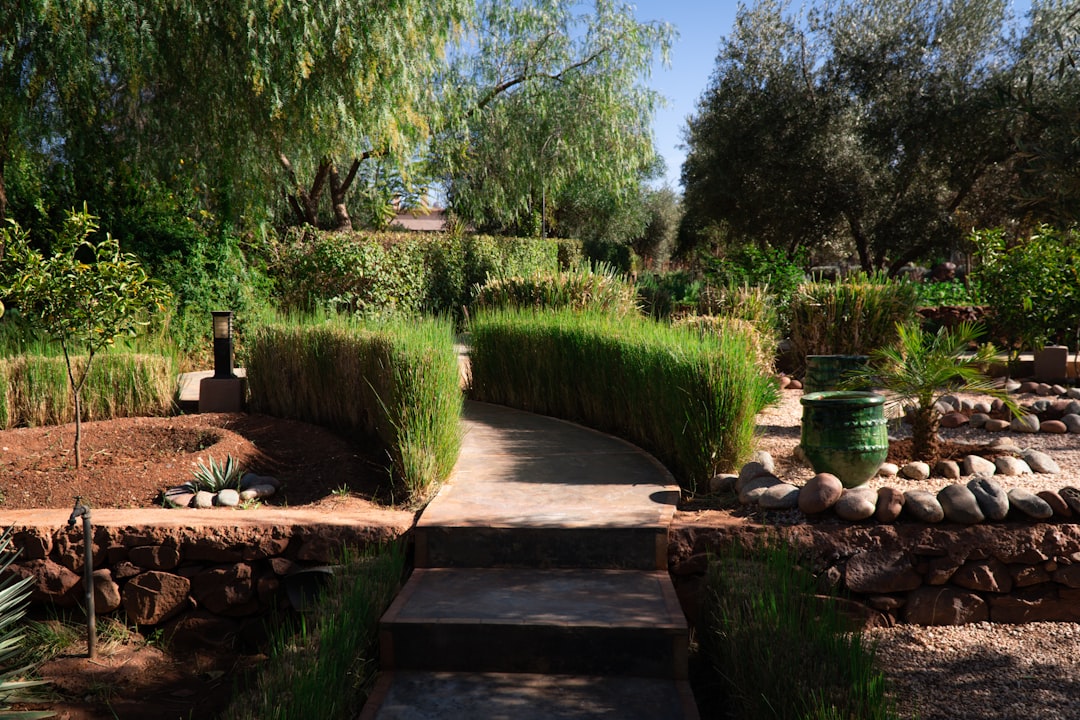
Silencing the Siding Peckers: A Gardener's Guide
Silencing the Siding Peckers: A Gardener's Guide
The Allure of Annuals China Aster in Your Garden
The Allure of Annuals China Aster in Your Garden
The Secret of Endless Blooms: Long - Blooming Perennials
The Secret of Endless Blooms: Long - Blooming Perennials
The Hardy Agave: A Cold - Resistant Floral Wonder
The Hardy Agave: A Cold - Resistant Floral Wonder
How to Plant and Grow Muscadine Grapes
Learn how to plant and grow muscadine grapes and harvest delicious fruit for fresh eating, preserves, and wine.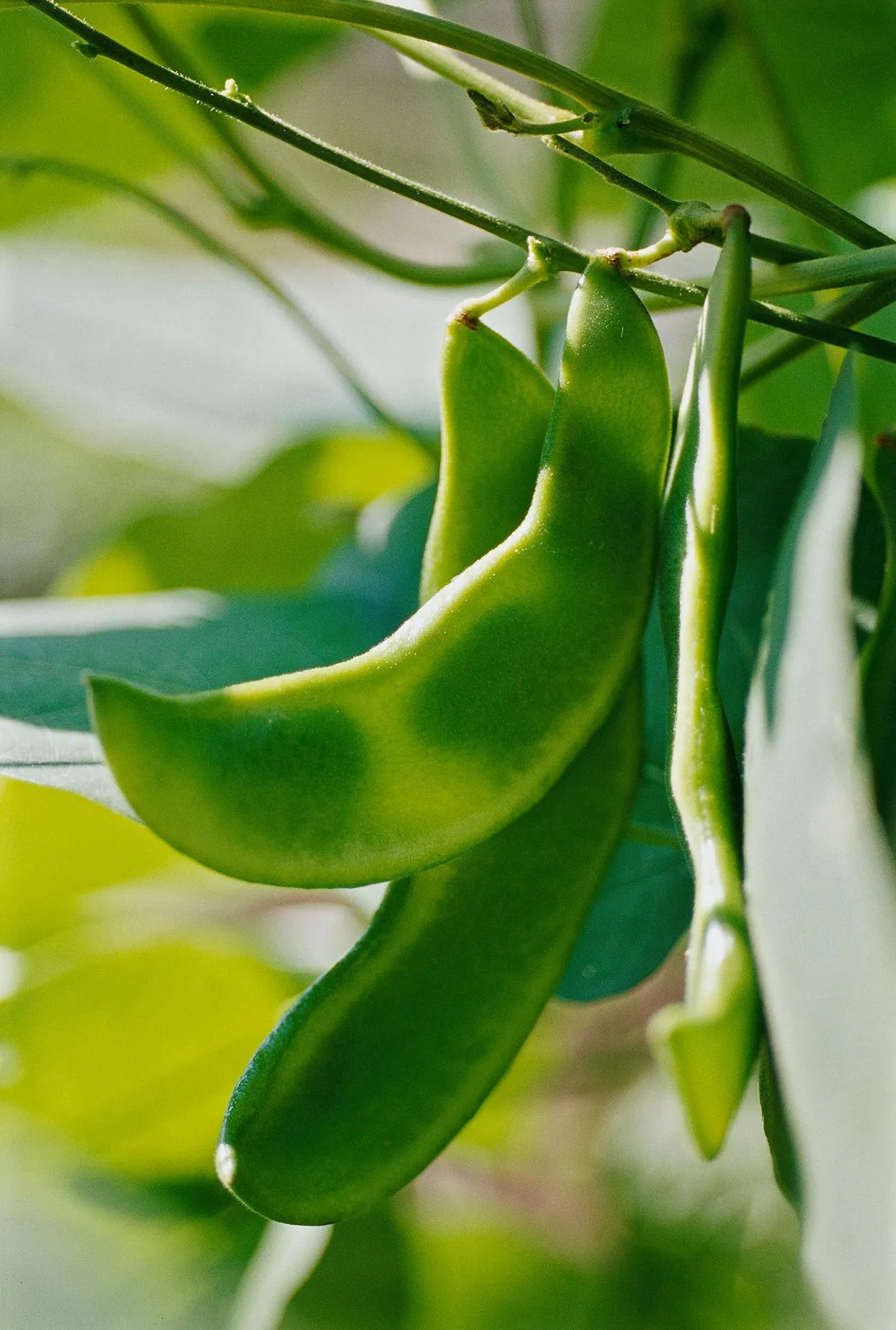
How to Plant and Grow Lima Beans
Find essential tips for growing lima beans, also known as butter beans, to pick them fresh or dry them for later use.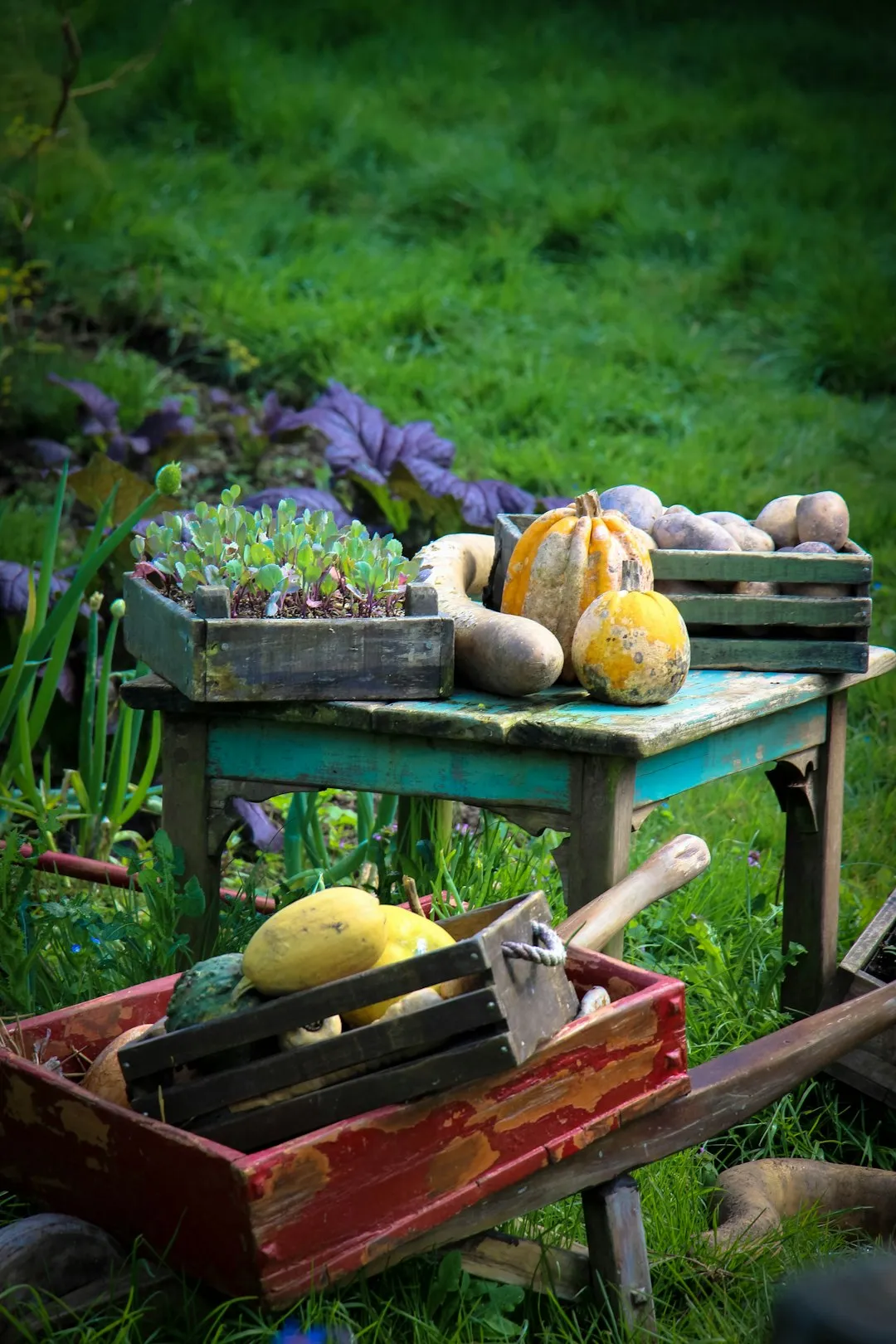
Unveiling the Wonders of Gourds in Your Edible Garden
Unveiling the Wonders of Gourds in Your Edible Garden
9 Tips for Companion Planting Vegetables to Boost Harvests
Companion planting is a natural and organic gardening technique that helps repel pests and grow healthier plants. Use these smart tips to start companion planting in your vegetable garden.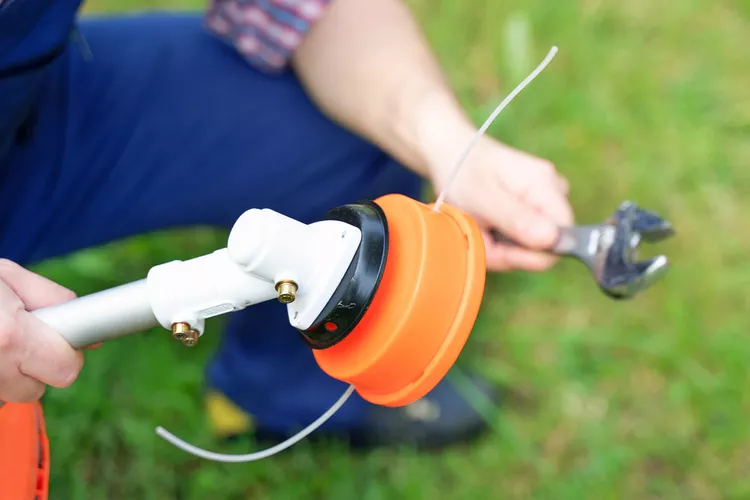
How to Restring a Weed Whacker in 4 Simple Steps
Use this step-by-step guide to properly replace the line on your weed trimmer.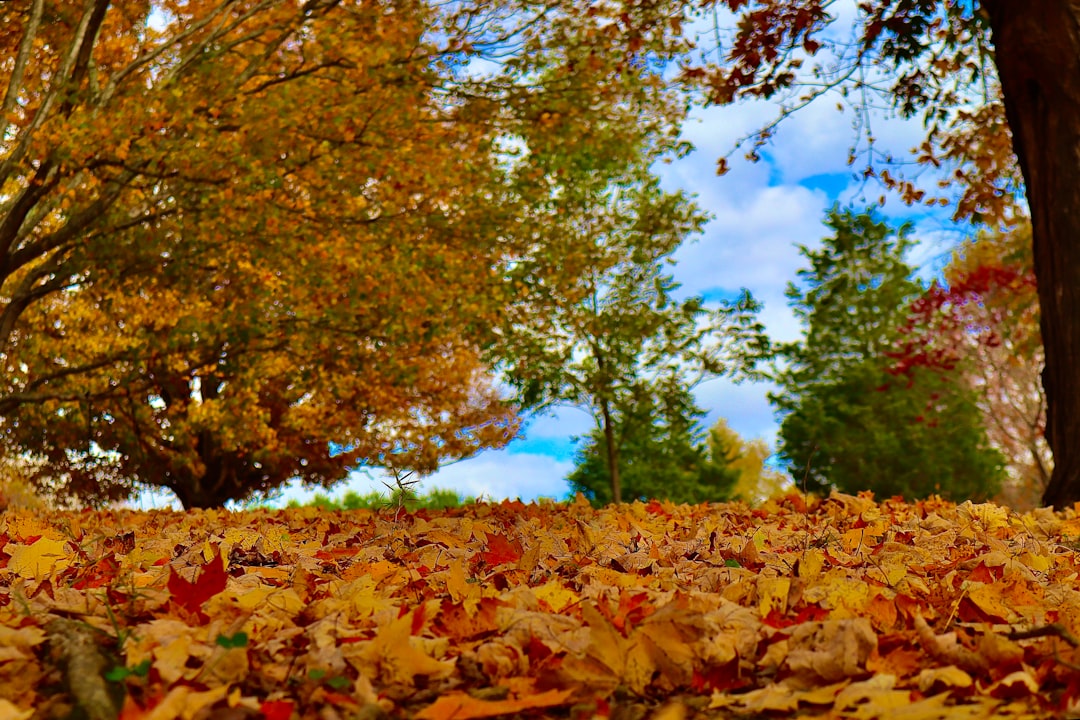
Secrets to a Thriving Yard Garden
Secrets to a Thriving Yard Garden
The Secret to Gorgeous Hydrangea Blooms Next Season
The Secret to Gorgeous Hydrangea Blooms Next Season
Unleash the Beauty of Your Lawn: A Guide to Perfect Mowing
Unleash the Beauty of Your Lawn: A Guide to Perfect Mowing
Guide to Soils and Potting Mixes
We know the secret to a good potters soil. We'll show you how to tell if you need to amend your soil and what plants need to thrive in your current soil conditions.
How to Use Fertilizer for Plants According to Experts
Get expert tips on fertilizing plants, including the best formulation for both houseplants and garden plants, as well as how frequently you should feed them.
How to Make a DIY Indoor Compost Bin
Make your own DIY indoor compost bin. With our tips, you'll learn how to compost and reduce your kitchen waste to help the planet.
Unveiling the Secrets of a Thriving Lawn
Unveiling the Secrets of a Thriving Lawn
15 Super Plants for Texas Landscapes
These plants are superstars in Texas gardens and landscapes. Experts recommend them for their ability to thrive in south-central climates.
Your Seasonal Lawn-Care Schedule for the Northeast
Take the guesswork out of yard work. This lawn-care calendar lets you know when to mow, aerate, fertilize, and seed your yard in the Northeast.
How to Make Compost Tea That Will Give Your Plants a Natural Boost
Learn how to make compost tea with this simple guide and recipes. Plus get tips for using compost tea to give all your plants a boost.