Annual flowers bring a burst of color and life to any garden, and among them, bachelor’s buttons stand out as a charming and versatile choice. These delightful plants, with their distinctive cornflower - blue flowers and silvery - gray leaves, can transform an ordinary garden into a captivating oasis.
One of the first things to understand about growing bachelor’s buttons is their origin. Native to Europe, these annuals have been a favorite in gardens for centuries. Their popularity has spread far and wide, and they are now beloved by gardeners across the globe. The scientific name of bachelor’s buttons is Centaurea cyanus, and they belong to the Asteraceae family.
When it comes to the appearance of bachelor’s buttons, their cornflower - blue hue is truly eye - catching. The petals are delicate and form a beautiful, almost star - like shape. The contrast between the vivid blue of the flowers and the soft, silvery - gray of the leaves is what makes them such a visually appealing addition to any garden. They can be planted in flower beds, borders, or even in containers on a balcony or patio.
Starting bachelor’s buttons from seeds is relatively easy. They are hardy annuals, which means they can tolerate a bit of cold. In fact, they can be sown directly into the garden as early as the last frost date in spring. The seeds should be planted about 1/4 inch deep in well - drained soil. Make sure to space the seeds about 6 to 12 inches apart to give the plants enough room to grow. Bachelor’s buttons prefer full sun but can also tolerate partial shade.
Once the seeds have germinated, which usually takes about 7 to 10 days, the young plants need regular watering. However, it’s important not to over - water them, as they don’t like soggy soil. As the plants grow, they will start to develop their characteristic flowers. Deadheading, which is the process of removing spent flowers, can encourage the plants to produce more blooms. This not only keeps the garden looking tidy but also extends the flowering period of the bachelor’s buttons.
Bachelor’s buttons are not only beautiful but also attract beneficial insects to the garden. Bees and butterflies are particularly fond of their nectar, making them a great addition to a pollinator - friendly garden. These insects play a crucial role in the ecosystem by helping to pollinate other plants, which in turn leads to better fruit and vegetable yields.
Another advantage of growing bachelor’s buttons is their use in cut flower arrangements. Their long stems and beautiful flowers make them a popular choice for bouquets. When cutting the flowers for a vase, it’s best to do so in the early morning when the flowers are at their freshest. Place the cut flowers in a vase with fresh water and change the water every few days to keep them looking their best.
In addition to the classic cornflower - blue variety, bachelor’s buttons also come in other colors such as pink, white, and purple. This allows gardeners to create a more diverse and colorful garden. Mixing different colors of bachelor’s buttons together can create a stunning visual display.
As the growing season comes to an end, bachelor’s buttons will start to produce seeds. These seeds can be collected and saved for the next growing season. Simply let the flowers dry on the plant, then gently shake the seed heads into a paper bag. Store the seeds in a cool, dry place until it’s time to plant them again.
In conclusion, growing bachelor’s buttons is a rewarding experience for any gardener. Their beauty, ease of cultivation, and ability to attract beneficial insects make them a valuable addition to any garden. Whether you’re a seasoned gardener or just starting out, these annual flowers are sure to bring joy and color to your outdoor space.
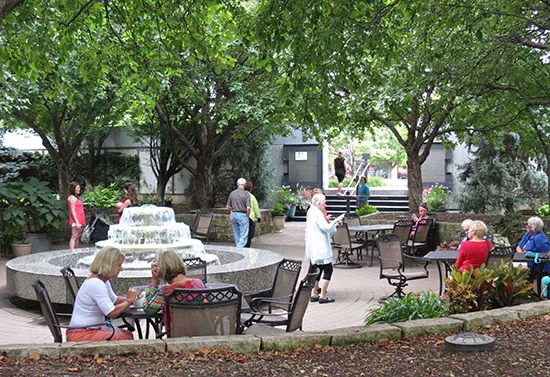
Visiting the Better Homes & Gardens Test Garden®
The BHG Test Garden is a beautiful green space that has something to see in all seasons.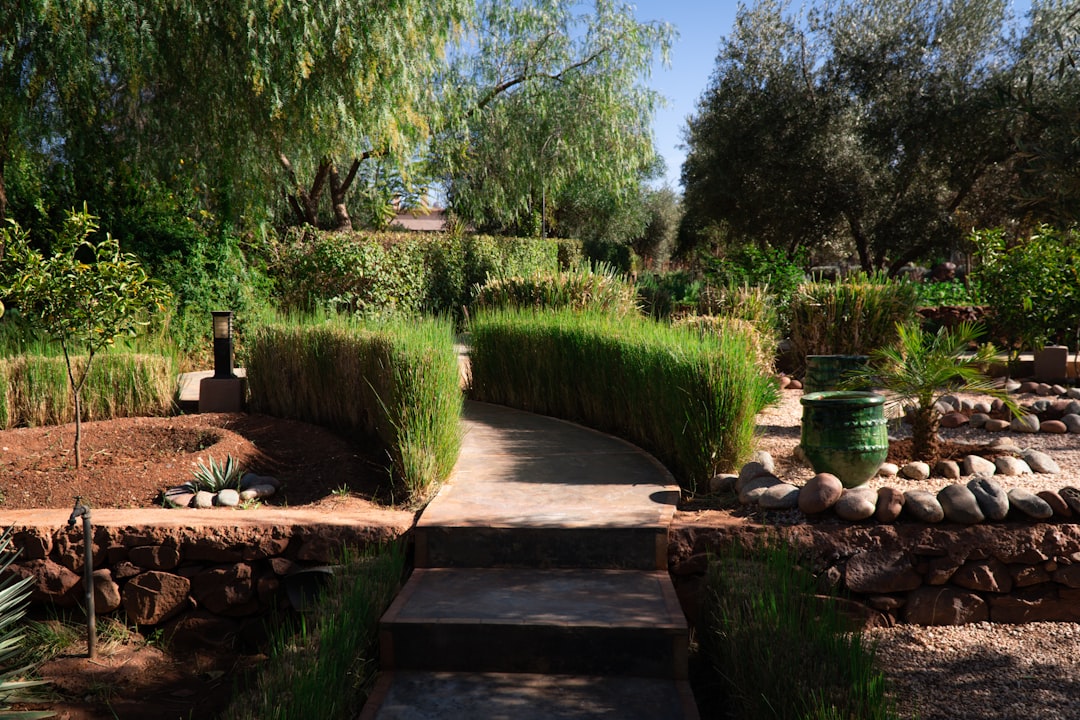
Silencing the Siding Peckers: A Gardener's Guide
Silencing the Siding Peckers: A Gardener's Guide
The Allure of Annuals China Aster in Your Garden
The Allure of Annuals China Aster in Your Garden
The Secret of Endless Blooms: Long - Blooming Perennials
The Secret of Endless Blooms: Long - Blooming Perennials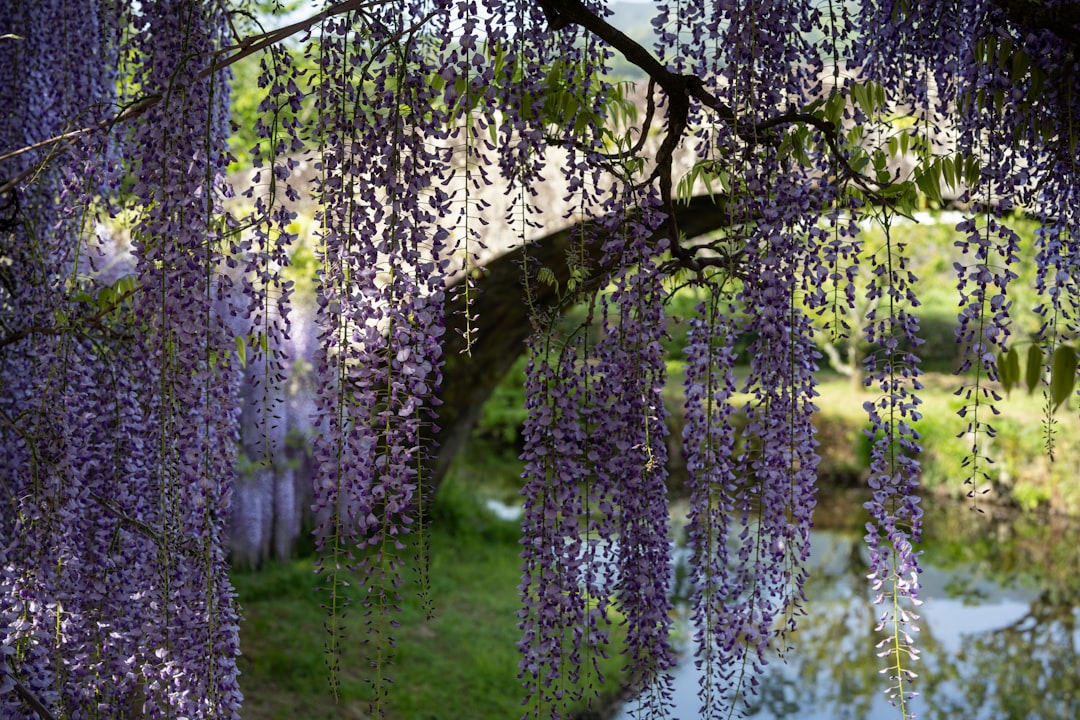
The Hardy Agave: A Cold - Resistant Floral Wonder
The Hardy Agave: A Cold - Resistant Floral Wonder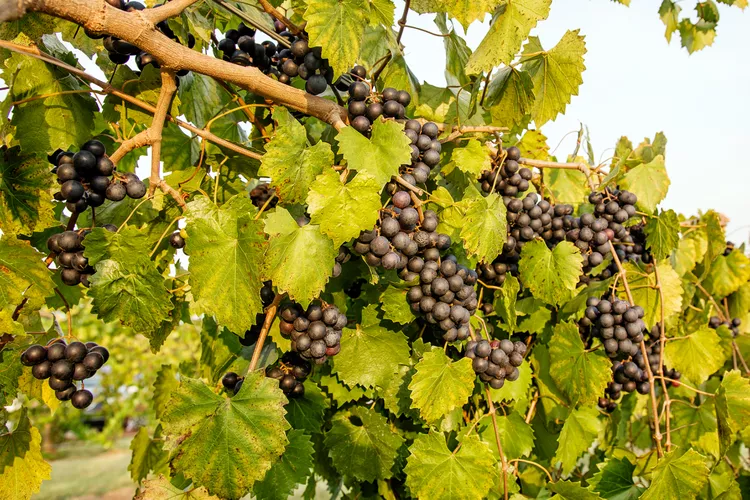
How to Plant and Grow Muscadine Grapes
Learn how to plant and grow muscadine grapes and harvest delicious fruit for fresh eating, preserves, and wine.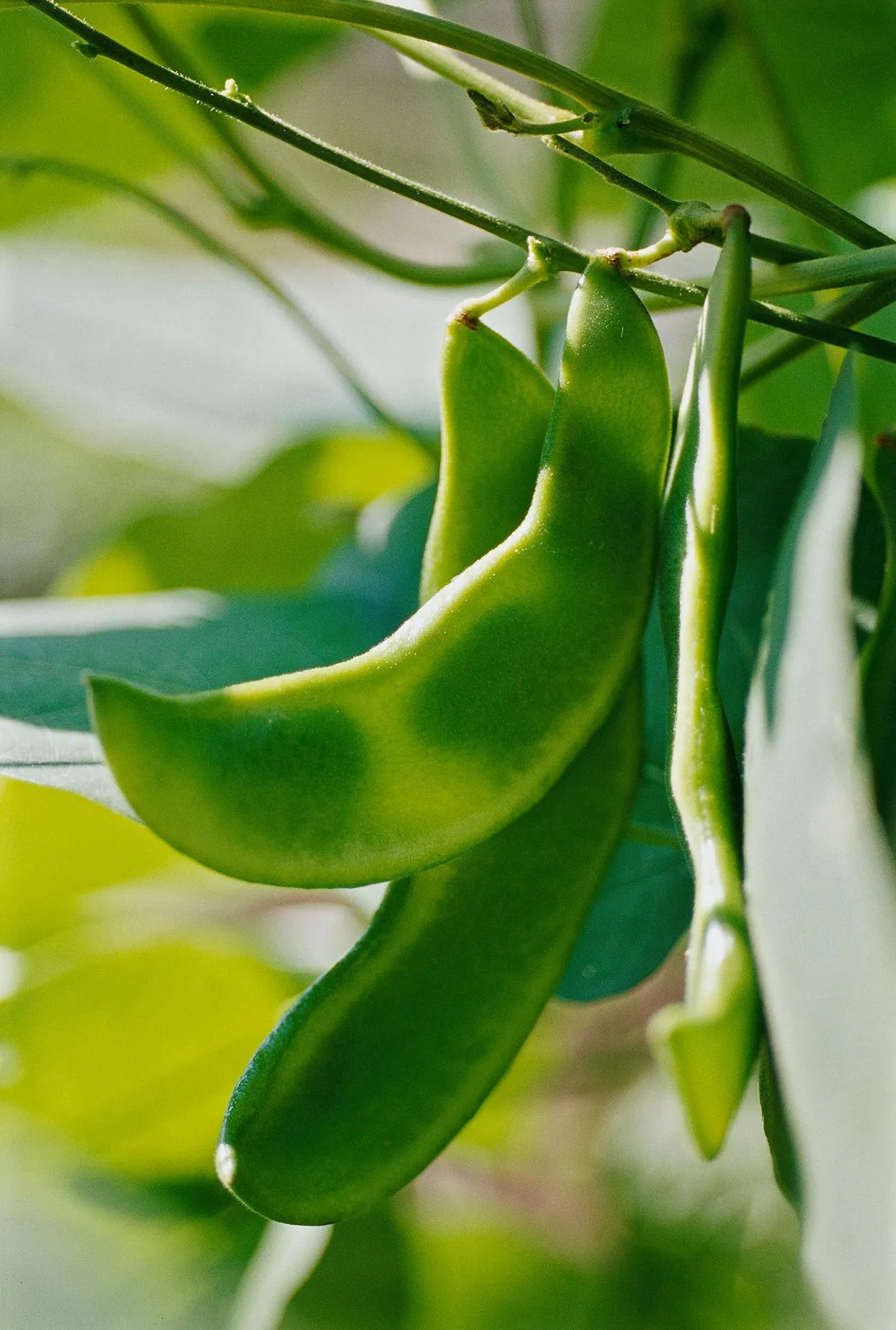
How to Plant and Grow Lima Beans
Find essential tips for growing lima beans, also known as butter beans, to pick them fresh or dry them for later use.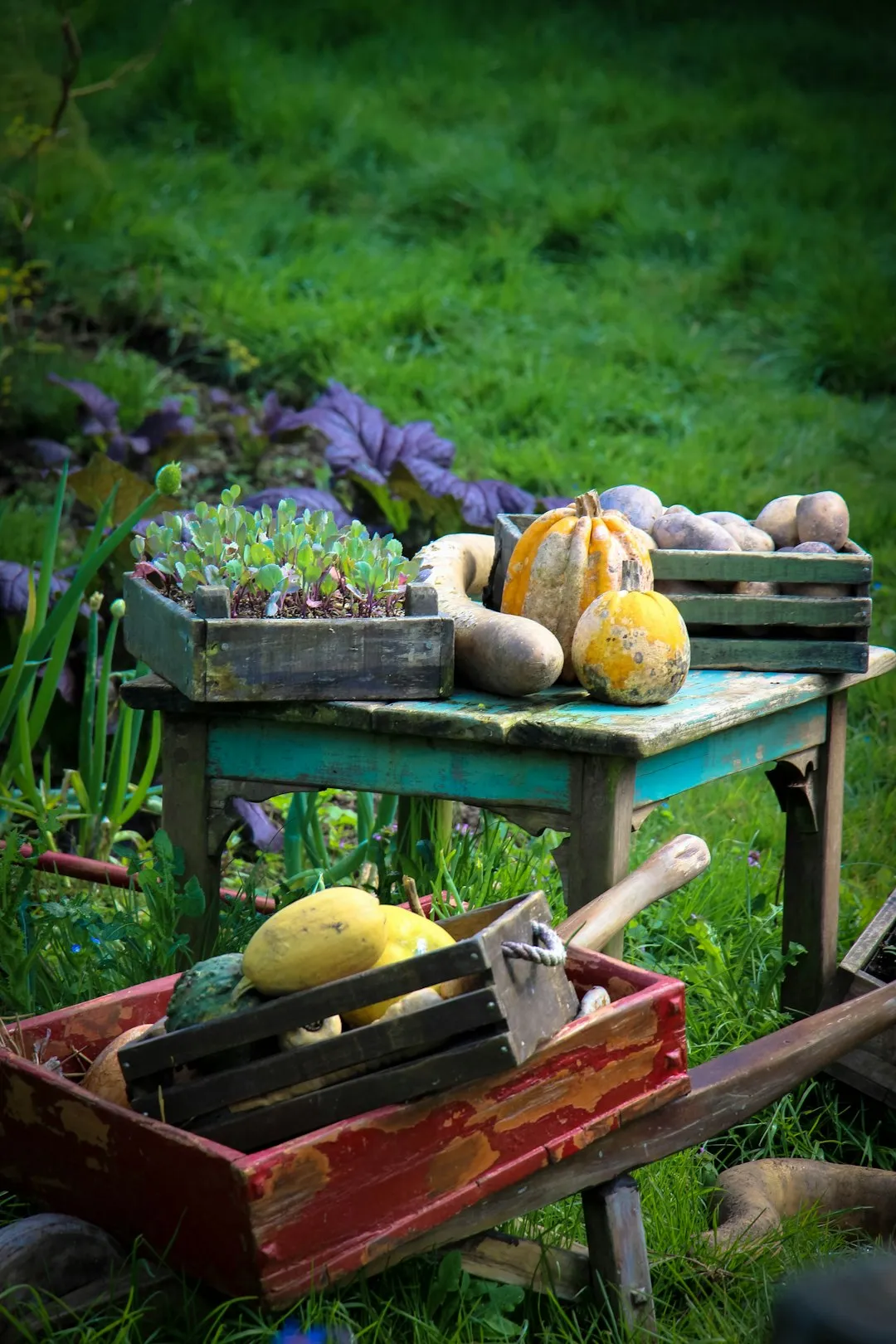
Unveiling the Wonders of Gourds in Your Edible Garden
Unveiling the Wonders of Gourds in Your Edible Garden
9 Tips for Companion Planting Vegetables to Boost Harvests
Companion planting is a natural and organic gardening technique that helps repel pests and grow healthier plants. Use these smart tips to start companion planting in your vegetable garden.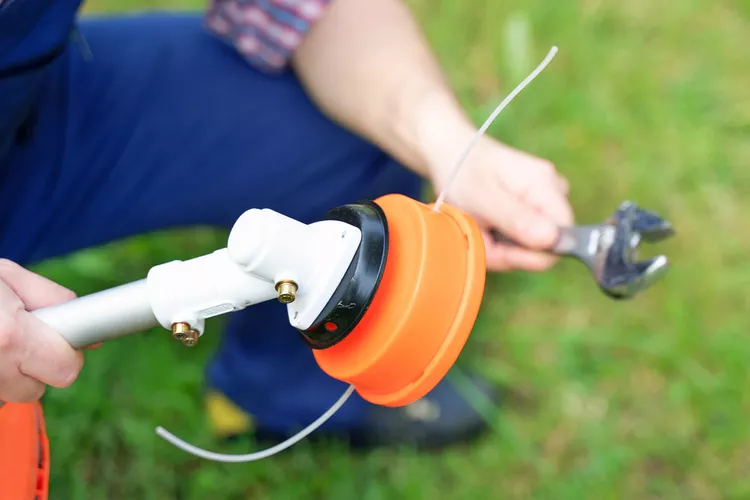
How to Restring a Weed Whacker in 4 Simple Steps
Use this step-by-step guide to properly replace the line on your weed trimmer.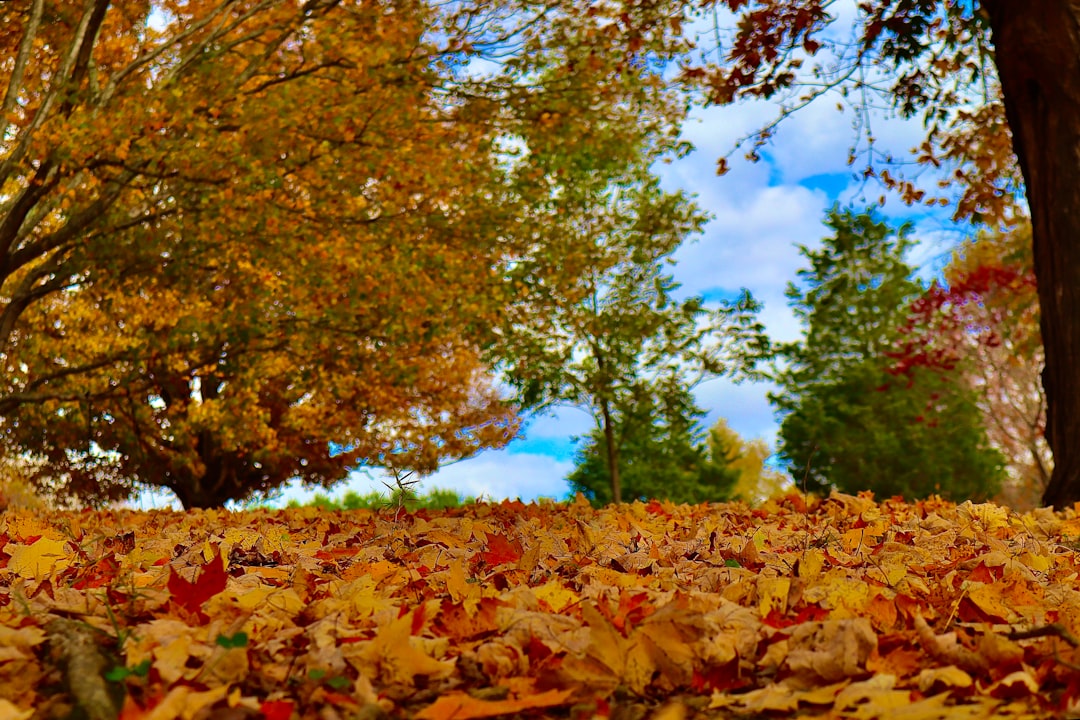
Secrets to a Thriving Yard Garden
Secrets to a Thriving Yard Garden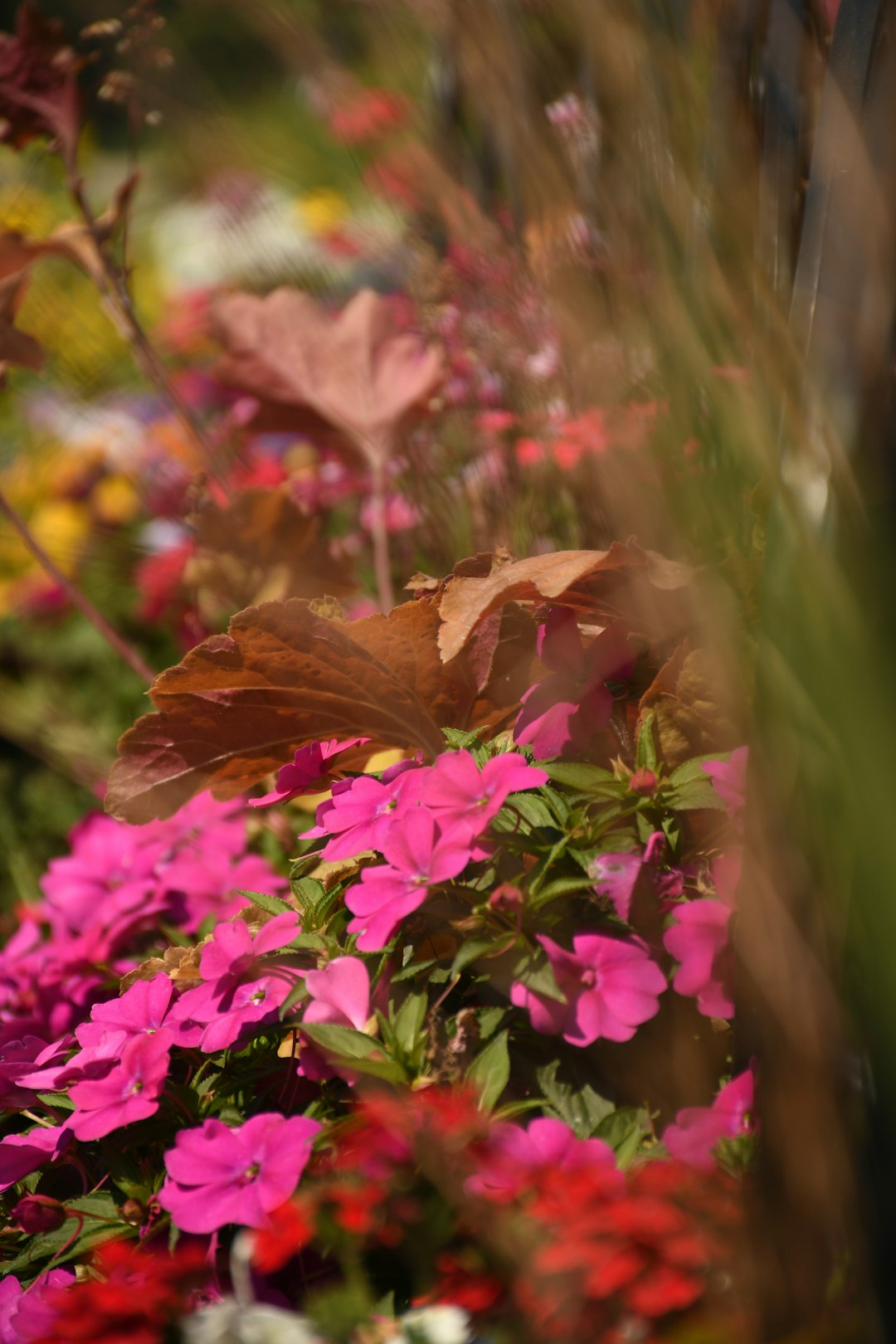
The Secret to Gorgeous Hydrangea Blooms Next Season
The Secret to Gorgeous Hydrangea Blooms Next Season
Unleash the Beauty of Your Lawn: A Guide to Perfect Mowing
Unleash the Beauty of Your Lawn: A Guide to Perfect Mowing
Guide to Soils and Potting Mixes
We know the secret to a good potters soil. We'll show you how to tell if you need to amend your soil and what plants need to thrive in your current soil conditions.
How to Use Fertilizer for Plants According to Experts
Get expert tips on fertilizing plants, including the best formulation for both houseplants and garden plants, as well as how frequently you should feed them.
How to Make a DIY Indoor Compost Bin
Make your own DIY indoor compost bin. With our tips, you'll learn how to compost and reduce your kitchen waste to help the planet.
Unveiling the Secrets of a Thriving Lawn
Unveiling the Secrets of a Thriving Lawn
15 Super Plants for Texas Landscapes
These plants are superstars in Texas gardens and landscapes. Experts recommend them for their ability to thrive in south-central climates.
Your Seasonal Lawn-Care Schedule for the Northeast
Take the guesswork out of yard work. This lawn-care calendar lets you know when to mow, aerate, fertilize, and seed your yard in the Northeast.
How to Make Compost Tea That Will Give Your Plants a Natural Boost
Learn how to make compost tea with this simple guide and recipes. Plus get tips for using compost tea to give all your plants a boost.