Maintaining a lush and healthy lawn is a dream for many homeowners. However, deciding when to mow your lawn can often be a challenging task. With so many factors to consider, it's easy to feel overwhelmed. But fear not! In this article, we'll take the guesswork out of lawn mowing and provide you with easy - to - follow tips that will keep your yard looking its best.
One of the most important aspects of lawn care is understanding the growth cycle of your grass. Different types of grass have different growth rates and requirements. For example, cool - season grasses such as Kentucky bluegrass, fescue, and ryegrass tend to grow most actively in the spring and fall. During these seasons, they may need to be mowed more frequently. On the other hand, warm - season grasses like Bermuda grass, zoysia grass, and St. Augustine grass thrive in the summer and may require less frequent mowing during the cooler months.
So, how do you know when it's time to mow? A general rule of thumb is to never remove more than one - third of the grass blade at a time. If your grass has grown too long, it's better to make multiple cuts over a few days rather than cutting it all at once. This helps prevent stress on the grass and promotes healthier growth. You can measure the height of your grass using a simple ruler. Most cool - season grasses should be kept at a height of 2.5 to 3.5 inches, while warm - season grasses typically do well at 1 to 2 inches.
Another factor to consider is the weather. Mowing wet grass is not recommended as it can clump together and damage the mower. It can also lead to an uneven cut and increase the risk of disease. Wait until the grass is dry, preferably in the late morning or early afternoon when the dew has evaporated. Additionally, avoid mowing during extremely hot or dry periods. This can put extra stress on the grass and make it more susceptible to damage.
Regularly sharpening your mower blades is crucial for a clean and healthy cut. Dull blades can tear the grass instead of cutting it, leaving it vulnerable to pests and diseases. You should sharpen your blades at least once a season, or more frequently if you have a large lawn. You can either do it yourself using a blade sharpener or take it to a professional for servicing.
When mowing, it's important to vary your mowing pattern. Mowing in the same direction every time can cause the grass to lean in one direction and create ruts in the lawn. By changing the pattern, you encourage the grass to grow upright and evenly. For example, you can mow in a horizontal pattern one week and a vertical pattern the next.
After mowing, don't forget about the clippings. Contrary to popular belief, leaving grass clippings on the lawn can actually be beneficial. They act as a natural fertilizer, returning nutrients such as nitrogen, phosphorus, and potassium to the soil. As long as the clippings are not too long or clumped together, they will decompose quickly and improve the health of your lawn.
Proper lawn care also involves regular fertilization, watering, and aeration. Fertilizing your lawn provides it with the essential nutrients it needs to grow strong and healthy. Watering should be done deeply and infrequently to encourage deep root growth. Aeration helps relieve soil compaction and allows air, water, and nutrients to reach the roots more easily.
In conclusion, taking care of your lawn doesn't have to be a mystery. By following these easy - to - follow tips on when to mow your lawn, along with other essential lawn care practices, you can enjoy a beautiful and healthy yard all year round. Remember, a well - maintained lawn not only enhances the aesthetic appeal of your home but also provides a great space for outdoor activities and relaxation.
So, go ahead and put these tips into practice. Your lawn will thank you for it!

Visiting the Better Homes & Gardens Test Garden®
The BHG Test Garden is a beautiful green space that has something to see in all seasons.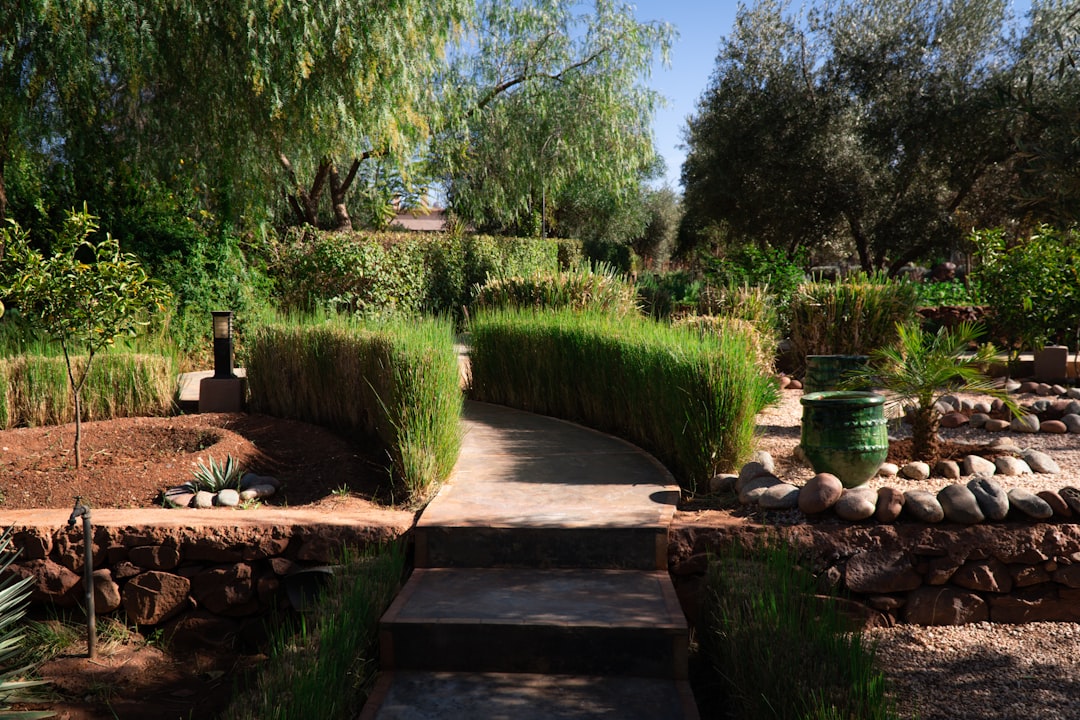
Silencing the Siding Peckers: A Gardener's Guide
Silencing the Siding Peckers: A Gardener's Guide
The Allure of Annuals China Aster in Your Garden
The Allure of Annuals China Aster in Your Garden
The Secret of Endless Blooms: Long - Blooming Perennials
The Secret of Endless Blooms: Long - Blooming Perennials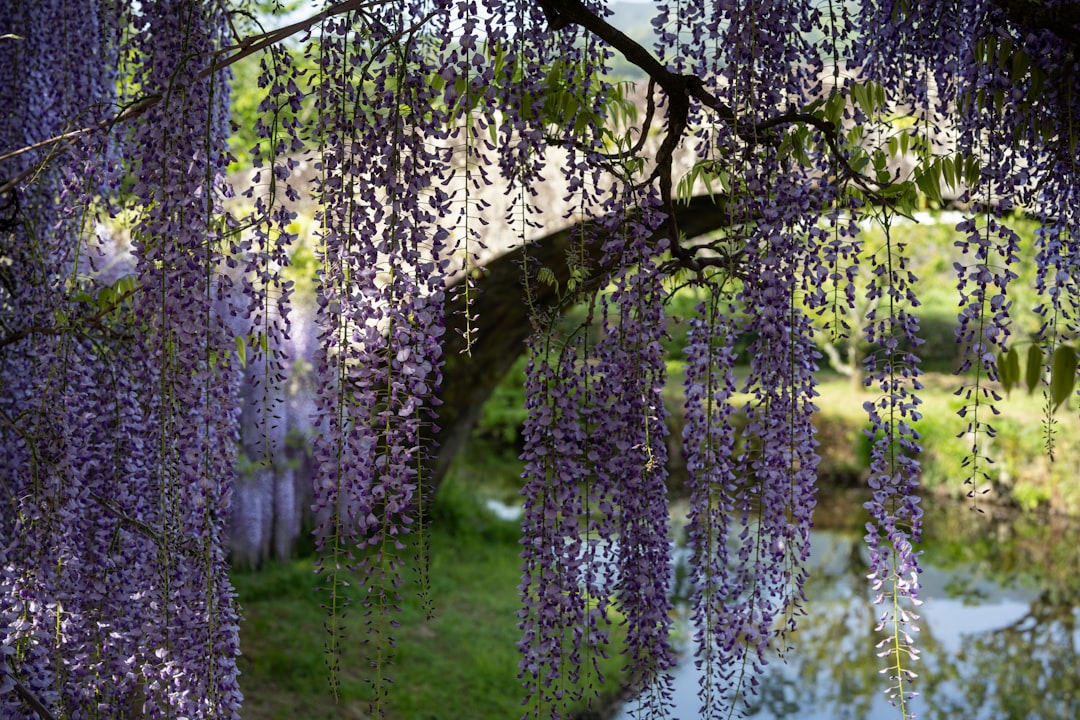
The Hardy Agave: A Cold - Resistant Floral Wonder
The Hardy Agave: A Cold - Resistant Floral Wonder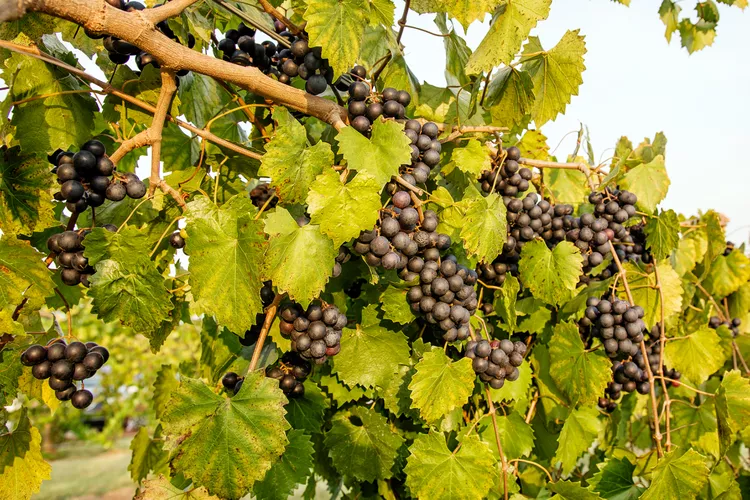
How to Plant and Grow Muscadine Grapes
Learn how to plant and grow muscadine grapes and harvest delicious fruit for fresh eating, preserves, and wine.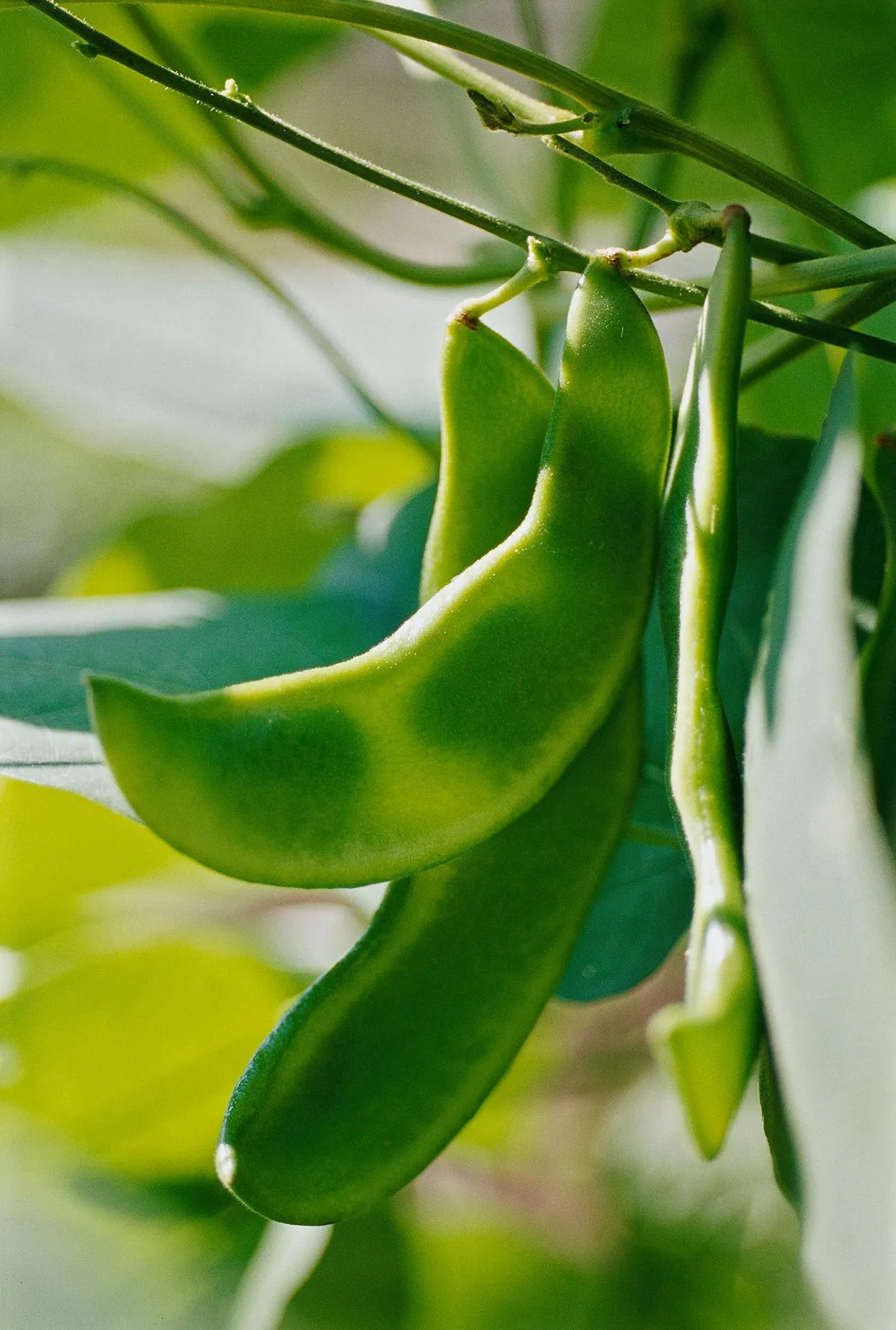
How to Plant and Grow Lima Beans
Find essential tips for growing lima beans, also known as butter beans, to pick them fresh or dry them for later use.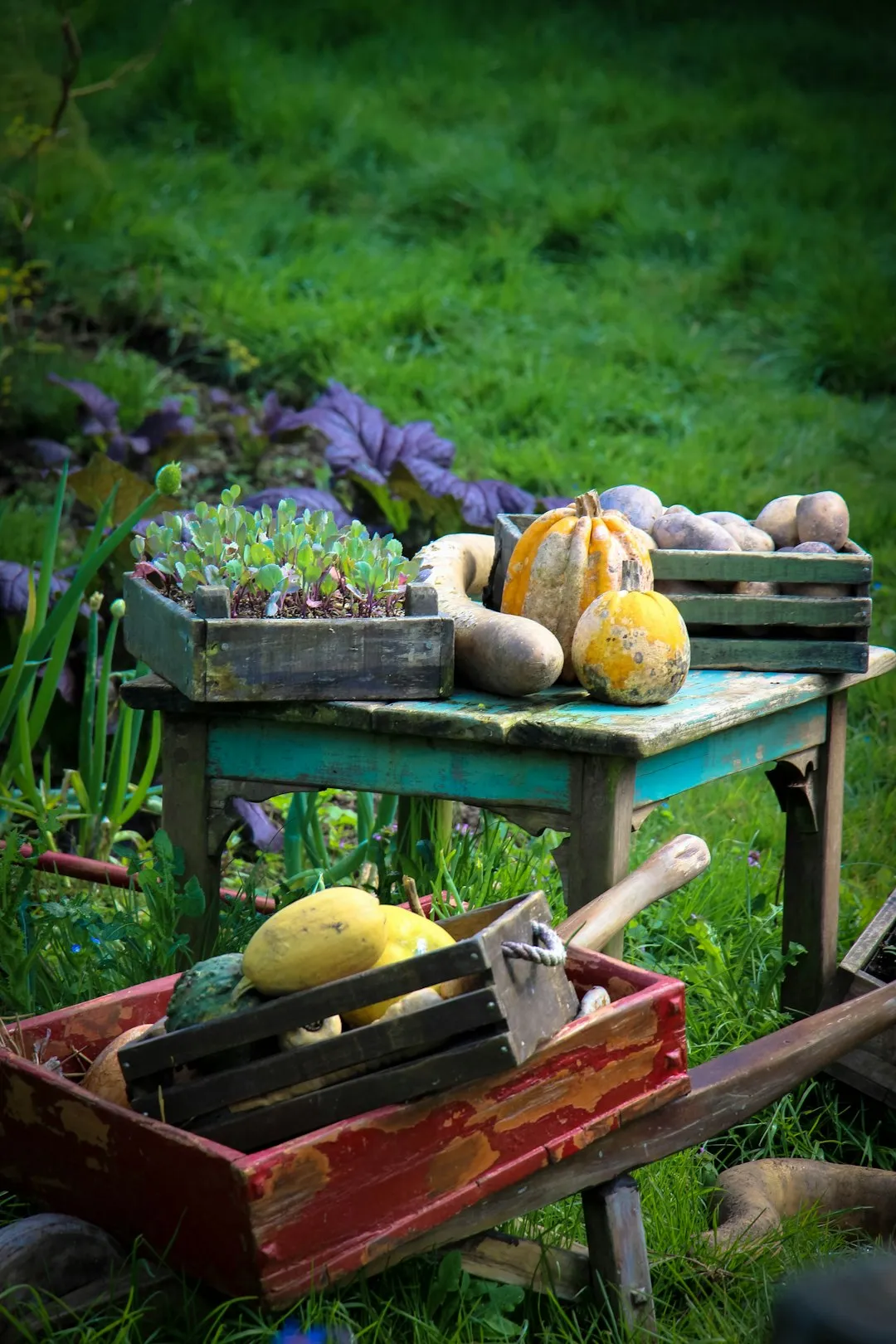
Unveiling the Wonders of Gourds in Your Edible Garden
Unveiling the Wonders of Gourds in Your Edible Garden
9 Tips for Companion Planting Vegetables to Boost Harvests
Companion planting is a natural and organic gardening technique that helps repel pests and grow healthier plants. Use these smart tips to start companion planting in your vegetable garden.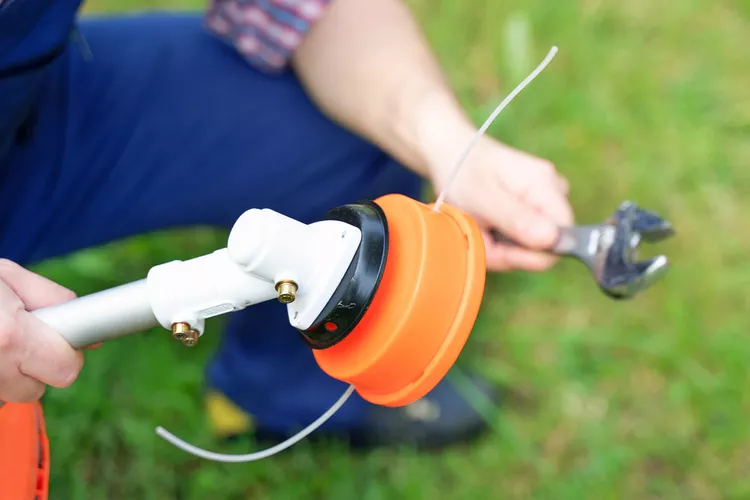
How to Restring a Weed Whacker in 4 Simple Steps
Use this step-by-step guide to properly replace the line on your weed trimmer.
Secrets to a Thriving Yard Garden
Secrets to a Thriving Yard Garden
The Secret to Gorgeous Hydrangea Blooms Next Season
The Secret to Gorgeous Hydrangea Blooms Next Season
Unleash the Beauty of Your Lawn: A Guide to Perfect Mowing
Unleash the Beauty of Your Lawn: A Guide to Perfect Mowing
Guide to Soils and Potting Mixes
We know the secret to a good potters soil. We'll show you how to tell if you need to amend your soil and what plants need to thrive in your current soil conditions.
How to Use Fertilizer for Plants According to Experts
Get expert tips on fertilizing plants, including the best formulation for both houseplants and garden plants, as well as how frequently you should feed them.
How to Make a DIY Indoor Compost Bin
Make your own DIY indoor compost bin. With our tips, you'll learn how to compost and reduce your kitchen waste to help the planet.
Unveiling the Secrets of a Thriving Lawn
Unveiling the Secrets of a Thriving Lawn
15 Super Plants for Texas Landscapes
These plants are superstars in Texas gardens and landscapes. Experts recommend them for their ability to thrive in south-central climates.
Your Seasonal Lawn-Care Schedule for the Northeast
Take the guesswork out of yard work. This lawn-care calendar lets you know when to mow, aerate, fertilize, and seed your yard in the Northeast.
How to Make Compost Tea That Will Give Your Plants a Natural Boost
Learn how to make compost tea with this simple guide and recipes. Plus get tips for using compost tea to give all your plants a boost.