
I greet every gardening season with bushels of ambition. But when summer’s weeds launch their takeover and sticky heat settles in, I’m ready to throw in the trowel. This year, inspired by the agricultural trend of cover cropping, I decided to delegate weed management to a self-reliant crop that would also build soil health in my 225-square-foot Midwestern plot.
Cover Crop Benefits
Cover cropping can benefit any garden, says horticulture educator Chris Enroth with Illinois Extension. In addition to crowding out weeds, it puts down roots that feed the soil’s community of living organisms—including fungi, bacteria, and earthworms—that provide nutrients to future plantings.
A cover crop’s roots and organic materials also loosen compacted soil and produce binding agents. These help soil filter water to plant roots and hold some of it there for later rather than pooling it on the surface or letting it run off, taking soil with it.
Loosening up soil is especially important in suburban areas, where developers often use large equipment to remove topsoil and compact the remaining earth for stability before construction. Restoring soil health is also vital in gardens you’ve tilled repeatedly, a process that can inadvertently compact the deeper layers and disrupt the healthy, functioning environment of plants, soil, and microorganisms (aka the microbiome) closer to the surface.
Instead of harvesting a cover crop, a farmer or gardener chooses the right time to terminate its growth. Depending on the plant family, the natural mulch that remains can also serve as a slow-release fertilizer.
Ready to give cover cropping a try? Here’s how:
Step 1: Pick Your Season to Plant a Cover Crop
You can plant a cover crop almost any time in your growing season. A spring cover crop will do its magic while giving you a break from gardening in the hottest part of summer. A late summer or fall cover crop will take up nutrients that would otherwise leach off underground with rain and snowmelt. Some, like winter rye, will grow all winter long in warmer states and go dormant in colder ones, resuming their growth in early spring. Others, like oats, field peas, and annual rye, will die off but hold soil in place when the cold winds blow and serve as mulch for spring plantings.
Step 2: Choose a Garden Cover Crop
Many home garden centers have begun to carry seeds for garden cover crops. For even more options, check out a rural community feed and seed store that serves commercial fruit and vegetable growers, Enroth says. Staff at any location stocking cover crop seed will help you make the best choice.
If you’d rather learn and shop from your couch, start with the extension service website for your state or one nearby to find blogs and videos on how to select and manage a garden cover crop in your region. Already have a favorite seed catalog or website? Check there as well for cover crop options with detailed descriptions of their benefits and growing habits.
I went with buckwheat, which flowers when few other plants are pollinating in my area and releases phosphorus to energize garden plantings. Enroth plants daikon radishes, or tillage turnips, in his Illinois garden to break up the soil structure for future potato crops. As a bonus, his kids like pulling up the roots of the cover crops to see who can find the biggest one.
Step 3: Plant Cover Crop Seeds
Planting most cover crops is a simple matter of scratching the soil with a garden rake or broad fork and broadcasting the seed by hand. Water your seeds with a light mist to avoid moving them around on the soil surface, which can leave bare spots.
I sowed my buckwheat in mid-May, just before my spring snap peas began to die back. Because my garden is beside the house and I wasn’t sure how a cover crop would look from the street, I planted four rows of Queen Lime zinnia seeds across the front of the bed. As an exercise in hope, I added a few hills of pumpkin seeds farther back, crossing my fingers that they would get a foothold among the buckwheat and take off later, after my cover crop’s job was done.
Enroth and his family plant their cover crop in late summer, scattering seed for oats and field peas under their garden’s canopy of tomatoes and peppers. Later, after they remove their summer veggie plants, the cover crops continue to thrive, dying off after a prolonged freeze and eliminating the need to terminate them in the spring.
Step 4: Scout Your Plants
The beauty of a cover crop is its self-sufficiency, but if you leave it to its own devices, its descendants might compete with the veggies or flowers you plant next year. To prevent your crop from setting seeds, you’ll need to scout it regularly so you can terminate its growth before the seeds ripen.
The task becomes a little trickier if you’re dedicated to feeding pollinators, because you’ll want to let those flowers bloom for a bit first. My buckwheat began flowering about a month after planting, but I was able to let it hum with bumble and native bees for almost two weeks before ending its growth. By then, the pumpkins I’d tucked in with the buckwheat were thriving, their leaves hovering over its flowers like big green platters.
Step 5: Terminate Your Cover Crop
To end your crop’s growth, you’ll need to crimp (cut or break) the stems while leaving roots in the soil, where they will continue to build organic matter and release nutrients as they decompose.
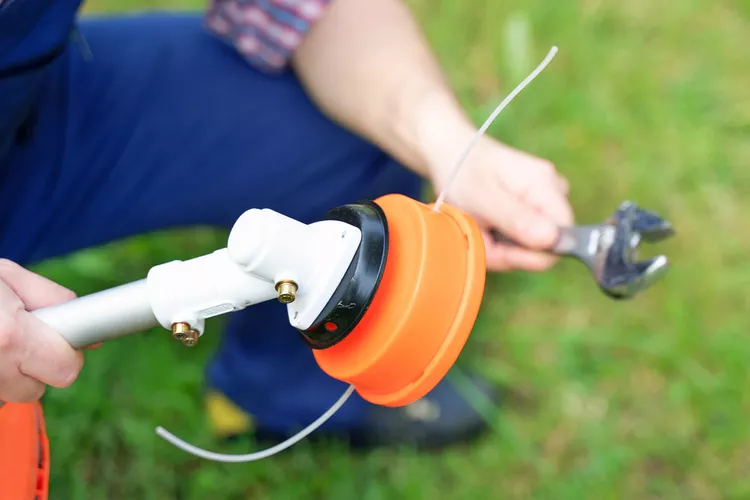
You can use a hedge trimmer to crimp buckwheat and other broadleaf plants. For grass crops like annual ryegrass, a weed whacker will do the job. A tougher grass like winter rye might require a brush cutter, which you can rent inexpensively from a hardware store or a tool library. If you interplant a vining or vegetable crop like I did, you can use a manual tool, like hedge or garden shears, to trim away the cover crop nearby.
You can also make a DIY tool for crimping cover crops. One of Enroth’s colleagues attaches a piece of angle iron to a 2 x 4, then uses it to smash down his cover crops with his foot. Another pulls his three kids on a plastic sled over his winter rye. As the plants are pushed over, they form a thick layer that distributes the kids’ weight evenly under the sled.
Whatever method you choose, take care to avoid compacting your soil by walking on it, especially when it’s wet. The average human heel in motion applies about 25 pounds per square inch, similar to the impact of a truck tire.
You might be tempted to turn your “green manure” into the soil to encourage decomposition, but it’s not necessary and can disrupt the soil’s microbiome. Just leave the green stuff on top of the soil. It will dry and break down slowly, naturally nurturing the fruits, veggies, and other plants you want to grow there next season.