Baking Soda for Plants? Here’s Why That’s Not a Good Idea

8.6K
859
214
2025-11-05
Baking Soda for Plants? Here’s Why That’s Not a Good Idea

Baking soda can work wonders around the house and kitchen, such as adding airiness to a quick bread recipe, tenderizing meat, or freshening laundry. But baking soda for plants in your garden can do more harm than good, despite the claims you may have come across on social media. Here's why, and what to use instead to help your garden thrive.

What Is Baking Soda?

Sodium bicarbonate, aka baking soda, is essentially a salt with a wide range of uses, including baking, odor elimination, and cleaning. Naturally gritty, slightly alkaline, and relatively safe for consumption in small amounts, baking soda is also touted as a natural alternative ingredient for many garden remedies.

Baking soda is manufactured from sodium carbonate (soda ash) and mined from the ground in the form of nahcolite or trona. Both minerals occur in large deposits throughout the world, with the largest known deposits located in the state of Wyoming.

Why Do People Use Baking Soda for Plants?

Baking soda’s supposed anti-fungal properties have been spread around for many years as a natural home remedy to treat fungal infections, including black spot, powdery mildew, and a multitude of other fungi. When applied to plant leaves and stems, baking soda does slow or stop the growth of fungi. However, the benefits are fleeting at best.

Studies have shown that while baking soda impacts the growth of fungal spores, the spores and actively growing fungi are not killed. This is because baking soda acts on fungi by raising the pH around the plant, creating a more alkaline, somewhat inhospitable environment where fungal spores are unable to continue to grow. However, once the baking soda is washed off the plant, the pH levels return to normal, necessitating additional applications to keep fungal growth in check.

Other claims around using baking soda for plants and gardens include boosting blooms, killing weeds, and controlling insect pests. None of these are scientifically backed and aren't effective ways of achieving any of these aims.

The Risks of Using Baking Soda for Plants

While stopping the growth of fungal spores might sound like a great idea on the surface, let's take a deeper look into using baking social in your garden.

Baking soda is a salt, and all salts—along with other minerals in excess—can be detrimental to plant growth. Salt acts as a desiccant on plants and causes wilted foliage, stunted growth, and eventually, death. Healthy plants can quickly go downhill from an excess of salts. And if you've ever seen what happens to plants in the path of de-icing salt applied in winter, you know just how detrimental high salt levels can be to plants.

Another issue with baking soda is that it can dramatically change the pH of the soil. Most plants have a preferred soil pH range in which they grow. Outside of their preferred range, they begin to have trouble absorbing certain key nutrients such as phosphorus properly and can become nutrient deficient even when fertilizer is added. 

Alternatives to Baking Soda

While baking soda might be touted as a safer alternative to other fungicides, it doesn’t eradicate fungal spores and has the potential to alter soil pH levels negatively. Instead of using baking soda, check out these organic alternatives.

Neem Oil

Neem oil is extracted from the neem tree native to the Old World. It works as an organic pesticide and miticide, and is an excellent fungicide. Use neem oil to treat a range of fungal infections, including powdery mildew, black spot, and rust, to name a few. Neem oil is typically mixed with water and sprayed liberally onto the leaves and stems of plants. Neem can be used on most plants and is best applied after sunset or otherwise out of direct sunlight to avoid burning plants.

Copper Spray

While copper is essential in small quantities, concentrated copper sprays fight fungal infections by destroying fungal cells on contact. Use a copper spray to prevent the spread of fungi—especially while plants are dormant. For example, copper sprays are commonly used on dormant roses and fruit trees to prevent future outbreaks. 
Frequently Asked Questions

  • Does baking soda kill weeds?

    Baking soda is a salt and a high enough concentration of salt in soil will kill weeds, along with any other nearby plant, so it is not recommended for weed control.

  • Can baking soda sweeten tomatoes on the vine?

    Baking soda has no effect on the flavor of tomatoes. The variety of tomato and other environmental factors such as watering frequency affect tomato flavor.

Related Article

Visiting the Better Homes & Gardens Test Garden®
1.8K
124
12

Visiting the Better Homes & Gardens Test Garden®

The BHG Test Garden is a beautiful green space that has something to see in all seasons.
Silencing the Siding Peckers: A Gardener's Guide
47.2K
3.3K
1.4K

Silencing the Siding Peckers: A Gardener's Guide

Silencing the Siding Peckers: A Gardener's Guide
The Allure of Annuals China Aster in Your Garden
15.9K
796
206

The Allure of Annuals China Aster in Your Garden

The Allure of Annuals China Aster in Your Garden
The Secret of Endless Blooms: Long - Blooming Perennials
44.7K
894
402

The Secret of Endless Blooms: Long - Blooming Perennials

The Secret of Endless Blooms: Long - Blooming Perennials
The Hardy Agave: A Cold - Resistant Floral Wonder
22.1K
882
379

The Hardy Agave: A Cold - Resistant Floral Wonder

The Hardy Agave: A Cold - Resistant Floral Wonder
How to Plant and Grow Muscadine Grapes
49.3K
4.4K
1.2K

How to Plant and Grow Muscadine Grapes

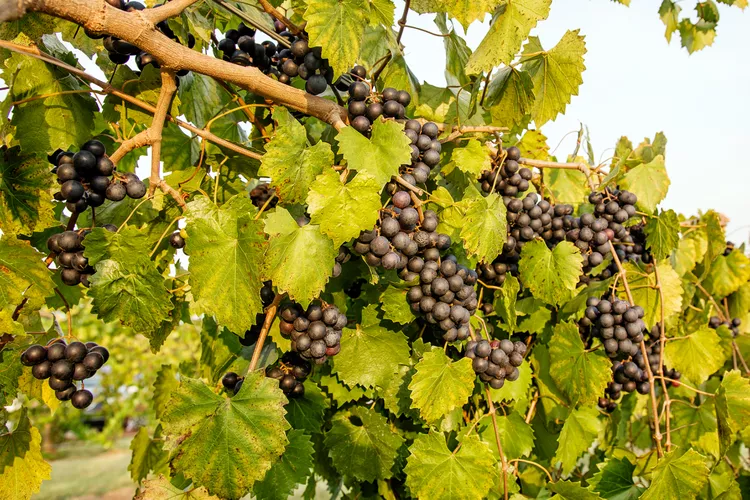
Learn how to plant and grow muscadine grapes and harvest delicious fruit for fresh eating, preserves, and wine.
How to Plant and Grow Lima Beans
23.5K
704
253

How to Plant and Grow Lima Beans

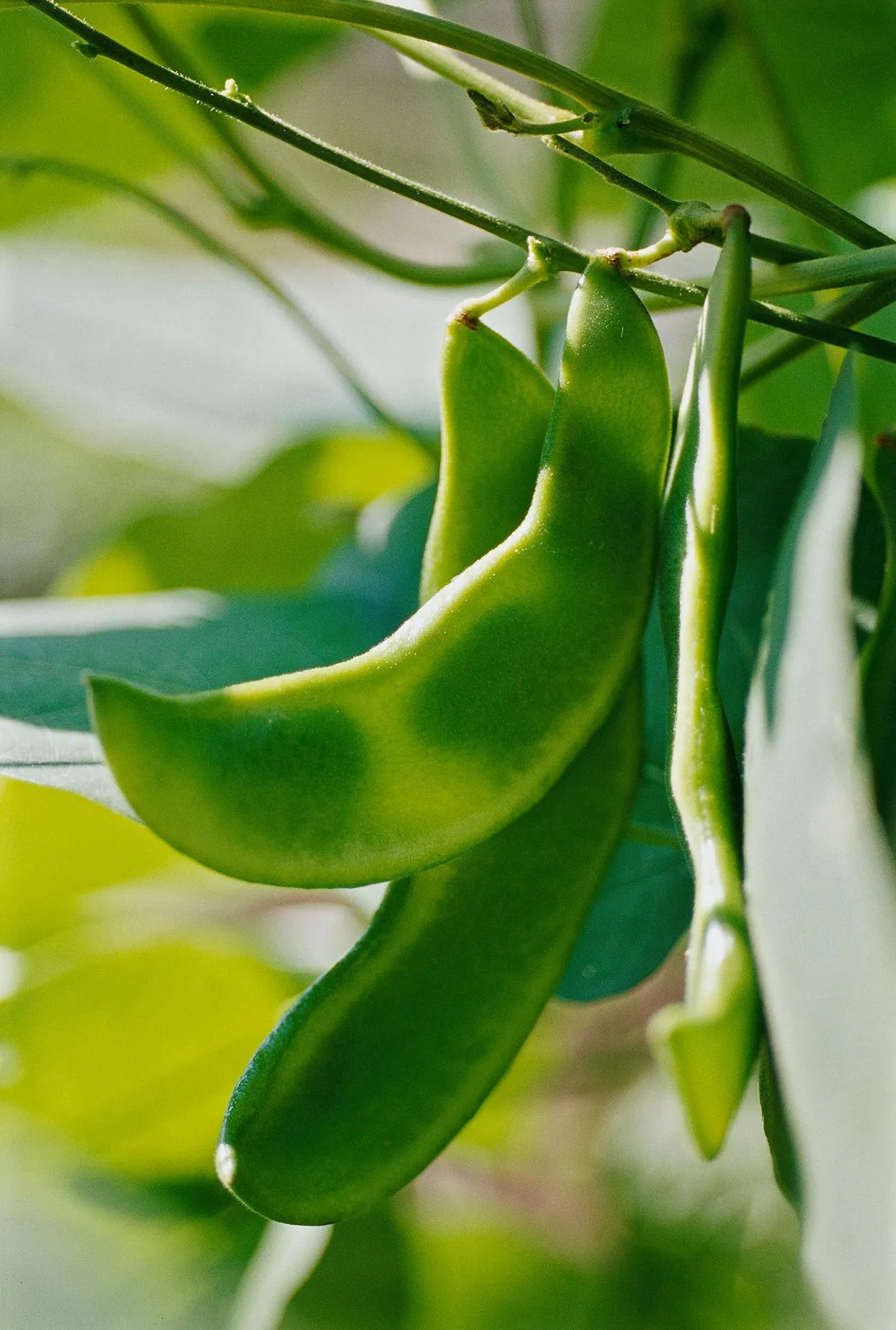
Find essential tips for growing lima beans, also known as butter beans, to pick them fresh or dry them for later use.
Unveiling the Wonders of Gourds in Your Edible Garden
28.6K
2K
559

Unveiling the Wonders of Gourds in Your Edible Garden

Unveiling the Wonders of Gourds in Your Edible Garden
9 Tips for Companion Planting Vegetables to Boost Harvests
1.4K
97
40

9 Tips for Companion Planting Vegetables to Boost Harvests

Companion planting is a natural and organic gardening technique that helps repel pests and grow healthier plants. Use these smart tips to start companion planting in your vegetable garden.
How to Restring a Weed Whacker in 4 Simple Steps
7K
489
239

How to Restring a Weed Whacker in 4 Simple Steps

Use this step-by-step guide to properly replace the line on your weed trimmer.
Secrets to a Thriving Yard Garden
45.6K
4.6K
2.2K

Secrets to a Thriving Yard Garden

Secrets to a Thriving Yard Garden
The Secret to Gorgeous Hydrangea Blooms Next Season
36.3K
1.1K
543

The Secret to Gorgeous Hydrangea Blooms Next Season

The Secret to Gorgeous Hydrangea Blooms Next Season
Unleash the Beauty of Your Lawn: A Guide to Perfect Mowing
33.1K
1.3K
145

Unleash the Beauty of Your Lawn: A Guide to Perfect Mowing

Unleash the Beauty of Your Lawn: A Guide to Perfect Mowing
Guide to Soils and Potting Mixes
35.4K
354
148

Guide to Soils and Potting Mixes

We know the secret to a good potters soil. We'll show you how to tell if you need to amend your soil and what plants need to thrive in your current soil conditions.
How to Use Fertilizer for Plants According to Experts
45.7K
2.7K
575

How to Use Fertilizer for Plants According to Experts

Get expert tips on fertilizing plants, including the best formulation for both houseplants and garden plants, as well as how frequently you should feed them.
How to Make a DIY Indoor Compost Bin
46.4K
1.4K
431

How to Make a DIY Indoor Compost Bin

Make your own DIY indoor compost bin. With our tips, you'll learn how to compost and reduce your kitchen waste to help the planet.
Unveiling the Secrets of a Thriving Lawn
19.8K
197
98

Unveiling the Secrets of a Thriving Lawn

Unveiling the Secrets of a Thriving Lawn
15 Super Plants for Texas Landscapes
41.7K
2.5K
776

15 Super Plants for Texas Landscapes

These plants are superstars in Texas gardens and landscapes. Experts recommend them for their ability to thrive in south-central climates.
Your Seasonal Lawn-Care Schedule for the Northeast
43.4K
1.3K
429

Your Seasonal Lawn-Care Schedule for the Northeast

Take the guesswork out of yard work. This lawn-care calendar lets you know when to mow, aerate, fertilize, and seed your yard in the Northeast.
How to Make Compost Tea That Will Give Your Plants a Natural Boost
11K
548
169

How to Make Compost Tea That Will Give Your Plants a Natural Boost

Learn how to make compost tea with this simple guide and recipes. Plus get tips for using compost tea to give all your plants a boost.