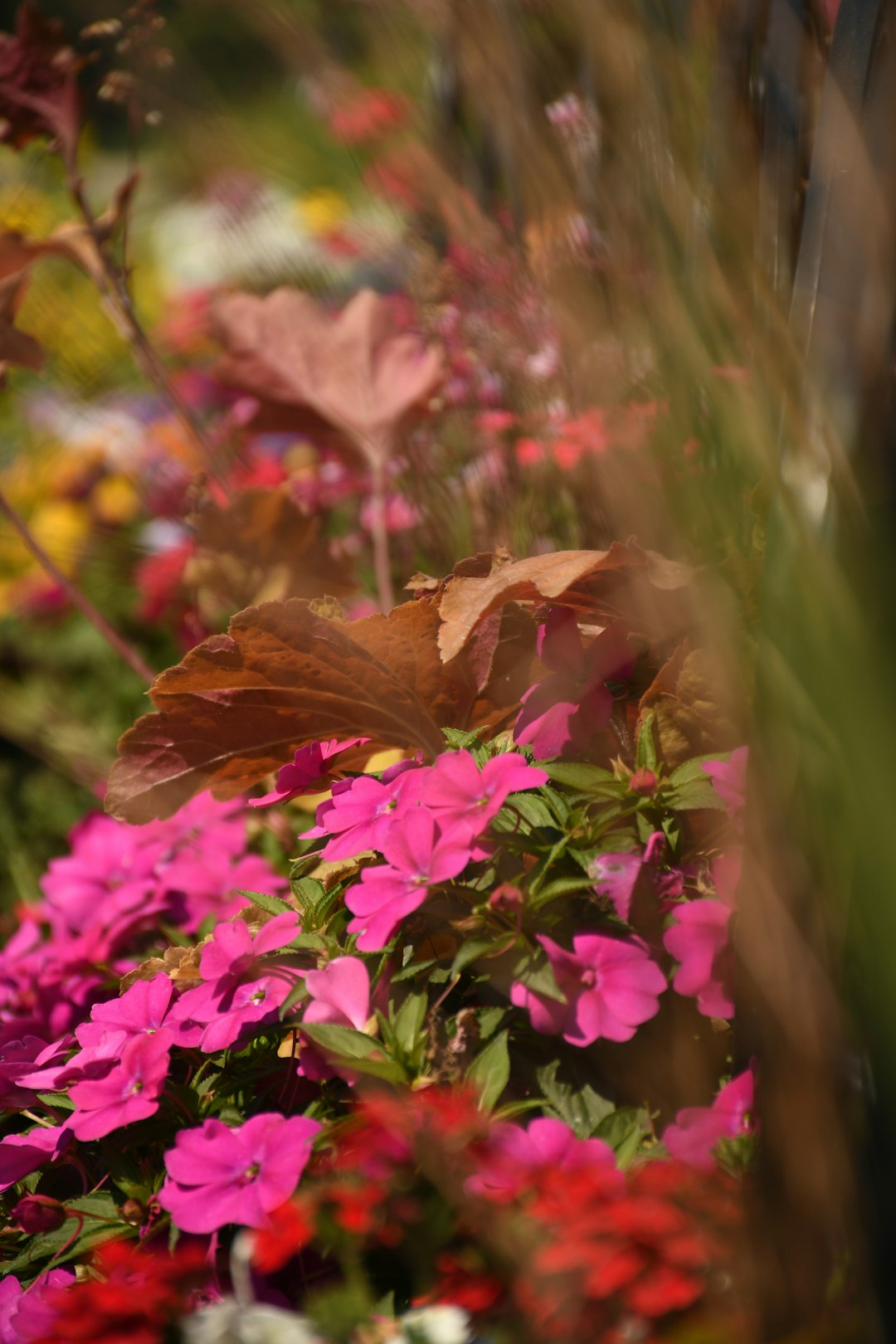

Creating a backyard wildlife habitat can be quite simple. Planting native plants and nectar-rich flowers, supplying food and water sources, and avoiding pesticides are some of the keystones for attracting fascinating creatures such as birds and butterflies to your garden. Start creating a wildlife garden with the tips and ideas in this guide.
Mix Up Flower Shapes
Different types of pollinators prefer different shapes of flowers. Some like flat clusters of tiny flowers, and others seed out trumpet-shaped blossoms, for example. In the garden shown here, native plants such as coneflower, New England aster, and butterfly weed offer a variety of flower shapes to attract a larger variety of wildlife.
Create a Layered Look
You'll attract the biggest variety of wildlife with multi-tiered, densely packed arrangements of deciduous and evergreen trees, understory fruiting shrubs and vines, and ground-level grasses and perennials. The garden shown here has a wildlife-pleasing composition of perennials, shrubs, and trees that supply sustenance and structure throughout the year. Coneflower, Russian sage, sedum, salvia, hyssop, phlox, and hydrangea were chosen for their pollinator potential.
Restore Native Plant Communities
Planting indigenous flowers and grasses among native trees and shrubs creates a self-sustaining environment that supports resident birds, butterflies, bees, amphibians, and mammals through the seasons. Plus, native plants require less maintenance than non-native species because they are better suited to the soil and climate.
Keep an eye out for invasive plants that may try to sneak into your garden. These include purple loosestrife, Japanese knotweed, crown vetch, and multiflora rose, all of which can spread rampantly.
Cultivate a Meadow
A wildflower meadow takes some planning and preparation to pull off successfully, but it can be a sustainable lawn alternative as well as an excellent wildlife habitat. Much like any garden, you'll need to consider your soil type, moisture levels, and sunlight patterns, then choose wildflower seed mixes designed to grow well in your region. It's also important to stay on top of weeding, especially as your meadow gets established.
Put in a Pond
A pond can provide refreshing drinks for wildlife and habitat for fish, frogs, and other water-loving creatures. Thoughtfully placed plants, including hardy and tropical water lilies, papyrus, and arrowhead, in and around the water are key ingredients for a healthy ecosystem.
Add a Bird Bath
Bird baths are a simple way to attract wildlife, especially feathered friends who appreciate a place to safely drink and bathe. Bird baths are available in a variety of styles and materials. Birds prefer shallow basins no more than 2 inches deep with a rough surface for good gripping. For protection against lurking cats and other predators, place a bird bath a few feet from a tree or shrub so that the area immediately surrounding it is open yet close enough to sheltered perches for quick getaways.
Provide Cover
Hedgerows and densely planted beds provide birds and other small animals shelter from predators and the elements. Native trees and shrubs offer ideal spots for nesting and raising young. Brush piles give critters alternative habitats. Leave trimmings from trees and shrubs in an out-of-the-way corner of your yard.
Install Birdhouses
Include birdhouses to entice nesting pairs to raise their broods in your backyard. Placement depends on the species you're trying to attract. For example, wrens like to have trees nearby, but bluebirds need big, open areas. Holes vary by species, too—they should be just big enough for the desired resident to fit through. (Most cavity-nesting birds use boxes with 1½ inch-diameter holes.)
To avoid territorial disputes, hang birdhouses away from feeding stations and space them a minimum of 25 feet apart. Use sturdy hardware to attach a birdhouse to a post or tree trunk. A metal baffle will discourage egg-stealing predators, such as raccoons and snakes.
Never use a nesting box with a perch; they invite invasions by pest birds.
Plant a Window Box for Butterflies
If garden space is scarce, even a window box in a sunny spot can help lure butterflies to your yard. Fill the boxes with butterfly favorites such as lantana, verbena, pentas, and zinnia to keep winged visitors returning for nectar all season. Some butterfly species will lay their eggs on parsley leaves, so adding some of this herb to your window box provides even more value to both the insects and you if you want to pluck a few leaves for garnish.
Include Host Plants for Caterpillars
Butterfly larvae have their own food preferences. While adults fly from flower to flower sipping sweet nectar, their wriggly offspring are content to feast on a single host plant. Parental instinct guides each species to lay eggs on the plants their offspring favor. Favorite caterpillar cuisine includes parsley, dill, fennel, milkweed, willow, Queen Anne's lace, spicebush, and white clover.
Think Seasonally About Nectar Plants
To attract the greatest variety of pollinators to your garden, aim to have nectar plants in bloom throughout the growing season. A mix of blooming annuals and perennials is one way to keep the flower buffet going from spring into fall. Plenty of native trees and shrubs also provide nectar with their flowers.
Keep Color in Mind
If you want to attract specific kinds of pollinators, planting flowers that bloom in certain colors can help. For example, hummingbirds most readily see red and orange, so they will flock to trumpet-shaped flowers in these hues. Once in your garden, these tiny birds will also visit flowers in other colors. Some top flowers for hummingbirds include hummingbird mint (shown here), bee balm, scarlet sage, penstemon, and cardinal flower.
Avoid Pesticides
A backyard wildlife habitat will often include creatures that eat your plants. Pesticides can harm more than the target insect, which means the butterflies and bees you're trying to support. If you plant a diverse mix of plants, especially natives, pests are unlikely to do much damage to your garden so it's best to accept a little imperfection just let nature take its course.
Select Fruiting Trees
Fruit-eating birds such as robins, brown thrashers, and cedar waxwings flock to landscapes that feature fruit-bearing trees and shrubs. Native species that fit into yards large and small include serviceberry, crabapple, and hawthorn.
Grow Berries
Tuck berry-producing plants into your landscape, and you'll enjoy flocks of avian diners come berry season in late summer and early fall. Many of these shrubs hang onto their berries through the cold months to satisfy the appetites of wintering fruit eaters, such as cedar waxwings, chickadees, purple finches, and American robins. Excellent native shrubs include beautyberry, American cranberrybush, elderberry, chokeberry, winterberry, and coralberry.
Switch from Turf to Native Grasses
You don't have to turn over your whole lawn to native grasses, but any stands you grow will provide both habitat and food for birds. Native grasses serve up seed in fall and winter and supply spring nesting materials when left standing. In summer, they provide shelter and bugs for insect eaters such as bluebirds, sparrows, wrens, purple martins, and warblers. Some good choices include prairie dropseed, little bluestem, and switchgrass.
Grow Your Own Birdseed
Skipping garden cleanup in the fall is good for the seed-eating birds, who appreciate the seed heads on annuals, perennials, and grasses. Good sources for free birdseed include prairie natives, such as yellow coneflower, purple coneflower, black-eyed Susan, sunflower, and cup plant. In early spring, trim back the stalks before new growth begins.
Welcome Beneficial Bugs
Not all bugs are bad. Many notable exceptions, such as praying mantis, devote their lives to a noble cause: ridding our gardens of pests. This is good news for gardeners who want the best of both worlds—a pest-free garden and a healthy habitat for both people and wildlife. A habitat garden supports plenty of beneficial insects that will naturally help you keep pests at bay.
Provide Bird Feeders Year-Round
Many bird enthusiasts bring out their feeders only during the cold months when birds benefit the most from free handouts, but spring and summer feeding offers big rewards, too. By keeping feeders filled year-round, you get loyal patrons. Plus, you get to enjoy up-close the colorful plumage of birds, such as the eastern goldfinch, that put on their brightest wardrobes in summer.
To attract the widest array of birds, start with the basic four types of feeders: a tray feeder, a tube feeder, a suet feeder, and a nectar feeder.
Get Certified
The National Wildlife Federation has a certification program for wildlife habitats in gardens. Thousands of individual, community, school, and company landscapes have been certified as wildlife-friendly. Your yard could be next if you meet the requirements. Visit the National Wildlife Federation's Garden for Wildlife certification website for more information on having your backyard named a Certified Wildlife Habitat.