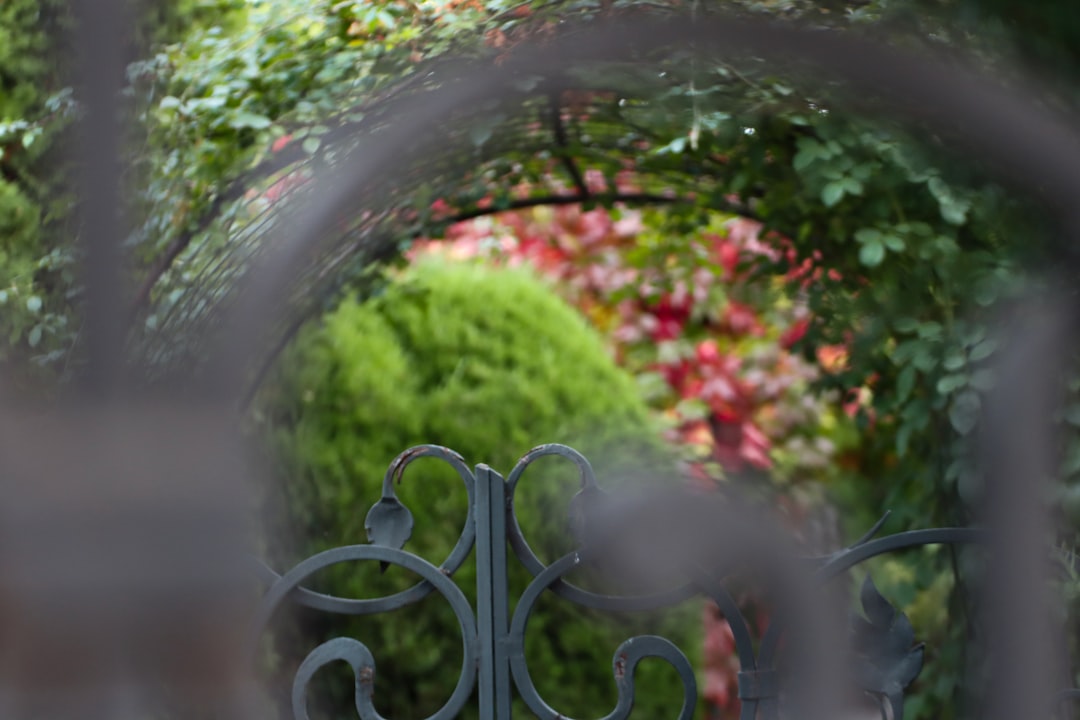
Creating a garden that stands the test of time is an art form that combines creativity, functionality, and a deep understanding of nature. In the world of garden design, there are several easy - to - follow principles that can guide you towards crafting a timeless outdoor space. Let's explore these essential elements that will transform your garden into a haven of beauty and tranquility.
One of the first steps in garden design is to understand the concept of balance. Balance in a garden can be either symmetrical or asymmetrical. Symmetrical balance involves creating two identical halves on either side of a central axis. This type of balance is often seen in formal gardens, where geometric shapes and neatly trimmed hedges are prominent. For example, a large fountain at the center of the garden with two identical flower beds on either side creates a sense of order and stability. On the other hand, asymmetrical balance is more organic. It involves arranging different elements in a way that still feels harmonious. You might place a large tree on one side of the garden and a group of smaller shrubs on the other side, using the mass and visual weight of the elements to create equilibrium.
Another crucial principle is proportion. The size of each element in your garden should be in proportion to the overall space. A large statue in a small garden can look out of place, while tiny decorative elements in a vast expanse of land can get lost. When choosing plants, consider their mature size. For instance, if you have a small front yard, opt for dwarf varieties of trees and shrubs. This ensures that your garden doesn't become overcrowded as the plants grow.
Rhythm and repetition are also key to a timeless garden design. Rhythm can be created through the repeated use of certain elements, such as the same type of flower or a particular shape. You could plant a row of lavender plants along a pathway, creating a visual rhythm that draws the eye. Repetition can also be used with hardscape elements, like using the same type of stone for the patio and the garden border. This creates a cohesive look and ties the different parts of the garden together.
Color is a powerful tool in garden design. A well - thought - out color scheme can enhance the mood and atmosphere of your garden. You can choose a monochromatic color scheme, using different shades of the same color. For example, a garden with various shades of pink, from pale blush to deep magenta, can create a soft and romantic feel. A complementary color scheme, on the other hand, involves using colors that are opposite each other on the color wheel, such as purple and yellow. This creates a vibrant and eye - catching contrast.
Texture adds depth and interest to a garden. Different plants have different textures, from the smooth leaves of hostas to the spiky foliage of yuccas. Combining plants with varying textures can create a multi - dimensional look. You can also incorporate hardscape elements with different textures, like a rough - hewn stone wall next to a smooth wooden bench. This contrast in textures makes the garden more visually appealing.
Functionality is an important aspect of garden design. Consider how you will use the garden. If you love to entertain, you might want to create a large patio area with comfortable seating. If you have children, a play area with soft grass and some climbing structures could be a great addition. A vegetable garden can be both functional and beautiful, providing you with fresh produce while adding a rustic charm to the outdoor space.
Finally, don't forget about the importance of maintenance. A timeless garden should be easy to maintain. Choose plants that are suitable for your climate and soil conditions. Native plants are often a great choice as they are adapted to the local environment and require less watering and fertilizing. Regular pruning and weeding will keep your garden looking its best.
In conclusion, by applying these easy design principles of balance, proportion, rhythm, color, texture, functionality, and maintenance, you can create a garden that is not only beautiful but also stands the test of time. Whether you have a small urban garden or a large rural estate, these principles can be tailored to suit your space and personal style, allowing you to enjoy a timeless outdoor oasis for years to come.
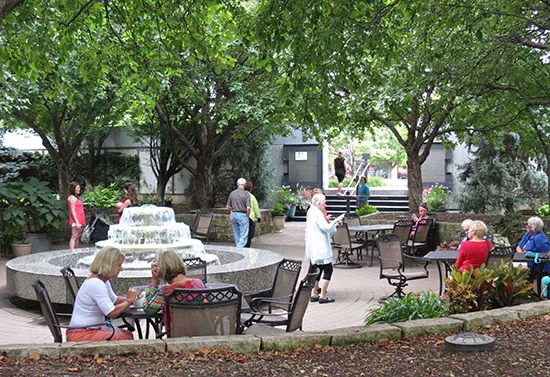
Visiting the Better Homes & Gardens Test Garden®
The BHG Test Garden is a beautiful green space that has something to see in all seasons.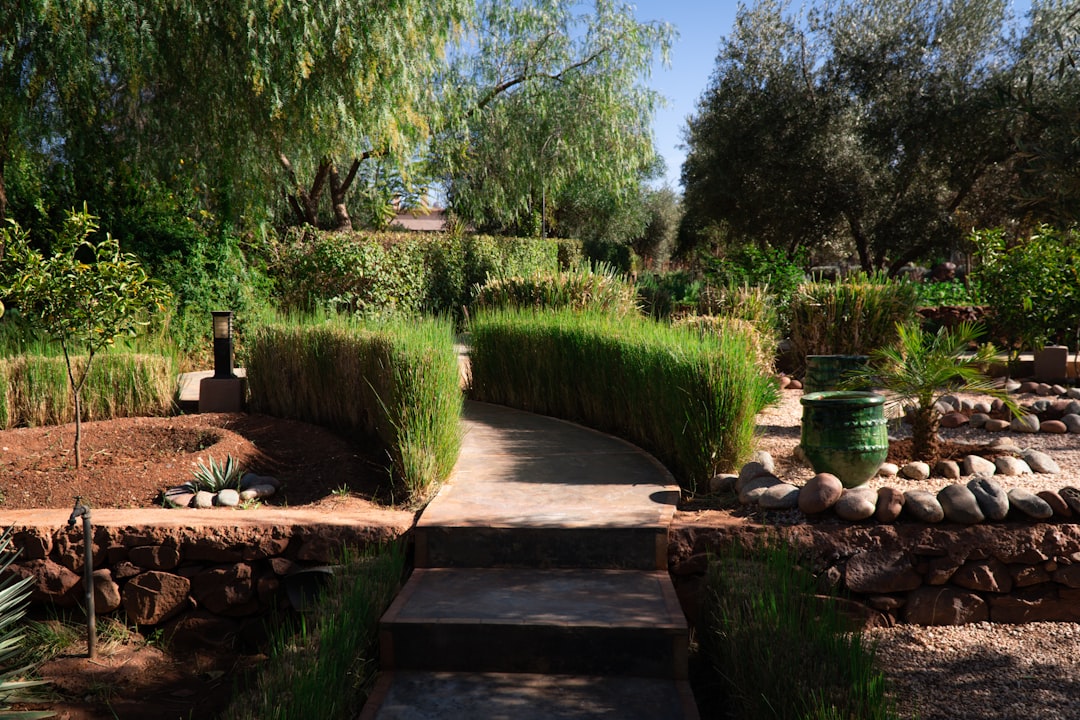
Silencing the Siding Peckers: A Gardener's Guide
Silencing the Siding Peckers: A Gardener's Guide
The Allure of Annuals China Aster in Your Garden
The Allure of Annuals China Aster in Your Garden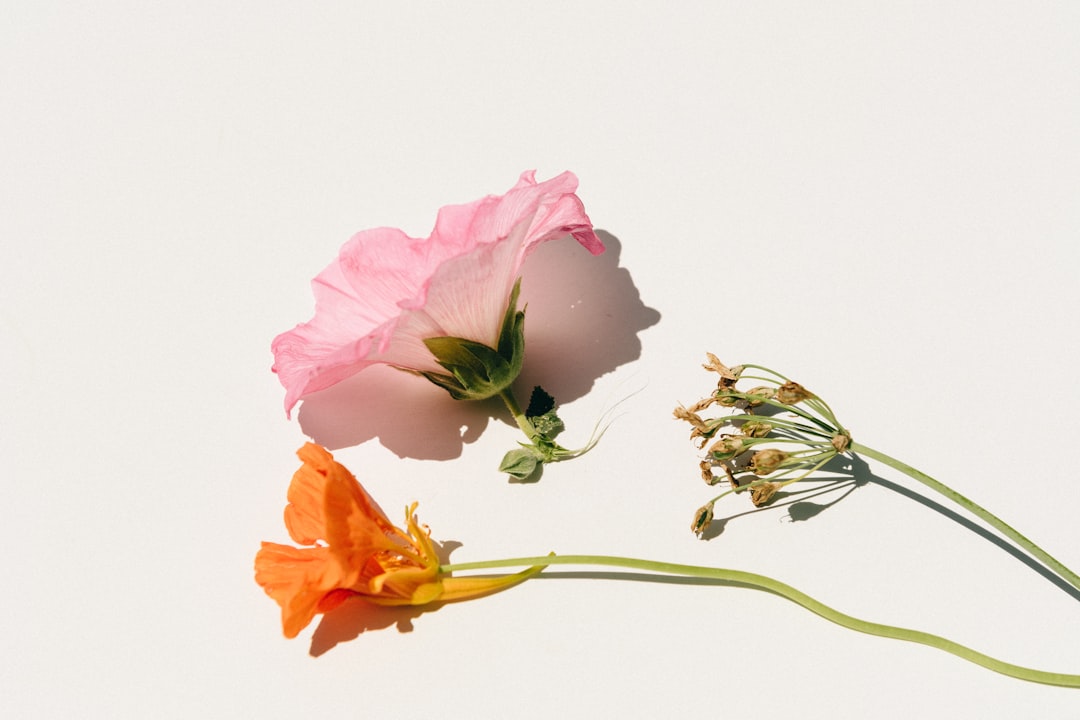
The Secret of Endless Blooms: Long - Blooming Perennials
The Secret of Endless Blooms: Long - Blooming Perennials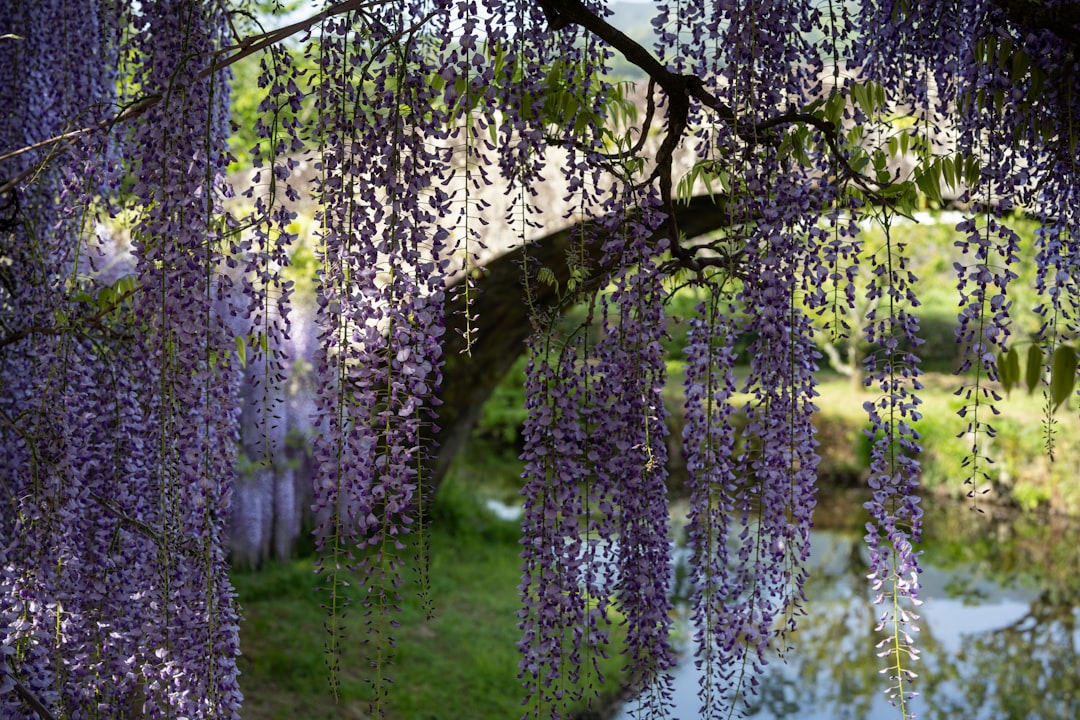
The Hardy Agave: A Cold - Resistant Floral Wonder
The Hardy Agave: A Cold - Resistant Floral Wonder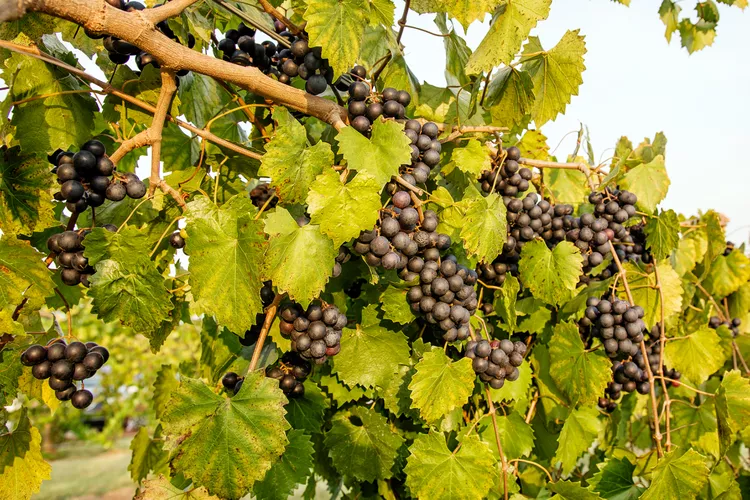
How to Plant and Grow Muscadine Grapes
Learn how to plant and grow muscadine grapes and harvest delicious fruit for fresh eating, preserves, and wine.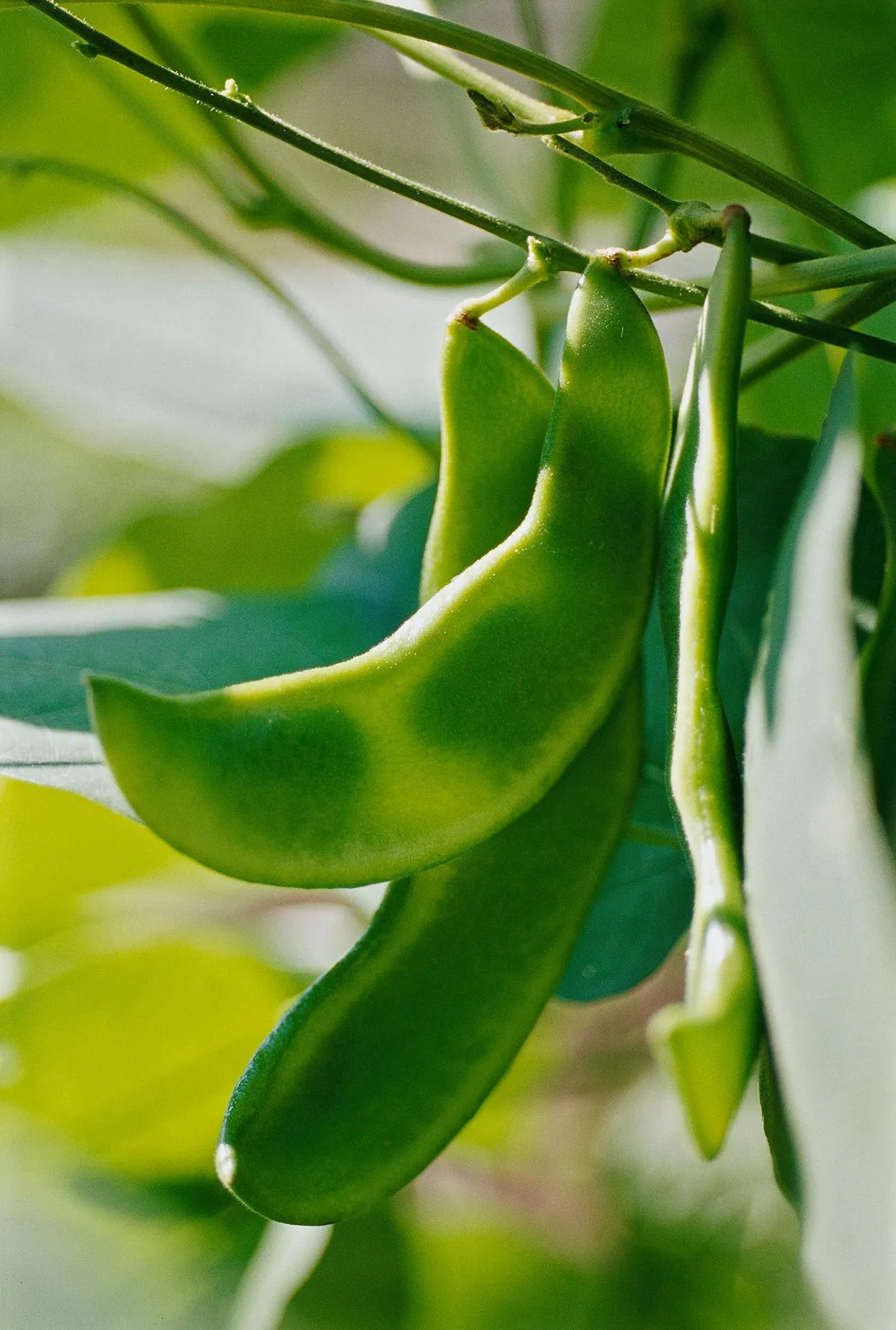
How to Plant and Grow Lima Beans
Find essential tips for growing lima beans, also known as butter beans, to pick them fresh or dry them for later use.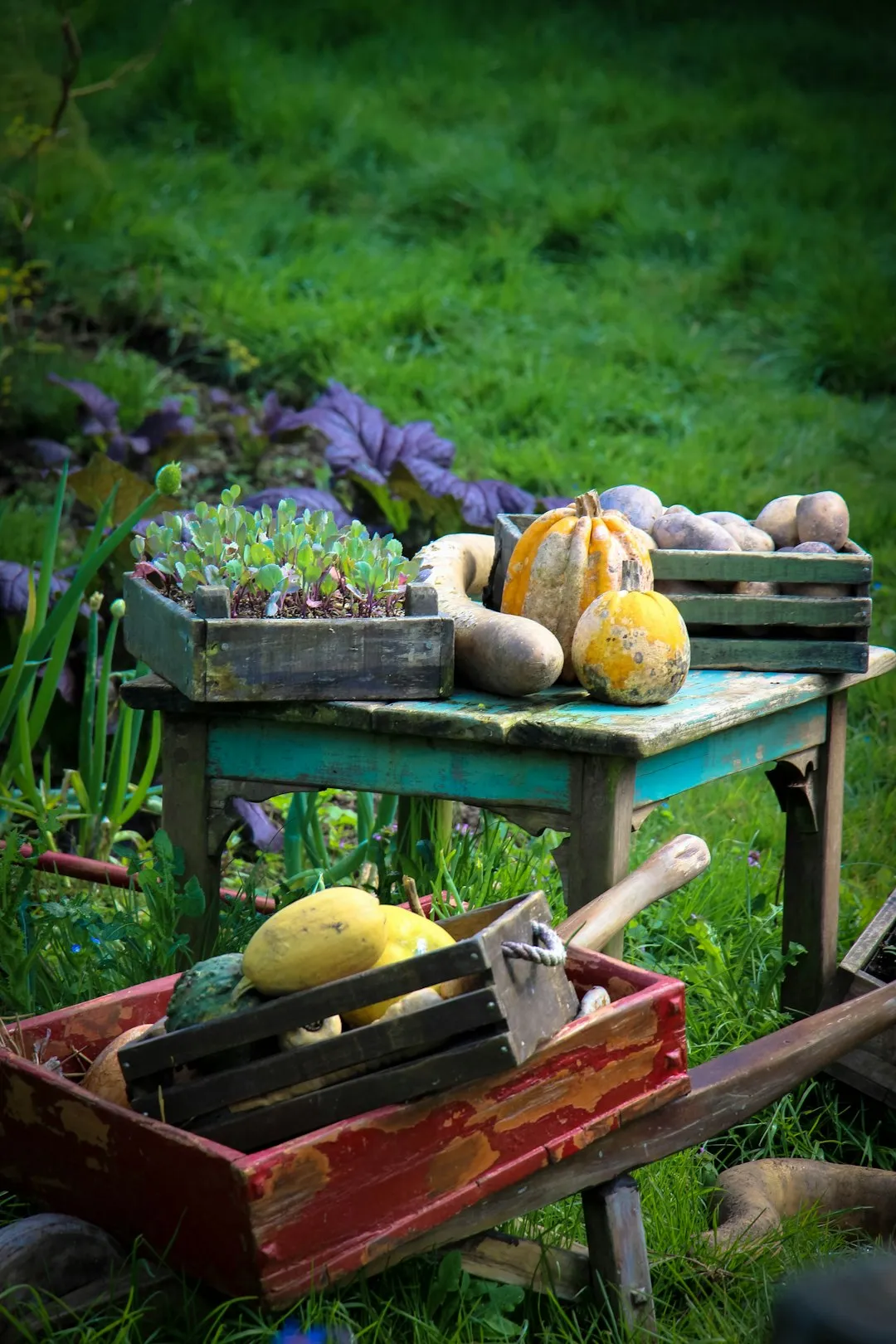
Unveiling the Wonders of Gourds in Your Edible Garden
Unveiling the Wonders of Gourds in Your Edible Garden
9 Tips for Companion Planting Vegetables to Boost Harvests
Companion planting is a natural and organic gardening technique that helps repel pests and grow healthier plants. Use these smart tips to start companion planting in your vegetable garden.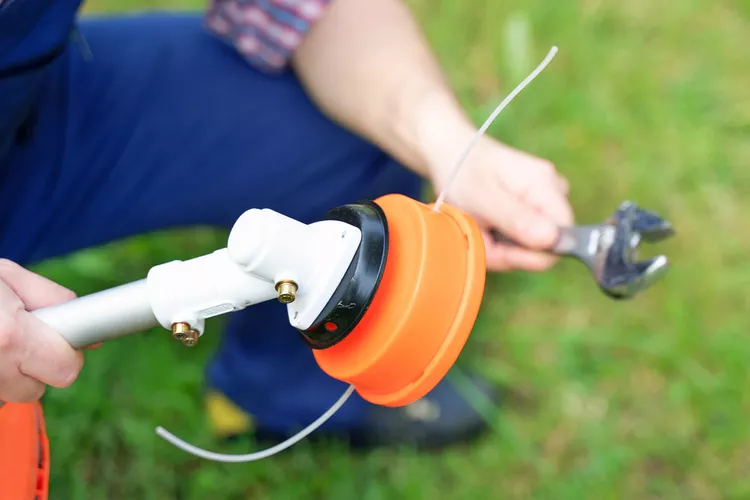
How to Restring a Weed Whacker in 4 Simple Steps
Use this step-by-step guide to properly replace the line on your weed trimmer.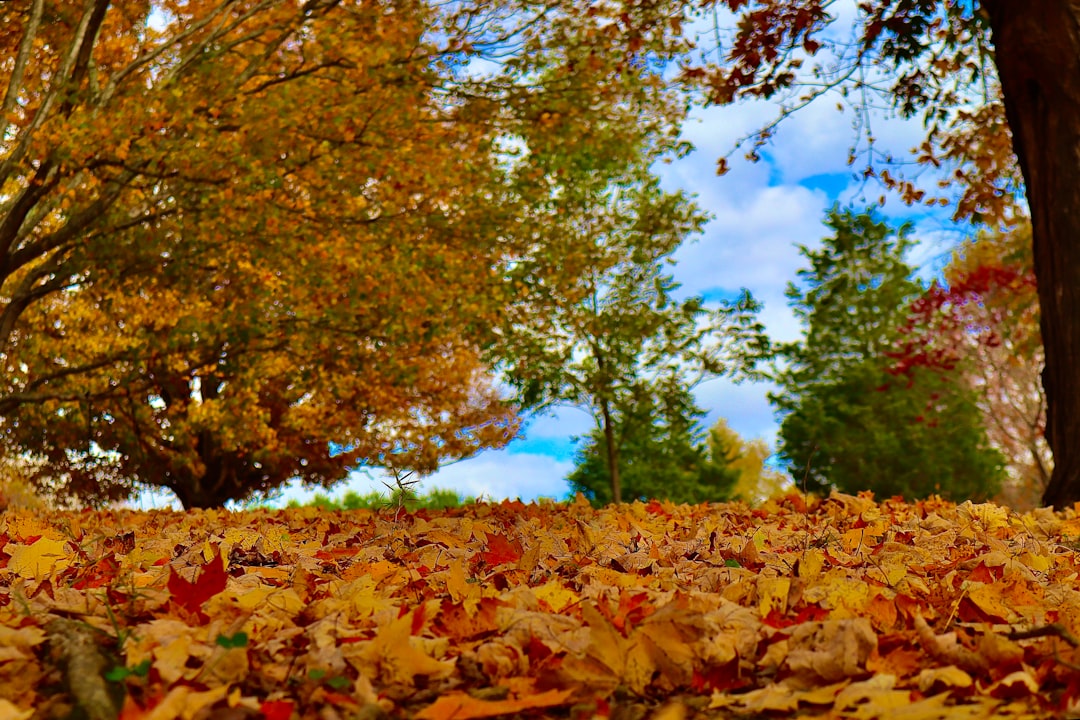
Secrets to a Thriving Yard Garden
Secrets to a Thriving Yard Garden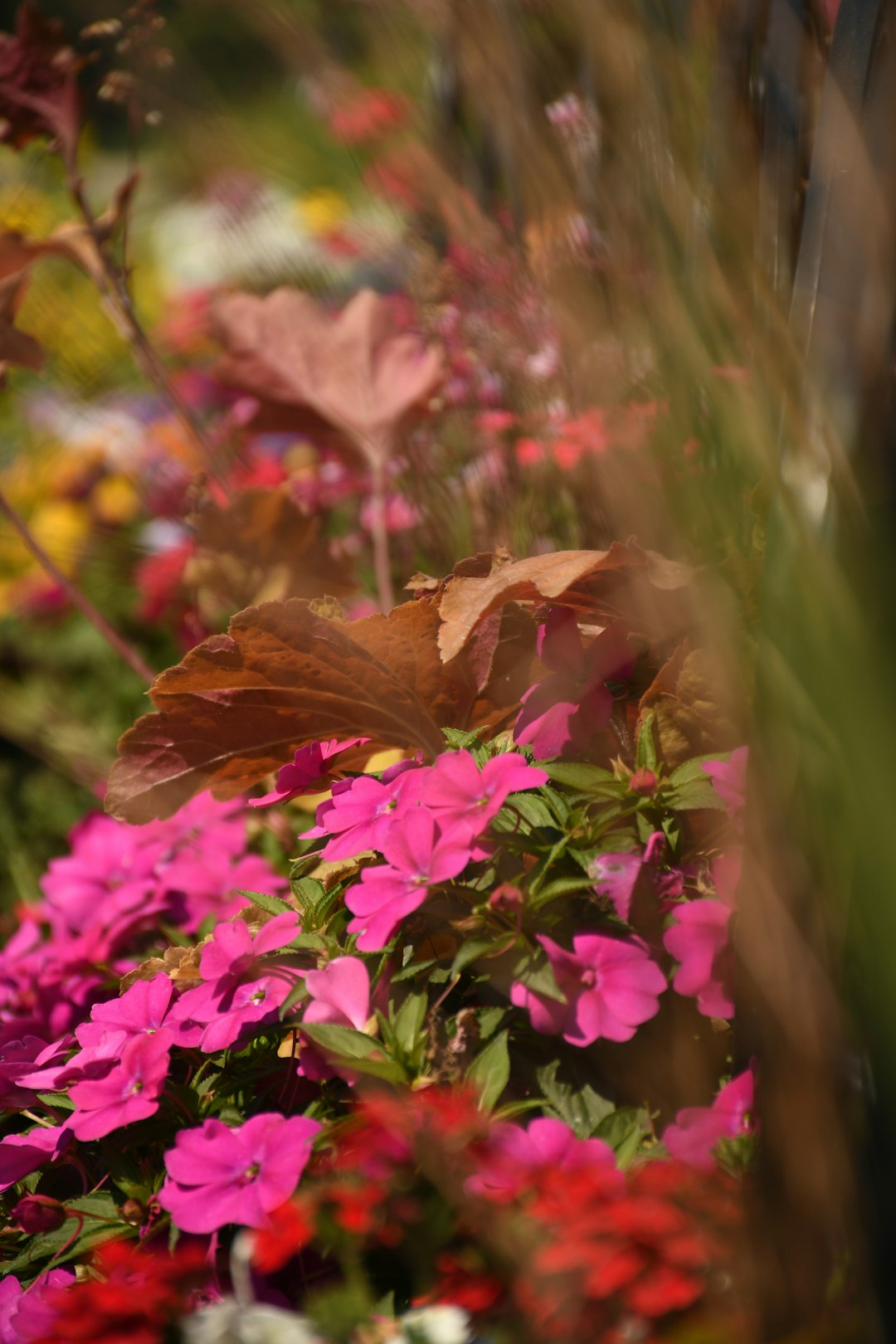
The Secret to Gorgeous Hydrangea Blooms Next Season
The Secret to Gorgeous Hydrangea Blooms Next Season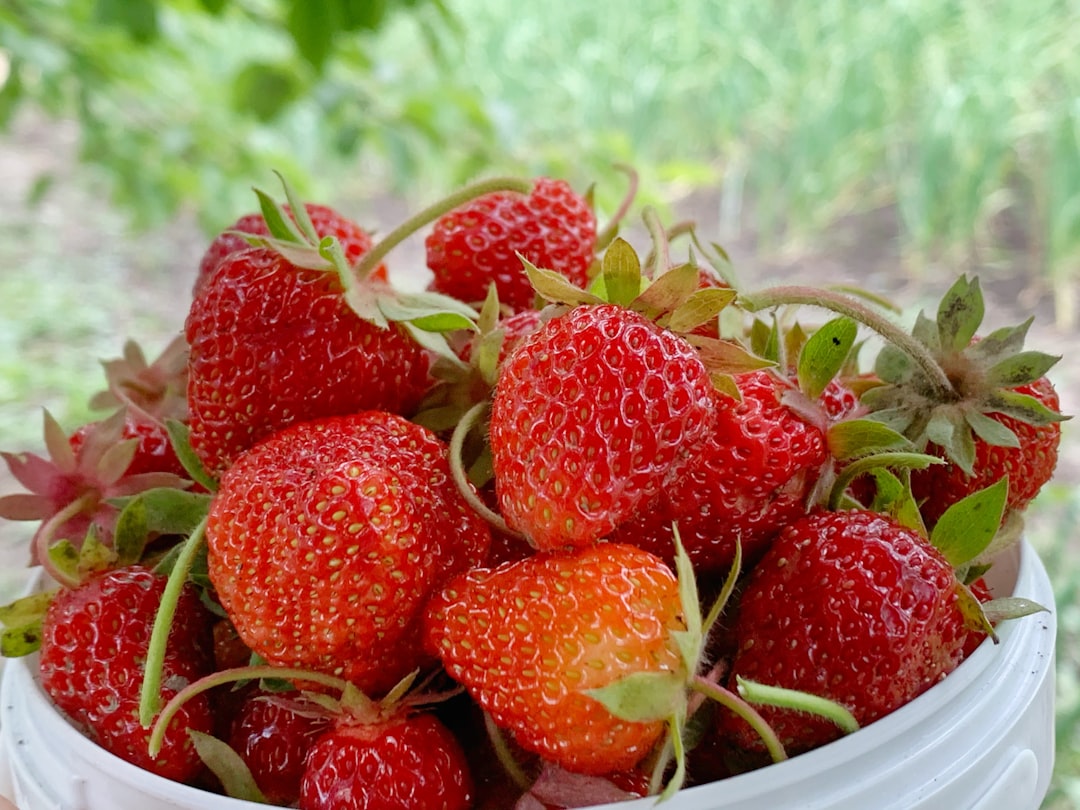
Unleash the Beauty of Your Lawn: A Guide to Perfect Mowing
Unleash the Beauty of Your Lawn: A Guide to Perfect Mowing
Guide to Soils and Potting Mixes
We know the secret to a good potters soil. We'll show you how to tell if you need to amend your soil and what plants need to thrive in your current soil conditions.
How to Use Fertilizer for Plants According to Experts
Get expert tips on fertilizing plants, including the best formulation for both houseplants and garden plants, as well as how frequently you should feed them.
How to Make a DIY Indoor Compost Bin
Make your own DIY indoor compost bin. With our tips, you'll learn how to compost and reduce your kitchen waste to help the planet.
Unveiling the Secrets of a Thriving Lawn
Unveiling the Secrets of a Thriving Lawn
15 Super Plants for Texas Landscapes
These plants are superstars in Texas gardens and landscapes. Experts recommend them for their ability to thrive in south-central climates.
Your Seasonal Lawn-Care Schedule for the Northeast
Take the guesswork out of yard work. This lawn-care calendar lets you know when to mow, aerate, fertilize, and seed your yard in the Northeast.
How to Make Compost Tea That Will Give Your Plants a Natural Boost
Learn how to make compost tea with this simple guide and recipes. Plus get tips for using compost tea to give all your plants a boost.