Knowing how to attract goldfinches to your backyard is about more than setting up any old bird feeder. These gorgeous songbirds have specific eating and nesting preferences. We talked to the experts about the best types of feeders, seeds, plants, water sources, and nesting materials for attracting goldfinches. Follow their tips and you'll be ready to enjoy some spectacular bird watching in your own backyard.
What Are Goldfinches?
A part of the songbird family, goldfinches are a type of bird from the genus Carduelis. Three types of goldfinches can be found in the United States:
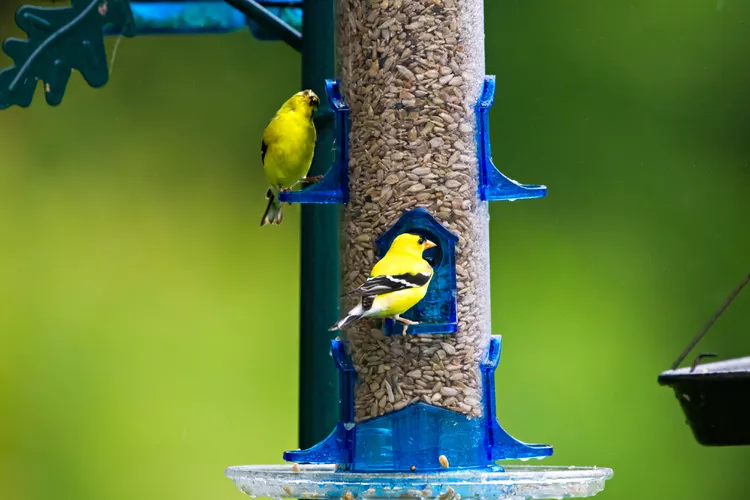
American Goldfinch: These are the types of goldfinches most likely to visit an American backyard. They stand out for their bright colors and their sounds. “During the spring and summer, they become more brightly colored, with orange bills and males sporting canary-yellow and black plumage,” says Dr. Charles van Rees, a conservation scientist and naturalist.
Lesser Goldfinch: Seen in the western and southwestern part of the U.S., the lesser goldfinch is small, with yellow, green, and white coloring. Male lesser goldfinches sing particularly complex songs, which include imitations of other birds' calls.
Lawrence’s Goldfinch: This type of goldfinch is quite rare, but frequents the dry foothills of California. Spotting its distinctive, bright yellow chest and hearing its melodic song is a special treat.
- Charles van Rees, Ph.D., is a conservation scientist and naturalist who has studied birds in the U.S. and abroad for 14 years. He is the founder of Gulo in Nature.
- Chris Earley, zoologist, is an adjunct professor of integrative biology at the University of Guelph and the author of several books, including Feed the Birds: Attract and Identify 196 Common North American Birds.
Attracting Goldfinches with Feeders
Goldfinches don’t snack on worms or insects like other birds; they feast on seeds. That means the best way to start attracting goldfinches to your yard is to invest in a bird feeder. “American goldfinches will readily come to bird feeders all year around,” says van Rees. “A good birdfeeder can supply almost all of their needs.” Here's how to set up your feeder for sucess:
Pick the right feeder: The best options for goldfinches are a tube or hopper feeder, says Chris Earley, a zoologist and professor at the University of Guelph. Goldfinches tend to stick together, so the more feeders you add to your yard, the more birds you'll spy.
Fill with the right seeds: "Goldfinches' favorite foods are nyjer seeds and black oil sunflower seeds, both in the shell and without the shell," says Earley. Highly nutritious, tiny black nyjer seeds are often referred to as thistle seeds, but they don’t come from the thistle plant; instead, they come from the African yellow daisy (Guizotia abyssinica). “Thistle seeds will draw them in great numbers, especially during the winter,” says van Rees.
Place in a secure spot: An ideal spot is near small trees or shrubs so they can easily hide if needed. Avoid placing one in an open area. Sometimes goldfinches won’t eat from a feeder if they don't feel safe and protected from predators—such as hawks or cats—before venturing to a feeder.
Keep it clean and fresh: “If the seeds have been sitting in the feeder too long, goldfinches might avoid it,” says van Rees. “Replacing these at least weekly is a great way to ensure you attract them.” You also want to keep the feeder clean.
Best Plants for Attracting Goldfinches
Besides using feeders to bring goldfinches to your yard, the birds are also attracted to some plants, so try growing their preferred flowers.
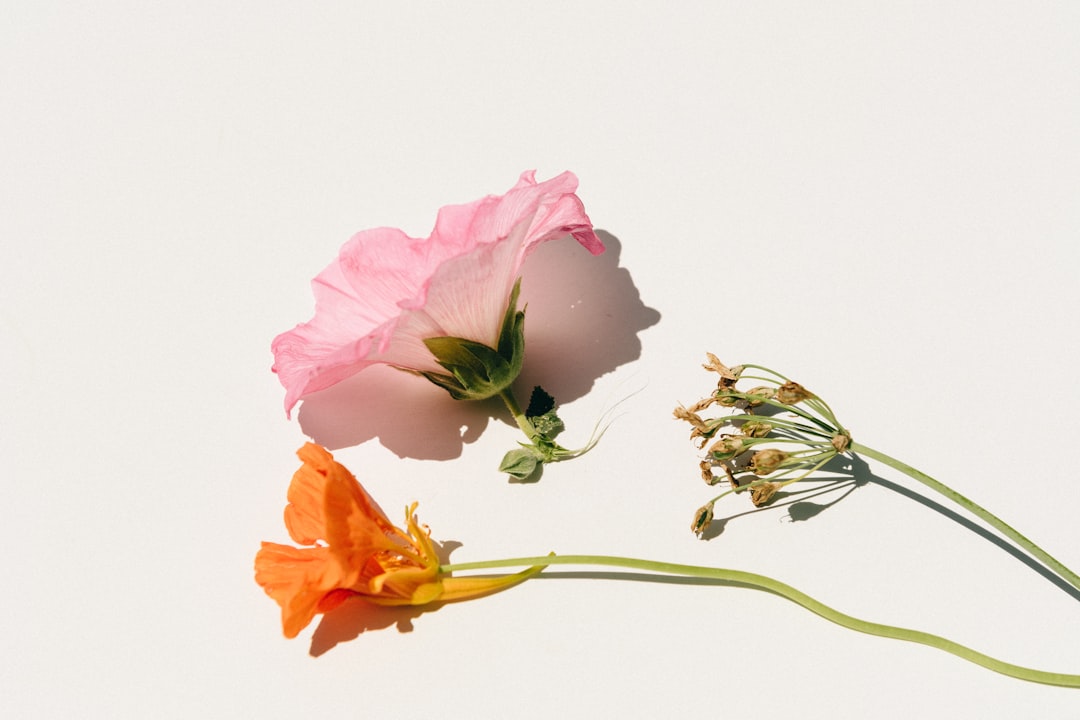
Flowers from the aster family: “Sunflowers and other large-flowered plants from the aster family, such as black-eyed Susans, are a great way to attract goldfinches,” says van Rees.
Coneflowers, thistles, zinnias, and cosmos: These long-blooming flowers provide a reliable food source that encourages goldfinches to stick around your backyard.
Cup plant: Another favorite food source, according to Earley, is the cup plant (Silphium perfoliatum), a tall native species with yellow, sunflower-like blooms that produce lots of seeds. As a bonus, cup plant has leaves that join together around the stem to form a small cup that hold rain water for thirsty birds.
Water Sources
Another consideration for attracting goldfinches is providing a water source for them to drink from and bathe in. Here are some expert tips for creating and maintaining them:
Raise them up: Make sure the bird bath is not easily reachable by cats and other creatures that like to eat birds. Elevating them from the ground makes them safer, explains van Rees.
Vary the heights: If you want many bird species to have access to the water, it helps to create different levels in the bird bath. “Because different birds are different sizes, adding flat stones to a bird bath so there are different depths will allow more species to use the water source for bathing,” says Earley. He adds that goldfinches will use a heated bird bath in the winter.
Keep it shallow: “Goldfinches will use a variety of containers for drinking and bathing, but these should only be one to two inches deep, especially for bathing,” says Earley. You don't want to risk a goldfinch "getting stuck in too much water,” says van Rees.
Nesting Materials and Habitat
You can do a few things to make your backyard feel hospitable to goldfinches—and encourage them to raise their family there too.
Forget the birdhouse: While other birds will happily use a birdhouse or nest box, goldfinches won't. “Goldfinches like to nest in tall shrubs and small trees,” says van Rees. “In my experiences out in the wild, I have often found their nests at around 6 feet in height up to maybe 9 or 10 feet, and often surrounded by thorny plants and brambles.”
Plant with purpose: “If you’d like to encourage goldfinches to nest on your property, you’ll want to have some open spaces with almost meadow-like cover and nearby shrubs for nesting,” says Van Rees. What type of nesting material do goldfinches use? “The main material in goldfinch nests is thistledown [because] this material makes the nests quite strong and very soft inside,” says Earley. They also rely on other materials for building their nest. “Like many other songbirds they like to use plant fibers, like pieces of grass, to line the nest cup, and moss, animal hair, and plant rootlets for some of the finer detail work,” says Van Rees.
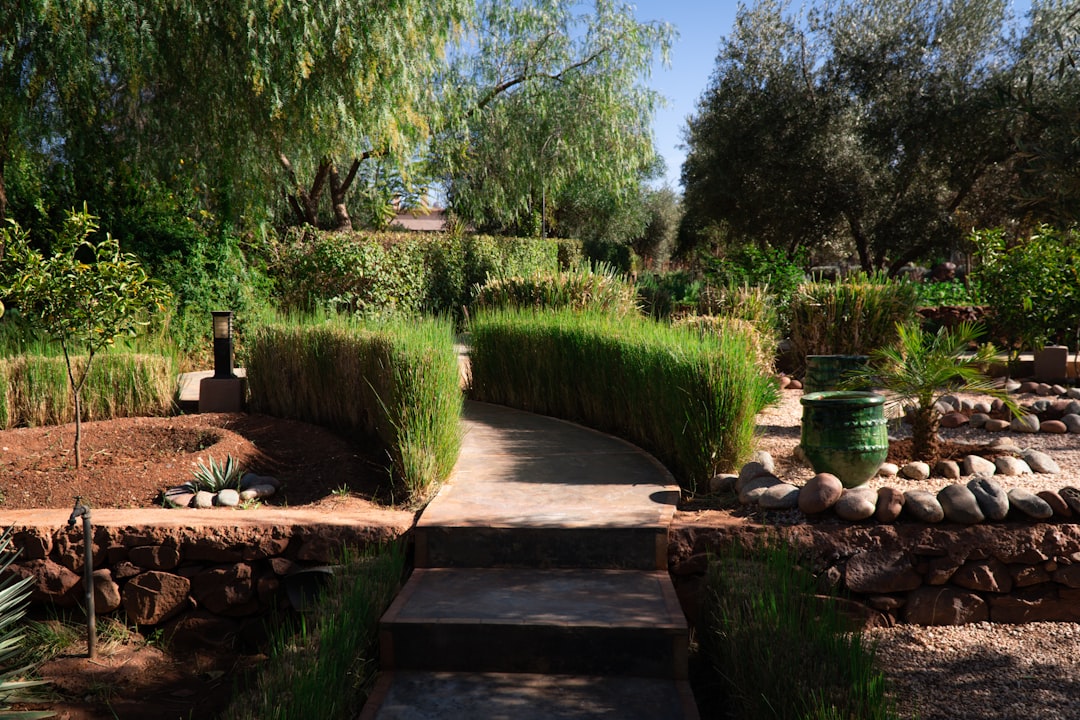
Create safe zones: Beautiful densely layered plantings of evergreen shrubs and other plants can give goldfinches an area in your backyard to hang out and feel protected from potential predators or bad weather. Planting this thick garden border next to a wall or a fence will make goldfinches feel especially safe.
Keep an eye out for goldfinch families: Goldfinches have their young later in the year than other birds. That's because “many of their food sources, including thistles, do not produce seeds until later in the season, and seeds are very important for raising baby goldfinches,” says Earley. Look out for goldfinches nesting in late summer, when their favorite seeds are at their peak.