Chinese ground orchid, a charming terrestrial orchid, has won the hearts of many gardening enthusiasts with its petite flowers and pretty foliage. This easy - to - grow perennial is a wonderful addition to any flower garden. In this article, we will explore the essential care tips to ensure your Chinese ground orchid thrives.
### Understanding the Chinese Ground Orchid
Before delving into the care aspects, it's important to know a bit about this plant. Chinese ground orchid, also known by its scientific name Bletilla striata, is native to East Asia. It typically grows in woodlands and grassy slopes. The plant features lance - shaped leaves that are pleated, adding an aesthetic appeal even when it's not in bloom. The flowers are usually pink, purple, or white, and they bloom in spring or early summer.
### Ideal Growing Conditions
Light Requirements: Chinese ground orchid prefers partial shade. While it can tolerate some morning sun, too much direct sunlight can scorch its leaves. A location under a tree canopy or on the east - facing side of a building is ideal. This allows the plant to receive filtered light throughout the day.
Soil Conditions: Well - drained soil is crucial for the health of Chinese ground orchid. It thrives in a soil mix that is rich in organic matter. You can create a suitable soil by combining equal parts of peat moss, perlite, and loamy soil. The soil should have a slightly acidic to neutral pH level, around 6.0 - 7.0. Good drainage prevents waterlogging, which can lead to root rot.
### Watering and Fertilizing
Watering: Keep the soil consistently moist but not waterlogged. During the growing season (spring and summer), water the plant regularly, especially during dry spells. However, reduce watering in the fall and winter when the plant goes dormant. Overwatering can be more harmful than underwatering, so it's important to let the top inch of soil dry out between waterings.
Fertilizing: Feed your Chinese ground orchid with a balanced, slow - release fertilizer in the spring. A fertilizer with an NPK ratio of 10 - 10 - 10 is suitable. You can also use a liquid fertilizer diluted to half - strength every two weeks during the growing season. Avoid over - fertilizing, as this can lead to excessive foliage growth at the expense of flower production.
### Propagation
Chinese ground orchid can be propagated through division or by seed. Division is the most common and reliable method. In early spring or fall, carefully dig up the plant and separate the rhizomes. Each division should have at least one healthy shoot and a few roots. Replant the divisions in a suitable location, making sure to keep the soil moist until they are established. Propagating by seed is more challenging and requires patience, as the seeds need a period of cold stratification before germination.
### Pest and Disease Management
Pests: Chinese ground orchid is generally resistant to pests. However, it can occasionally be attacked by aphids, slugs, and snails. Aphids can be controlled by spraying the plant with a strong stream of water or using insecticidal soap. To deter slugs and snails, you can place copper tape around the base of the plant or use organic slug pellets.
Diseases: The main disease that affects Chinese ground orchid is root rot, which is caused by overwatering or poor drainage. To prevent root rot, ensure proper soil drainage and avoid overwatering. If you notice signs of root rot, such as yellowing leaves and a foul smell from the soil, dig up the plant, remove the affected roots, and replant it in fresh, well - drained soil.
### Winter Care
Chinese ground orchid is relatively hardy, but it may need some protection in colder climates. In areas with harsh winters, you can mulch the plant with a layer of straw or leaves to insulate the roots. This helps to prevent the soil from freezing and protects the plant from cold damage. Once the spring arrives, remove the mulch to allow the plant to start growing again.
In conclusion, with the right care and attention, Chinese ground orchid can be a rewarding addition to your flower garden. By providing the ideal growing conditions, proper watering and fertilizing, and effective pest and disease management, you can enjoy the beauty of its petite flowers and pretty foliage for years to come.

Visiting the Better Homes & Gardens Test Garden®
The BHG Test Garden is a beautiful green space that has something to see in all seasons.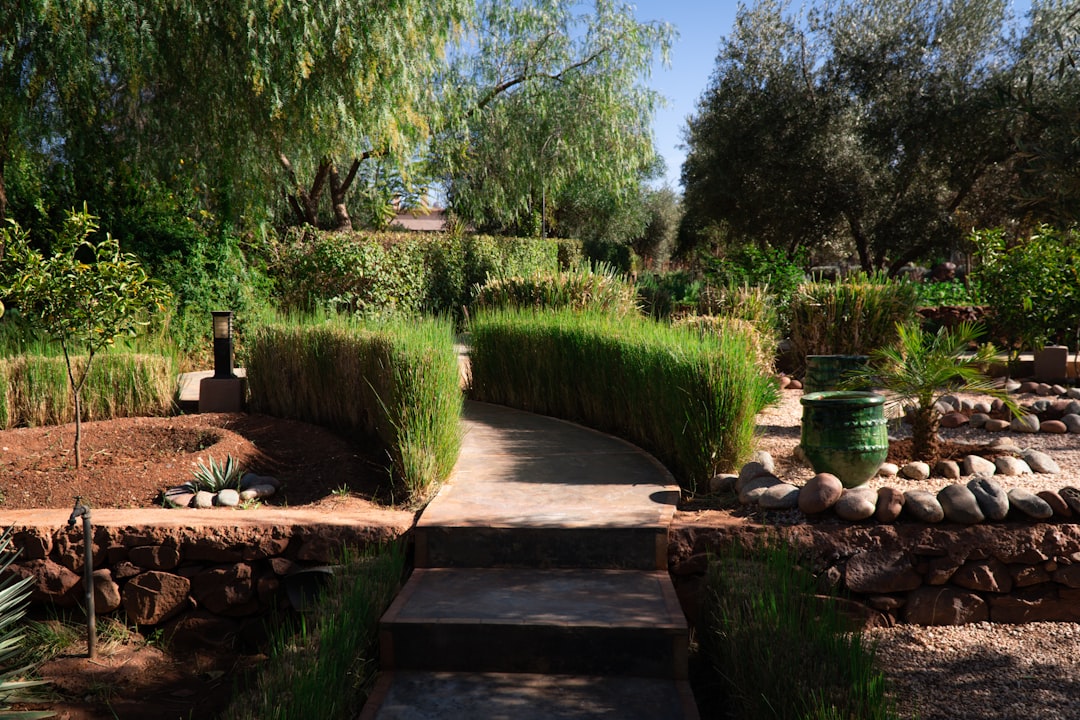
Silencing the Siding Peckers: A Gardener's Guide
Silencing the Siding Peckers: A Gardener's Guide
The Allure of Annuals China Aster in Your Garden
The Allure of Annuals China Aster in Your Garden
The Secret of Endless Blooms: Long - Blooming Perennials
The Secret of Endless Blooms: Long - Blooming Perennials
The Hardy Agave: A Cold - Resistant Floral Wonder
The Hardy Agave: A Cold - Resistant Floral Wonder
How to Plant and Grow Muscadine Grapes
Learn how to plant and grow muscadine grapes and harvest delicious fruit for fresh eating, preserves, and wine.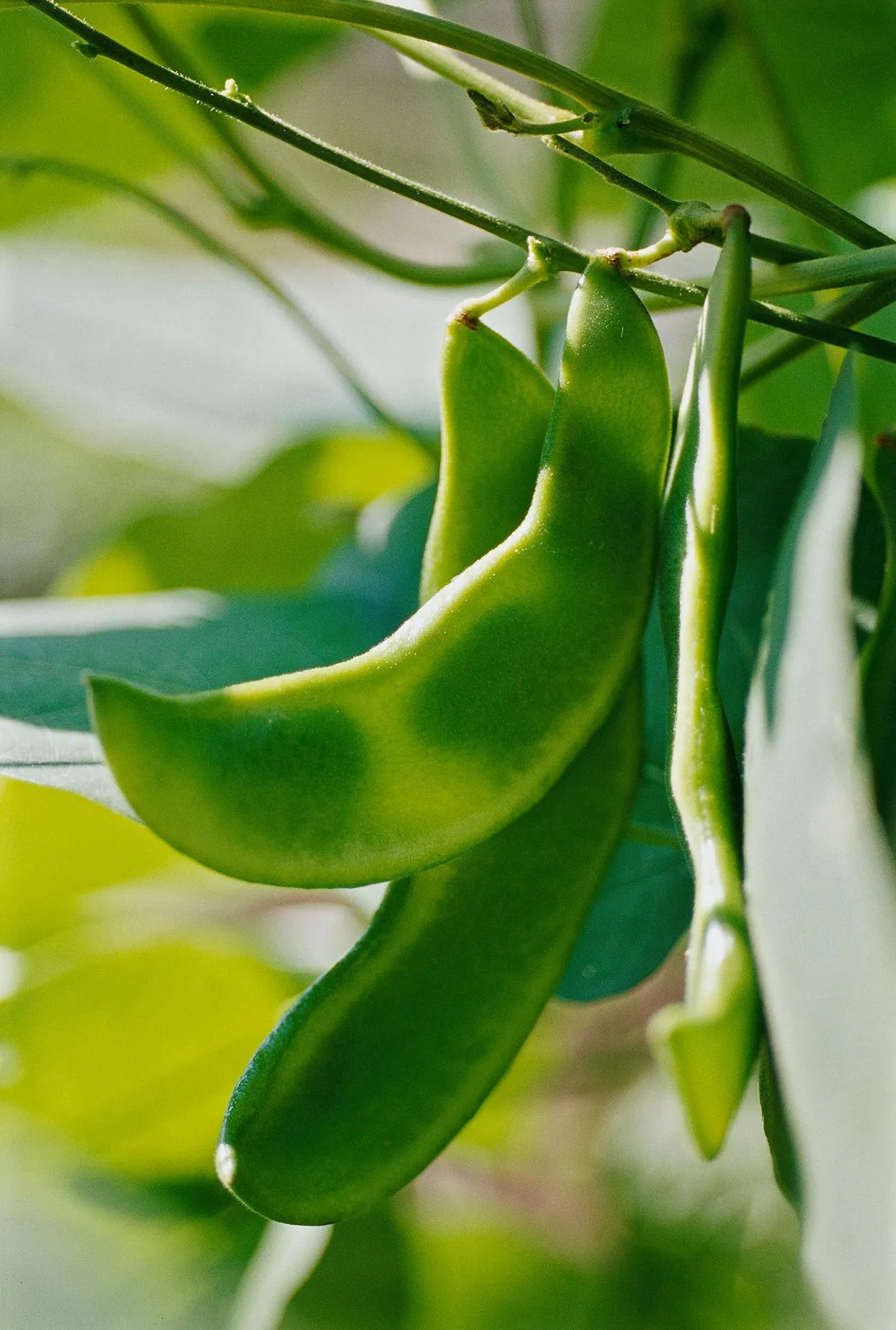
How to Plant and Grow Lima Beans
Find essential tips for growing lima beans, also known as butter beans, to pick them fresh or dry them for later use.
Unveiling the Wonders of Gourds in Your Edible Garden
Unveiling the Wonders of Gourds in Your Edible Garden
9 Tips for Companion Planting Vegetables to Boost Harvests
Companion planting is a natural and organic gardening technique that helps repel pests and grow healthier plants. Use these smart tips to start companion planting in your vegetable garden.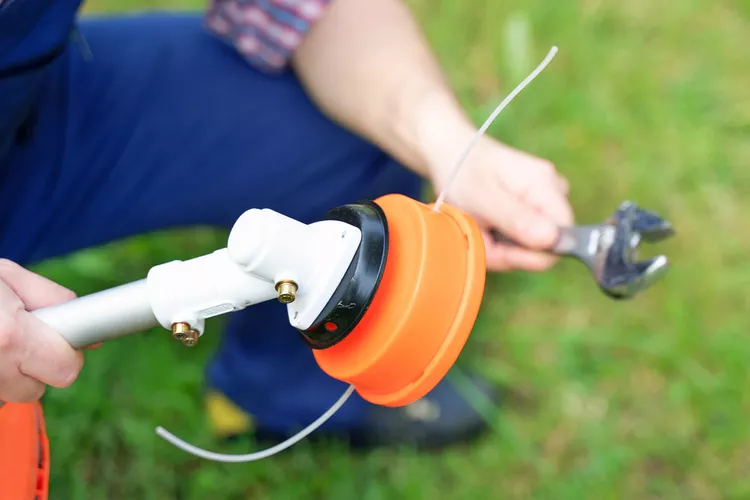
How to Restring a Weed Whacker in 4 Simple Steps
Use this step-by-step guide to properly replace the line on your weed trimmer.
Secrets to a Thriving Yard Garden
Secrets to a Thriving Yard Garden
The Secret to Gorgeous Hydrangea Blooms Next Season
The Secret to Gorgeous Hydrangea Blooms Next Season
Unleash the Beauty of Your Lawn: A Guide to Perfect Mowing
Unleash the Beauty of Your Lawn: A Guide to Perfect Mowing
Guide to Soils and Potting Mixes
We know the secret to a good potters soil. We'll show you how to tell if you need to amend your soil and what plants need to thrive in your current soil conditions.
How to Use Fertilizer for Plants According to Experts
Get expert tips on fertilizing plants, including the best formulation for both houseplants and garden plants, as well as how frequently you should feed them.
How to Make a DIY Indoor Compost Bin
Make your own DIY indoor compost bin. With our tips, you'll learn how to compost and reduce your kitchen waste to help the planet.
Unveiling the Secrets of a Thriving Lawn
Unveiling the Secrets of a Thriving Lawn
15 Super Plants for Texas Landscapes
These plants are superstars in Texas gardens and landscapes. Experts recommend them for their ability to thrive in south-central climates.
Your Seasonal Lawn-Care Schedule for the Northeast
Take the guesswork out of yard work. This lawn-care calendar lets you know when to mow, aerate, fertilize, and seed your yard in the Northeast.
How to Make Compost Tea That Will Give Your Plants a Natural Boost
Learn how to make compost tea with this simple guide and recipes. Plus get tips for using compost tea to give all your plants a boost.