
Annual flowers bring a burst of color and life to any garden, and among them, coleus plants stand out with their stunning foliage. These versatile plants can thrive in both sun and shade, making them a popular choice for gardeners of all levels. In this article, we'll explore some essential coleus plant care tips that will help you enjoy an abundance of beautiful foliage throughout the growing season.
### Understanding Coleus Plants
Coleus plants, scientifically known as Coleus scutellarioides, are native to tropical regions of Asia and Africa. They belong to the mint family, Lamiaceae, and are known for their vibrant, multicolored leaves. The leaves come in a wide range of shapes, sizes, and colors, including shades of green, red, purple, yellow, and pink. Some coleus varieties have solid-colored leaves, while others have intricate patterns and variegation.
One of the great things about coleus plants is their adaptability. They can be grown in containers, hanging baskets, or directly in the ground. They are also relatively easy to care for, making them a great choice for beginners. Whether you have a sunny garden or a shady spot, there's a coleus variety that will thrive in your conditions.
### Choosing the Right Location
When it comes to growing coleus plants, choosing the right location is crucial. While coleus can tolerate both sun and shade, different varieties have different preferences. Some coleus varieties prefer full sun, while others do better in partial shade or full shade. As a general rule, coleus plants with lighter-colored leaves tend to do better in partial shade, while those with darker-colored leaves can tolerate more sun.
If you're growing coleus in containers, you have more flexibility in terms of location. You can move the containers around to find the perfect spot for your plants. Just make sure to avoid placing them in areas with strong winds, as the delicate leaves can be easily damaged.
### Soil Requirements
Coleus plants prefer well-draining soil that is rich in organic matter. A good potting mix or garden soil that has been amended with compost or peat moss will provide the ideal growing conditions. The soil should be kept moist but not waterlogged, as coleus plants are susceptible to root rot.
Before planting your coleus, it's a good idea to test the soil pH. Coleus plants prefer a slightly acidic to neutral soil pH, between 6.0 and 7.0. If the soil pH is too high or too low, you can adjust it by adding lime or sulfur to the soil.
### Watering and Fertilizing
Proper watering is essential for the health of your coleus plants. They need regular watering, especially during hot, dry weather. However, it's important not to overwater them, as this can lead to root rot. The best way to water coleus plants is to water deeply and then allow the soil to dry out slightly before watering again.
In addition to regular watering, coleus plants also benefit from regular fertilizing. You can use a balanced, water-soluble fertilizer every two to three weeks during the growing season. Make sure to follow the instructions on the fertilizer package for the correct application rate.
### Pruning and Pinching
Pruning and pinching are important techniques for maintaining the shape and health of your coleus plants. Pinching involves removing the tips of the stems to encourage bushier growth. You can start pinching your coleus plants when they are about 6 inches tall. Simply use your fingers or a pair of sharp scissors to pinch off the top 1/4 to 1/2 inch of the stem.
Pruning is also important for removing any dead, damaged, or diseased leaves or stems. You can use a pair of sharp pruning shears to make clean cuts just above a leaf node. Pruning will not only improve the appearance of your coleus plants but also help to prevent the spread of diseases.
### Propagation
Coleus plants are easy to propagate from cuttings. To propagate coleus from cuttings, simply take a 3 to 4-inch cutting from a healthy plant. Remove the lower leaves from the cutting, leaving only the top two or three leaves. Dip the cut end of the cutting in rooting hormone and then plant it in a pot filled with moist potting mix. Keep the cutting in a warm, bright location and water it regularly. In a few weeks, the cutting should develop roots and start to grow.
### Pests and Diseases
Like all plants, coleus plants are susceptible to pests and diseases. Some common pests that can affect coleus plants include aphids, whiteflies, and spider mites. You can control these pests by using insecticidal soap or neem oil. Make sure to follow the instructions on the product label for the correct application rate.
Coleus plants can also be affected by diseases such as powdery mildew and leaf spot. To prevent these diseases, make sure to provide good air circulation around your plants and avoid overhead watering. If you notice any signs of disease, such as white powdery spots on the leaves or brown spots on the leaves, remove the affected leaves and treat the plant with a fungicide.
### Conclusion
Coleus plants are a beautiful and versatile addition to any garden. With their stunning foliage and easy care requirements, they are a great choice for both beginner and experienced gardeners. By following these coleus plant care tips, you can enjoy an abundance of beautiful foliage throughout the growing season. So, go ahead and add some coleus plants to your garden this year and watch them thrive!

Visiting the Better Homes & Gardens Test Garden®
The BHG Test Garden is a beautiful green space that has something to see in all seasons.
Silencing the Siding Peckers: A Gardener's Guide
Silencing the Siding Peckers: A Gardener's Guide
The Allure of Annuals China Aster in Your Garden
The Allure of Annuals China Aster in Your Garden
The Secret of Endless Blooms: Long - Blooming Perennials
The Secret of Endless Blooms: Long - Blooming Perennials
The Hardy Agave: A Cold - Resistant Floral Wonder
The Hardy Agave: A Cold - Resistant Floral Wonder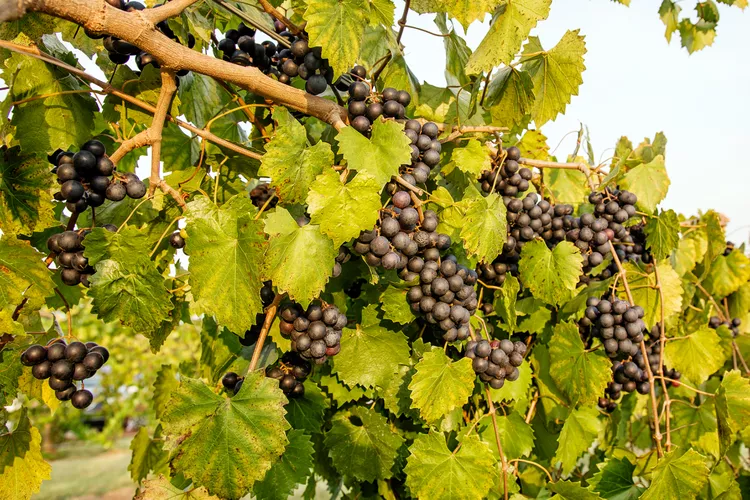
How to Plant and Grow Muscadine Grapes
Learn how to plant and grow muscadine grapes and harvest delicious fruit for fresh eating, preserves, and wine.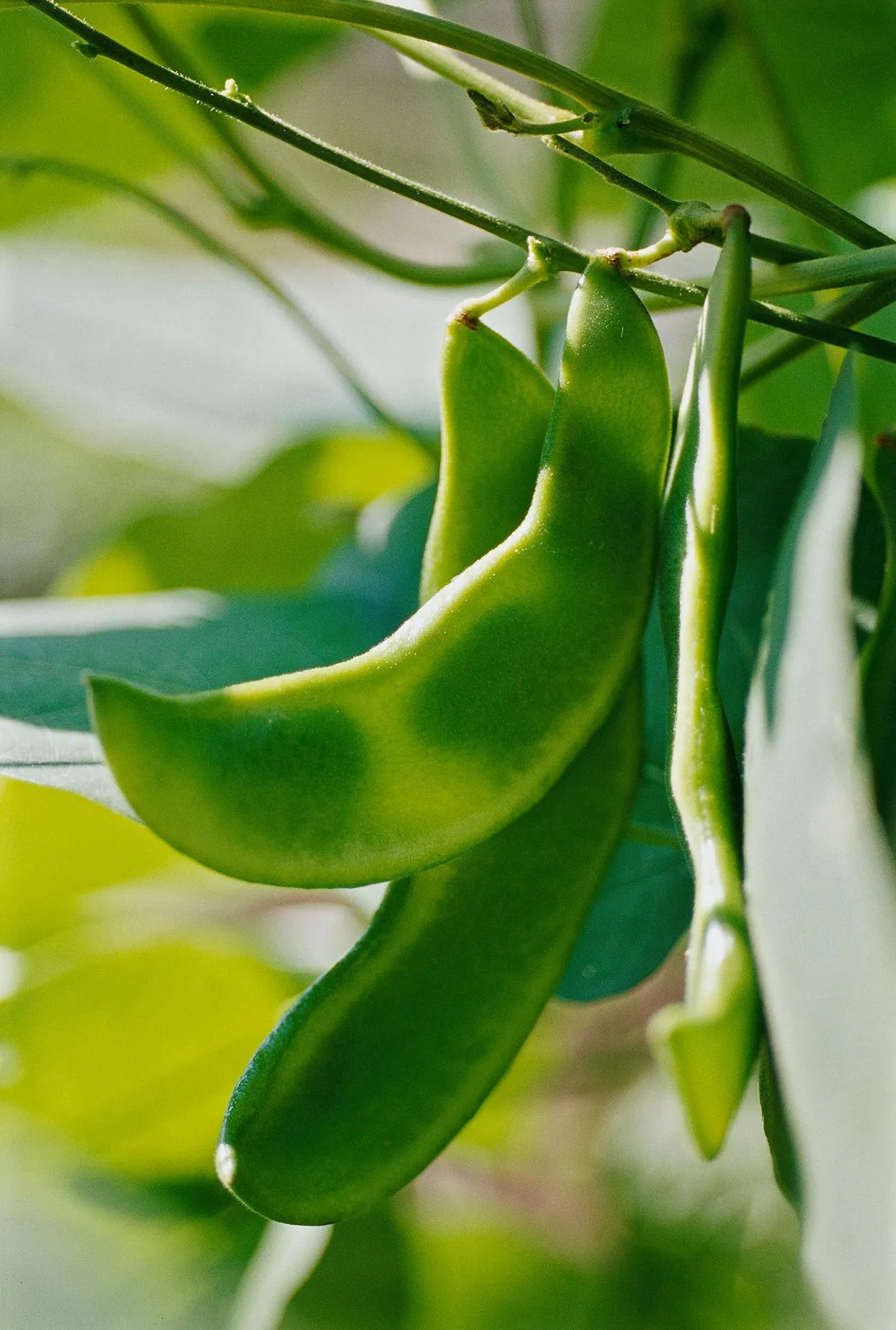
How to Plant and Grow Lima Beans
Find essential tips for growing lima beans, also known as butter beans, to pick them fresh or dry them for later use.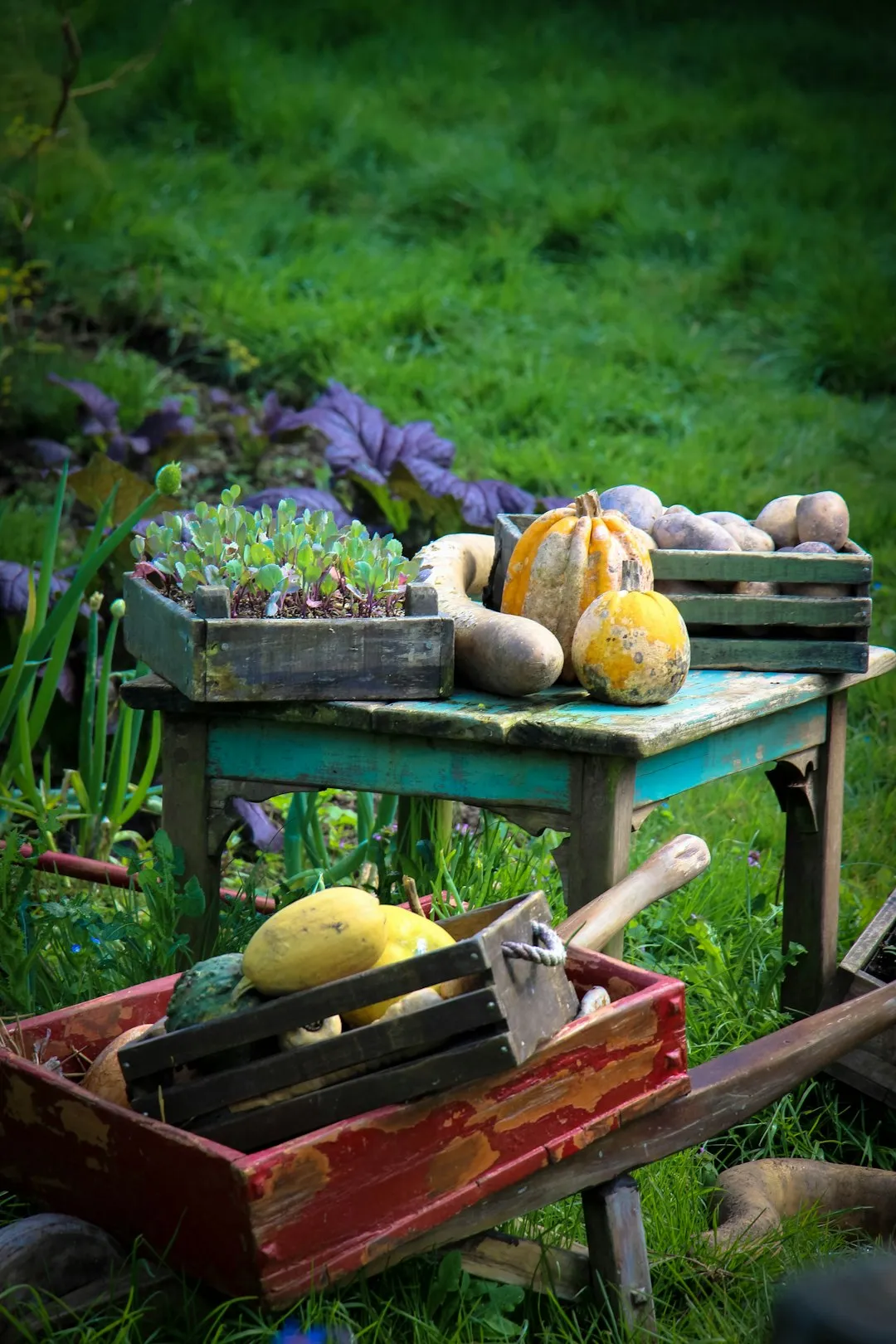
Unveiling the Wonders of Gourds in Your Edible Garden
Unveiling the Wonders of Gourds in Your Edible Garden
9 Tips for Companion Planting Vegetables to Boost Harvests
Companion planting is a natural and organic gardening technique that helps repel pests and grow healthier plants. Use these smart tips to start companion planting in your vegetable garden.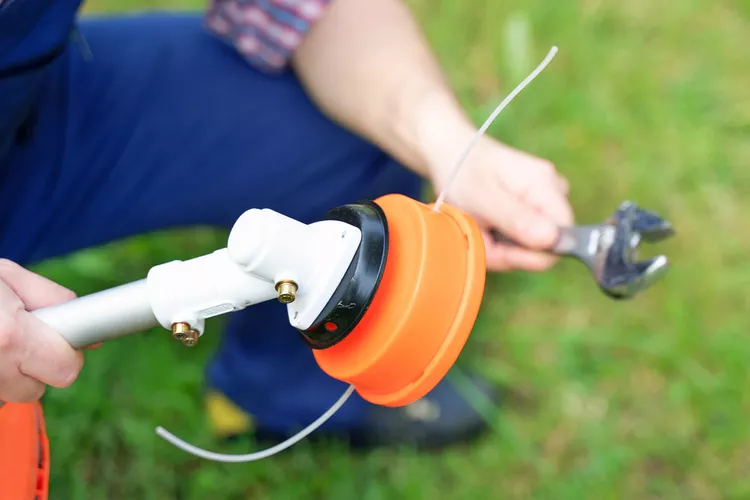
How to Restring a Weed Whacker in 4 Simple Steps
Use this step-by-step guide to properly replace the line on your weed trimmer.
Secrets to a Thriving Yard Garden
Secrets to a Thriving Yard Garden
The Secret to Gorgeous Hydrangea Blooms Next Season
The Secret to Gorgeous Hydrangea Blooms Next Season
Unleash the Beauty of Your Lawn: A Guide to Perfect Mowing
Unleash the Beauty of Your Lawn: A Guide to Perfect Mowing
Guide to Soils and Potting Mixes
We know the secret to a good potters soil. We'll show you how to tell if you need to amend your soil and what plants need to thrive in your current soil conditions.
How to Use Fertilizer for Plants According to Experts
Get expert tips on fertilizing plants, including the best formulation for both houseplants and garden plants, as well as how frequently you should feed them.
How to Make a DIY Indoor Compost Bin
Make your own DIY indoor compost bin. With our tips, you'll learn how to compost and reduce your kitchen waste to help the planet.
Unveiling the Secrets of a Thriving Lawn
Unveiling the Secrets of a Thriving Lawn
15 Super Plants for Texas Landscapes
These plants are superstars in Texas gardens and landscapes. Experts recommend them for their ability to thrive in south-central climates.
Your Seasonal Lawn-Care Schedule for the Northeast
Take the guesswork out of yard work. This lawn-care calendar lets you know when to mow, aerate, fertilize, and seed your yard in the Northeast.
How to Make Compost Tea That Will Give Your Plants a Natural Boost
Learn how to make compost tea with this simple guide and recipes. Plus get tips for using compost tea to give all your plants a boost.