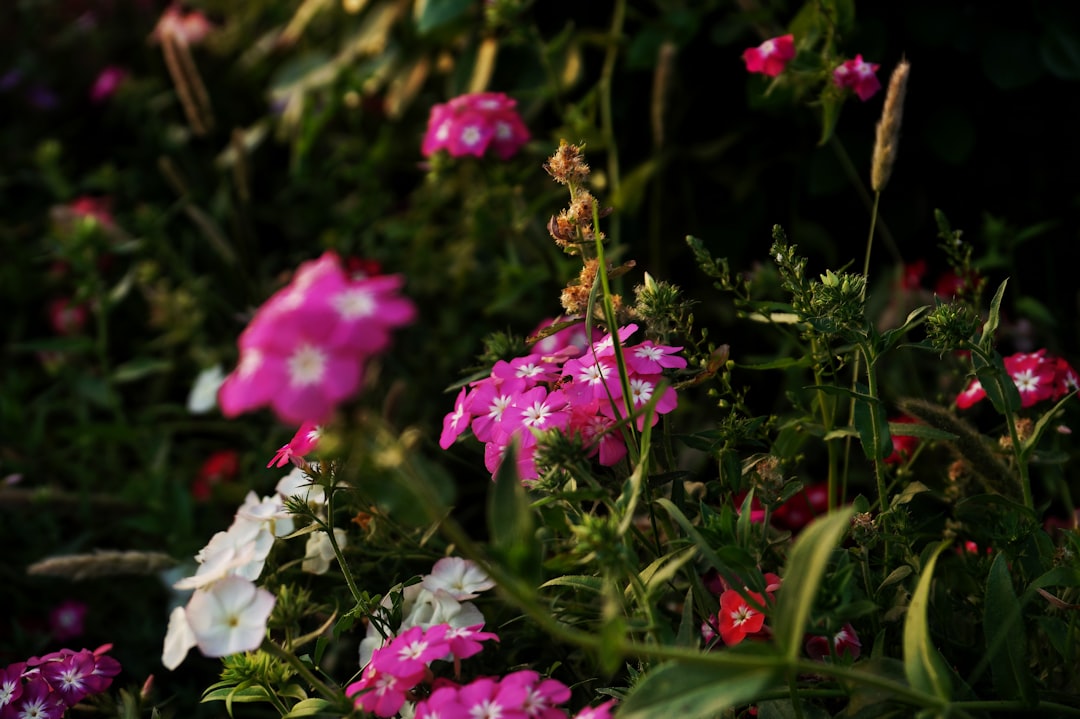
Perennial phlox is a charming addition to any garden, with its vibrant colors and delightful fragrance. In this article, we will delve into the essential growing conditions for perennial phlox, including light, soil, and water requirements.
Light Conditions
Perennial phlox thrives in areas that receive ample sunlight. It is best to plant them in a location where they can get at least six hours of direct sunlight per day. However, in regions with extremely hot summers, some afternoon shade can be beneficial to prevent the plants from getting scorched. If the phlox doesn't receive enough light, it may become leggy and produce fewer flowers. For example, if you plant it in a spot that is constantly shaded by large trees, the growth will be stunted, and the blooms will be sparse. On the other hand, too much intense sunlight without any relief can cause the leaves to wilt and the flowers to fade quickly. Therefore, finding the right balance of light is crucial for the healthy growth of perennial phlox.
Soil Requirements
The soil for perennial phlox should be well - drained and rich in organic matter. A loamy soil is ideal as it provides good drainage while retaining enough moisture for the plants. You can improve the soil quality by adding compost or well - rotted manure before planting. This will not only enrich the soil with nutrients but also improve its structure. The pH level of the soil should be slightly acidic to neutral, ranging from 6.0 to 7.0. If the soil is too alkaline, the phlox may have difficulty absorbing certain nutrients, which can lead to yellowing of the leaves and poor growth. To test the soil pH, you can use a simple soil testing kit available at most garden centers. If the pH is not within the desired range, you can adjust it by adding lime to raise the pH or sulfur to lower it.
Watering Needs
Perennial phlox requires regular watering, especially during the growing season. The soil should be kept consistently moist but not waterlogged. Overwatering can lead to root rot, which is a common problem for many plants. A good rule of thumb is to water deeply once or twice a week, depending on the weather conditions. During hot and dry periods, you may need to increase the frequency of watering. It is important to water at the base of the plant to avoid getting the leaves wet, as wet leaves can promote the growth of fungal diseases. Using a soaker hose or drip irrigation system is an efficient way to water perennial phlox. These methods deliver water directly to the soil, minimizing water waste and reducing the risk of disease.
Planting and Maintenance
When planting perennial phlox, make sure to space the plants properly. They should be planted about 18 to 24 inches apart to allow for good air circulation. This helps prevent the spread of diseases and allows each plant to have enough room to grow. After planting, mulching around the base of the plants can be beneficial. Mulch helps retain moisture in the soil, suppresses weed growth, and regulates soil temperature. You can use organic mulches such as shredded bark, straw, or leaves. In addition to regular watering, fertilizing the phlox can also enhance its growth and flowering. A balanced fertilizer, such as a 10 - 10 - 10 formula, can be applied in the spring and again in mid - summer. However, be careful not to over - fertilize, as this can lead to excessive foliage growth at the expense of flowers.
Pest and Disease Control
Perennial phlox is relatively resistant to pests and diseases, but it can still be affected by some common problems. Powdery mildew is a fungal disease that can affect the leaves of the phlox, causing a white, powdery coating. To prevent powdery mildew, make sure there is good air circulation around the plants and avoid overhead watering. If powdery mildew does occur, you can treat it with a fungicide. Aphids are another common pest that can attack perennial phlox. These small insects suck the sap from the plants, causing the leaves to curl and distort. You can control aphids by spraying the plants with a strong stream of water or using an insecticidal soap.
In conclusion, growing perennial phlox successfully requires attention to its light, soil, and water requirements. By providing the right growing conditions, proper planting, and regular maintenance, you can enjoy a beautiful display of these lovely flowers in your garden year after year.
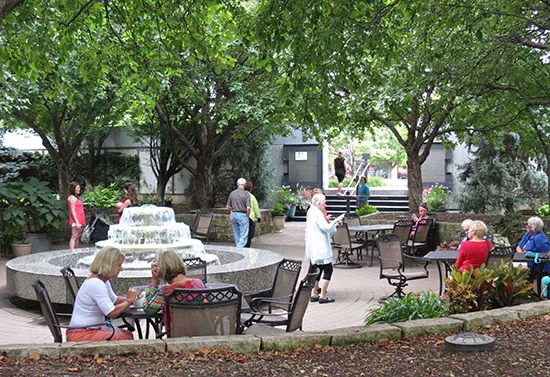
Visiting the Better Homes & Gardens Test Garden®
The BHG Test Garden is a beautiful green space that has something to see in all seasons.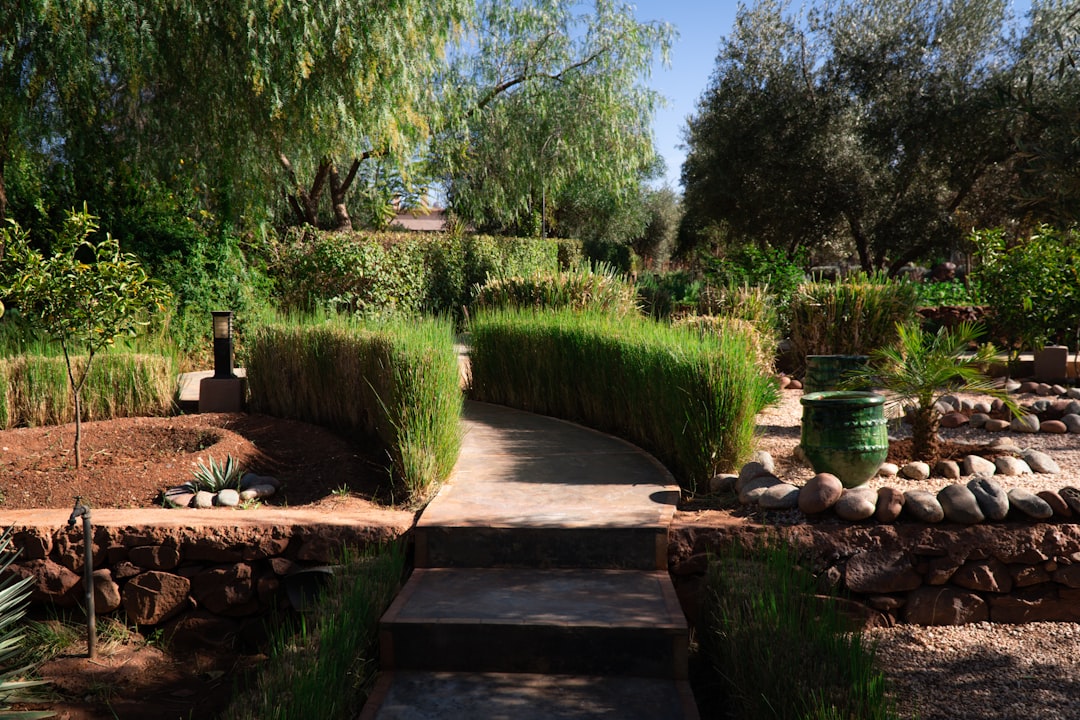
Silencing the Siding Peckers: A Gardener's Guide
Silencing the Siding Peckers: A Gardener's Guide
The Allure of Annuals China Aster in Your Garden
The Allure of Annuals China Aster in Your Garden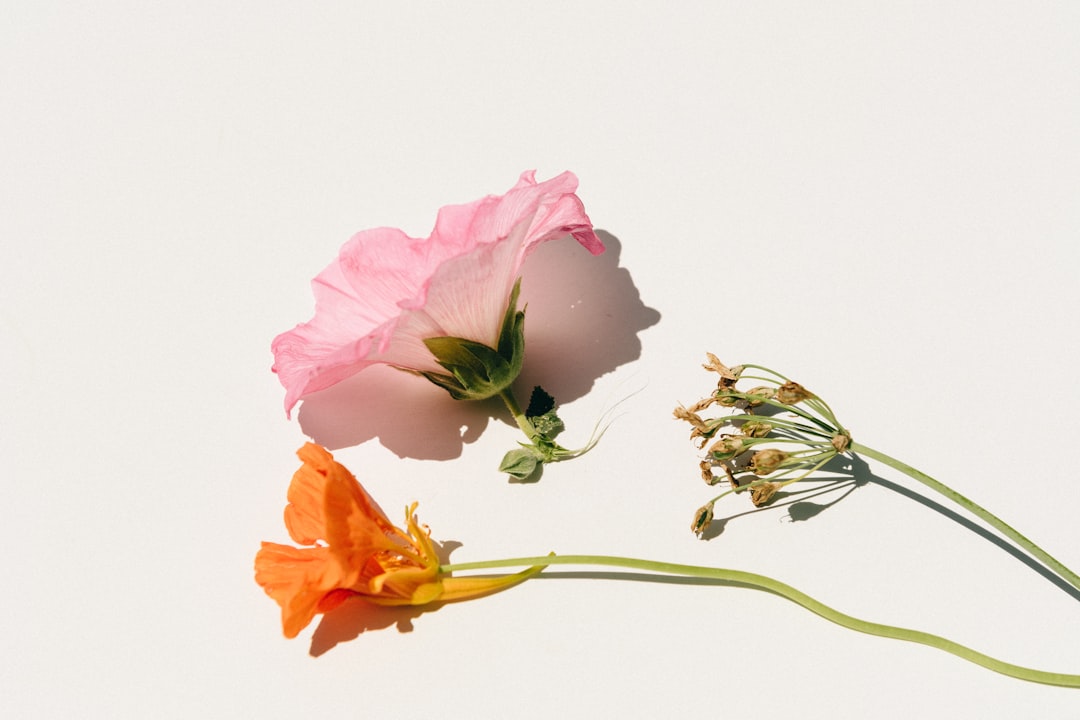
The Secret of Endless Blooms: Long - Blooming Perennials
The Secret of Endless Blooms: Long - Blooming Perennials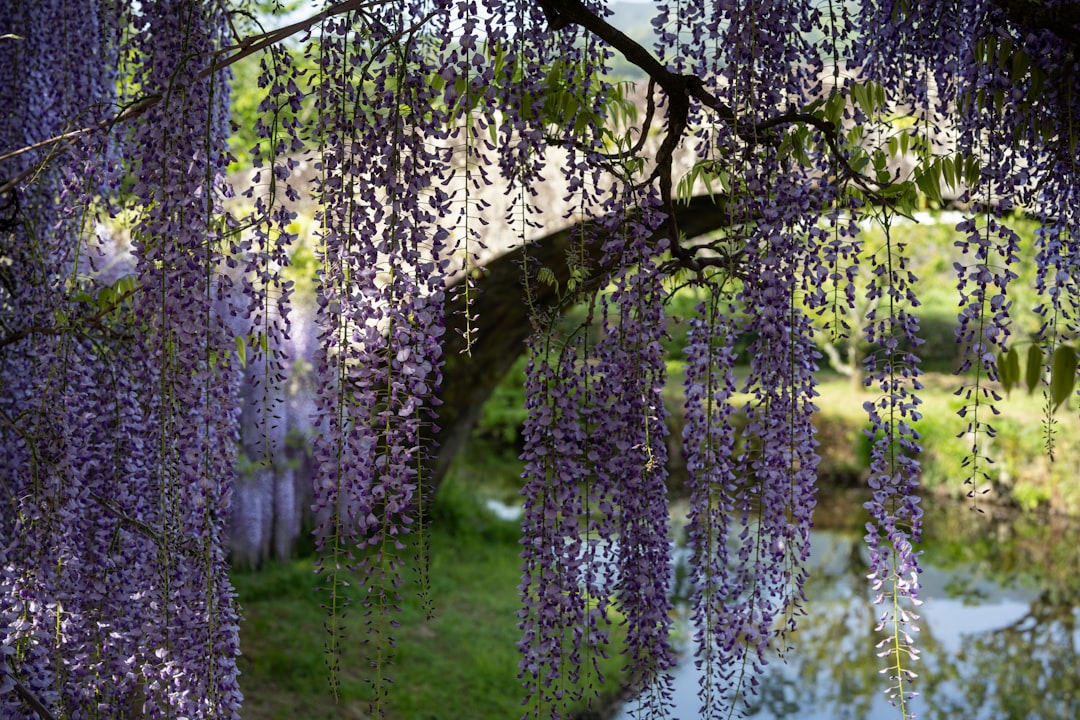
The Hardy Agave: A Cold - Resistant Floral Wonder
The Hardy Agave: A Cold - Resistant Floral Wonder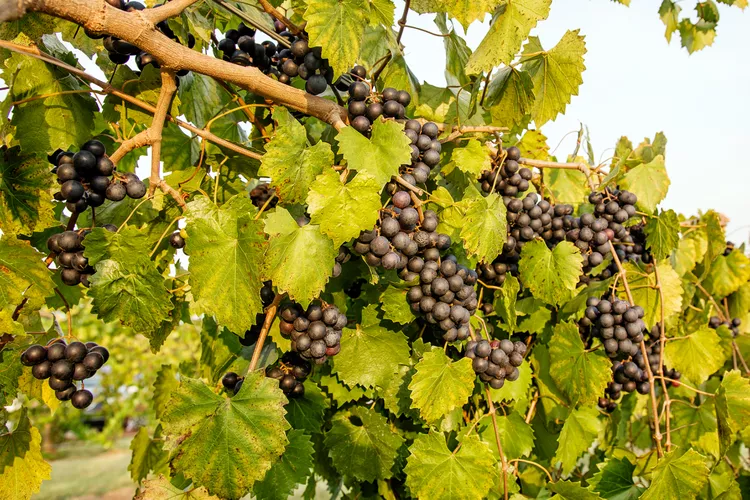
How to Plant and Grow Muscadine Grapes
Learn how to plant and grow muscadine grapes and harvest delicious fruit for fresh eating, preserves, and wine.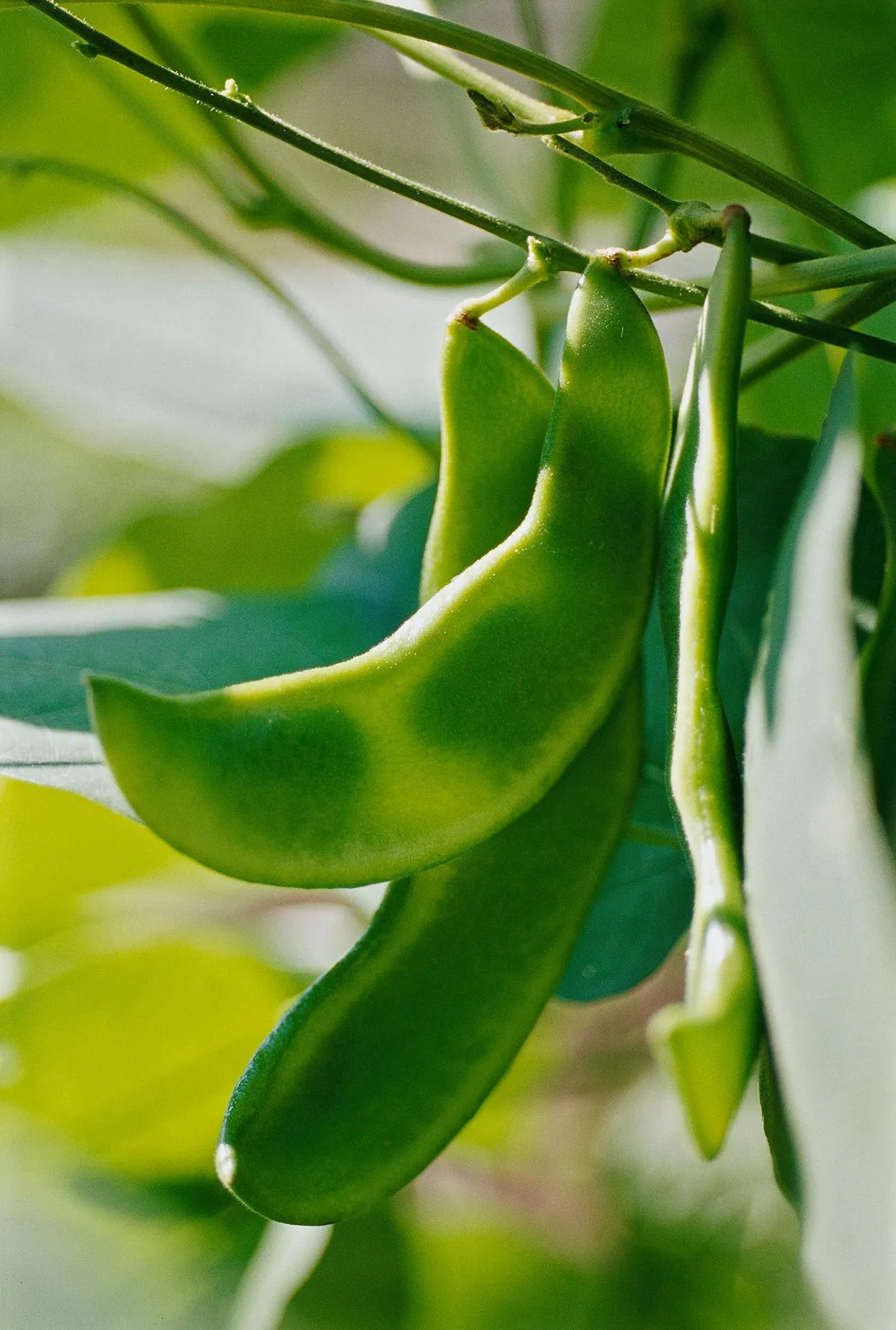
How to Plant and Grow Lima Beans
Find essential tips for growing lima beans, also known as butter beans, to pick them fresh or dry them for later use.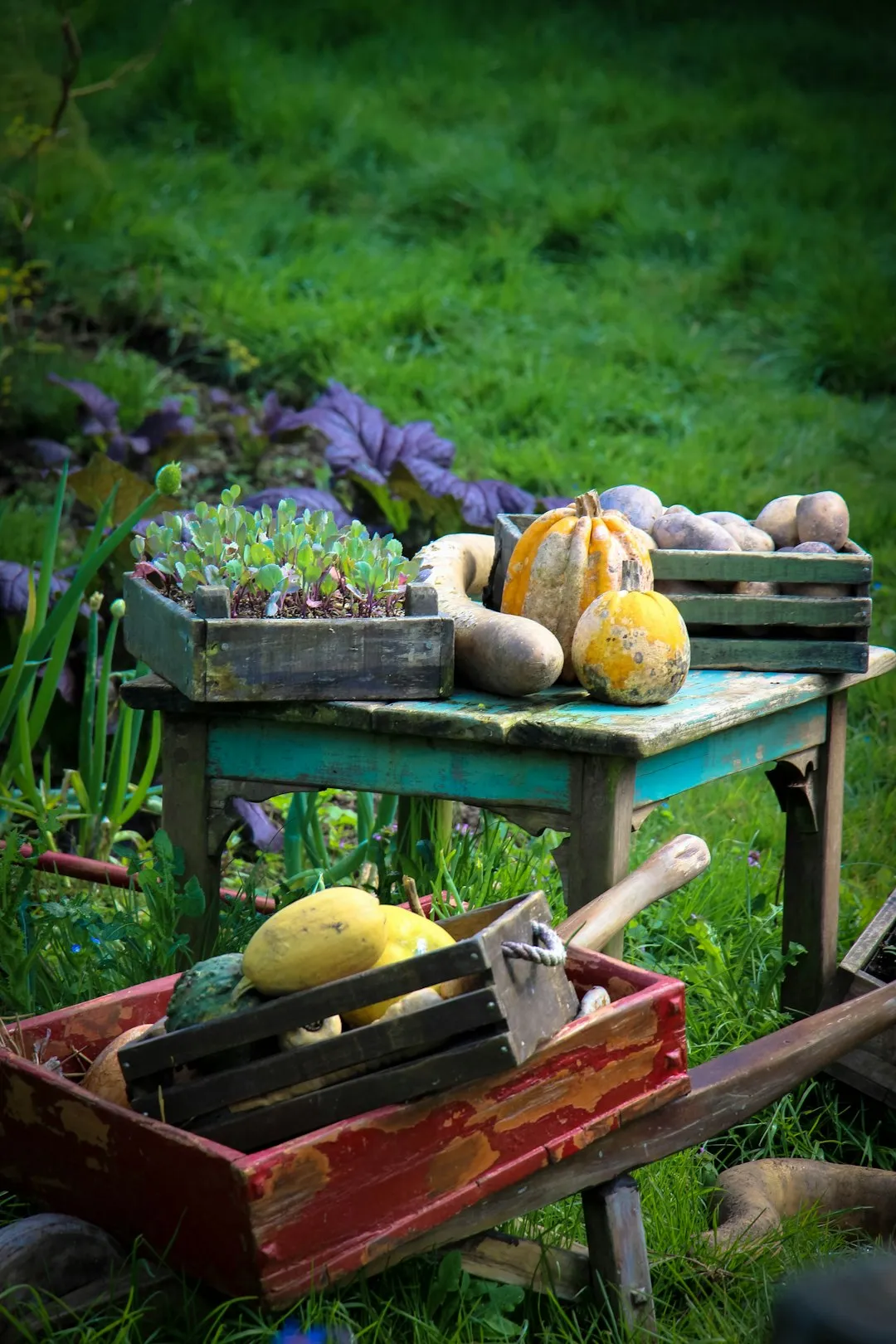
Unveiling the Wonders of Gourds in Your Edible Garden
Unveiling the Wonders of Gourds in Your Edible Garden
9 Tips for Companion Planting Vegetables to Boost Harvests
Companion planting is a natural and organic gardening technique that helps repel pests and grow healthier plants. Use these smart tips to start companion planting in your vegetable garden.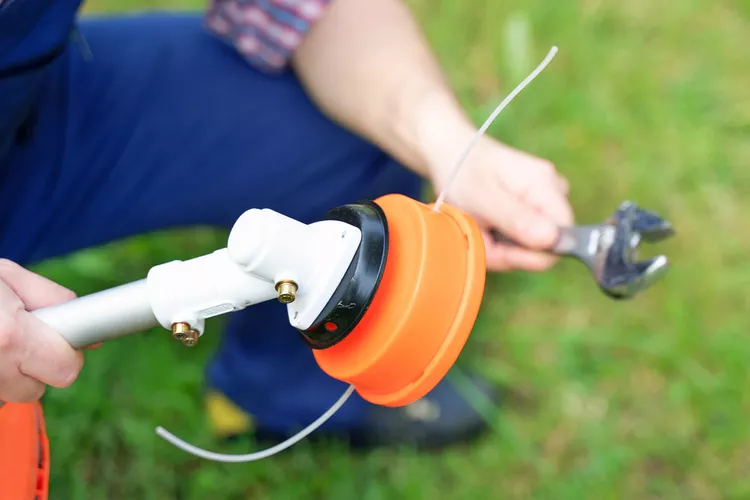
How to Restring a Weed Whacker in 4 Simple Steps
Use this step-by-step guide to properly replace the line on your weed trimmer.
Secrets to a Thriving Yard Garden
Secrets to a Thriving Yard Garden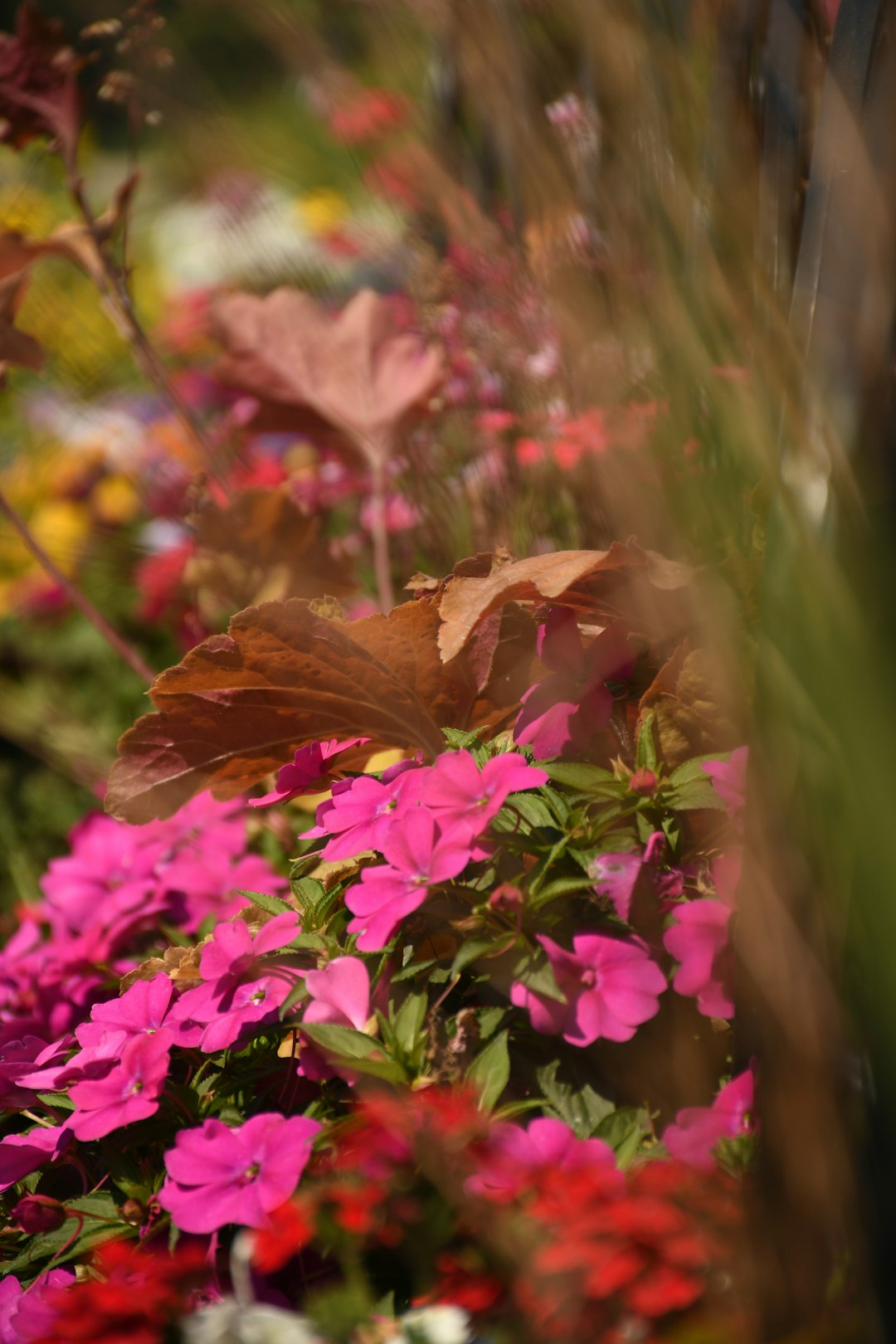
The Secret to Gorgeous Hydrangea Blooms Next Season
The Secret to Gorgeous Hydrangea Blooms Next Season
Unleash the Beauty of Your Lawn: A Guide to Perfect Mowing
Unleash the Beauty of Your Lawn: A Guide to Perfect Mowing
Guide to Soils and Potting Mixes
We know the secret to a good potters soil. We'll show you how to tell if you need to amend your soil and what plants need to thrive in your current soil conditions.
How to Use Fertilizer for Plants According to Experts
Get expert tips on fertilizing plants, including the best formulation for both houseplants and garden plants, as well as how frequently you should feed them.
How to Make a DIY Indoor Compost Bin
Make your own DIY indoor compost bin. With our tips, you'll learn how to compost and reduce your kitchen waste to help the planet.
Unveiling the Secrets of a Thriving Lawn
Unveiling the Secrets of a Thriving Lawn
15 Super Plants for Texas Landscapes
These plants are superstars in Texas gardens and landscapes. Experts recommend them for their ability to thrive in south-central climates.
Your Seasonal Lawn-Care Schedule for the Northeast
Take the guesswork out of yard work. This lawn-care calendar lets you know when to mow, aerate, fertilize, and seed your yard in the Northeast.
How to Make Compost Tea That Will Give Your Plants a Natural Boost
Learn how to make compost tea with this simple guide and recipes. Plus get tips for using compost tea to give all your plants a boost.