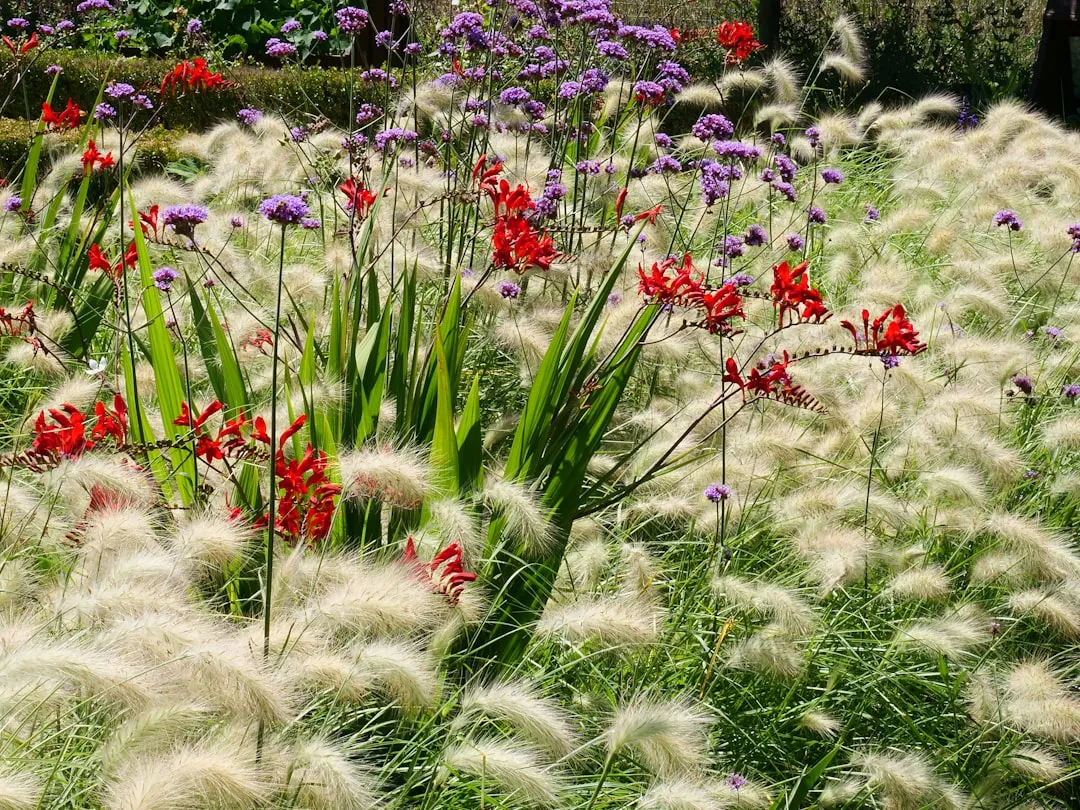
Creeping zinnia, a charming annual plant, is a delightful addition to any garden. With its vibrant yellow flowers that grace the landscape from summer through fall, it brings a touch of sunshine and beauty to outdoor spaces. In this article, we will explore the essential growing tips for this easy - care plant, ensuring that your creeping zinnia thrives and becomes the highlight of your flower garden.
### Choosing the Right Location
One of the first steps in successfully growing creeping zinnia is selecting the appropriate location. These plants love the sun, so choose a spot in your garden that receives at least 6 - 8 hours of direct sunlight per day. A south - facing or west - facing area is usually ideal. They can tolerate some light shade, but too much shade will result in leggy growth and fewer flowers. The soil in the chosen location should be well - drained. Creeping zinnia does not like to have its roots sitting in water for extended periods, as this can lead to root rot. If your soil is heavy clay, consider amending it with organic matter such as compost or peat moss to improve drainage.
### Soil Preparation
Before planting your creeping zinnia, it's important to prepare the soil properly. Start by removing any weeds, rocks, or debris from the planting area. Loosen the soil to a depth of about 6 - 8 inches using a garden fork or tiller. This will allow the roots to penetrate easily and access nutrients and water. Incorporate a slow - release fertilizer into the soil according to the package instructions. A balanced fertilizer with equal amounts of nitrogen, phosphorus, and potassium (e.g., 10 - 10 - 10) is a good choice. This will provide the necessary nutrients for healthy growth and abundant flowering.
### Planting Creeping Zinnia
You can start creeping zinnia from seeds or purchase young plants from a nursery. If starting from seeds, sow them directly into the prepared soil after the last frost date in your area. Sprinkle the seeds evenly over the soil surface and lightly cover them with about 1/8 inch of soil. Keep the soil moist until the seeds germinate, which usually takes about 7 - 10 days. If you're using young plants, dig a hole slightly larger than the root ball of the plant. Place the plant in the hole, making sure the top of the root ball is level with the soil surface. Backfill the hole with soil and gently firm it around the base of the plant. Water thoroughly after planting.
### Watering
While creeping zinnia is relatively drought - tolerant once established, it still needs regular watering, especially during hot, dry periods. Water deeply at the base of the plant, rather than overhead, to prevent the leaves from getting wet. Wet leaves can be more susceptible to diseases. Aim to keep the soil consistently moist but not waterlogged. A good rule of thumb is to water when the top inch of soil feels dry to the touch. During the peak of summer, you may need to water every 2 - 3 days, depending on the weather conditions.
### Fertilizing
To encourage continuous blooming, it's a good idea to fertilize your creeping zinnia every 4 - 6 weeks during the growing season. You can use a liquid fertilizer or a granular fertilizer that is specifically formulated for flowering plants. Follow the package instructions for the correct application rate. Over - fertilizing can lead to excessive foliage growth at the expense of flowers, so be careful not to overdo it.
### Pruning and Deadheading
Pruning and deadheading are important maintenance tasks for creeping zinnia. Deadheading, which is the removal of spent flowers, encourages the plant to produce more blooms. Simply pinch off the faded flowers at the base of the flower stem. This redirects the plant's energy from seed production to new flower formation. You can also prune back any leggy or overgrown stems to maintain a compact and bushy shape. Pruning is best done in the early morning or late afternoon to minimize stress on the plant.
### Pest and Disease Control
Creeping zinnia is generally resistant to most pests and diseases. However, it can occasionally be affected by aphids, spider mites, or powdery mildew. To control aphids and spider mites, you can use a strong stream of water to wash them off the plants. If the infestation is severe, you may need to use an insecticidal soap or neem oil. Powdery mildew, a fungal disease that appears as a white powdery coating on the leaves, can be prevented by ensuring good air circulation around the plants. Avoid overcrowding and water at the base of the plant to keep the leaves dry. If powdery mildew does occur, you can use a fungicide labeled for use on flowering plants.
In conclusion, growing creeping zinnia is a rewarding experience. By following these essential growing tips, you can enjoy a beautiful display of yellow flowers in your garden from summer to fall. With its easy - care nature and vibrant blooms, creeping zinnia is a must - have for any flower gardening enthusiast.

Visiting the Better Homes & Gardens Test Garden®
The BHG Test Garden is a beautiful green space that has something to see in all seasons.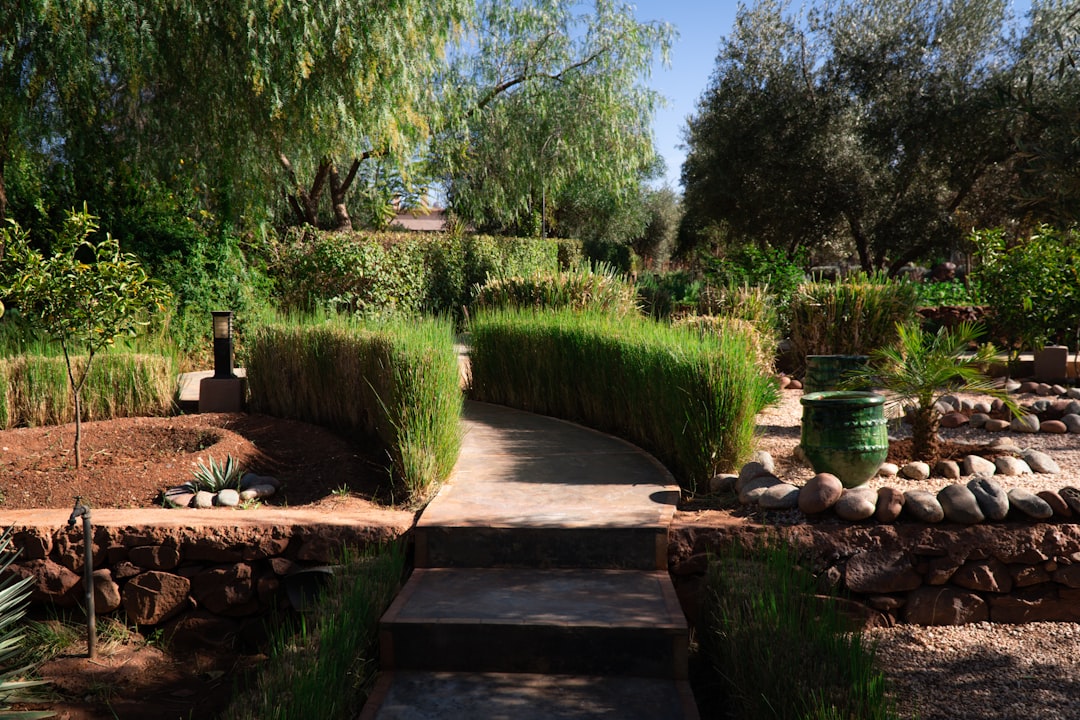
Silencing the Siding Peckers: A Gardener's Guide
Silencing the Siding Peckers: A Gardener's Guide
The Allure of Annuals China Aster in Your Garden
The Allure of Annuals China Aster in Your Garden
The Secret of Endless Blooms: Long - Blooming Perennials
The Secret of Endless Blooms: Long - Blooming Perennials
The Hardy Agave: A Cold - Resistant Floral Wonder
The Hardy Agave: A Cold - Resistant Floral Wonder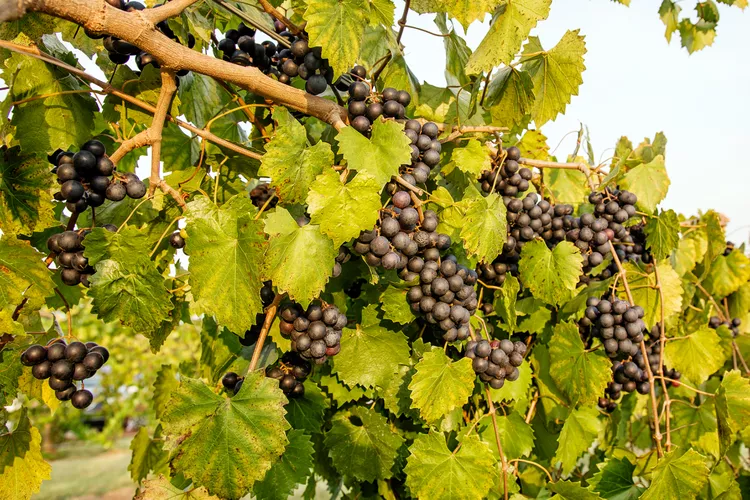
How to Plant and Grow Muscadine Grapes
Learn how to plant and grow muscadine grapes and harvest delicious fruit for fresh eating, preserves, and wine.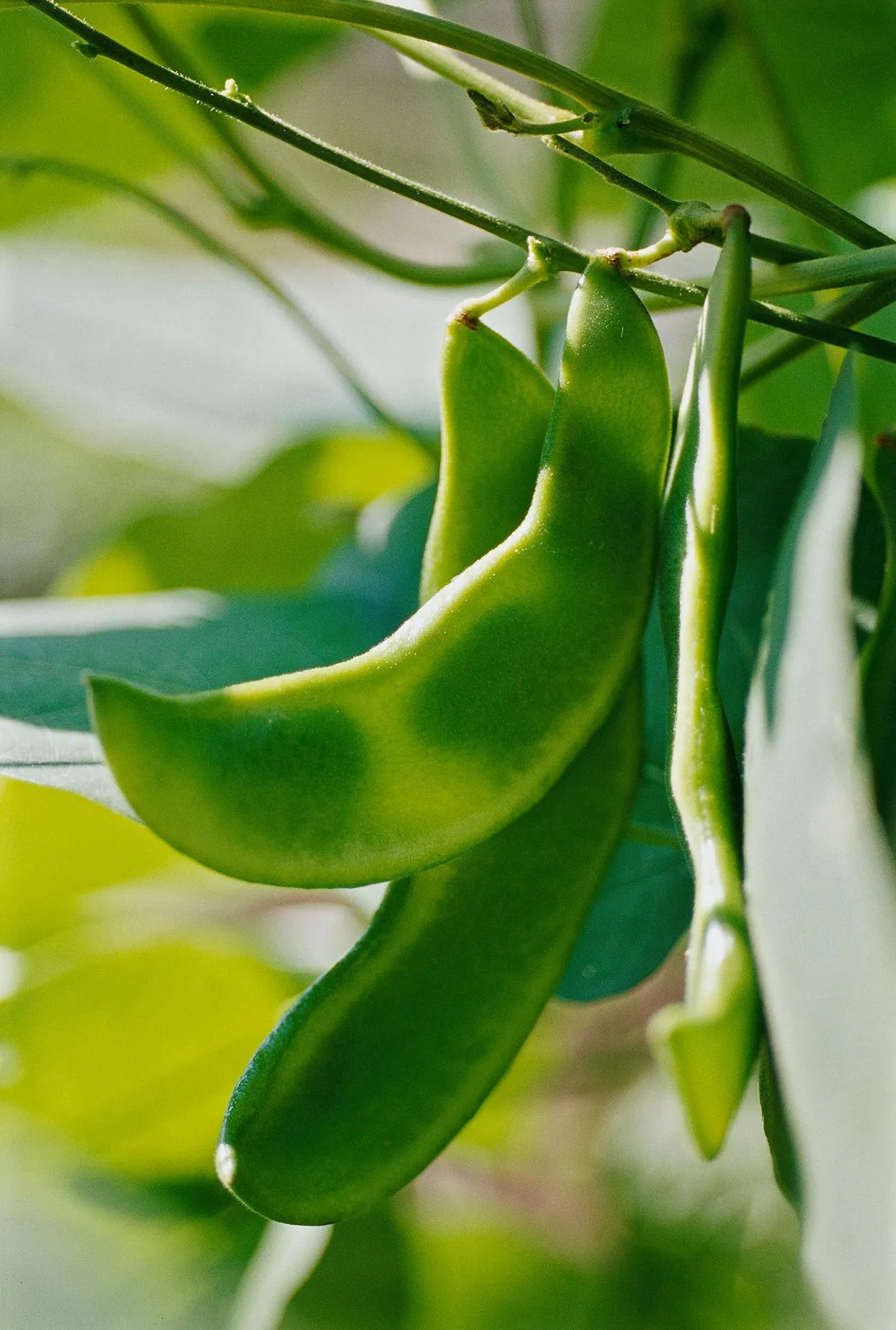
How to Plant and Grow Lima Beans
Find essential tips for growing lima beans, also known as butter beans, to pick them fresh or dry them for later use.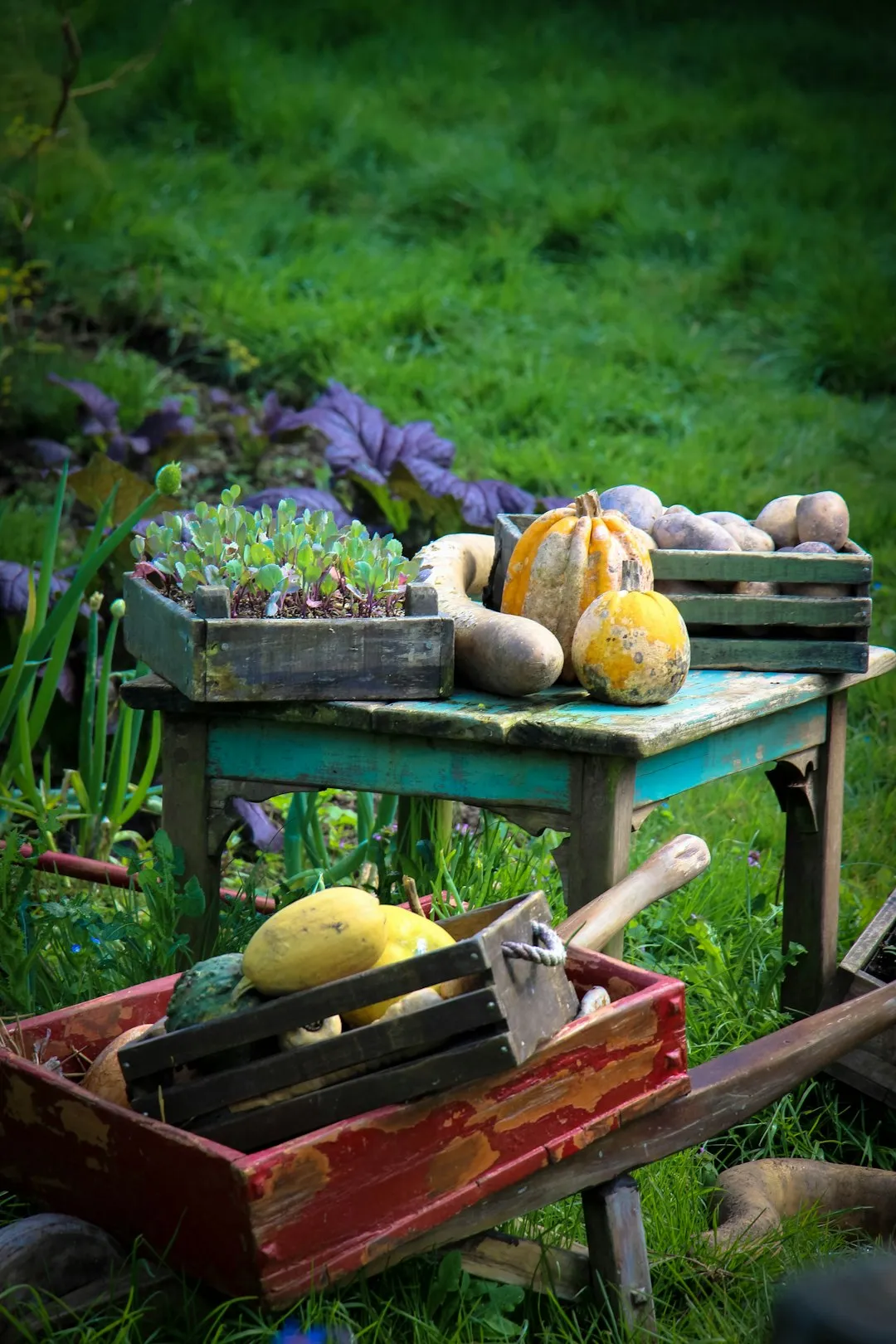
Unveiling the Wonders of Gourds in Your Edible Garden
Unveiling the Wonders of Gourds in Your Edible Garden
9 Tips for Companion Planting Vegetables to Boost Harvests
Companion planting is a natural and organic gardening technique that helps repel pests and grow healthier plants. Use these smart tips to start companion planting in your vegetable garden.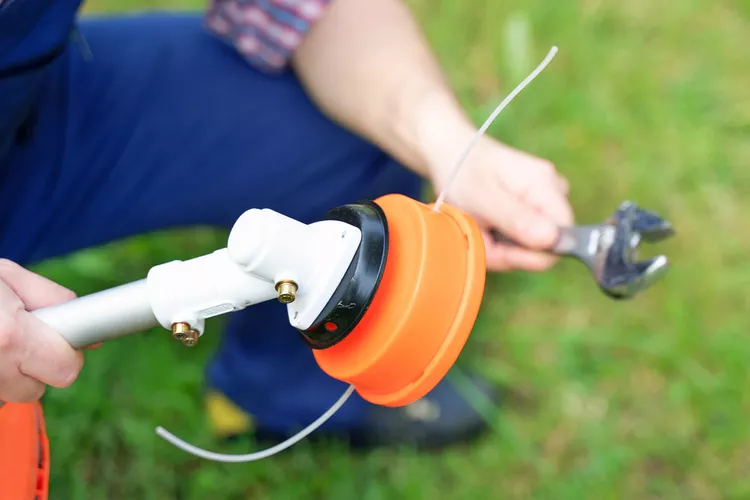
How to Restring a Weed Whacker in 4 Simple Steps
Use this step-by-step guide to properly replace the line on your weed trimmer.
Secrets to a Thriving Yard Garden
Secrets to a Thriving Yard Garden
The Secret to Gorgeous Hydrangea Blooms Next Season
The Secret to Gorgeous Hydrangea Blooms Next Season
Unleash the Beauty of Your Lawn: A Guide to Perfect Mowing
Unleash the Beauty of Your Lawn: A Guide to Perfect Mowing
Guide to Soils and Potting Mixes
We know the secret to a good potters soil. We'll show you how to tell if you need to amend your soil and what plants need to thrive in your current soil conditions.
How to Use Fertilizer for Plants According to Experts
Get expert tips on fertilizing plants, including the best formulation for both houseplants and garden plants, as well as how frequently you should feed them.
How to Make a DIY Indoor Compost Bin
Make your own DIY indoor compost bin. With our tips, you'll learn how to compost and reduce your kitchen waste to help the planet.
Unveiling the Secrets of a Thriving Lawn
Unveiling the Secrets of a Thriving Lawn
15 Super Plants for Texas Landscapes
These plants are superstars in Texas gardens and landscapes. Experts recommend them for their ability to thrive in south-central climates.
Your Seasonal Lawn-Care Schedule for the Northeast
Take the guesswork out of yard work. This lawn-care calendar lets you know when to mow, aerate, fertilize, and seed your yard in the Northeast.
How to Make Compost Tea That Will Give Your Plants a Natural Boost
Learn how to make compost tea with this simple guide and recipes. Plus get tips for using compost tea to give all your plants a boost.