
Flowers have always held a special place in the hearts of humans. They bring color, fragrance, and a touch of nature's beauty into our lives. Among the vast array of flowers, roses stand out as one of the most beloved and iconic. And within the rose family, shrub roses are a true gem, combining all the best characteristics of roses into a beautiful, low - maintenance plant.
Shrub roses are a diverse group of roses that offer a wide range of colors, shapes, and sizes. They can be used in various garden settings, from formal gardens to cottage gardens, and even in containers on patios or balconies. One of the main advantages of shrub roses is their hardiness. They are generally more resistant to diseases and pests compared to some other types of roses, making them a great choice for both novice and experienced gardeners.
When it comes to growing shrub roses, the first step is to choose the right location. Shrub roses thrive in full sun, which means they need at least six hours of direct sunlight per day. A sunny spot in your garden will ensure that the roses produce an abundance of flowers and maintain their overall health. The soil should be well - drained, fertile, and rich in organic matter. You can improve the soil quality by adding compost or well - rotted manure before planting.
Planting shrub roses is a relatively straightforward process. Dig a hole that is twice as wide and just as deep as the root ball of the rose plant. Gently remove the rose from its container and place it in the hole, making sure that the bud union (the swollen area where the rose is grafted onto the rootstock) is at or slightly above the soil level. Backfill the hole with soil, firm it gently around the plant, and water thoroughly.
Watering is crucial for the growth and survival of shrub roses. During the first year after planting, make sure to water deeply and regularly to help the roots establish. Once the roses are established, they are more drought - tolerant, but they still need consistent moisture. Water at the base of the plant to avoid getting the foliage wet, as wet foliage can lead to the development of diseases such as black spot and powdery mildew.
Fertilizing shrub roses is also important to ensure healthy growth and abundant flowering. Use a balanced rose fertilizer in early spring, just as the new growth begins. You can repeat the application every four to six weeks during the growing season. Follow the instructions on the fertilizer package for the correct dosage.
Pruning is another essential aspect of shrub rose care. Pruning helps to shape the plant, remove dead or diseased wood, and encourage new growth. The best time to prune shrub roses is in late winter or early spring, before the new growth starts. Use sharp, clean pruning shears and make clean cuts at a 45 - degree angle just above an outward - facing bud.
One of the joys of growing shrub roses is the variety of colors and forms they come in. There are shrub roses with single flowers, semi - double flowers, and double flowers. The colors range from pure white to deep red, and everything in between, including pink, yellow, and orange. Some shrub roses also have a delightful fragrance, adding an extra sensory dimension to your garden.
In addition to their beauty, shrub roses can also attract beneficial insects to your garden. Bees, butterflies, and other pollinators are drawn to the nectar and pollen of the roses, which helps to support the local ecosystem. This makes shrub roses not only a beautiful addition to your garden but also an environmentally friendly one.
Whether you are a seasoned gardener looking to add a new dimension to your rose collection or a beginner just starting out, shrub roses are an excellent choice. They are easy to grow, offer a long - blooming season, and provide a stunning display of color and fragrance. With a little care and attention, you can enjoy the beauty of shrub roses in your garden for years to come.
So, why not embark on the journey of growing shrub roses? It's a rewarding experience that will bring the beauty of nature right to your doorstep. Start planning your rose garden today, and soon you'll be surrounded by the enchanting world of shrub roses.
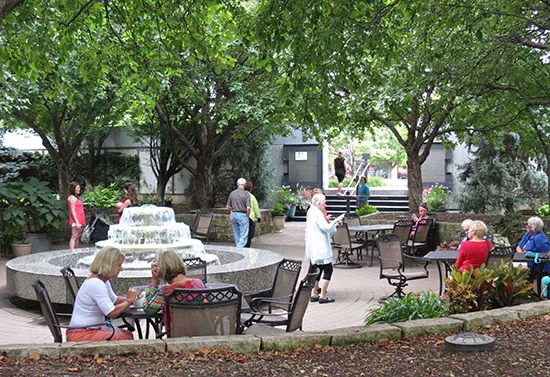
Visiting the Better Homes & Gardens Test Garden®
The BHG Test Garden is a beautiful green space that has something to see in all seasons.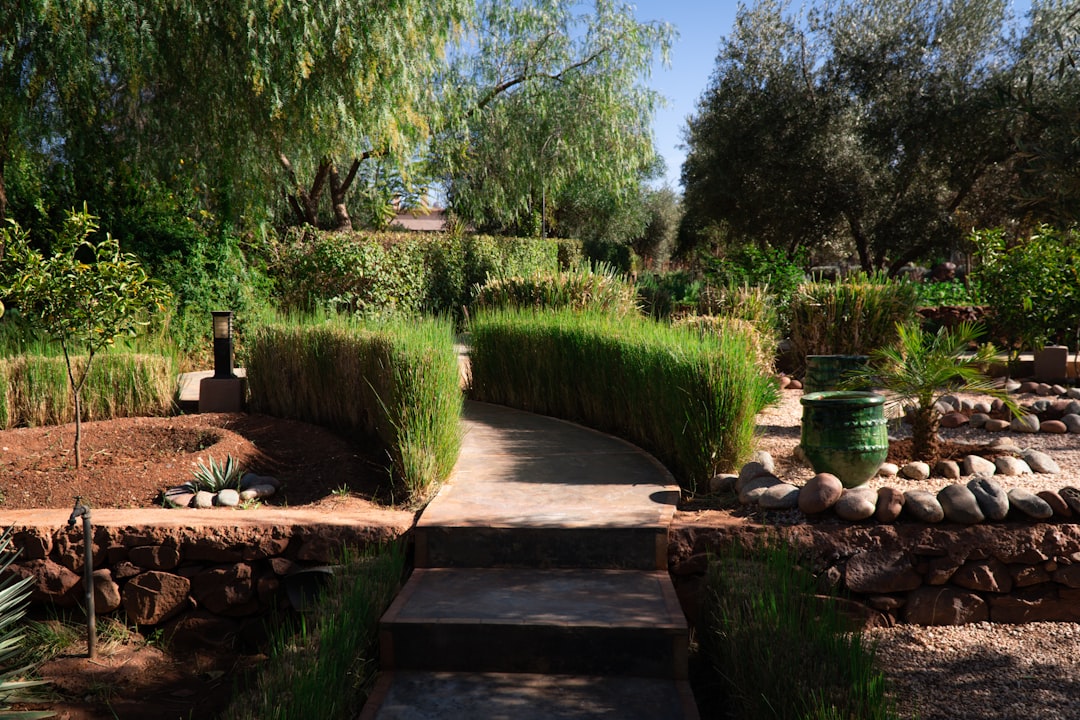
Silencing the Siding Peckers: A Gardener's Guide
Silencing the Siding Peckers: A Gardener's Guide
The Allure of Annuals China Aster in Your Garden
The Allure of Annuals China Aster in Your Garden
The Secret of Endless Blooms: Long - Blooming Perennials
The Secret of Endless Blooms: Long - Blooming Perennials
The Hardy Agave: A Cold - Resistant Floral Wonder
The Hardy Agave: A Cold - Resistant Floral Wonder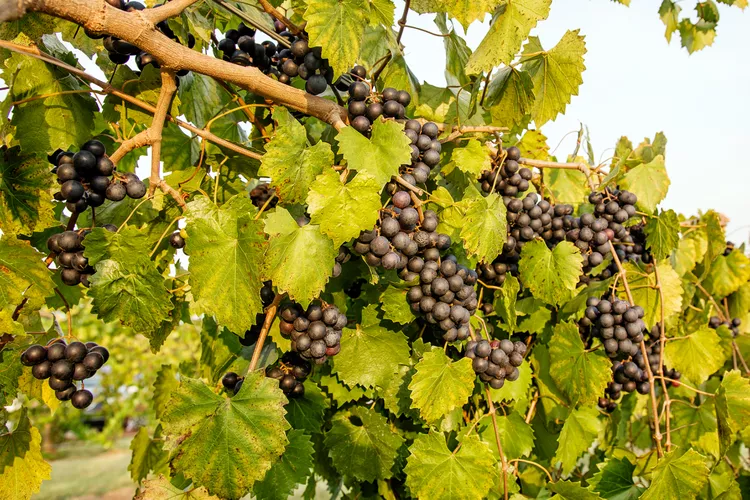
How to Plant and Grow Muscadine Grapes
Learn how to plant and grow muscadine grapes and harvest delicious fruit for fresh eating, preserves, and wine.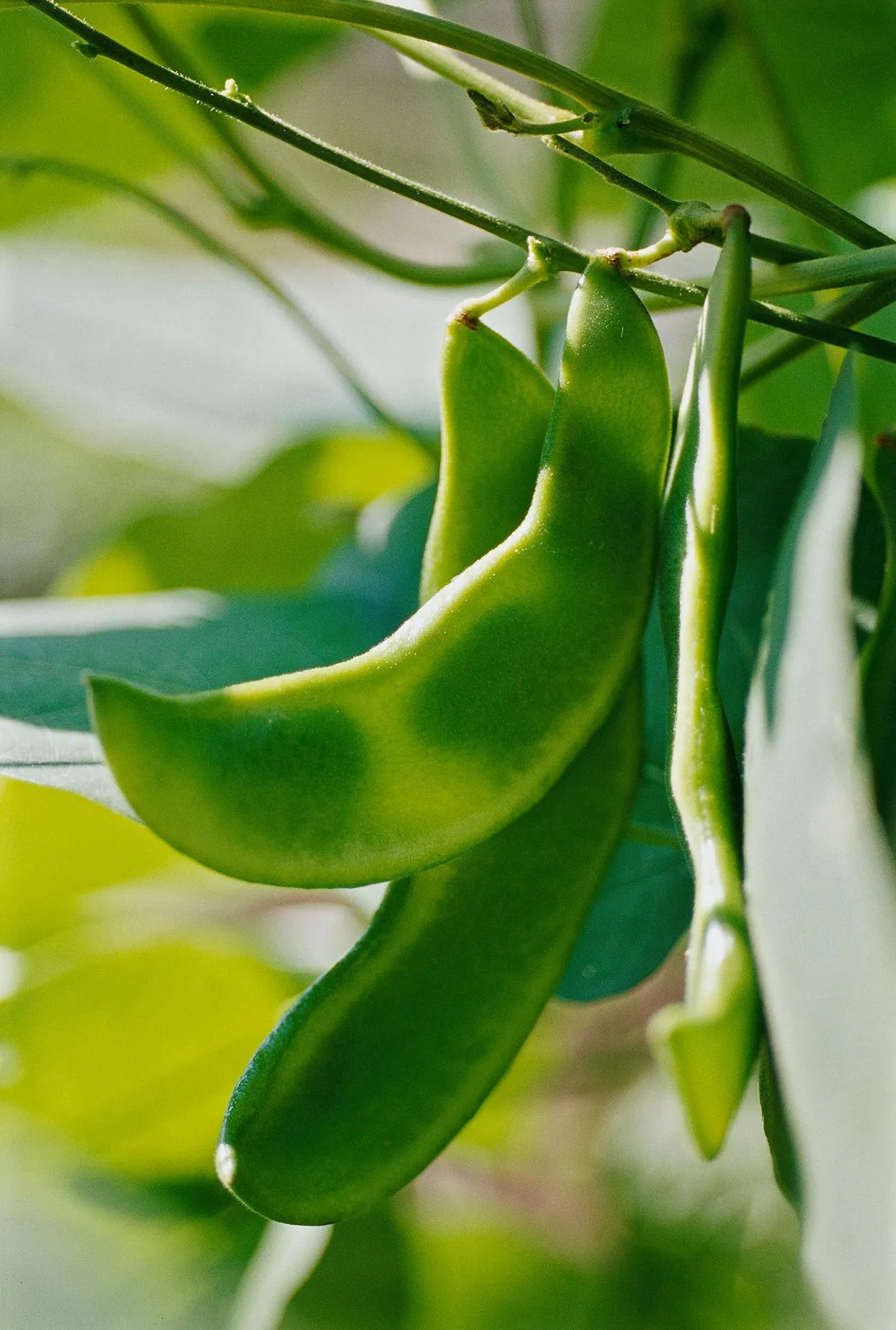
How to Plant and Grow Lima Beans
Find essential tips for growing lima beans, also known as butter beans, to pick them fresh or dry them for later use.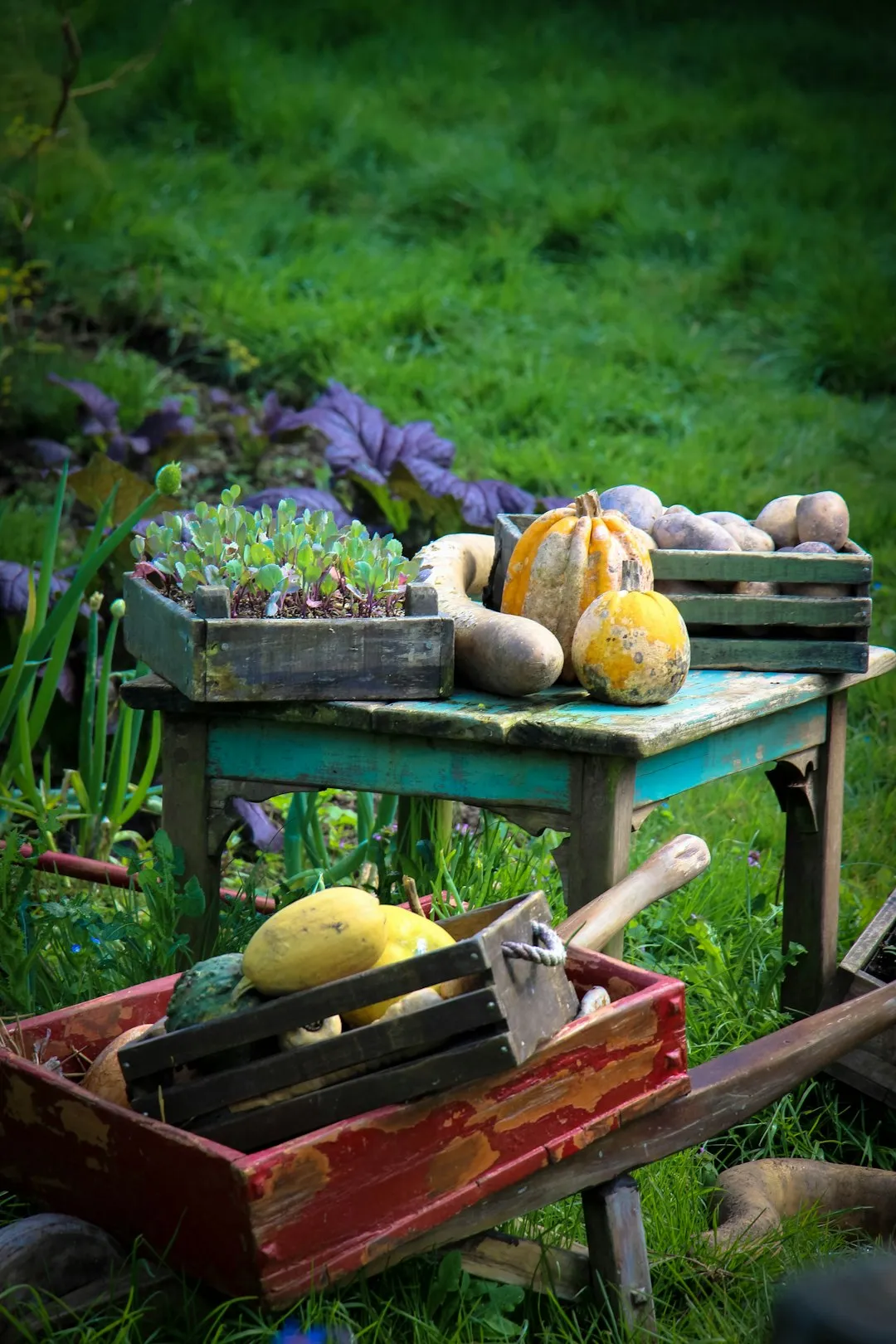
Unveiling the Wonders of Gourds in Your Edible Garden
Unveiling the Wonders of Gourds in Your Edible Garden
9 Tips for Companion Planting Vegetables to Boost Harvests
Companion planting is a natural and organic gardening technique that helps repel pests and grow healthier plants. Use these smart tips to start companion planting in your vegetable garden.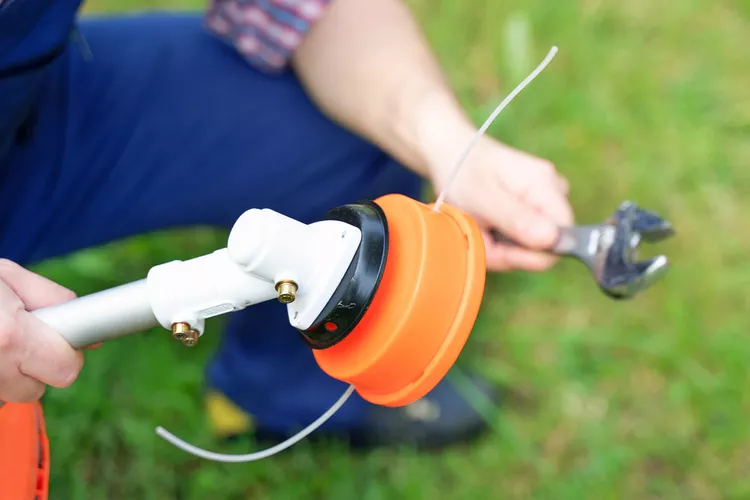
How to Restring a Weed Whacker in 4 Simple Steps
Use this step-by-step guide to properly replace the line on your weed trimmer.
Secrets to a Thriving Yard Garden
Secrets to a Thriving Yard Garden
The Secret to Gorgeous Hydrangea Blooms Next Season
The Secret to Gorgeous Hydrangea Blooms Next Season
Unleash the Beauty of Your Lawn: A Guide to Perfect Mowing
Unleash the Beauty of Your Lawn: A Guide to Perfect Mowing
Guide to Soils and Potting Mixes
We know the secret to a good potters soil. We'll show you how to tell if you need to amend your soil and what plants need to thrive in your current soil conditions.
How to Use Fertilizer for Plants According to Experts
Get expert tips on fertilizing plants, including the best formulation for both houseplants and garden plants, as well as how frequently you should feed them.
How to Make a DIY Indoor Compost Bin
Make your own DIY indoor compost bin. With our tips, you'll learn how to compost and reduce your kitchen waste to help the planet.
Unveiling the Secrets of a Thriving Lawn
Unveiling the Secrets of a Thriving Lawn
15 Super Plants for Texas Landscapes
These plants are superstars in Texas gardens and landscapes. Experts recommend them for their ability to thrive in south-central climates.
Your Seasonal Lawn-Care Schedule for the Northeast
Take the guesswork out of yard work. This lawn-care calendar lets you know when to mow, aerate, fertilize, and seed your yard in the Northeast.
How to Make Compost Tea That Will Give Your Plants a Natural Boost
Learn how to make compost tea with this simple guide and recipes. Plus get tips for using compost tea to give all your plants a boost.