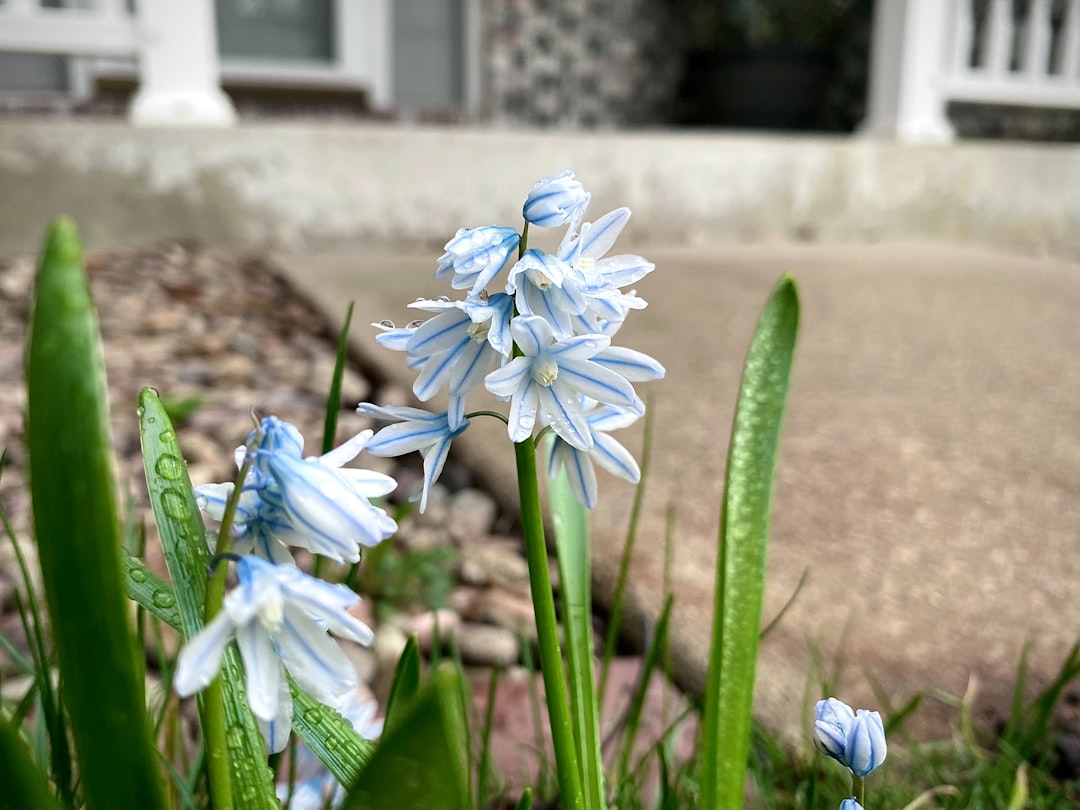
When it comes to creating a vibrant and fragrant garden, few things can rival the beauty and charm of hyacinth bulbs. These delightful flowers not only add a splash of color but also fill the air with their sweet, intoxicating fragrance. In this article, we will explore the art of planting groups of colorful hyacinth bulbs among other low - growing plants to create a stunning garden display.
Hyacinths are known for their dense clusters of bell - shaped flowers that come in a wide range of colors, including shades of purple, blue, pink, white, and yellow. Their bold hues can instantly transform a dull corner of your garden into a lively and inviting space. One of the great advantages of hyacinths is their relatively short height, which makes them perfect for planting in front of taller plants or among low - growing groundcovers.
Before you start planting your hyacinth bulbs, it's important to choose the right location. Hyacinths thrive in full sun to partial shade. A spot that receives at least 6 hours of sunlight a day is ideal. The soil should be well - drained, as hyacinth bulbs can rot if they sit in waterlogged soil for too long. You can improve the drainage of your soil by adding organic matter such as compost or well - rotted manure.
When it comes to planting, the best time to plant hyacinth bulbs is in the fall, usually around September or October. This allows the bulbs to establish their root systems before the cold winter sets in. Dig a hole that is about 4 - 6 inches deep and place the bulb in the hole with the pointed end facing up. Space the bulbs about 4 - 6 inches apart to give them enough room to grow and spread.
Once you have planted your hyacinth bulbs, it's time to think about the surrounding low - growing plants. Some excellent choices include ajuga, thyme, and sedum. Ajuga, with its colorful foliage, forms a dense mat that can provide a beautiful backdrop for the hyacinths. Thyme not only adds a lovely texture to the garden but also releases a pleasant aroma when stepped on. Sedum is a hardy succulent that comes in a variety of shapes and colors and can tolerate dry conditions well.
As the hyacinths start to grow in the spring, you will be rewarded with a spectacular display of color and fragrance. The flowers will last for several weeks, creating a focal point in your garden. After the hyacinths have finished blooming, you can deadhead the spent flowers to encourage the plant to focus its energy on storing nutrients in the bulb for the next year. Leave the foliage intact until it turns yellow and withers, as this is when the bulb is absorbing nutrients from the leaves.
To keep your hyacinth bulbs healthy and blooming year after year, it's important to fertilize them. You can apply a balanced fertilizer in the fall when you plant the bulbs and again in the spring when the shoots start to emerge. Water the bulbs regularly, especially during dry spells, but be careful not to over - water them.
In conclusion, planting groups of colorful hyacinth bulbs among low - growing plants is a wonderful way to enhance the beauty and fragrance of your garden. With a little planning and care, you can create a garden that is a feast for the eyes and the nose. So, go ahead and add some hyacinth bulbs to your garden this fall and enjoy the magic they bring.

Visiting the Better Homes & Gardens Test Garden®
The BHG Test Garden is a beautiful green space that has something to see in all seasons.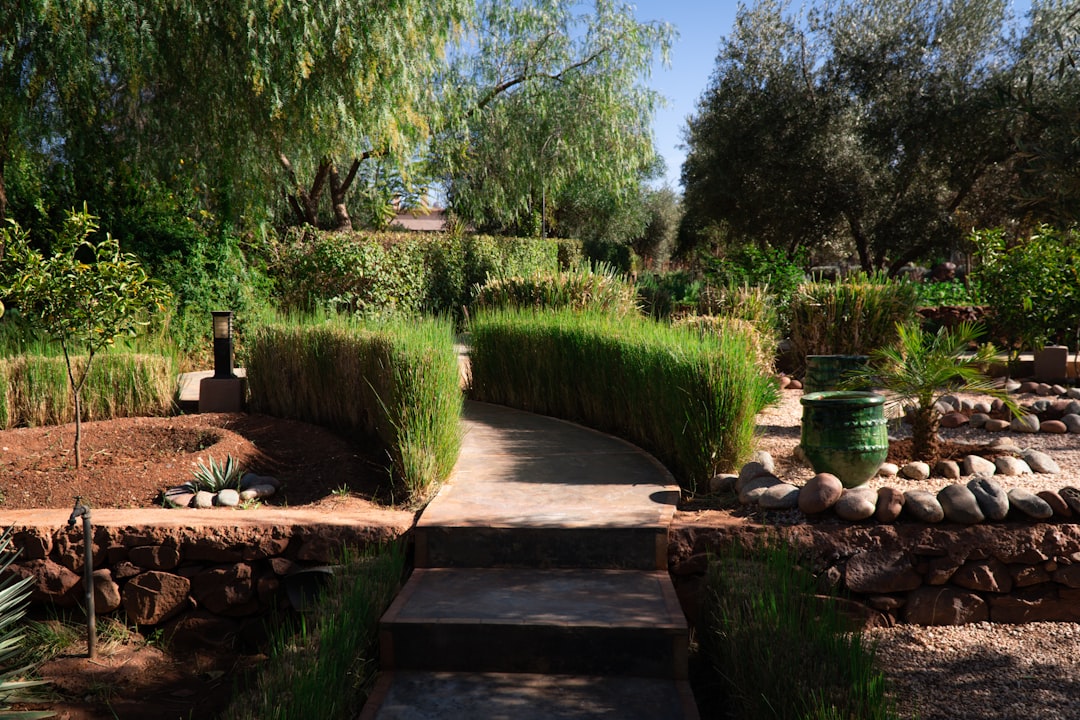
Silencing the Siding Peckers: A Gardener's Guide
Silencing the Siding Peckers: A Gardener's Guide
The Allure of Annuals China Aster in Your Garden
The Allure of Annuals China Aster in Your Garden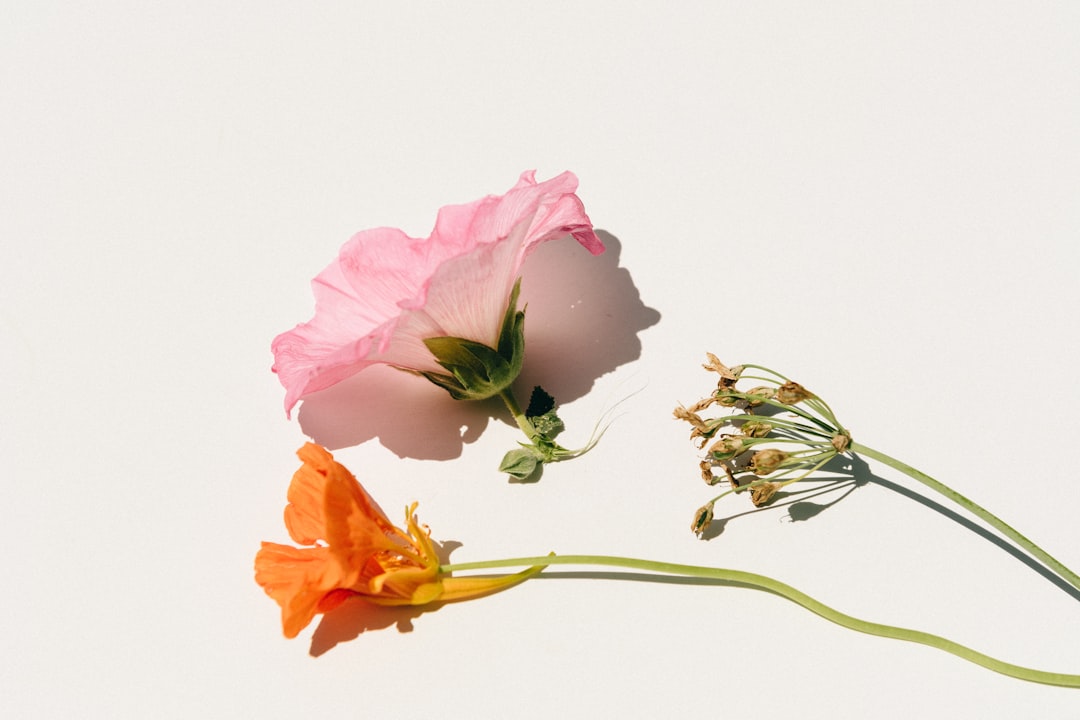
The Secret of Endless Blooms: Long - Blooming Perennials
The Secret of Endless Blooms: Long - Blooming Perennials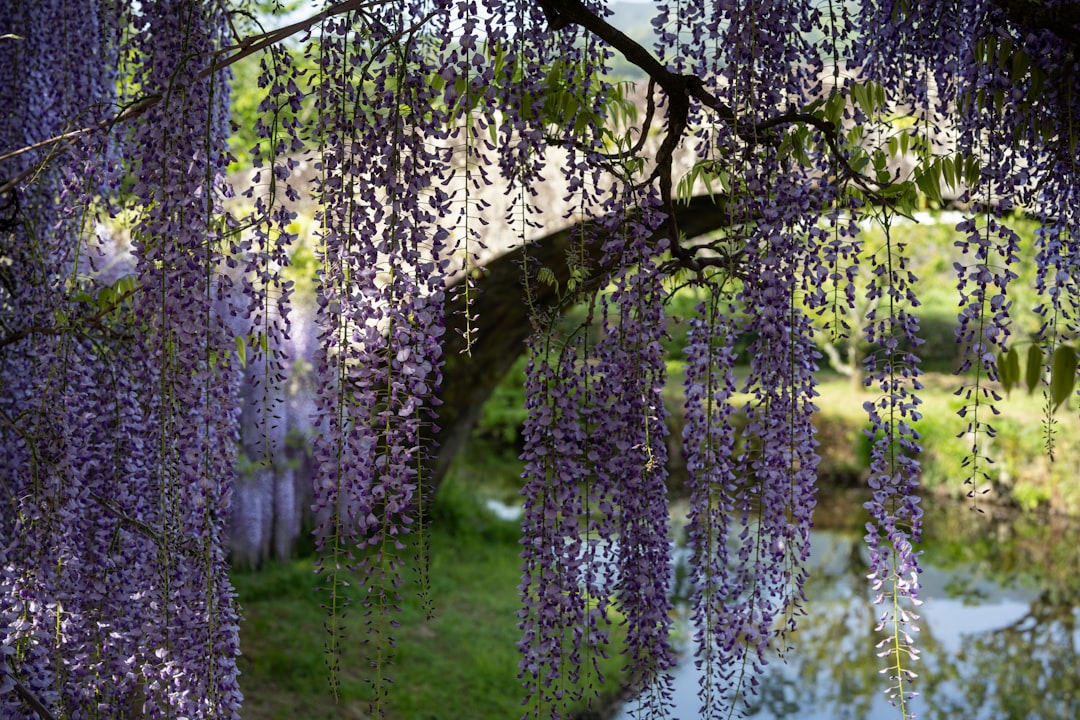
The Hardy Agave: A Cold - Resistant Floral Wonder
The Hardy Agave: A Cold - Resistant Floral Wonder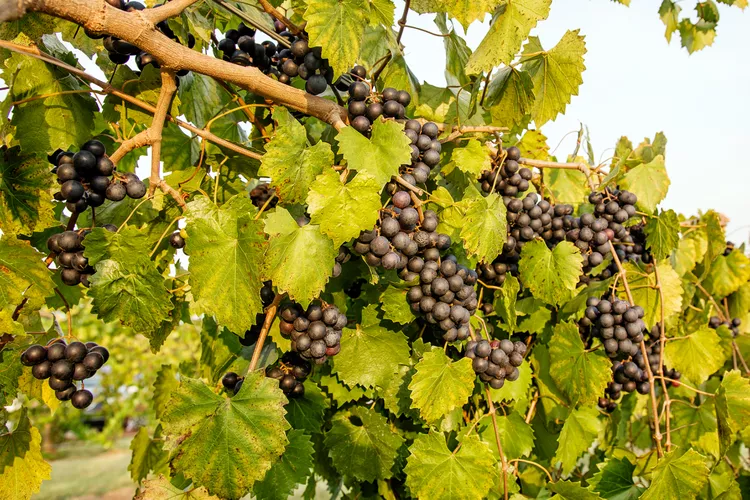
How to Plant and Grow Muscadine Grapes
Learn how to plant and grow muscadine grapes and harvest delicious fruit for fresh eating, preserves, and wine.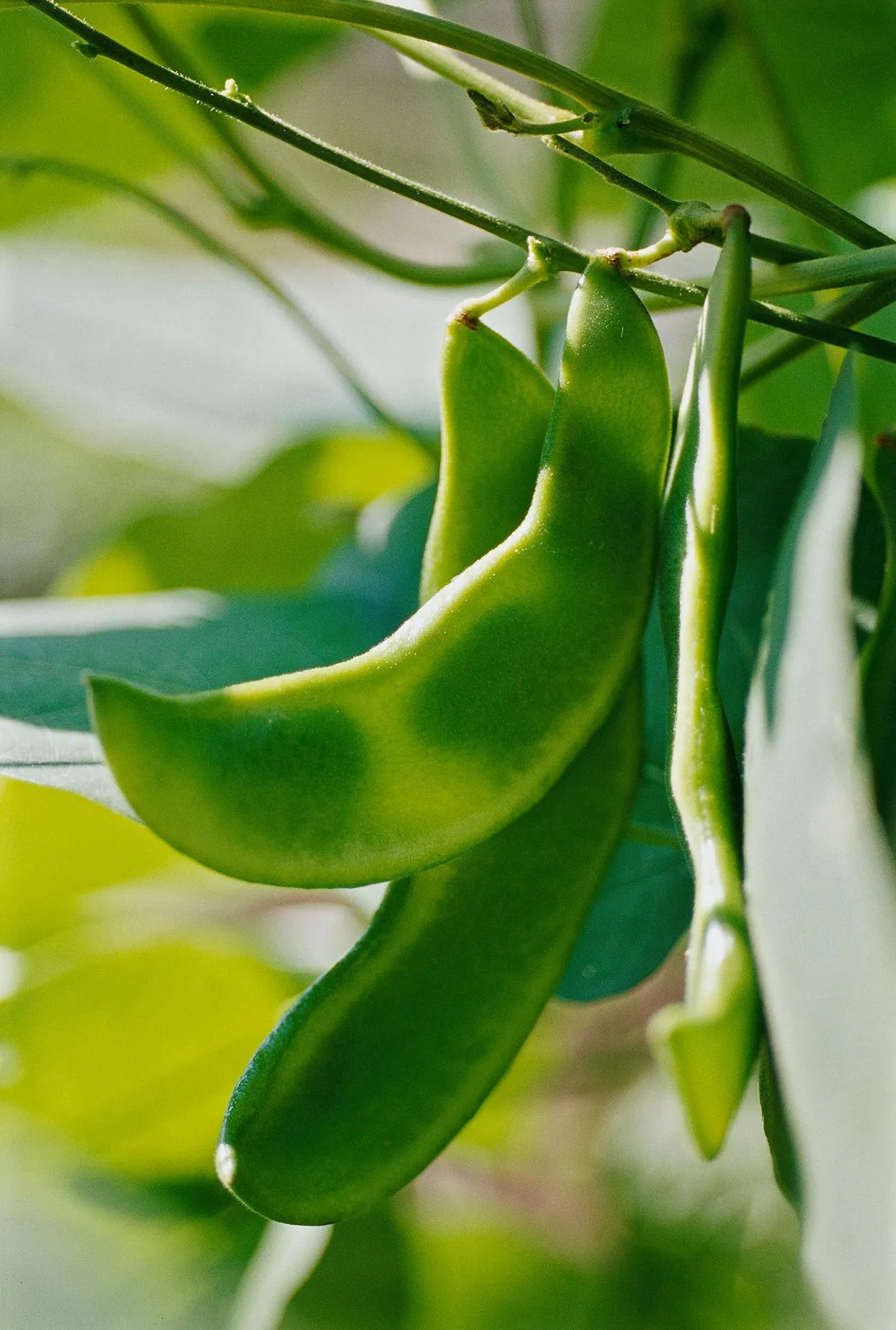
How to Plant and Grow Lima Beans
Find essential tips for growing lima beans, also known as butter beans, to pick them fresh or dry them for later use.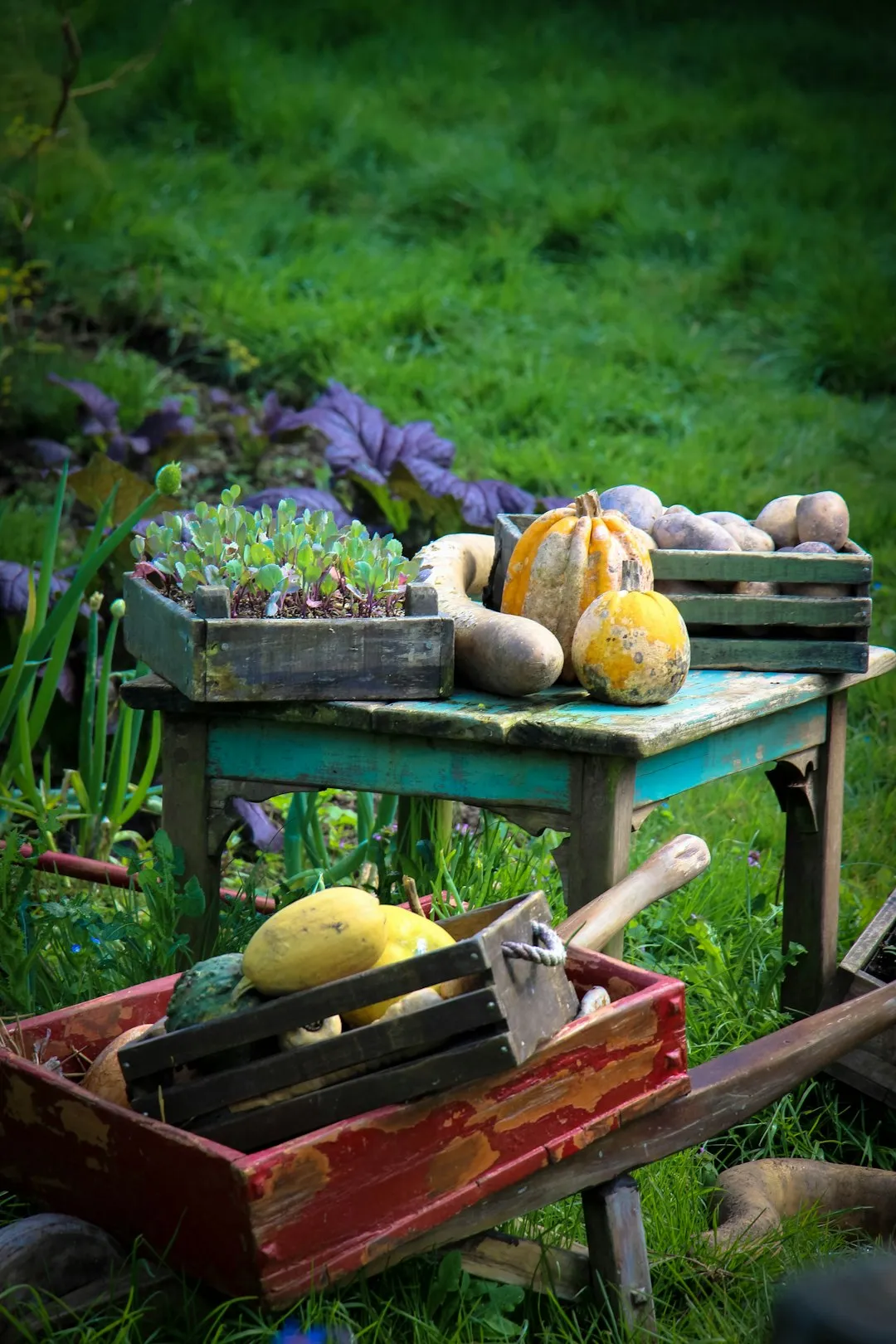
Unveiling the Wonders of Gourds in Your Edible Garden
Unveiling the Wonders of Gourds in Your Edible Garden
9 Tips for Companion Planting Vegetables to Boost Harvests
Companion planting is a natural and organic gardening technique that helps repel pests and grow healthier plants. Use these smart tips to start companion planting in your vegetable garden.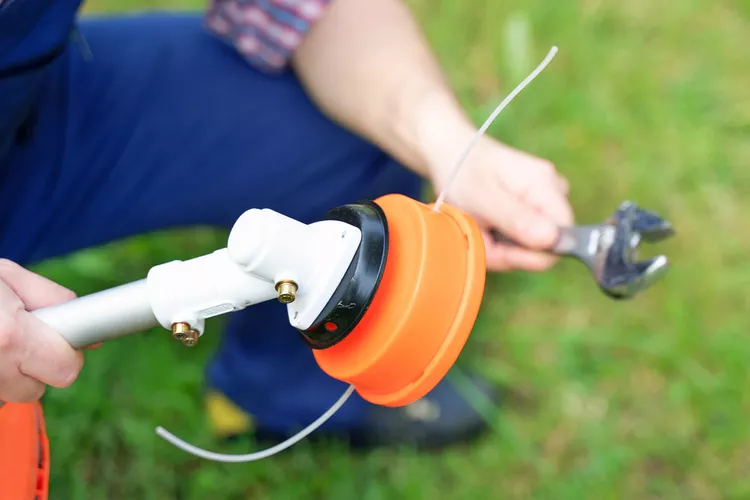
How to Restring a Weed Whacker in 4 Simple Steps
Use this step-by-step guide to properly replace the line on your weed trimmer.
Secrets to a Thriving Yard Garden
Secrets to a Thriving Yard Garden
The Secret to Gorgeous Hydrangea Blooms Next Season
The Secret to Gorgeous Hydrangea Blooms Next Season
Unleash the Beauty of Your Lawn: A Guide to Perfect Mowing
Unleash the Beauty of Your Lawn: A Guide to Perfect Mowing
Guide to Soils and Potting Mixes
We know the secret to a good potters soil. We'll show you how to tell if you need to amend your soil and what plants need to thrive in your current soil conditions.
How to Use Fertilizer for Plants According to Experts
Get expert tips on fertilizing plants, including the best formulation for both houseplants and garden plants, as well as how frequently you should feed them.
How to Make a DIY Indoor Compost Bin
Make your own DIY indoor compost bin. With our tips, you'll learn how to compost and reduce your kitchen waste to help the planet.
Unveiling the Secrets of a Thriving Lawn
Unveiling the Secrets of a Thriving Lawn
15 Super Plants for Texas Landscapes
These plants are superstars in Texas gardens and landscapes. Experts recommend them for their ability to thrive in south-central climates.
Your Seasonal Lawn-Care Schedule for the Northeast
Take the guesswork out of yard work. This lawn-care calendar lets you know when to mow, aerate, fertilize, and seed your yard in the Northeast.
How to Make Compost Tea That Will Give Your Plants a Natural Boost
Learn how to make compost tea with this simple guide and recipes. Plus get tips for using compost tea to give all your plants a boost.