
Edible gardening has become a popular pastime for many, offering a rewarding experience of growing and consuming one's own fresh produce. Among the many herbs that can be cultivated, rosemary stands out not only for its aromatic fragrance but also for its versatility in the kitchen. In this article, we will explore some valuable tips on how to harvest rosemary to ensure you gather plenty of fresh leaves at their peak flavor, whether from potted plants or herb gardens.
Rosemary is a hardy evergreen herb that thrives in well - drained soil and plenty of sunlight. Before you start harvesting, it's important to understand the plant's growth cycle. Rosemary grows slowly, especially in the first year, so it's best to avoid over - harvesting during this time. Once the plant is well - established, usually after its first year, you can start reaping the benefits.
One of the key factors in harvesting rosemary is timing. The best time to harvest rosemary is in the morning, after the dew has dried but before the heat of the day. At this time, the essential oils in the leaves are at their highest concentration, which means the flavor will be more intense. You can also harvest rosemary just before it starts to flower. The leaves tend to be more flavorful right before the plant diverts its energy into producing flowers.
When it comes to tools, a sharp pair of pruning shears or scissors is all you need. Dull tools can crush the leaves instead of making a clean cut, which can damage the plant and lead to a loss of flavor. Make sure your tools are clean to prevent the spread of diseases.
For potted rosemary plants, start by examining the plant for healthy branches. Look for branches that are long and have plenty of leaves. You want to avoid cutting into the woody part of the stem as much as possible, as this can harm the plant's growth. Instead, cut about one - third of the length of the branch, just above a set of leaves. This will encourage new growth from the cut point.
In an herb garden, the same principles apply. However, you may have more rosemary plants to work with. Walk through the garden and select the best branches from each plant. It's important to be selective and not take too much from any single plant. A good rule of thumb is to never harvest more than one - third of the plant at a time. This allows the plant to recover and continue growing healthily.
After harvesting, you can use the fresh rosemary leaves immediately. They are great for seasoning meats, adding flavor to soups and stews, or even making rosemary - infused olive oil. If you have more rosemary than you can use right away, you can dry it for later use. To dry rosemary, tie the branches together with a string and hang them upside down in a cool, dry, and well - ventilated area. Once the leaves are dry, you can remove them from the stems and store them in an airtight container.
Another aspect to consider is the long - term care of your rosemary plants after harvesting. Water the plants regularly, but be careful not to over - water as rosemary is prone to root rot. Fertilize the plants sparingly, as too much fertilizer can lead to excessive growth with less flavor. Pruning the plants periodically, even outside of the harvesting season, can help maintain their shape and encourage new growth.
In conclusion, harvesting rosemary is a simple yet rewarding process. By following these tips on timing, using the right tools, and proper plant care, you can enjoy a bountiful supply of fresh, flavorful rosemary leaves from your potted plants or herb garden. Whether you're a seasoned gardener or just starting out, rosemary is a wonderful addition to any edible garden, providing both culinary and aesthetic benefits.

Visiting the Better Homes & Gardens Test Garden®
The BHG Test Garden is a beautiful green space that has something to see in all seasons.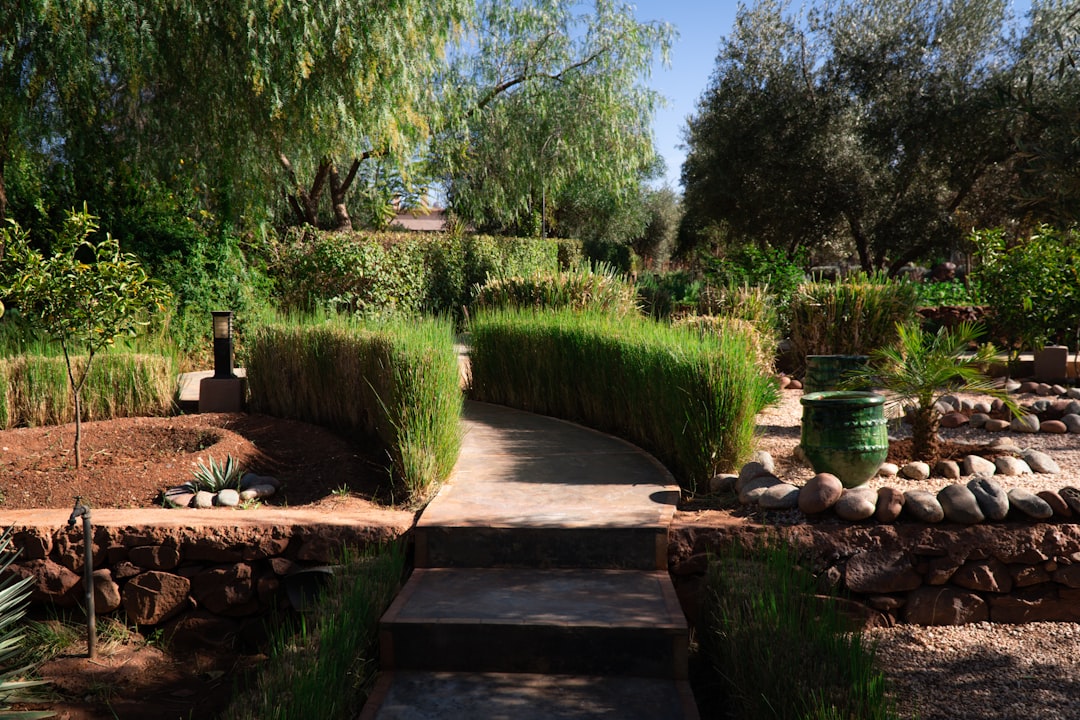
Silencing the Siding Peckers: A Gardener's Guide
Silencing the Siding Peckers: A Gardener's Guide
The Allure of Annuals China Aster in Your Garden
The Allure of Annuals China Aster in Your Garden
The Secret of Endless Blooms: Long - Blooming Perennials
The Secret of Endless Blooms: Long - Blooming Perennials
The Hardy Agave: A Cold - Resistant Floral Wonder
The Hardy Agave: A Cold - Resistant Floral Wonder
How to Plant and Grow Muscadine Grapes
Learn how to plant and grow muscadine grapes and harvest delicious fruit for fresh eating, preserves, and wine.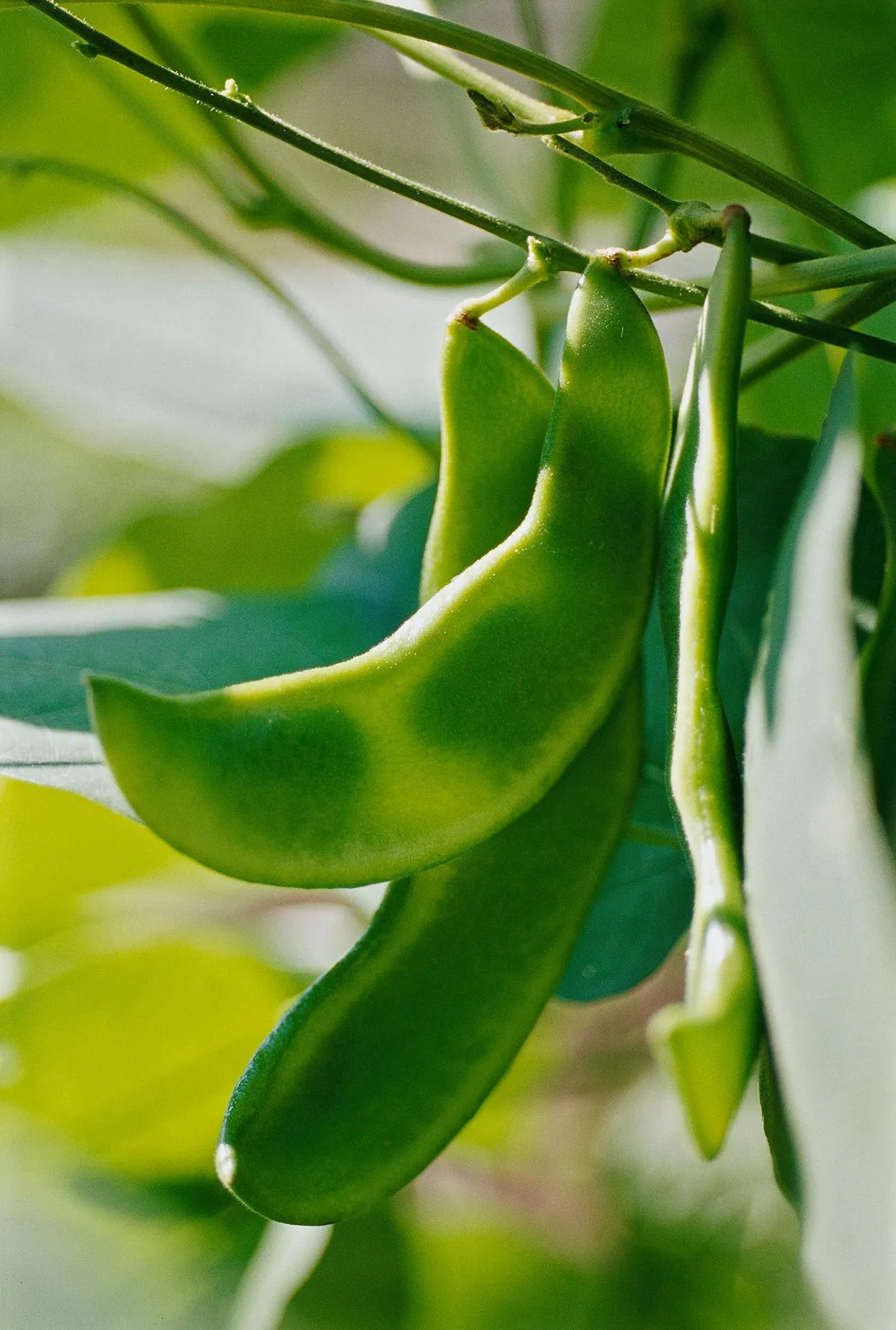
How to Plant and Grow Lima Beans
Find essential tips for growing lima beans, also known as butter beans, to pick them fresh or dry them for later use.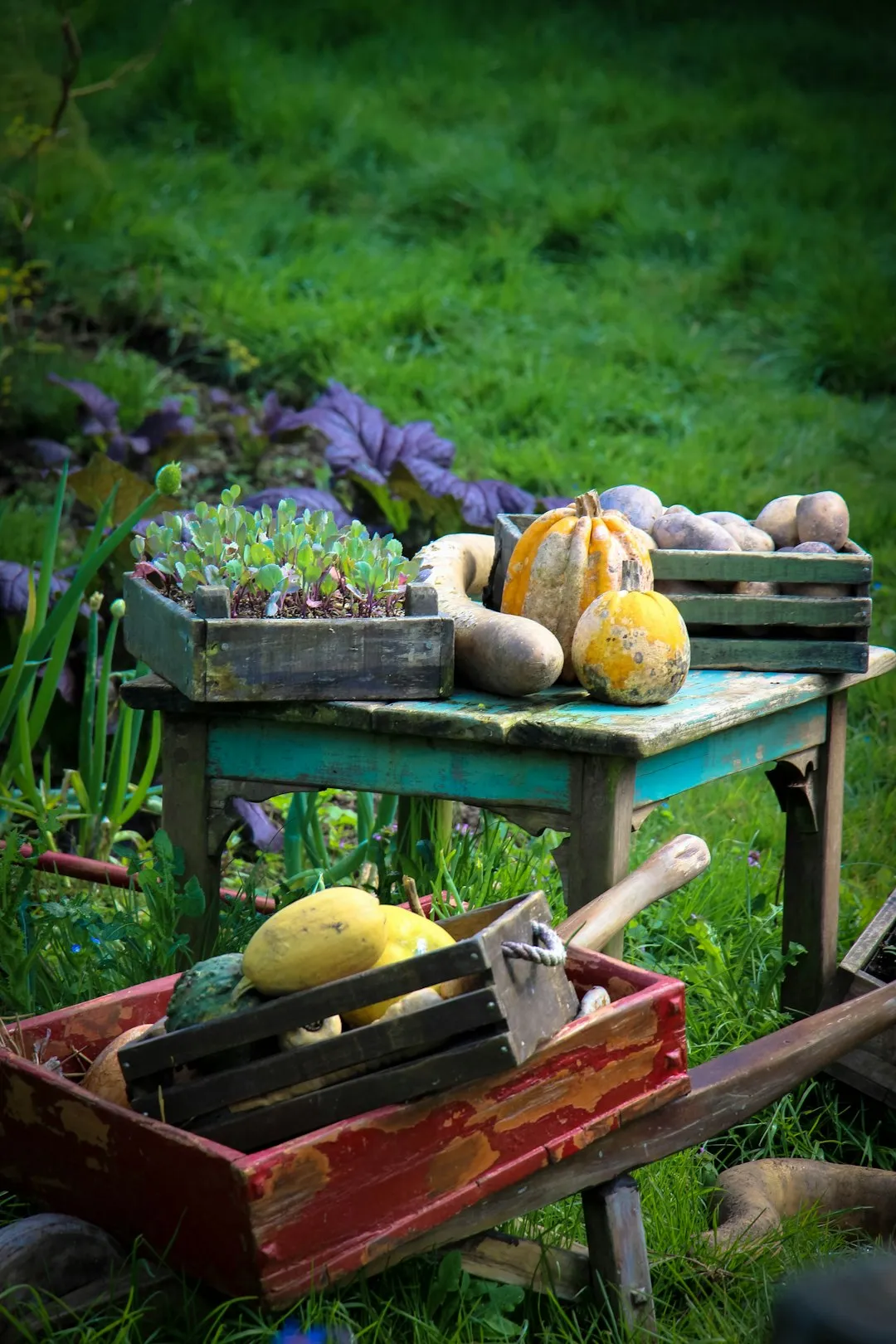
Unveiling the Wonders of Gourds in Your Edible Garden
Unveiling the Wonders of Gourds in Your Edible Garden
9 Tips for Companion Planting Vegetables to Boost Harvests
Companion planting is a natural and organic gardening technique that helps repel pests and grow healthier plants. Use these smart tips to start companion planting in your vegetable garden.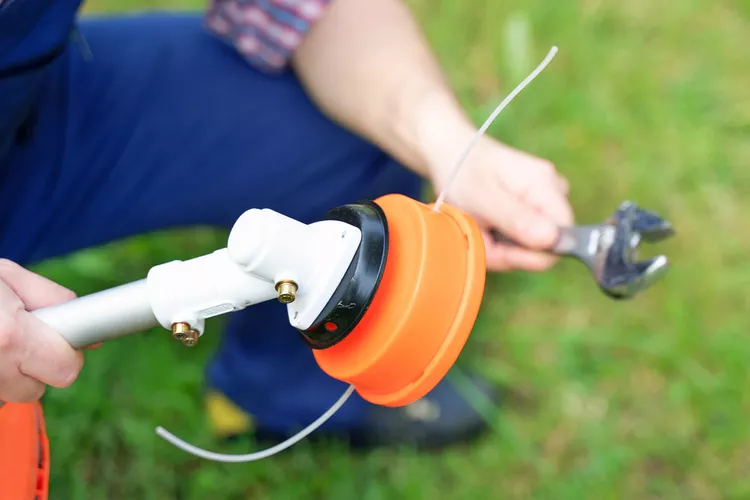
How to Restring a Weed Whacker in 4 Simple Steps
Use this step-by-step guide to properly replace the line on your weed trimmer.
Secrets to a Thriving Yard Garden
Secrets to a Thriving Yard Garden
The Secret to Gorgeous Hydrangea Blooms Next Season
The Secret to Gorgeous Hydrangea Blooms Next Season
Unleash the Beauty of Your Lawn: A Guide to Perfect Mowing
Unleash the Beauty of Your Lawn: A Guide to Perfect Mowing
Guide to Soils and Potting Mixes
We know the secret to a good potters soil. We'll show you how to tell if you need to amend your soil and what plants need to thrive in your current soil conditions.
How to Use Fertilizer for Plants According to Experts
Get expert tips on fertilizing plants, including the best formulation for both houseplants and garden plants, as well as how frequently you should feed them.
How to Make a DIY Indoor Compost Bin
Make your own DIY indoor compost bin. With our tips, you'll learn how to compost and reduce your kitchen waste to help the planet.
Unveiling the Secrets of a Thriving Lawn
Unveiling the Secrets of a Thriving Lawn
15 Super Plants for Texas Landscapes
These plants are superstars in Texas gardens and landscapes. Experts recommend them for their ability to thrive in south-central climates.
Your Seasonal Lawn-Care Schedule for the Northeast
Take the guesswork out of yard work. This lawn-care calendar lets you know when to mow, aerate, fertilize, and seed your yard in the Northeast.
How to Make Compost Tea That Will Give Your Plants a Natural Boost
Learn how to make compost tea with this simple guide and recipes. Plus get tips for using compost tea to give all your plants a boost.