
Edible gardening is a rewarding endeavor, and sweet potatoes are a delightful addition to any home garden. Knowing when to harvest sweet potatoes, how to cure them, and the best way to store them can significantly enhance your gardening experience and the quality of your home - grown crop.
### When to Harvest Sweet Potatoes
Determining the right time to harvest sweet potatoes is crucial. Unlike some vegetables that can be harvested over a long period, sweet potatoes have a more specific window. Generally, sweet potatoes are ready for harvest about 90 - 120 days after planting. However, this can vary depending on the variety and growing conditions.
One of the first signs that your sweet potatoes might be ready is the appearance of the foliage. As the growing season nears its end, the leaves of the sweet potato plant will start to turn yellow and wither. This is a natural process indicating that the plant is diverting its energy from the foliage to the tubers underground.
Another way to check is by gently digging around the base of the plant. Carefully expose a few of the tubers. If they have reached a desirable size and have a smooth skin, it's a good indication that they are ready for harvest. But be careful not to damage the tubers during this process.
### How to Harvest Sweet Potatoes
When it's time to harvest, use a garden fork or a spade. Start by loosening the soil around the base of the plant, being careful not to pierce the tubers. Once the soil is loosened, gently lift the plant and the attached tubers out of the ground. Shake off any excess soil, but avoid washing the sweet potatoes at this stage, as moisture can lead to spoilage during storage.
### Curing Sweet Potatoes
Curing is an essential step in the post - harvest process of sweet potatoes. Curing helps to heal any small cuts or bruises on the tubers, thicken the skin, and convert starches into sugars, resulting in a sweeter and more flavorful potato. To cure sweet potatoes, place them in a warm (about 80 - 85°F or 27 - 29°C), humid (85 - 90% relative humidity) environment for about 10 - 14 days. A basement or a garage with a heater and a humidifier can work well for this purpose.
### Storing Sweet Potatoes
After curing, sweet potatoes can be stored for several months if done correctly. Store them in a cool (55 - 60°F or 13 - 16°C), dry, and well - ventilated place. Avoid storing sweet potatoes in the refrigerator, as the cold temperature can cause the starch to convert to sugar too quickly and give the potatoes an off - flavor.
You can store sweet potatoes in a mesh bag or a wooden crate. Make sure to check them regularly for any signs of spoilage, such as mold or soft spots. Remove any spoiled sweet potatoes immediately to prevent the spread of decay to the rest of the batch.
In conclusion, by understanding the proper techniques for harvesting, curing, and storing sweet potatoes, you can make the most of your home - grown crop. These steps not only ensure a longer shelf - life for your sweet potatoes but also enhance their taste and quality. So, roll up your sleeves, get out into the garden, and enjoy the fruits (or rather, tubers) of your labor!

Visiting the Better Homes & Gardens Test Garden®
The BHG Test Garden is a beautiful green space that has something to see in all seasons.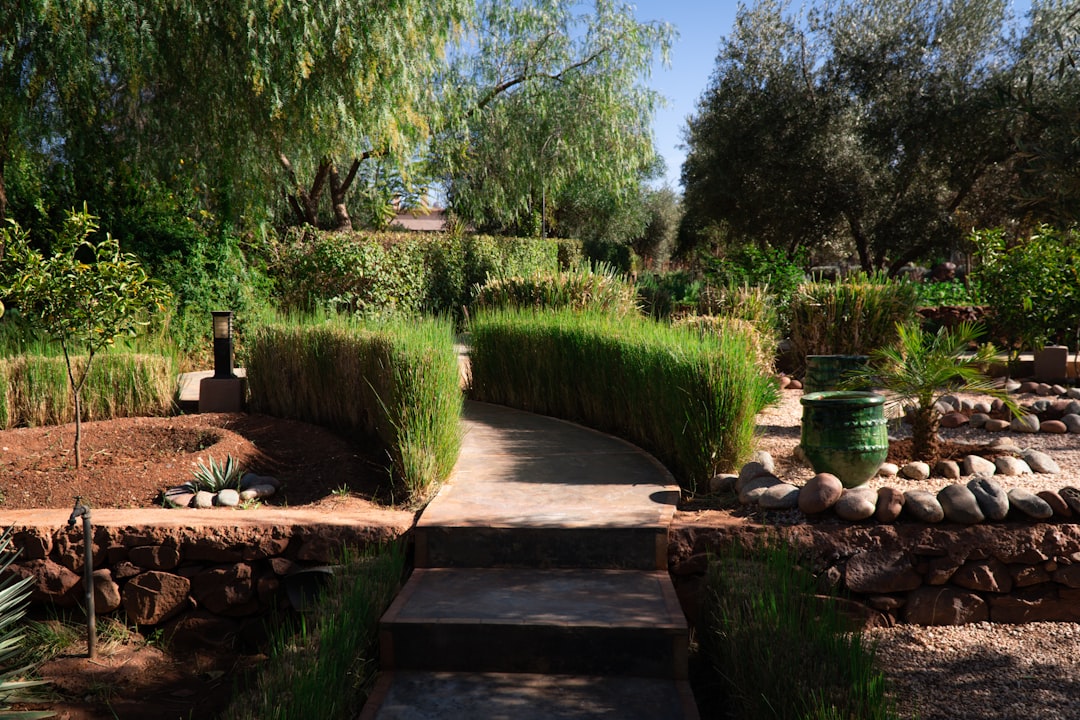
Silencing the Siding Peckers: A Gardener's Guide
Silencing the Siding Peckers: A Gardener's Guide
The Allure of Annuals China Aster in Your Garden
The Allure of Annuals China Aster in Your Garden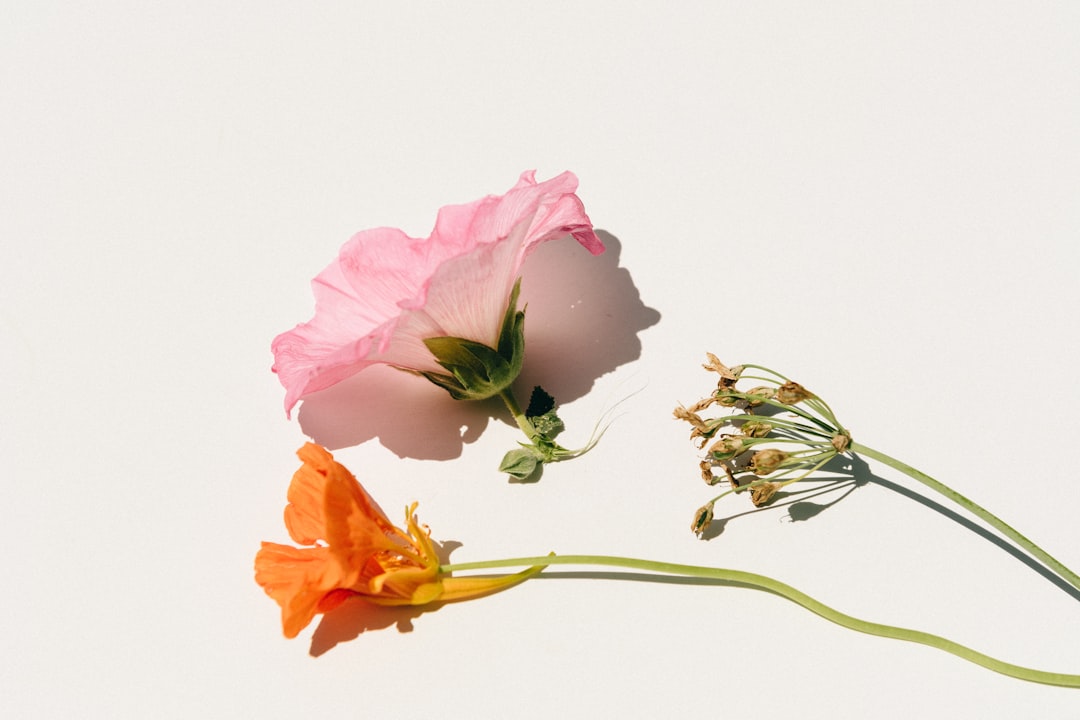
The Secret of Endless Blooms: Long - Blooming Perennials
The Secret of Endless Blooms: Long - Blooming Perennials
The Hardy Agave: A Cold - Resistant Floral Wonder
The Hardy Agave: A Cold - Resistant Floral Wonder
How to Plant and Grow Muscadine Grapes
Learn how to plant and grow muscadine grapes and harvest delicious fruit for fresh eating, preserves, and wine.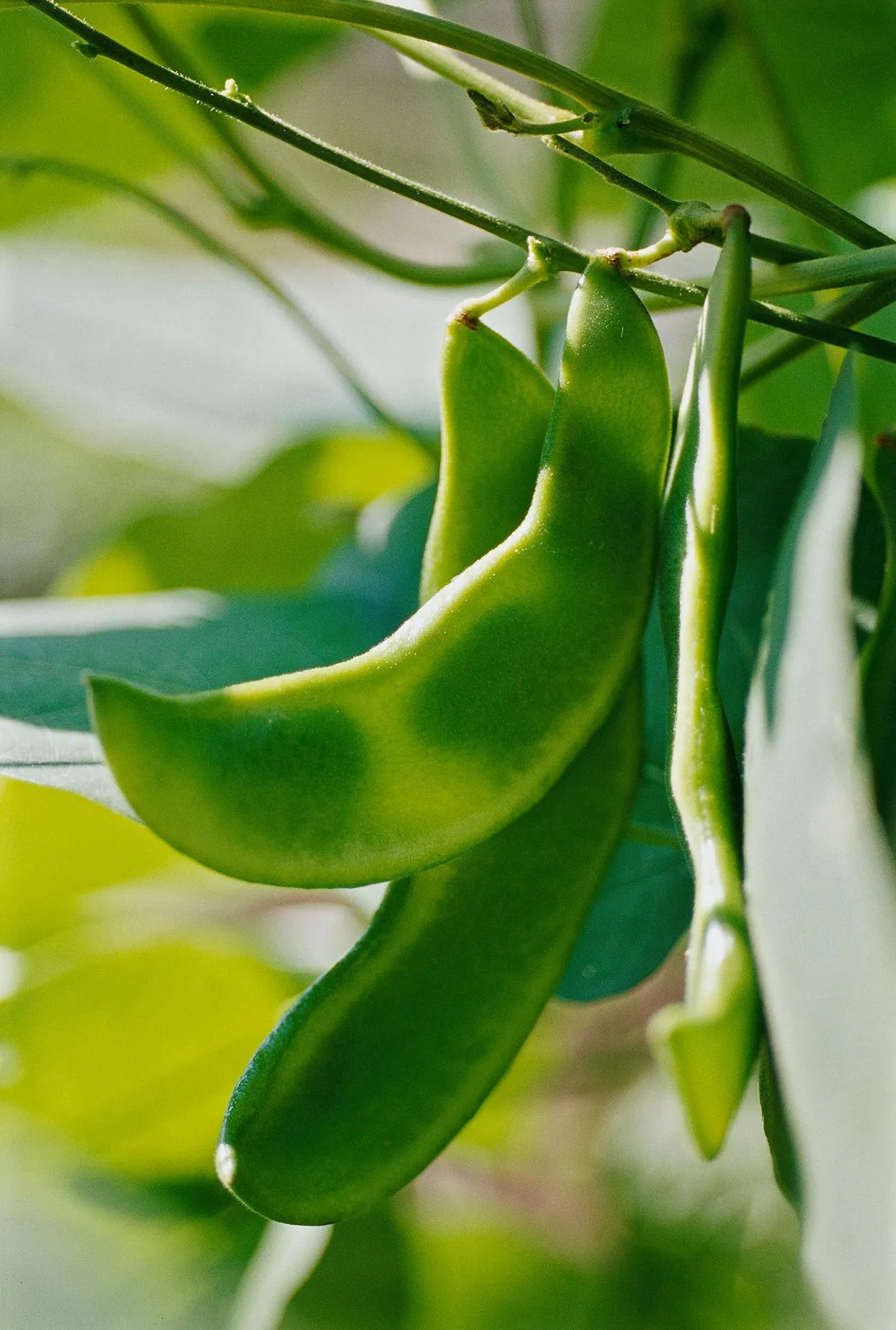
How to Plant and Grow Lima Beans
Find essential tips for growing lima beans, also known as butter beans, to pick them fresh or dry them for later use.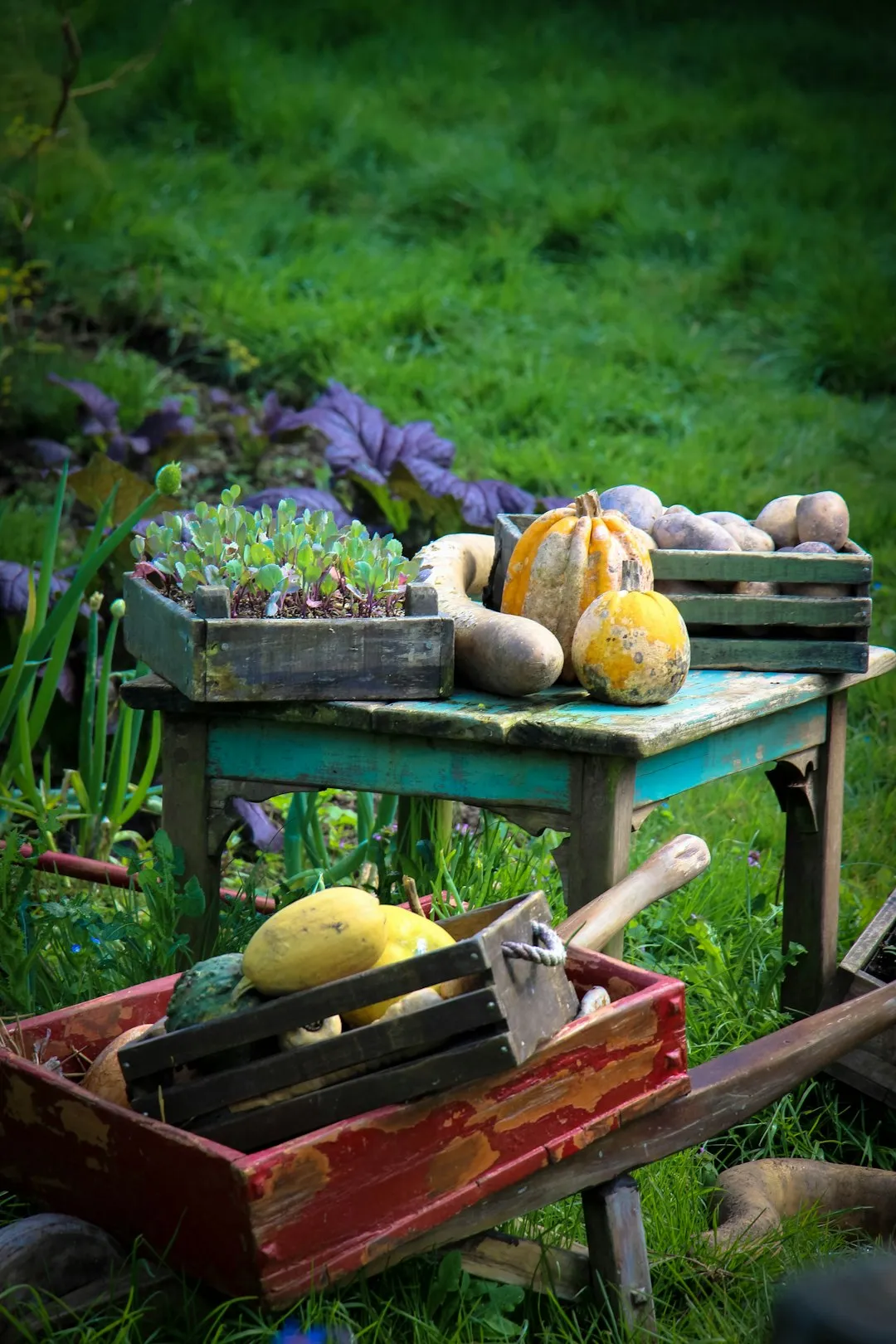
Unveiling the Wonders of Gourds in Your Edible Garden
Unveiling the Wonders of Gourds in Your Edible Garden
9 Tips for Companion Planting Vegetables to Boost Harvests
Companion planting is a natural and organic gardening technique that helps repel pests and grow healthier plants. Use these smart tips to start companion planting in your vegetable garden.
How to Restring a Weed Whacker in 4 Simple Steps
Use this step-by-step guide to properly replace the line on your weed trimmer.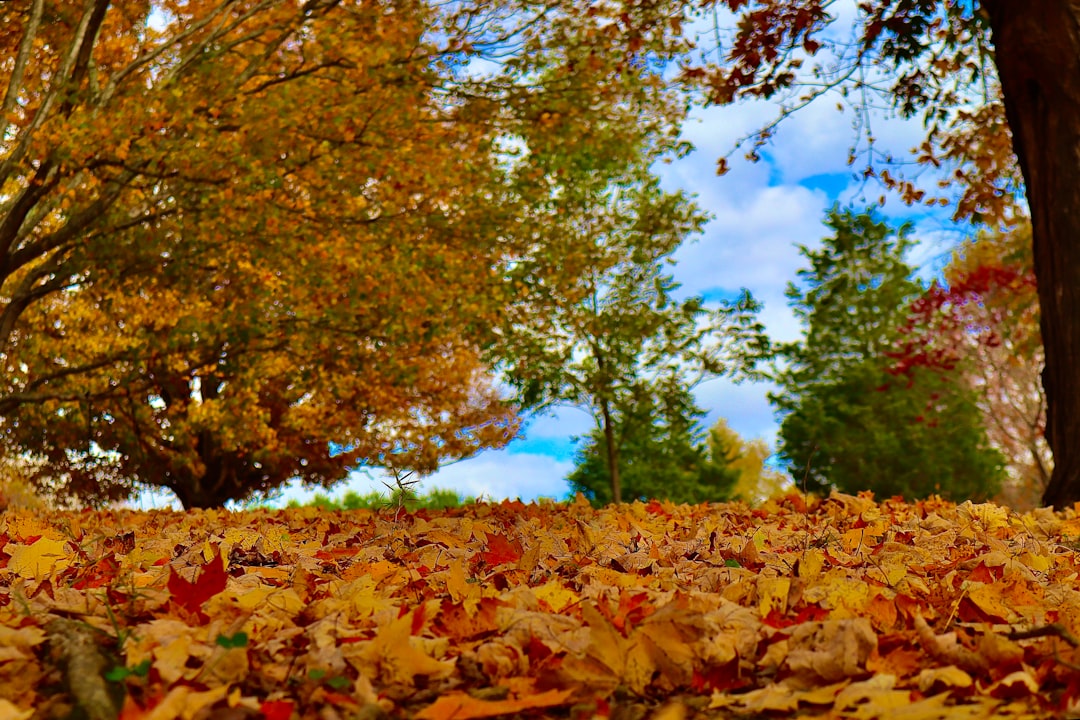
Secrets to a Thriving Yard Garden
Secrets to a Thriving Yard Garden
The Secret to Gorgeous Hydrangea Blooms Next Season
The Secret to Gorgeous Hydrangea Blooms Next Season
Unleash the Beauty of Your Lawn: A Guide to Perfect Mowing
Unleash the Beauty of Your Lawn: A Guide to Perfect Mowing
Guide to Soils and Potting Mixes
We know the secret to a good potters soil. We'll show you how to tell if you need to amend your soil and what plants need to thrive in your current soil conditions.
How to Use Fertilizer for Plants According to Experts
Get expert tips on fertilizing plants, including the best formulation for both houseplants and garden plants, as well as how frequently you should feed them.
How to Make a DIY Indoor Compost Bin
Make your own DIY indoor compost bin. With our tips, you'll learn how to compost and reduce your kitchen waste to help the planet.
Unveiling the Secrets of a Thriving Lawn
Unveiling the Secrets of a Thriving Lawn
15 Super Plants for Texas Landscapes
These plants are superstars in Texas gardens and landscapes. Experts recommend them for their ability to thrive in south-central climates.
Your Seasonal Lawn-Care Schedule for the Northeast
Take the guesswork out of yard work. This lawn-care calendar lets you know when to mow, aerate, fertilize, and seed your yard in the Northeast.
How to Make Compost Tea That Will Give Your Plants a Natural Boost
Learn how to make compost tea with this simple guide and recipes. Plus get tips for using compost tea to give all your plants a boost.