
Embarking on the journey of growing a persimmon tree from a seed is not only a rewarding experience but also a great way to bring a touch of nature into your home. In this guide, we'll walk you through the easy step - by - step instructions to help you successfully grow a persimmon tree from a seed.
First and foremost, you need to obtain a persimmon seed. You can get this from a ripe persimmon fruit. Make sure the fruit is fully matured as this will increase the chances of the seed germinating. Once you have the fruit, cut it open carefully and remove the seeds. Rinse the seeds thoroughly under running water to get rid of any remaining fruit pulp. This is important because the pulp can attract mold and bacteria, which can harm the seed.
After cleaning the seeds, it's time for the stratification process. Stratification is a method that mimics the natural winter conditions that a seed would experience in the wild. To stratify the persimmon seeds, place them in a damp paper towel. Fold the paper towel over the seeds to ensure they are completely covered. Then, put the paper towel with the seeds inside a plastic bag. Seal the bag and place it in the refrigerator. The ideal temperature for stratification is around 33 - 41°F (0.5 - 5°C). Leave the seeds in the refrigerator for about 2 - 3 months. During this time, check the seeds periodically to make sure the paper towel remains damp. If it starts to dry out, add a little bit of water.
Once the stratification period is over, it's time to plant the seeds. Prepare a small pot with well - draining soil. You can use a mixture of potting soil, perlite, and peat moss. Fill the pot about three - quarters full with the soil mixture. Make a small hole in the center of the soil, about 1 - 2 inches deep. Place the stratified seed in the hole and cover it gently with soil. Water the soil thoroughly but be careful not to over - water as this can cause the seed to rot.
Place the pot in a warm and sunny location. Persimmon seeds need plenty of sunlight to germinate. A south - facing window is usually a great spot. Keep the soil consistently moist but not waterlogged. You can use a spray bottle to mist the soil surface if it starts to dry out. In about 2 - 4 weeks, you should start to see the seedling emerge from the soil. This is an exciting moment as it means your efforts are starting to pay off.
As the seedling grows, it will need proper care. When the seedling has a few sets of true leaves, you can transplant it into a larger pot. Choose a pot that is at least 10 - 12 inches in diameter. Make sure the new pot also has good drainage holes. Gently remove the seedling from the small pot, being careful not to damage the roots. Place the seedling in the center of the new pot and fill in the sides with fresh soil. Water the newly transplanted seedling well.
Persimmon trees need regular fertilization to grow healthy and strong. You can use a balanced, slow - release fertilizer. Follow the instructions on the fertilizer package for the correct amount and frequency of application. During the growing season, which is usually from spring to fall, fertilize the tree every 4 - 6 weeks. In the winter, reduce the fertilization as the tree goes into a dormant state.
Pruning is also an important part of persimmon tree care. Prune the tree in the late winter or early spring before new growth begins. Remove any dead, damaged, or diseased branches. You can also shape the tree by pruning back any overly long or wayward branches. This will help the tree to grow in a more compact and healthy form.
When the tree is large enough and the weather is suitable, you can plant it outdoors. Choose a location in your garden that gets full sun and has well - drained soil. Dig a hole that is twice as wide and just as deep as the root ball of the tree. Place the tree in the hole and backfill with soil. Water the tree thoroughly after planting. Stake the tree if necessary to provide support as it establishes itself in the new location.
It may take several years for your persimmon tree to start producing fruit. But with patience and proper care, you will eventually be rewarded with delicious persimmons. Growing a persimmon tree from a seed is a long - term project, but the satisfaction of seeing your tree grow and produce fruit is truly priceless.
So, don't hesitate to start your own edible gardening adventure with a persimmon tree. Follow these easy steps, and you'll be on your way to having a beautiful and productive persimmon tree in your garden.

Visiting the Better Homes & Gardens Test Garden®
The BHG Test Garden is a beautiful green space that has something to see in all seasons.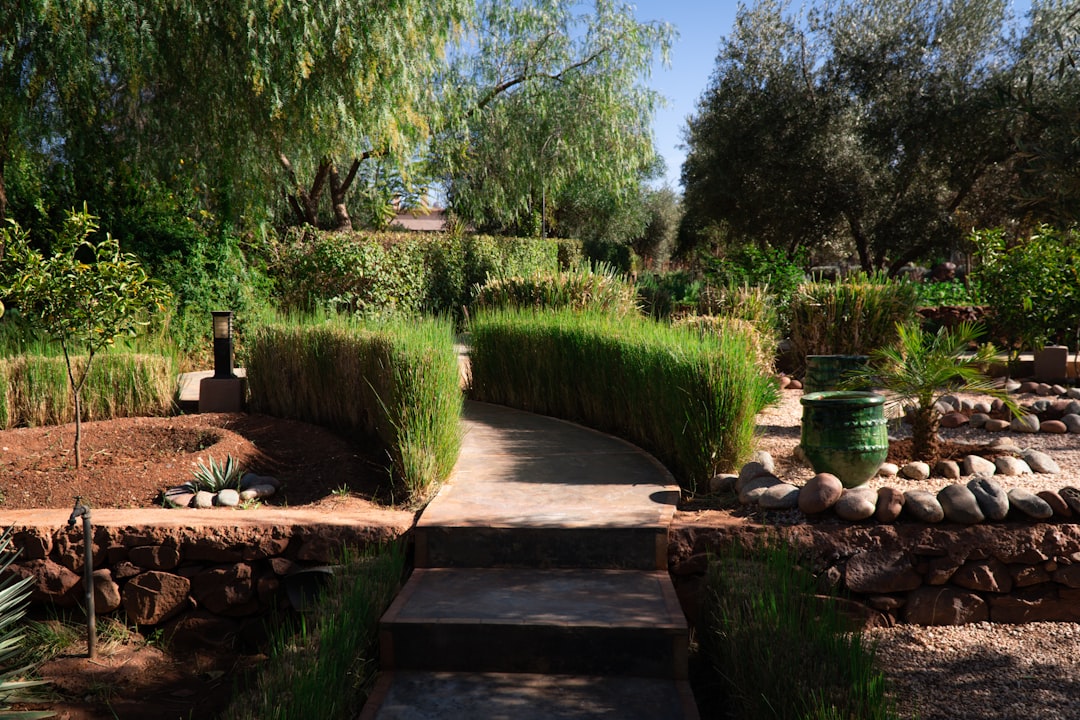
Silencing the Siding Peckers: A Gardener's Guide
Silencing the Siding Peckers: A Gardener's Guide
The Allure of Annuals China Aster in Your Garden
The Allure of Annuals China Aster in Your Garden
The Secret of Endless Blooms: Long - Blooming Perennials
The Secret of Endless Blooms: Long - Blooming Perennials
The Hardy Agave: A Cold - Resistant Floral Wonder
The Hardy Agave: A Cold - Resistant Floral Wonder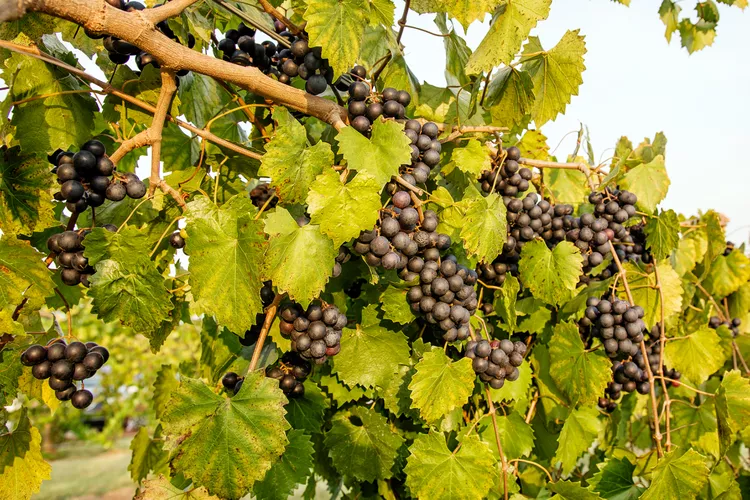
How to Plant and Grow Muscadine Grapes
Learn how to plant and grow muscadine grapes and harvest delicious fruit for fresh eating, preserves, and wine.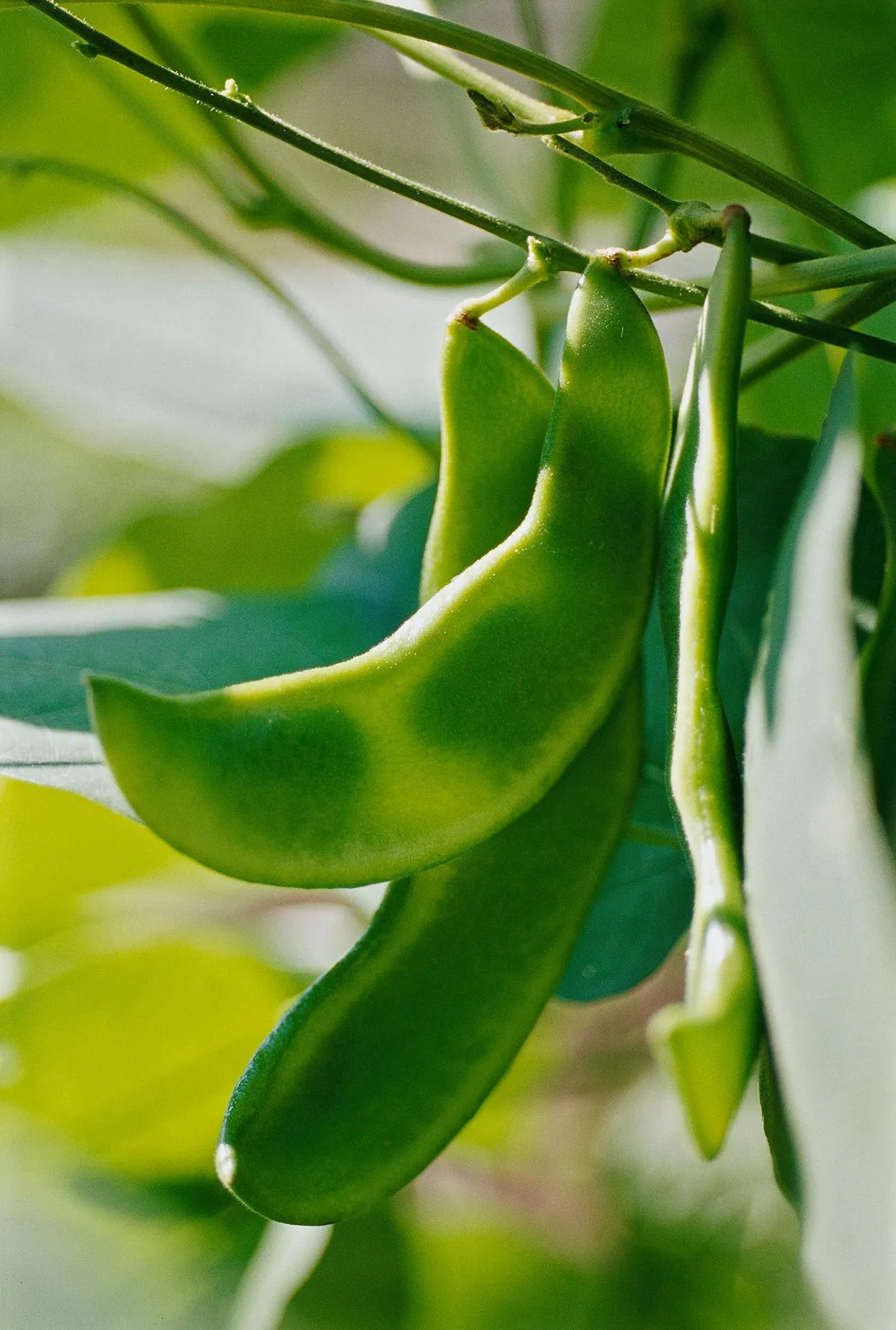
How to Plant and Grow Lima Beans
Find essential tips for growing lima beans, also known as butter beans, to pick them fresh or dry them for later use.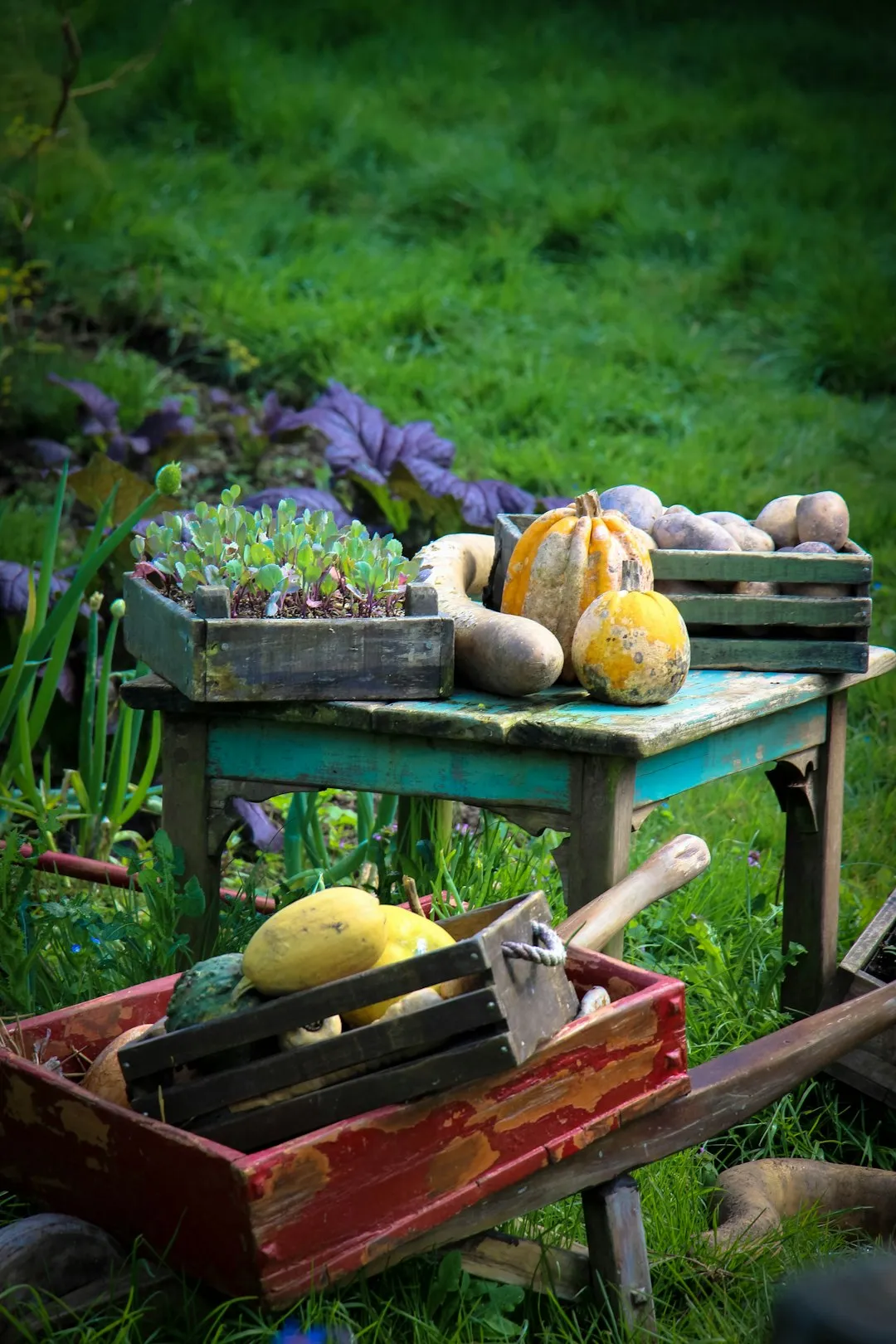
Unveiling the Wonders of Gourds in Your Edible Garden
Unveiling the Wonders of Gourds in Your Edible Garden
9 Tips for Companion Planting Vegetables to Boost Harvests
Companion planting is a natural and organic gardening technique that helps repel pests and grow healthier plants. Use these smart tips to start companion planting in your vegetable garden.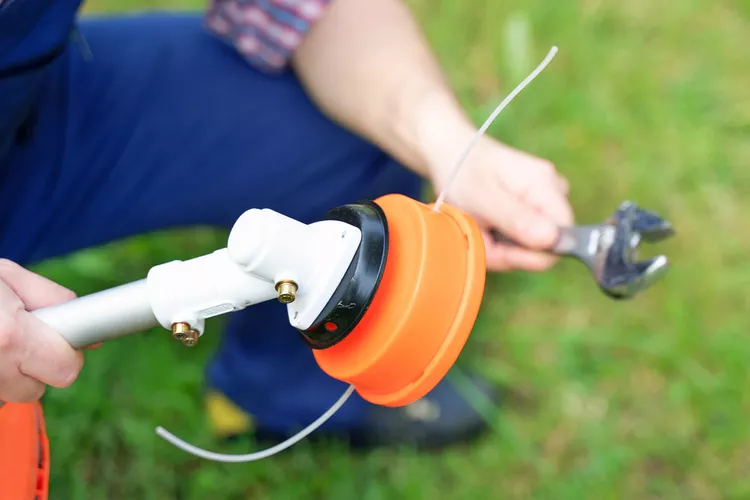
How to Restring a Weed Whacker in 4 Simple Steps
Use this step-by-step guide to properly replace the line on your weed trimmer.
Secrets to a Thriving Yard Garden
Secrets to a Thriving Yard Garden
The Secret to Gorgeous Hydrangea Blooms Next Season
The Secret to Gorgeous Hydrangea Blooms Next Season
Unleash the Beauty of Your Lawn: A Guide to Perfect Mowing
Unleash the Beauty of Your Lawn: A Guide to Perfect Mowing
Guide to Soils and Potting Mixes
We know the secret to a good potters soil. We'll show you how to tell if you need to amend your soil and what plants need to thrive in your current soil conditions.
How to Use Fertilizer for Plants According to Experts
Get expert tips on fertilizing plants, including the best formulation for both houseplants and garden plants, as well as how frequently you should feed them.
How to Make a DIY Indoor Compost Bin
Make your own DIY indoor compost bin. With our tips, you'll learn how to compost and reduce your kitchen waste to help the planet.
Unveiling the Secrets of a Thriving Lawn
Unveiling the Secrets of a Thriving Lawn
15 Super Plants for Texas Landscapes
These plants are superstars in Texas gardens and landscapes. Experts recommend them for their ability to thrive in south-central climates.
Your Seasonal Lawn-Care Schedule for the Northeast
Take the guesswork out of yard work. This lawn-care calendar lets you know when to mow, aerate, fertilize, and seed your yard in the Northeast.
How to Make Compost Tea That Will Give Your Plants a Natural Boost
Learn how to make compost tea with this simple guide and recipes. Plus get tips for using compost tea to give all your plants a boost.