Edible gardening has become a popular pastime for many, offering not only a source of fresh, delicious produce but also a rewarding and therapeutic experience. Among the various vegetables that can be grown in a home garden, tomatoes stand out as a favorite. Their versatility in the kitchen, from being used in salads to making sauces, makes them a staple in many households. However, to ensure an endless harvest of these juicy fruits, it's essential to understand the best way to propagate tomatoes.
Propagation is the process of creating new plants from existing ones. There are several methods of propagating tomatoes, each with its own advantages and disadvantages. Let's explore some of the most common techniques and find out which one might be the best fit for your garden.
Seed propagation is perhaps the most traditional and widely used method of growing tomatoes. It involves starting the plants from seeds, which can be purchased from a nursery or saved from previous harvests. Here's how you can do it:
One of the advantages of seed propagation is that it allows you to choose from a wide variety of tomato cultivars. However, it can be time-consuming, and there's a risk of poor germination if the seeds are not stored or planted correctly.
Stem cutting propagation is a relatively easy and quick way to propagate tomatoes. It involves taking a cutting from a healthy tomato plant and rooting it to create a new plant. Here's how:
Stem cutting propagation has the advantage of producing a new plant that is genetically identical to the parent plant. It's also a good option if you want to save a particular tomato variety or if you don't have access to seeds. However, the success rate can vary depending on the health of the parent plant and the environmental conditions.
Suckers are the small shoots that grow in the axils (the angle between the stem and a leaf) of tomato plants. These suckers can be removed and propagated to create new plants. Here's how:
Suckering propagation is a simple and cost - effective way to increase your tomato plants. It also helps to control the growth of the parent plant by removing excess suckers, which can otherwise compete for nutrients and water.
Layering is another method of propagating tomatoes. It involves bending a low - growing stem of the tomato plant to the ground and covering a section of it with soil. Here's how:
Layering propagation is a natural way of propagating tomatoes and can be a good option if you have limited space or want to create new plants without disturbing the parent plant too much.
In conclusion, there are several effective ways to propagate tomatoes for an endless harvest. Whether you choose seed propagation for a wide variety of cultivars, stem cutting propagation for a quick and genetically identical plant, suckering propagation for a simple and cost - effective method, or layering propagation for a natural approach, each technique has its own merits. By understanding these methods and choosing the one that suits your needs and circumstances, you can enjoy a bountiful supply of fresh tomatoes throughout the growing season.
Remember to provide your tomato plants with proper care, including adequate sunlight, water, and nutrients, and protect them from pests and diseases. With a little effort and the right propagation method, you'll be well on your way to a successful edible gardening experience.

Visiting the Better Homes & Gardens Test Garden®
The BHG Test Garden is a beautiful green space that has something to see in all seasons.
Silencing the Siding Peckers: A Gardener's Guide
Silencing the Siding Peckers: A Gardener's Guide
The Allure of Annuals China Aster in Your Garden
The Allure of Annuals China Aster in Your Garden
The Secret of Endless Blooms: Long - Blooming Perennials
The Secret of Endless Blooms: Long - Blooming Perennials
The Hardy Agave: A Cold - Resistant Floral Wonder
The Hardy Agave: A Cold - Resistant Floral Wonder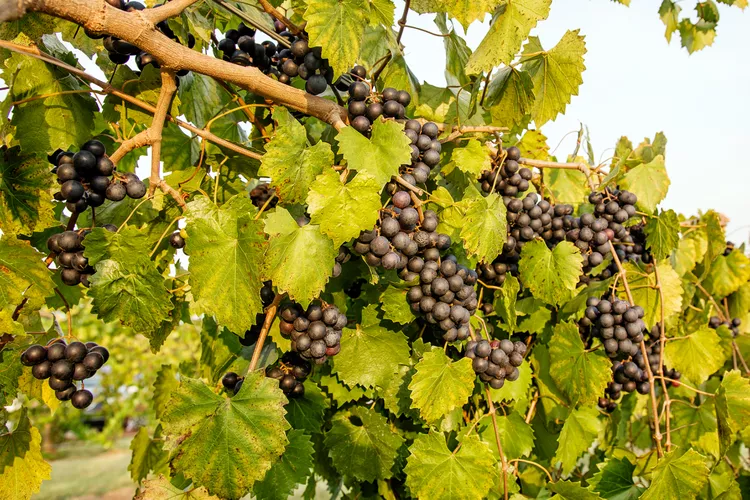
How to Plant and Grow Muscadine Grapes
Learn how to plant and grow muscadine grapes and harvest delicious fruit for fresh eating, preserves, and wine.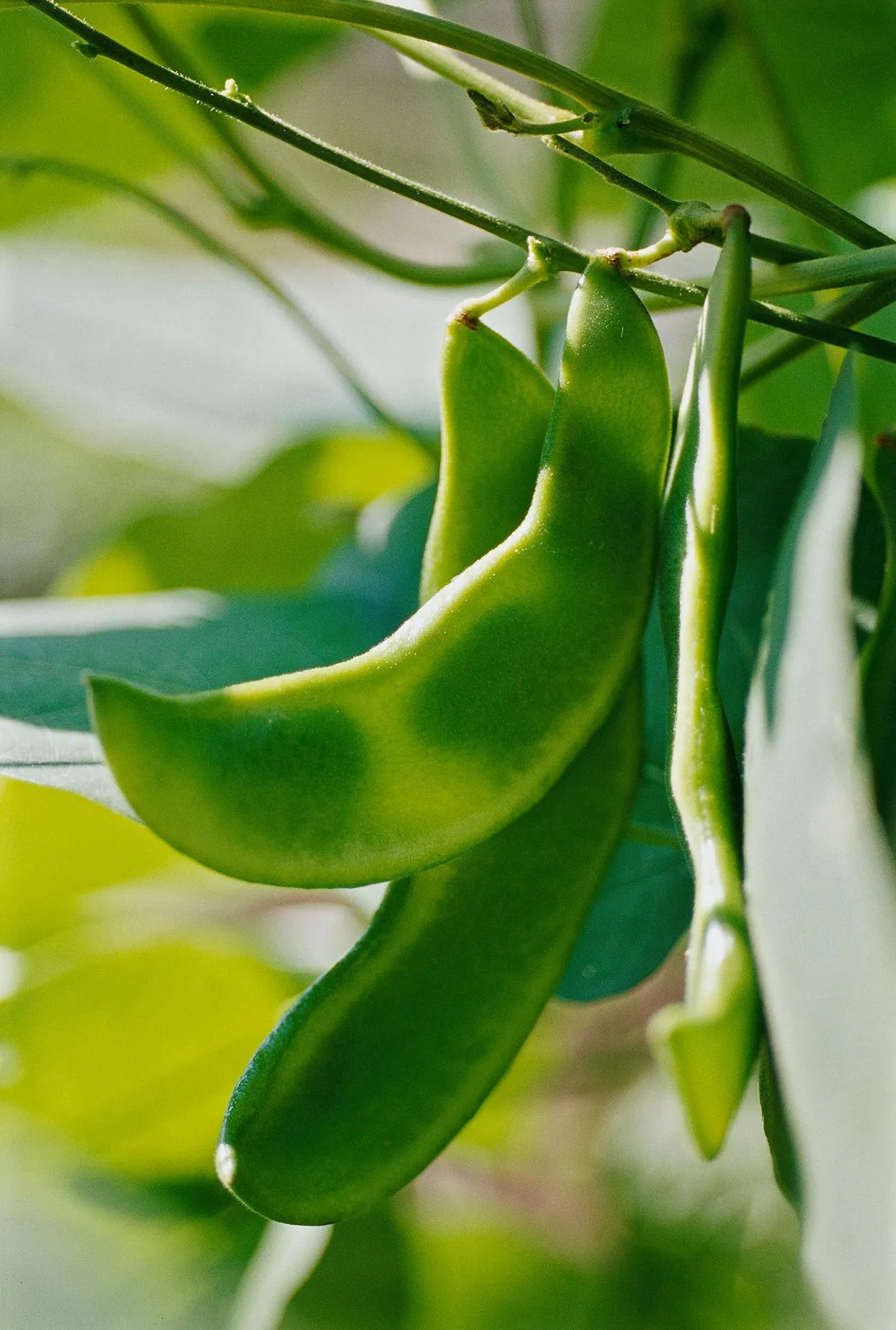
How to Plant and Grow Lima Beans
Find essential tips for growing lima beans, also known as butter beans, to pick them fresh or dry them for later use.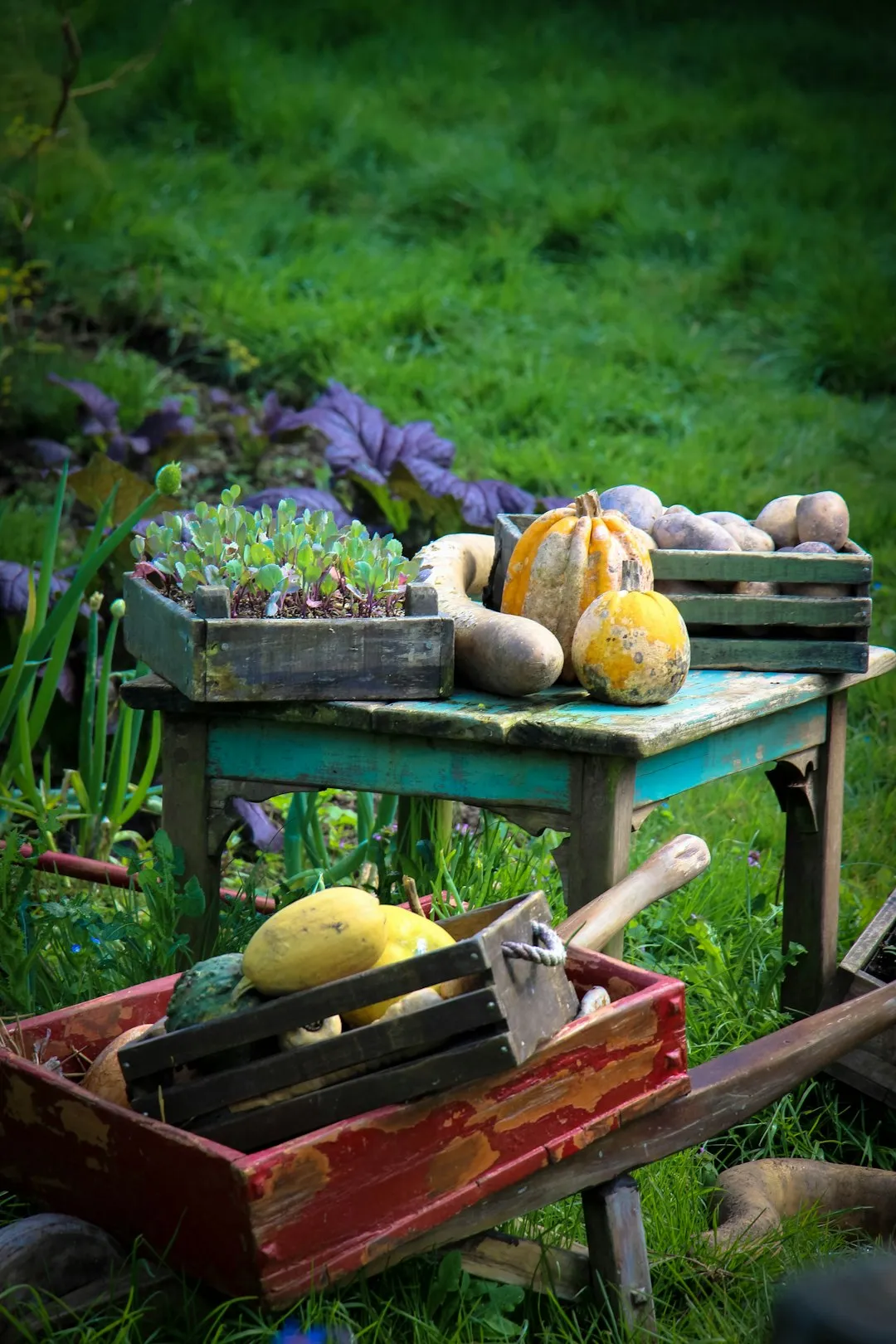
Unveiling the Wonders of Gourds in Your Edible Garden
Unveiling the Wonders of Gourds in Your Edible Garden
9 Tips for Companion Planting Vegetables to Boost Harvests
Companion planting is a natural and organic gardening technique that helps repel pests and grow healthier plants. Use these smart tips to start companion planting in your vegetable garden.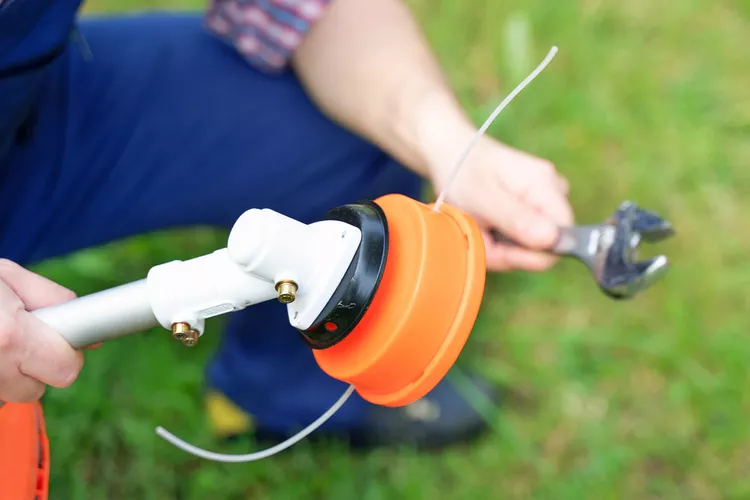
How to Restring a Weed Whacker in 4 Simple Steps
Use this step-by-step guide to properly replace the line on your weed trimmer.
Secrets to a Thriving Yard Garden
Secrets to a Thriving Yard Garden
The Secret to Gorgeous Hydrangea Blooms Next Season
The Secret to Gorgeous Hydrangea Blooms Next Season
Unleash the Beauty of Your Lawn: A Guide to Perfect Mowing
Unleash the Beauty of Your Lawn: A Guide to Perfect Mowing
Guide to Soils and Potting Mixes
We know the secret to a good potters soil. We'll show you how to tell if you need to amend your soil and what plants need to thrive in your current soil conditions.
How to Use Fertilizer for Plants According to Experts
Get expert tips on fertilizing plants, including the best formulation for both houseplants and garden plants, as well as how frequently you should feed them.
How to Make a DIY Indoor Compost Bin
Make your own DIY indoor compost bin. With our tips, you'll learn how to compost and reduce your kitchen waste to help the planet.
Unveiling the Secrets of a Thriving Lawn
Unveiling the Secrets of a Thriving Lawn
15 Super Plants for Texas Landscapes
These plants are superstars in Texas gardens and landscapes. Experts recommend them for their ability to thrive in south-central climates.
Your Seasonal Lawn-Care Schedule for the Northeast
Take the guesswork out of yard work. This lawn-care calendar lets you know when to mow, aerate, fertilize, and seed your yard in the Northeast.
How to Make Compost Tea That Will Give Your Plants a Natural Boost
Learn how to make compost tea with this simple guide and recipes. Plus get tips for using compost tea to give all your plants a boost.