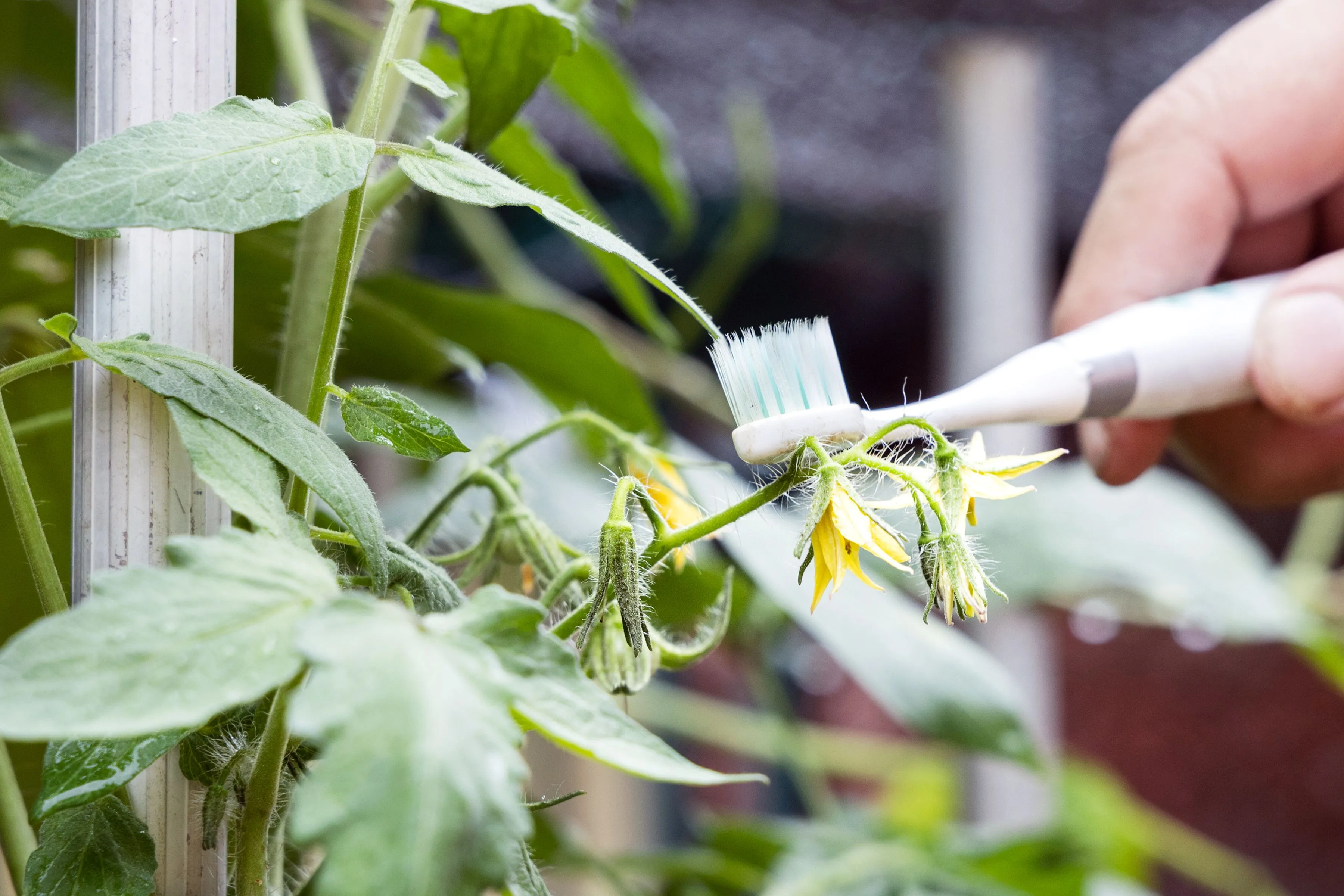
Sun-ripened tomatoes are the result of thousands of pollen grains moving at just the right time to pollinate flowers. All types of tomatoes—from beefsteaks that are larger than your hand to bite-size grape tomatoes—are usually pollinated by insects or the wind. But when pollen doesn’t naturally get where it needs to go, you’ll end up with flowers but no fruit. In this case, a little human intervention may be needed. This guide will show you how to pollinate tomatoes by hand to increase your harvest.
Similar to related plants such as eggplants and peppers, each tomato flower has both male and female plant parts that allow it to self-pollinate. The pollen simply needs to move from the anther (male plant part) to the stigma (female plant part), all within the same flower. Insects, usually bees, or a strong breeze will transfer the lightweight pollen grains from anther to stigma.
Pollination can be compromised when tomatoes are growing in a location protected from the wind, such as an enclosed patio or near buildings that block air movement. Tomatoes growing indoors lack both wind and bees to help with pollination.
Other hurdles to pollination include very wet or humid conditions during flowering. Pollen clumps when wet and doesn’t move well, preventing pollination. Extreme dry conditions also present a problem because the usually sticky stigma becomes dry so pollen has trouble adhering to it.
The best time to hand pollinate tomatoes is shortly after the flowers open fully. Tomato flowers often remain open for a few days, providing an ample window for pollination. You can pollinate tomato flowers anytime from late morning through early evening. Avoid early morning when the flowers are wet with dew. The dew causes the pollen to clump together, making it difficult to transfer.
Hand pollinating tomatoes is a simple process because each tomato flower contains both male and female plant parts. With the right timing and techniques, you can help move pollen where it needs to go to produce fruit.
Hand pollinate tomato flowers when they are thoroughly dry. Avoid morning when flowers are damp with dew and late evening when dew descends on the garden. Wait at least two hours after a rain event before hand pollinating.
No special tools are needed to pollinate tomatoes—just tap on the base of the flower with your finger. The movement will dislodge the pollen and gravity will help at least some pollen grains fall on the stigma. Some people find a thin pencil helpful for tapping the base of flowers in tightly packed flower clusters. Electric toothbrushes are the tool of choice for others. Touch the tip of the vibrating toothbrush to the base of the flower for a few seconds.
Hand pollination is most successful when the flowers are hand pollinated for 3 consecutive days. The repetition accounts for immature pollen grains and mediates weather challenges by offering multiple opportunities for the pollen to transfer to the stigma.
You know pollination is successful when the flower petals fade, dry, and fall off and you see a tiny immature tomato forming where the flower was.
Tomatoes are most commonly—and most effectively—pollinated by the wind or insects. While there isn’t much you can do about the amount of wind moving through your garden, you can invite more hardworking, native bees and other insects into your tomato patch to help with pollination. Roll out the welcome mat by providing food, water, and shelter.
Assuming you've got plenty of pollinators and breezes doing their thing, or that you've followed best practices for hand pollinating tomato flowers, it could be too hot. When day temperatures are above 90°F and night temperatures are above 75°F, tomato pollen isn't viable. So even if it lands where it's supposed to, it won't pollinate the flower.

Visiting the Better Homes & Gardens Test Garden®
The BHG Test Garden is a beautiful green space that has something to see in all seasons.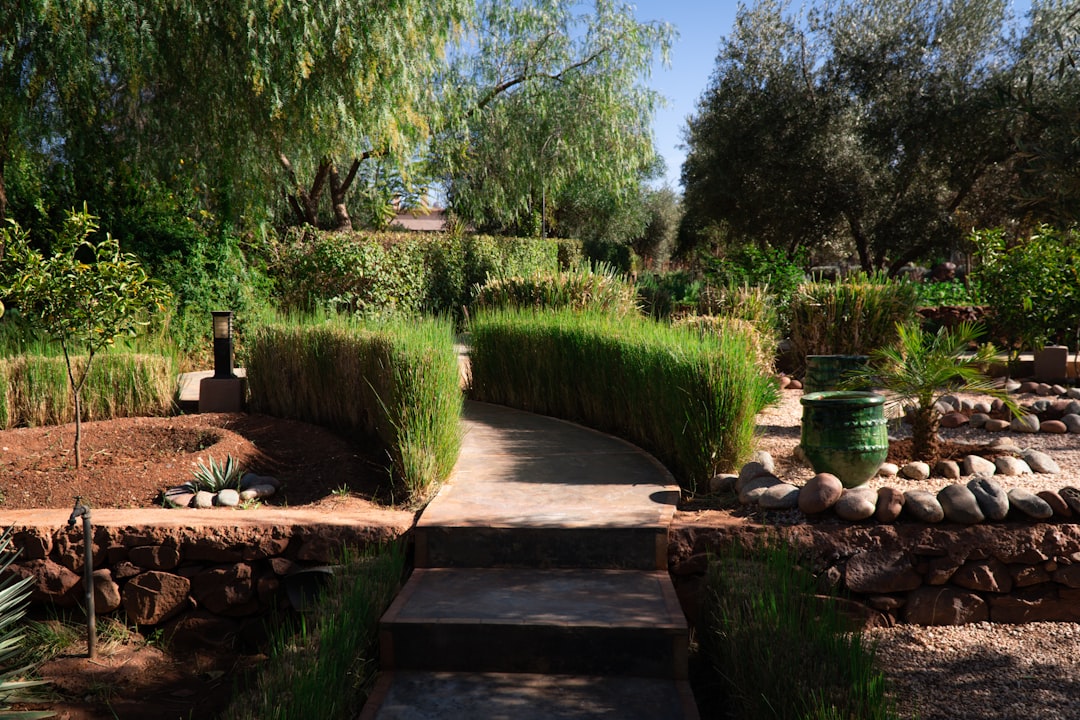
Silencing the Siding Peckers: A Gardener's Guide
Silencing the Siding Peckers: A Gardener's Guide
The Allure of Annuals China Aster in Your Garden
The Allure of Annuals China Aster in Your Garden
The Secret of Endless Blooms: Long - Blooming Perennials
The Secret of Endless Blooms: Long - Blooming Perennials
The Hardy Agave: A Cold - Resistant Floral Wonder
The Hardy Agave: A Cold - Resistant Floral Wonder
How to Plant and Grow Muscadine Grapes
Learn how to plant and grow muscadine grapes and harvest delicious fruit for fresh eating, preserves, and wine.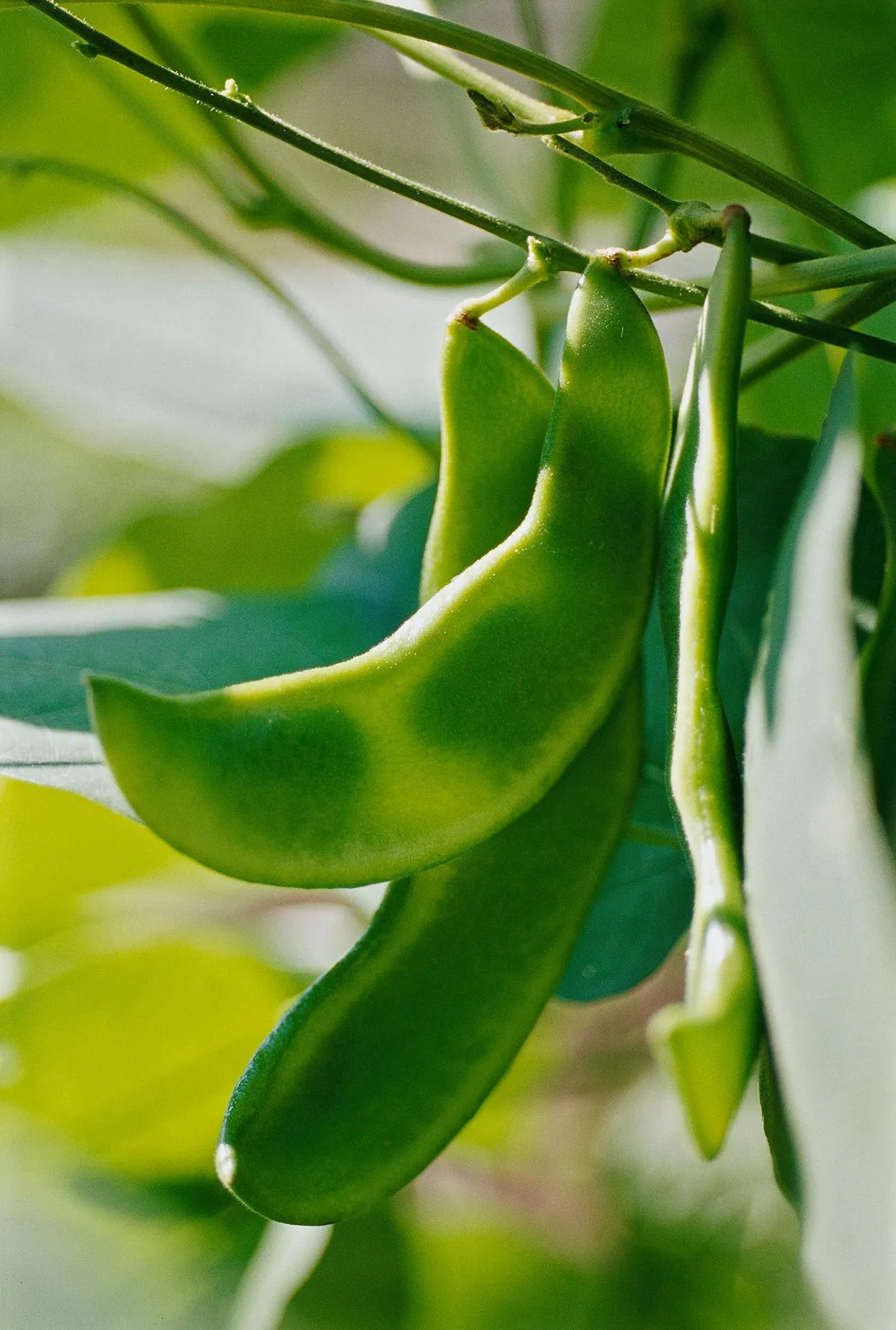
How to Plant and Grow Lima Beans
Find essential tips for growing lima beans, also known as butter beans, to pick them fresh or dry them for later use.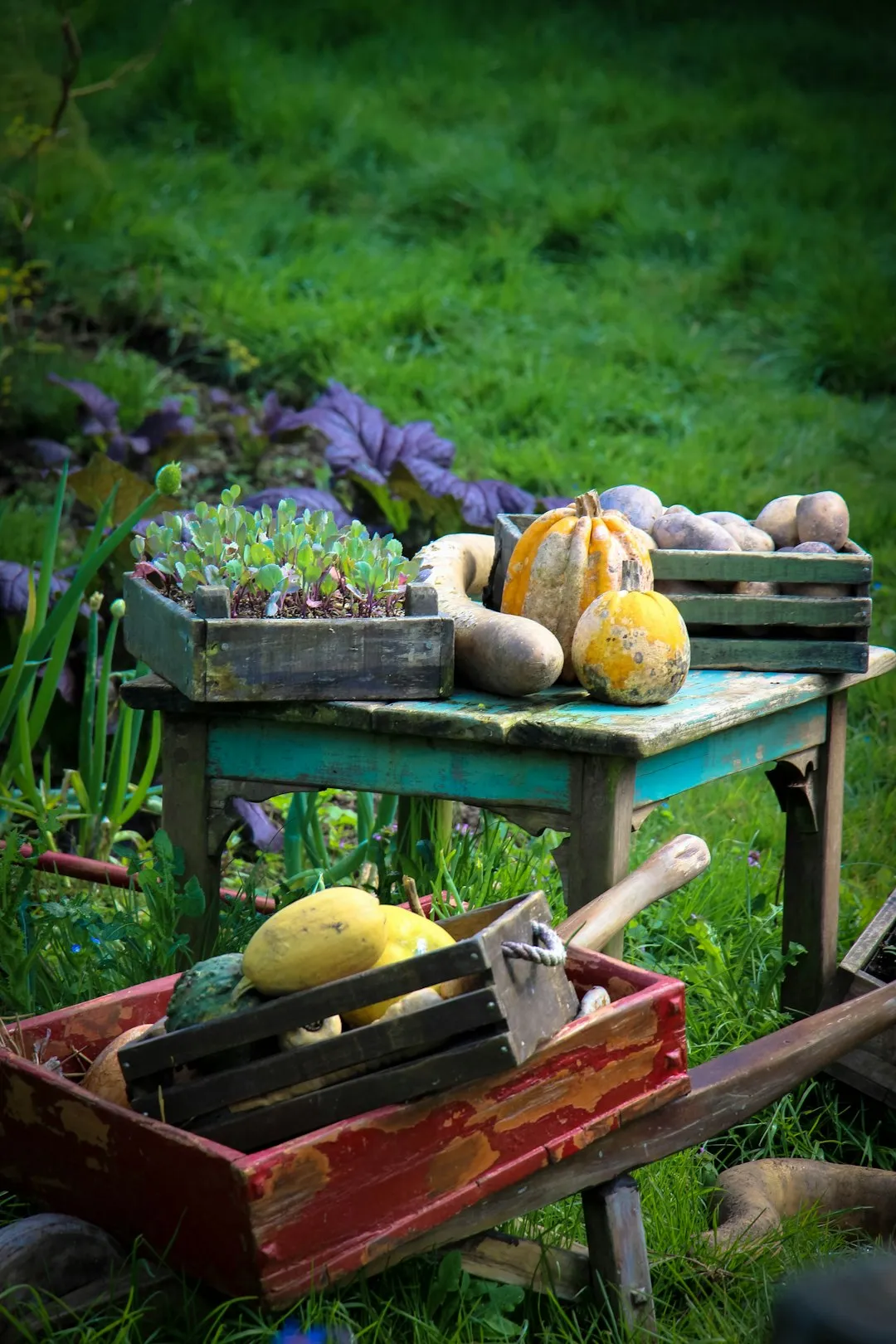
Unveiling the Wonders of Gourds in Your Edible Garden
Unveiling the Wonders of Gourds in Your Edible Garden
9 Tips for Companion Planting Vegetables to Boost Harvests
Companion planting is a natural and organic gardening technique that helps repel pests and grow healthier plants. Use these smart tips to start companion planting in your vegetable garden.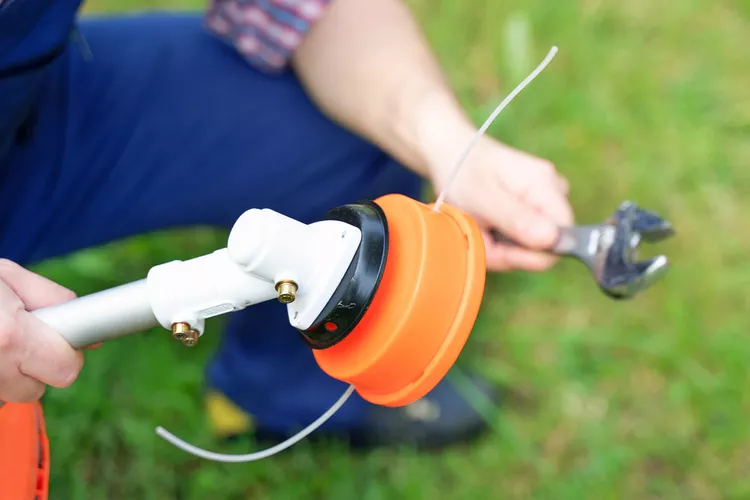
How to Restring a Weed Whacker in 4 Simple Steps
Use this step-by-step guide to properly replace the line on your weed trimmer.
Secrets to a Thriving Yard Garden
Secrets to a Thriving Yard Garden
The Secret to Gorgeous Hydrangea Blooms Next Season
The Secret to Gorgeous Hydrangea Blooms Next Season
Unleash the Beauty of Your Lawn: A Guide to Perfect Mowing
Unleash the Beauty of Your Lawn: A Guide to Perfect Mowing
Guide to Soils and Potting Mixes
We know the secret to a good potters soil. We'll show you how to tell if you need to amend your soil and what plants need to thrive in your current soil conditions.
How to Use Fertilizer for Plants According to Experts
Get expert tips on fertilizing plants, including the best formulation for both houseplants and garden plants, as well as how frequently you should feed them.
How to Make a DIY Indoor Compost Bin
Make your own DIY indoor compost bin. With our tips, you'll learn how to compost and reduce your kitchen waste to help the planet.
Unveiling the Secrets of a Thriving Lawn
Unveiling the Secrets of a Thriving Lawn
15 Super Plants for Texas Landscapes
These plants are superstars in Texas gardens and landscapes. Experts recommend them for their ability to thrive in south-central climates.
Your Seasonal Lawn-Care Schedule for the Northeast
Take the guesswork out of yard work. This lawn-care calendar lets you know when to mow, aerate, fertilize, and seed your yard in the Northeast.
How to Make Compost Tea That Will Give Your Plants a Natural Boost
Learn how to make compost tea with this simple guide and recipes. Plus get tips for using compost tea to give all your plants a boost.