
Edible gardening is a rewarding endeavor, and growing cucumbers is a popular choice among gardeners. However, harvesting cucumbers at the right time is crucial to avoid bitter fruit, extend the harvest period, and ensure they last in storage. In this article, we'll explore some essential tips to help you achieve the best results when harvesting cucumbers.
First and foremost, it's important to understand the signs that indicate a cucumber is ready for harvest. Cucumbers typically reach their prime when they are firm, have a bright color, and are of the appropriate size for the variety you're growing. For most slicing cucumbers, this means they should be around 6 to 8 inches long. Pickling cucumbers, on the other hand, are usually harvested when they are 2 to 4 inches long.
One of the key factors in avoiding bitter cucumbers is to harvest them before they become overripe. Overripe cucumbers tend to develop a bitter taste, as well as a tougher skin and a more fibrous texture. To determine if a cucumber is overripe, look for signs such as a yellowish color, a soft or mushy texture, or a large, swollen appearance. If you notice any of these signs, it's best to remove the cucumber from the plant immediately.
Another important tip for harvesting cucumbers is to use a sharp pair of pruning shears or scissors. This will help you make a clean cut, which is less likely to damage the plant or the cucumber. When cutting the cucumber from the vine, be sure to leave a small stem attached. This will help the cucumber stay fresh for longer and prevent it from rotting.
In addition to harvesting cucumbers at the right time and using the proper tools, it's also important to handle them carefully. Cucumbers are delicate fruits, and rough handling can cause them to bruise or damage. When picking cucumbers, be gentle and avoid squeezing or dropping them. Once you've harvested the cucumbers, place them in a cool, dry place as soon as possible to prevent them from spoiling.
To extend the harvest period of your cucumber plants, it's important to keep them well-watered and fertilized. Cucumbers are heavy feeders, and they require a lot of water and nutrients to grow and produce fruit. Make sure to water your cucumber plants regularly, especially during hot, dry weather. You can also fertilize your plants with a balanced fertilizer every few weeks to provide them with the nutrients they need.
Another way to extend the harvest period of your cucumber plants is to harvest the cucumbers regularly. By removing the mature cucumbers from the plant, you'll encourage the plant to produce more fruit. This will help you get a continuous supply of fresh cucumbers throughout the growing season.
Finally, it's important to store your harvested cucumbers properly to ensure they last as long as possible. Cucumbers are best stored in the refrigerator, where they can stay fresh for up to a week. To store cucumbers in the refrigerator, place them in a plastic bag or container and keep them in the crisper drawer. You can also wrap the cucumbers in a damp paper towel to help keep them moist.
In conclusion, harvesting cucumbers at the right time is essential to avoid bitter fruit, extend the harvest period, and ensure they last in storage. By following these tips, you'll be able to enjoy a bountiful harvest of fresh, delicious cucumbers all season long. So, get out there and start gardening! Your taste buds will thank you.

Visiting the Better Homes & Gardens Test Garden®
The BHG Test Garden is a beautiful green space that has something to see in all seasons.
Silencing the Siding Peckers: A Gardener's Guide
Silencing the Siding Peckers: A Gardener's Guide
The Allure of Annuals China Aster in Your Garden
The Allure of Annuals China Aster in Your Garden
The Secret of Endless Blooms: Long - Blooming Perennials
The Secret of Endless Blooms: Long - Blooming Perennials
The Hardy Agave: A Cold - Resistant Floral Wonder
The Hardy Agave: A Cold - Resistant Floral Wonder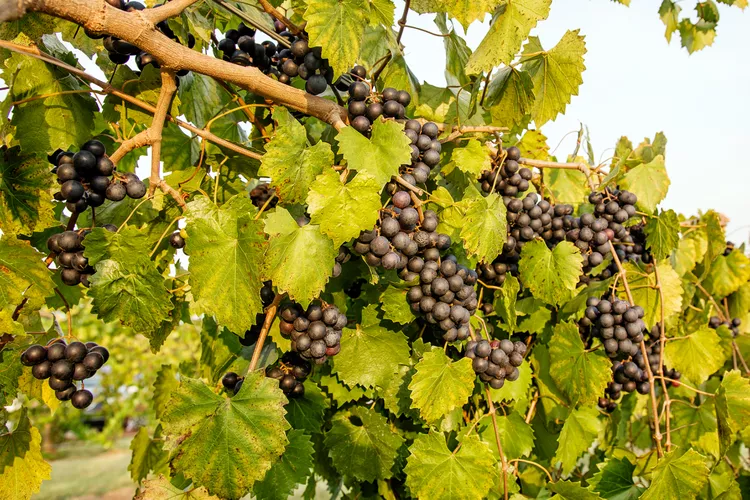
How to Plant and Grow Muscadine Grapes
Learn how to plant and grow muscadine grapes and harvest delicious fruit for fresh eating, preserves, and wine.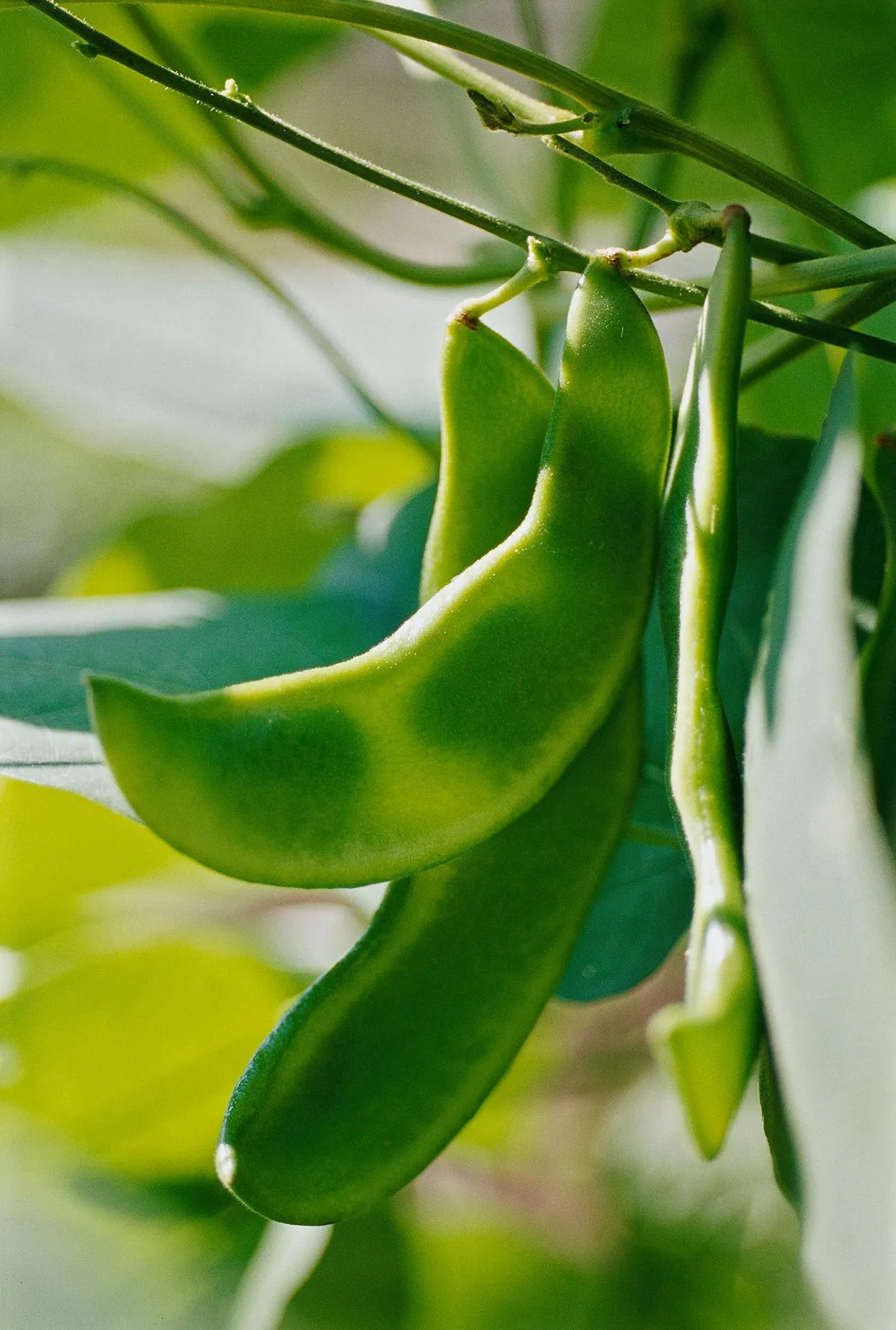
How to Plant and Grow Lima Beans
Find essential tips for growing lima beans, also known as butter beans, to pick them fresh or dry them for later use.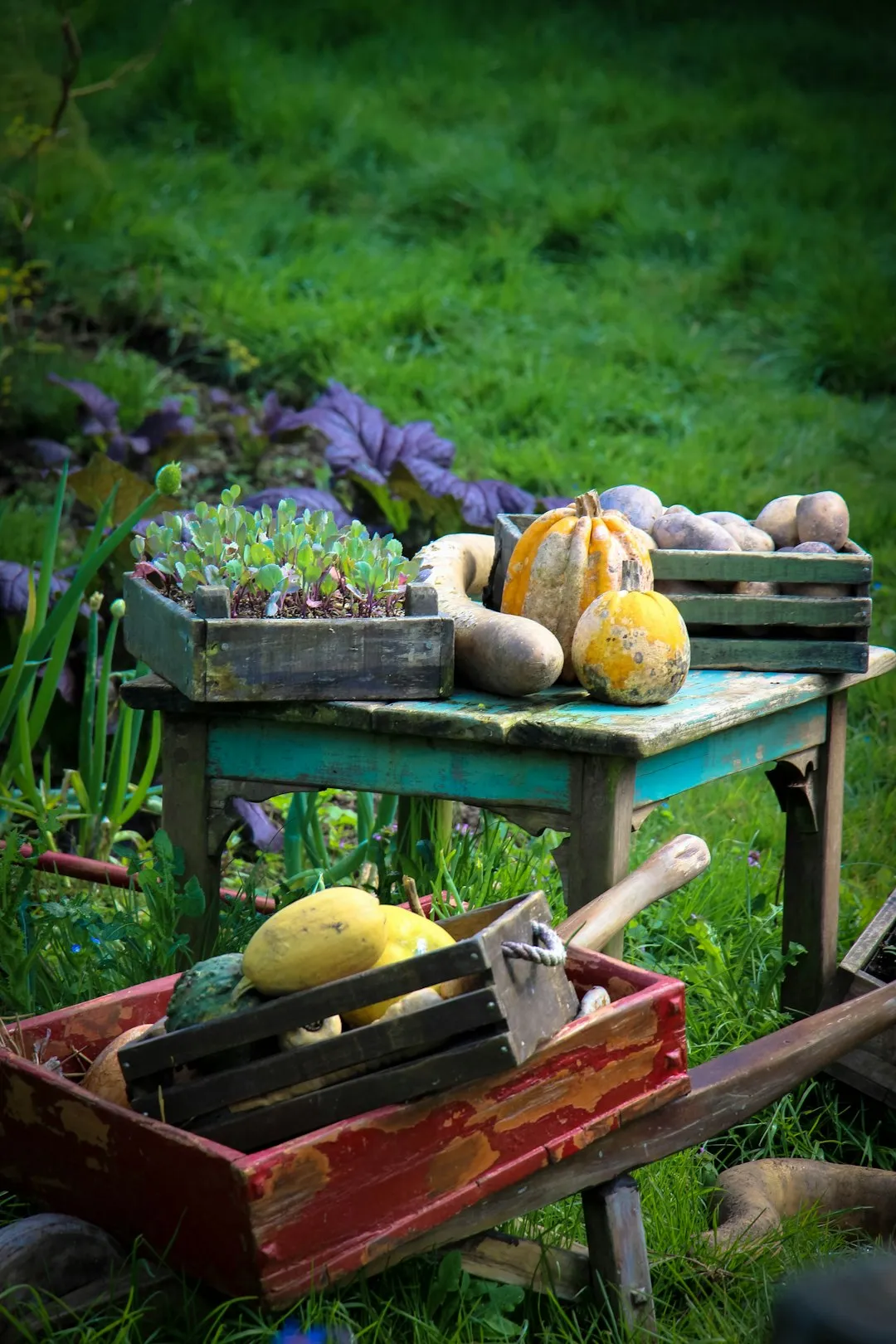
Unveiling the Wonders of Gourds in Your Edible Garden
Unveiling the Wonders of Gourds in Your Edible Garden
9 Tips for Companion Planting Vegetables to Boost Harvests
Companion planting is a natural and organic gardening technique that helps repel pests and grow healthier plants. Use these smart tips to start companion planting in your vegetable garden.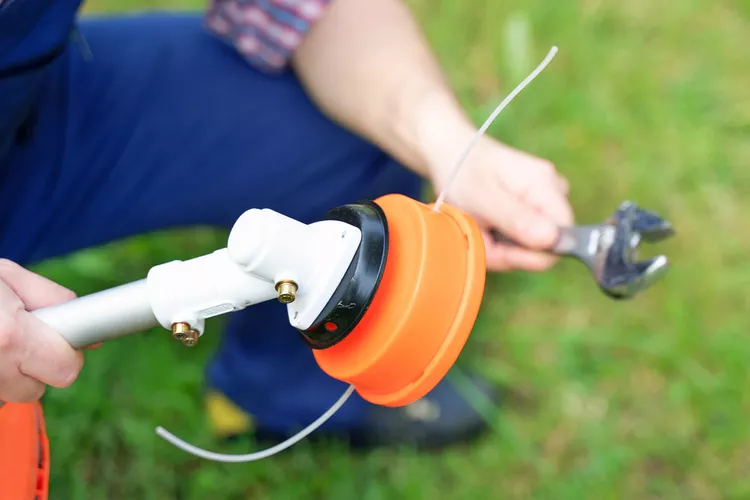
How to Restring a Weed Whacker in 4 Simple Steps
Use this step-by-step guide to properly replace the line on your weed trimmer.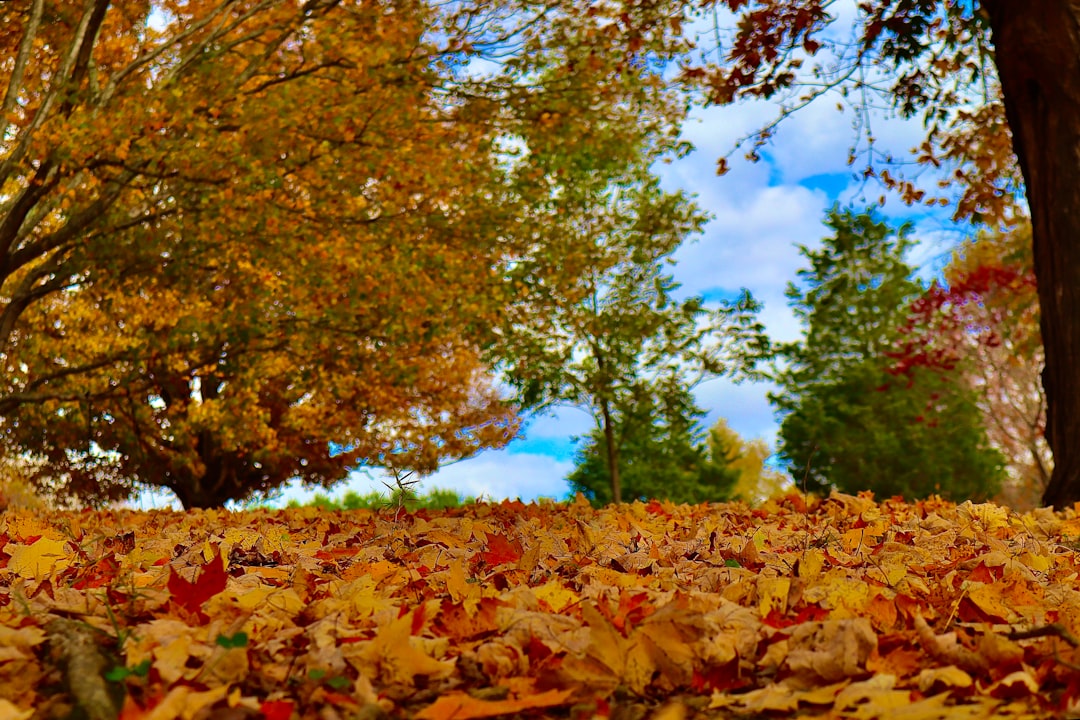
Secrets to a Thriving Yard Garden
Secrets to a Thriving Yard Garden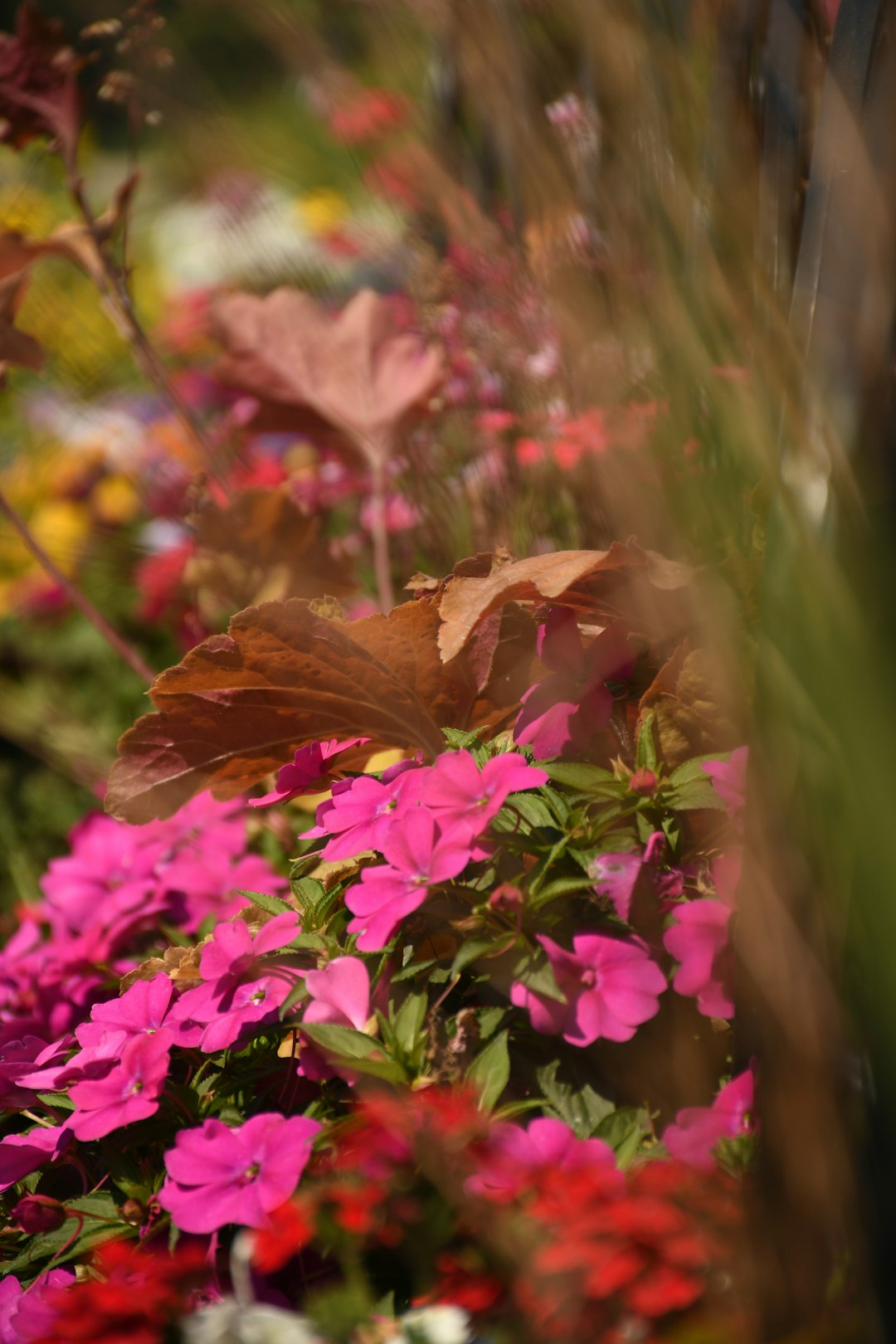
The Secret to Gorgeous Hydrangea Blooms Next Season
The Secret to Gorgeous Hydrangea Blooms Next Season
Unleash the Beauty of Your Lawn: A Guide to Perfect Mowing
Unleash the Beauty of Your Lawn: A Guide to Perfect Mowing
Guide to Soils and Potting Mixes
We know the secret to a good potters soil. We'll show you how to tell if you need to amend your soil and what plants need to thrive in your current soil conditions.
How to Use Fertilizer for Plants According to Experts
Get expert tips on fertilizing plants, including the best formulation for both houseplants and garden plants, as well as how frequently you should feed them.
How to Make a DIY Indoor Compost Bin
Make your own DIY indoor compost bin. With our tips, you'll learn how to compost and reduce your kitchen waste to help the planet.
Unveiling the Secrets of a Thriving Lawn
Unveiling the Secrets of a Thriving Lawn
15 Super Plants for Texas Landscapes
These plants are superstars in Texas gardens and landscapes. Experts recommend them for their ability to thrive in south-central climates.
Your Seasonal Lawn-Care Schedule for the Northeast
Take the guesswork out of yard work. This lawn-care calendar lets you know when to mow, aerate, fertilize, and seed your yard in the Northeast.
How to Make Compost Tea That Will Give Your Plants a Natural Boost
Learn how to make compost tea with this simple guide and recipes. Plus get tips for using compost tea to give all your plants a boost.