Don't let clay soil dampen your gardening dreams. While it may seem like a challenging medium, with the right techniques, you can transform it into a thriving environment for your plants. In this article, we'll explore various organic methods to amend heavy clay soil and create a beautiful garden that will be the envy of your neighborhood.
Clay soil is characterized by its fine particles, which tend to pack tightly together, creating poor drainage and limited aeration. This can lead to waterlogging, root rot, and stunted plant growth. However, clay soil also has its advantages. It retains nutrients well and can provide a stable foundation for plants. By amending the soil, you can strike a balance between its positive and negative attributes.
Before you start amending your soil, it's important to understand its composition. You can do a simple soil test at home using a soil test kit or send a sample to a professional laboratory for a more detailed analysis. This will help you determine the pH level, nutrient content, and texture of your soil. Based on the results, you can choose the appropriate amendments to improve its quality.
One of the most effective ways to amend clay soil is by adding organic matter. Organic matter, such as compost, manure, leaf mold, and peat moss, helps to break up the clay particles, improve drainage, and increase aeration. It also adds nutrients to the soil, which are essential for plant growth. When adding organic matter, it's important to mix it thoroughly into the soil to a depth of at least 6 inches. This will ensure that the roots of your plants have access to the nutrients and oxygen they need.
Compost is a great source of organic matter and can be easily made at home. You can use a compost bin or pile to collect kitchen scraps, yard waste, and other organic materials. Over time, these materials will decompose and turn into a rich, dark soil amendment. Manure is another excellent source of organic matter, but it should be aged or composted before use to avoid burning your plants. Leaf mold is also a good option, as it is rich in nutrients and helps to improve soil structure. Peat moss is a popular soil amendment, but it is a non-renewable resource, so it should be used sparingly.
Cover crops are another effective way to improve clay soil. Cover crops, such as clover, vetch, and rye, are planted in the fall or spring and left to grow until they are ready to be turned under. They help to prevent erosion, add organic matter to the soil, and fix nitrogen, which is an essential nutrient for plant growth. When the cover crops are turned under, they decompose and release nutrients into the soil, improving its fertility and structure.
Gypsum is a mineral that can be used to improve the structure of clay soil. It helps to break up the clay particles and improve drainage. Gypsum also adds calcium to the soil, which is essential for plant growth. When applying gypsum, it's important to follow the manufacturer's instructions carefully. You can apply gypsum to your soil in the fall or spring and work it into the soil to a depth of at least 6 inches.
Mulch is a layer of organic or inorganic material that is applied to the surface of the soil. It helps to conserve moisture, suppress weeds, and regulate soil temperature. Mulch also adds organic matter to the soil as it decomposes. When using mulch, it's important to choose a material that is appropriate for your garden. Organic mulches, such as wood chips, straw, and leaves, are a good option, as they add nutrients to the soil as they decompose. Inorganic mulches, such as gravel and stones, are also a good option, but they do not add organic matter to the soil.
When gardening in clay soil, it's important to choose plants that are adapted to this type of soil. Some plants, such as daylilies, hostas, and asters, are well-suited to clay soil. They have deep roots that can penetrate the soil and access the nutrients and water they need. Other plants, such as roses, tomatoes, and peppers, may require more amendments to the soil to grow well. When choosing plants, it's also important to consider their sunlight and water requirements.
Once you have amended your clay soil, it's important to maintain its quality. This includes adding organic matter regularly, using cover crops, and applying gypsum as needed. You should also avoid overwatering your plants, as this can lead to waterlogging and root rot. Instead, water your plants deeply and infrequently to encourage deep root growth. Finally, it's important to monitor your soil's pH level and nutrient content regularly and make adjustments as needed.
In conclusion, don't let clay soil keep you from having a beautiful garden. By understanding your soil, adding organic matter, using cover crops, applying gypsum, using mulch, choosing the right plants, and maintaining your soil, you can transform your clay soil into a thriving environment for your plants. With a little effort and patience, you can create a garden that will be the envy of your neighborhood.

Visiting the Better Homes & Gardens Test Garden®
The BHG Test Garden is a beautiful green space that has something to see in all seasons.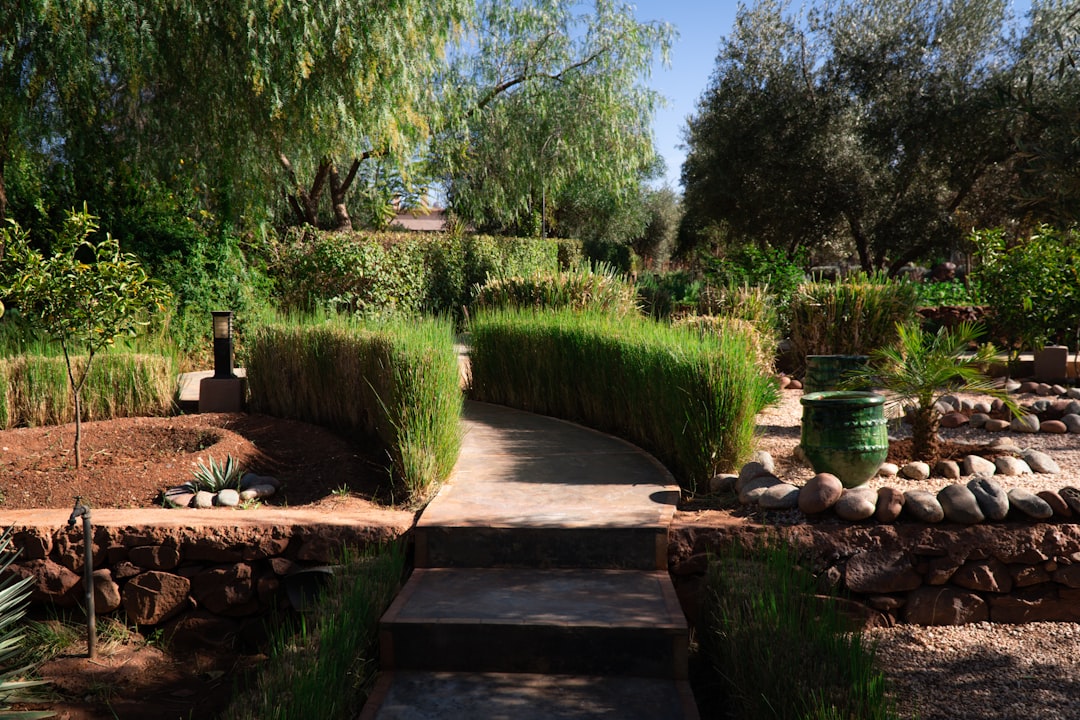
Silencing the Siding Peckers: A Gardener's Guide
Silencing the Siding Peckers: A Gardener's Guide
The Allure of Annuals China Aster in Your Garden
The Allure of Annuals China Aster in Your Garden
The Secret of Endless Blooms: Long - Blooming Perennials
The Secret of Endless Blooms: Long - Blooming Perennials
The Hardy Agave: A Cold - Resistant Floral Wonder
The Hardy Agave: A Cold - Resistant Floral Wonder
How to Plant and Grow Muscadine Grapes
Learn how to plant and grow muscadine grapes and harvest delicious fruit for fresh eating, preserves, and wine.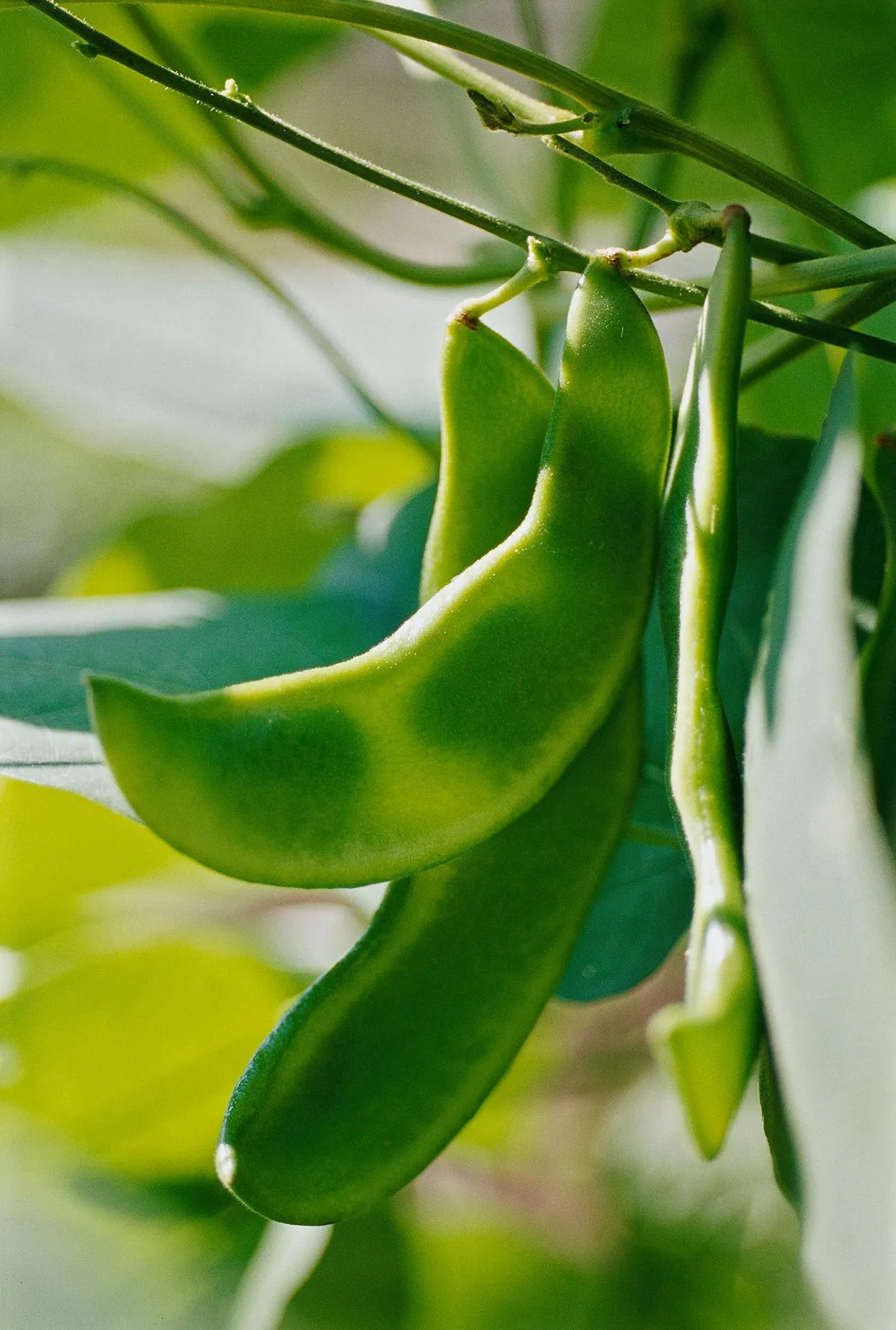
How to Plant and Grow Lima Beans
Find essential tips for growing lima beans, also known as butter beans, to pick them fresh or dry them for later use.
Unveiling the Wonders of Gourds in Your Edible Garden
Unveiling the Wonders of Gourds in Your Edible Garden
9 Tips for Companion Planting Vegetables to Boost Harvests
Companion planting is a natural and organic gardening technique that helps repel pests and grow healthier plants. Use these smart tips to start companion planting in your vegetable garden.
How to Restring a Weed Whacker in 4 Simple Steps
Use this step-by-step guide to properly replace the line on your weed trimmer.
Secrets to a Thriving Yard Garden
Secrets to a Thriving Yard Garden
The Secret to Gorgeous Hydrangea Blooms Next Season
The Secret to Gorgeous Hydrangea Blooms Next Season
Unleash the Beauty of Your Lawn: A Guide to Perfect Mowing
Unleash the Beauty of Your Lawn: A Guide to Perfect Mowing
Guide to Soils and Potting Mixes
We know the secret to a good potters soil. We'll show you how to tell if you need to amend your soil and what plants need to thrive in your current soil conditions.
How to Use Fertilizer for Plants According to Experts
Get expert tips on fertilizing plants, including the best formulation for both houseplants and garden plants, as well as how frequently you should feed them.
How to Make a DIY Indoor Compost Bin
Make your own DIY indoor compost bin. With our tips, you'll learn how to compost and reduce your kitchen waste to help the planet.
Unveiling the Secrets of a Thriving Lawn
Unveiling the Secrets of a Thriving Lawn
15 Super Plants for Texas Landscapes
These plants are superstars in Texas gardens and landscapes. Experts recommend them for their ability to thrive in south-central climates.
Your Seasonal Lawn-Care Schedule for the Northeast
Take the guesswork out of yard work. This lawn-care calendar lets you know when to mow, aerate, fertilize, and seed your yard in the Northeast.
How to Make Compost Tea That Will Give Your Plants a Natural Boost
Learn how to make compost tea with this simple guide and recipes. Plus get tips for using compost tea to give all your plants a boost.