In recent years, bee lawns have emerged as a revolutionary alternative to traditional grass lawns, captivating homeowners and environmental enthusiasts alike. These vibrant, pollinator-friendly landscapes offer a multitude of benefits, from reducing maintenance efforts to promoting biodiversity. In this comprehensive guide, we'll explore the ins and outs of planting and caring for your very own bee lawn, transforming your yard into a haven for bees and other beneficial insects.
Why Choose a Bee Lawn?
Before delving into the details of bee lawn care, let's take a moment to understand why these unique lawns are becoming increasingly popular. Unlike conventional grass lawns, which often require extensive watering, mowing, and chemical treatments, bee lawns are low-maintenance and drought-tolerant. They can thrive in a variety of soil types and climates, making them a versatile option for homeowners across the country.
One of the most significant advantages of a bee lawn is its ability to support pollinators. Bees, butterflies, and other insects play a crucial role in our ecosystem, helping to pollinate plants and ensure the production of fruits, vegetables, and nuts. By creating a bee-friendly environment in your yard, you can contribute to the conservation of these important species and help to maintain a healthy ecosystem.
Choosing the Right Plants
The first step in creating a bee lawn is selecting the right plants. Bee lawns typically consist of a mixture of low-growing grasses and flowering plants that are attractive to bees. Some popular choices for bee lawns include white clover, creeping thyme, self-heal, and yarrow. These plants not only provide nectar and pollen for bees but also add color and texture to your lawn.
When choosing plants for your bee lawn, it's important to consider your climate, soil type, and sunlight conditions. Some plants may be better suited to certain regions or soil types than others, so it's a good idea to do some research and consult with a local gardening expert before making your selections.
Preparing Your Soil
Once you've chosen the plants for your bee lawn, the next step is to prepare your soil. Start by removing any existing grass or weeds from the area where you want to plant your bee lawn. You can do this by using a sod cutter, a tiller, or a herbicide. Be sure to follow the instructions on the herbicide carefully and wear protective clothing and equipment.
After removing the grass and weeds, loosen the soil to a depth of at least 6 inches using a tiller or a garden fork. This will help the roots of your plants to grow more easily and allow water and nutrients to penetrate the soil. You may also want to add some organic matter, such as compost or manure, to the soil to improve its fertility and structure.
Planting Your Bee Lawn
Now that your soil is prepared, it's time to plant your bee lawn. You can plant your bee lawn from seed or from plugs. If you're planting from seed, spread the seeds evenly over the prepared soil and rake them in gently. Be sure to follow the instructions on the seed packet for the recommended seeding rate and depth. If you're planting from plugs, dig small holes in the soil and place the plugs in the holes, spacing them according to the instructions on the plant label.
After planting your bee lawn, water it thoroughly to help the seeds or plugs to establish themselves. Keep the soil moist but not waterlogged for the first few weeks after planting. You may also want to cover the area with a thin layer of straw or mulch to help retain moisture and prevent weeds from growing.
Caring for Your Bee Lawn
Once your bee lawn is established, it's important to take proper care of it to ensure its health and longevity. Here are some tips for caring for your bee lawn:
Enjoying Your Bee Lawn
By following these tips, you can create and care for a beautiful, low-maintenance bee lawn that will provide a haven for bees and other beneficial insects. Not only will you be doing your part to support the environment, but you'll also be able to enjoy the beauty and tranquility of your own backyard oasis. So why wait? Start planning your bee lawn today and transform your yard into a pollinator paradise!
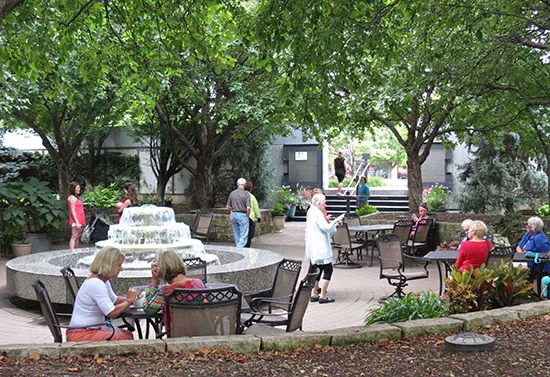
Visiting the Better Homes & Gardens Test Garden®
The BHG Test Garden is a beautiful green space that has something to see in all seasons.
Silencing the Siding Peckers: A Gardener's Guide
Silencing the Siding Peckers: A Gardener's Guide
The Allure of Annuals China Aster in Your Garden
The Allure of Annuals China Aster in Your Garden
The Secret of Endless Blooms: Long - Blooming Perennials
The Secret of Endless Blooms: Long - Blooming Perennials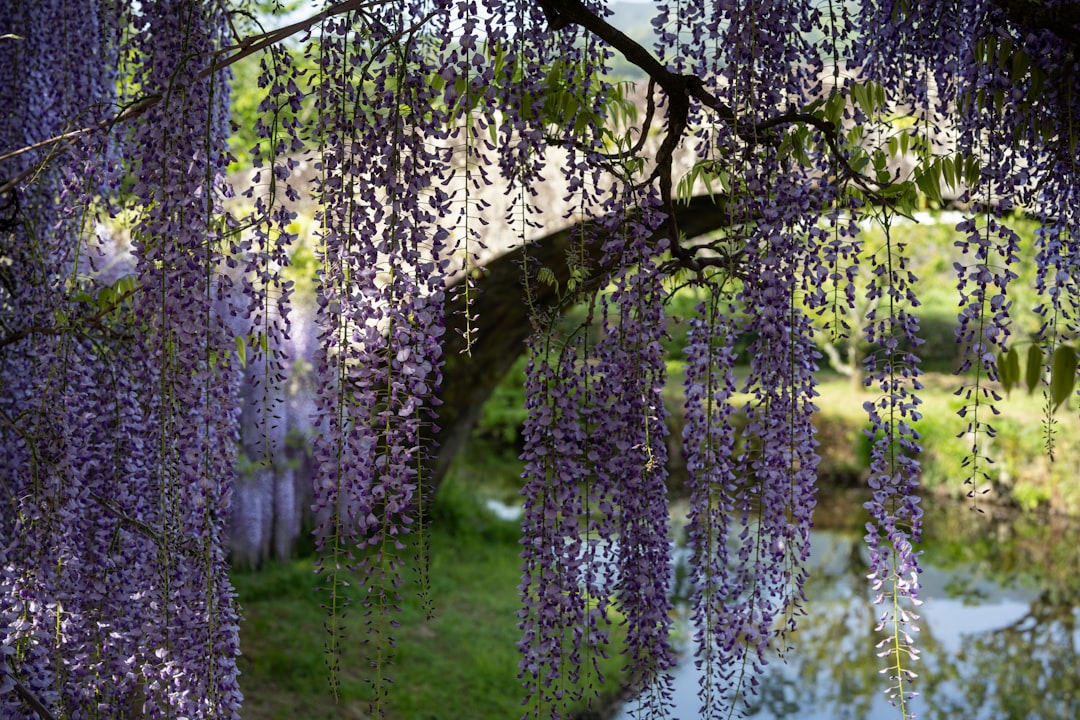
The Hardy Agave: A Cold - Resistant Floral Wonder
The Hardy Agave: A Cold - Resistant Floral Wonder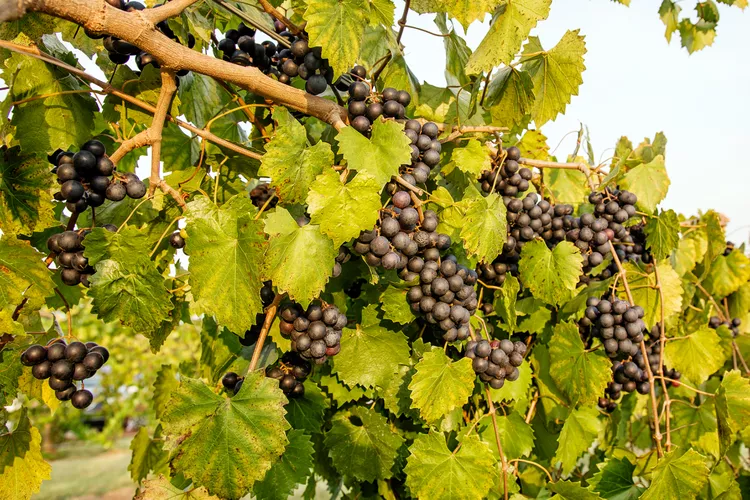
How to Plant and Grow Muscadine Grapes
Learn how to plant and grow muscadine grapes and harvest delicious fruit for fresh eating, preserves, and wine.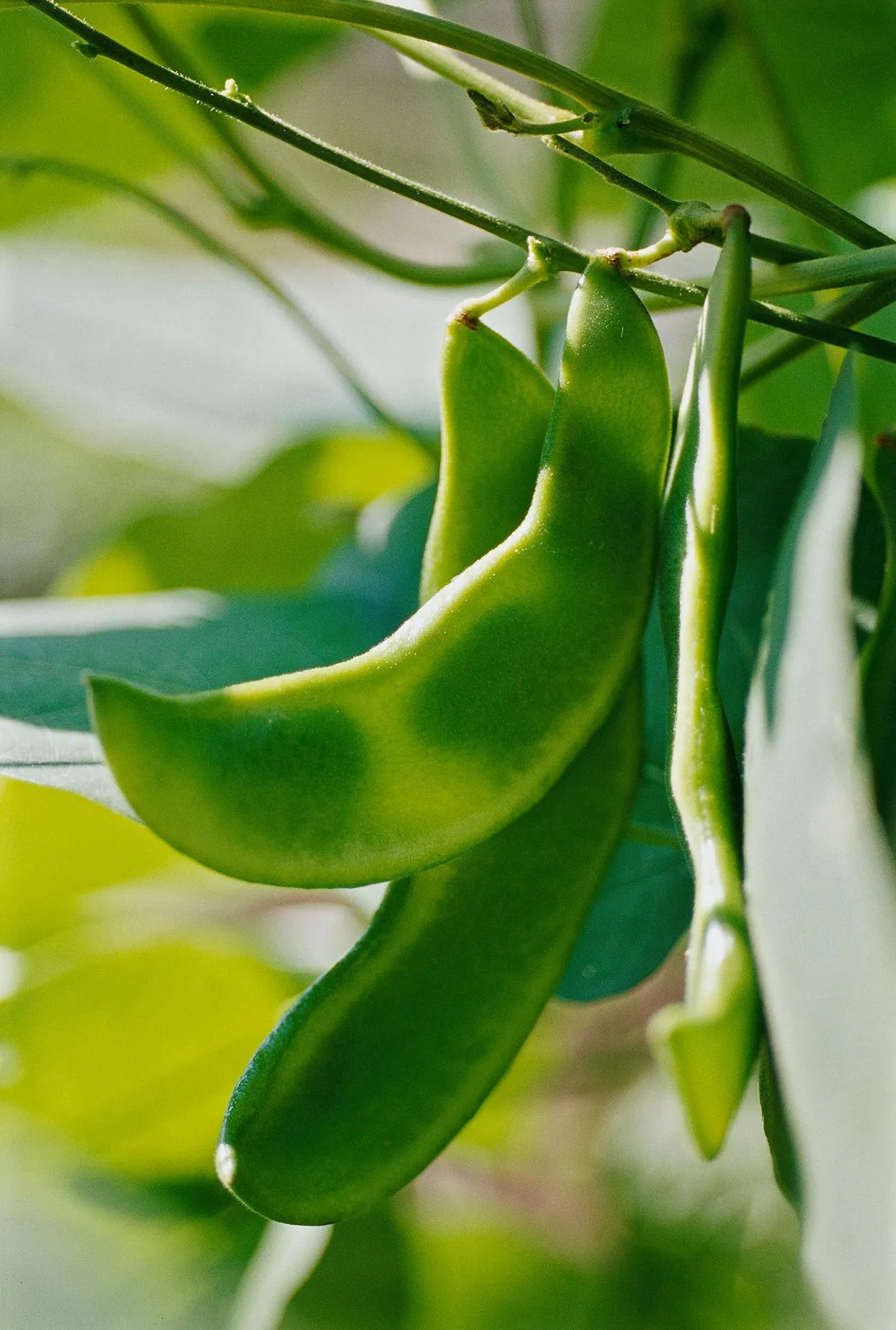
How to Plant and Grow Lima Beans
Find essential tips for growing lima beans, also known as butter beans, to pick them fresh or dry them for later use.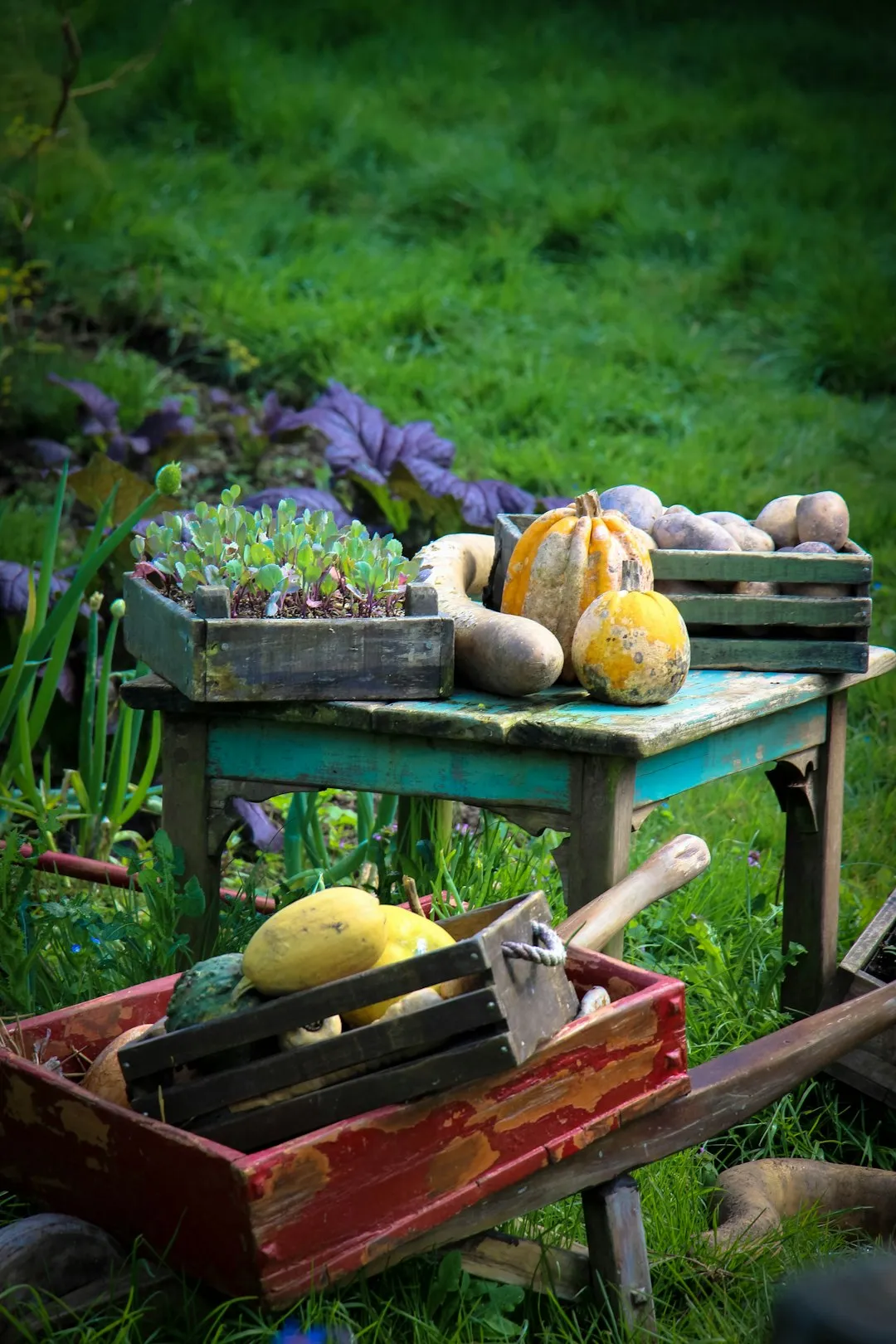
Unveiling the Wonders of Gourds in Your Edible Garden
Unveiling the Wonders of Gourds in Your Edible Garden
9 Tips for Companion Planting Vegetables to Boost Harvests
Companion planting is a natural and organic gardening technique that helps repel pests and grow healthier plants. Use these smart tips to start companion planting in your vegetable garden.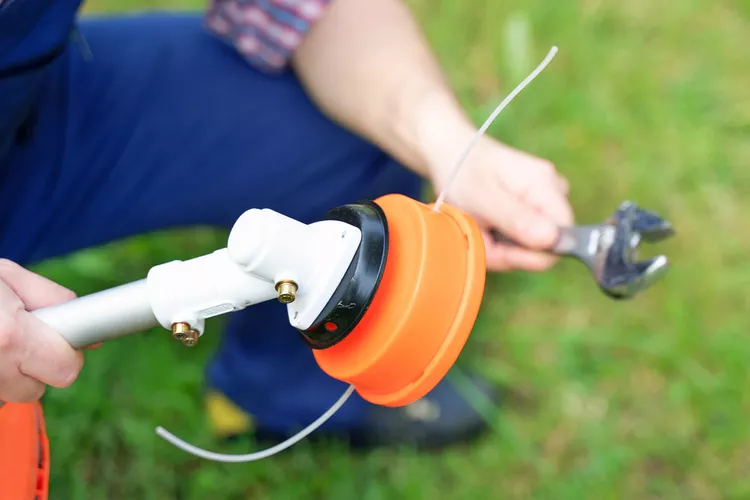
How to Restring a Weed Whacker in 4 Simple Steps
Use this step-by-step guide to properly replace the line on your weed trimmer.
Secrets to a Thriving Yard Garden
Secrets to a Thriving Yard Garden
The Secret to Gorgeous Hydrangea Blooms Next Season
The Secret to Gorgeous Hydrangea Blooms Next Season
Unleash the Beauty of Your Lawn: A Guide to Perfect Mowing
Unleash the Beauty of Your Lawn: A Guide to Perfect Mowing
Guide to Soils and Potting Mixes
We know the secret to a good potters soil. We'll show you how to tell if you need to amend your soil and what plants need to thrive in your current soil conditions.
How to Use Fertilizer for Plants According to Experts
Get expert tips on fertilizing plants, including the best formulation for both houseplants and garden plants, as well as how frequently you should feed them.
How to Make a DIY Indoor Compost Bin
Make your own DIY indoor compost bin. With our tips, you'll learn how to compost and reduce your kitchen waste to help the planet.
Unveiling the Secrets of a Thriving Lawn
Unveiling the Secrets of a Thriving Lawn
15 Super Plants for Texas Landscapes
These plants are superstars in Texas gardens and landscapes. Experts recommend them for their ability to thrive in south-central climates.
Your Seasonal Lawn-Care Schedule for the Northeast
Take the guesswork out of yard work. This lawn-care calendar lets you know when to mow, aerate, fertilize, and seed your yard in the Northeast.
How to Make Compost Tea That Will Give Your Plants a Natural Boost
Learn how to make compost tea with this simple guide and recipes. Plus get tips for using compost tea to give all your plants a boost.