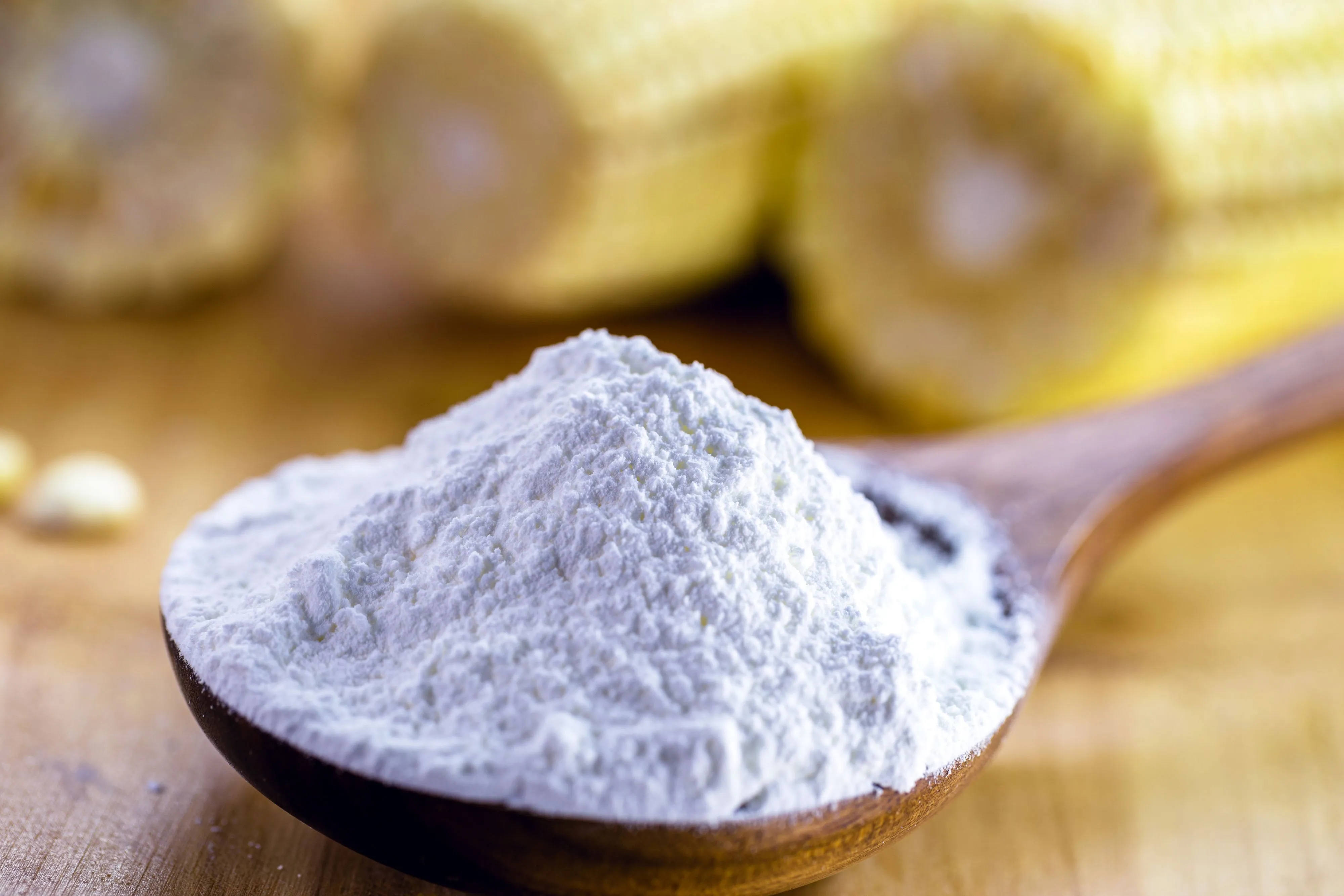
Cornstarch as a natural garden remedy seems to make the rounds on TikTok, YouTube, and Instagram every once in a while. You’ll see it touted as an ant repellent, a water-retention booster, a natural fungicide, even a way to make your sprays stick better to leaves. There’s just one problem: almost none of these claims are backed by science.
Find out what an expert has to say about using cornstarch on your plants, and what actually works better.
Dr. Tom Warren is a horticulture instructor at Snead State Community College in Alabama and creator of The Plant Doctor YouTube channel.
“I couldn’t find peer-reviewed literature that supports most of the claims being made about cornstarch in the garden,” says Tom Warren, PhD, horticulture instructor at Snead State Community College, in response to a reporter’s query.
But what about all those influencers and gardeners who say cornstarch is a genius garden hack? “They’re citing anecdotal experience, not tested fact,” Warren says. “We just don’t have the data to say imperatively ‘Yes, this works, and here’s how it works, and here’s how effective it is.”
He draws a sharp line between TikTok-style “I tried it, and it worked” videos and real science. Anecdotes may suggest a hypothesis, Warren says, “but until you have controlled, replicated data, using cornstarch in the garden is not a recommendation I’m willing to stand behind.”
Here’s a breakdown of the biggest claims about cornstarch—and some science-backed methods to try instead.
You’ll see advice to sprinkle cornstarch around beds or pots to disrupt ant pheromone trails and keep them off your plants.
What the science says: “The idea is purely anecdotal at this point—people report it seemed to help, but without controlled trials, it’s just a story, not evidence,” Warren says. There’s no reputable research showing that dry cornstarch reliably disrupts ant pheromone trails in real-world garden conditions.
“If you spray ants with a sticky cornstarch-and-water slurry, you might physically gum them up,” Warren adds. “But that’s not chemistry—it’s just glue.” Also, ants are a beneficial insect and may not even be harming your plants.
Better options: Use boric acid baits or other proven ant baits labeled for home use. For spot control, soapy water sprays work better than a dusting of cornstarch and don’t leave a gummy film.
Some sources recommend adding dry cornstarch to containers so the soil holds water longer. Cornstarch absorbs water and forms a paste, so in theory it could help containers dry out more slowly.
What the science says: There are nopublished plant science studies showing positive, measured effects of cornstarch in potting mixes, Warren says. He sees many downsides to putting cornstarch in soil, because once wet, cornstarch turns into a thick, gluey mass that can impede root penetration and fill air spaces in the soil that plant roots need for oxygen. Cornstarch could also break down and affect soil microbes in unpredictable ways.
“Could cornstarch hold water? Probably,” Warren says. “But what happens when it turns to paste in your pot? What happens when roots hit that? There are better, well-tested options already in every bag of quality potting mix.”
Better options: To boost water retention in containers, use:
If your goal is more even moisture in your plants, you don’t need pantry hacks—you need a good potting mix and mulch.
DIY fungicide recipes combining cornstarch, baking soda, dish soap, and water are often touted as a cure for powdery mildew.
What the science says: Warren is blunt. “I can’t find any science that backs those recipes up.” He says there’s no solid peer-reviewed evidence that cornstarch, alone or in simple homebrew mixes, effectively controls powdery mildew on ornamental or edible plants. At best, you might see a mild, temporary effect from other components like baking soda or soap, not the cornstarch itself, he says.
Dusting leaves with powder—even “natural” powder—raises another issue, Warren says. You’re coating the leaf surface, which can hinder photosynthesis and interfere with gas exchange if coverage is heavy.
Better options: For powdery mildew and similar foliar diseases, reach for science-backed methods. Organic fungicides can be copper-based or sulfur-based. There are also biological fungicides (e.g., Bacillus-based products) labeled for powdery mildew. Conventional fungicides like chlorothalonil (Daconil) and others are labeled for specific crops and diseases.
All fungicides should be used cautiously and according to the label instructions. The key, Warren says, is to read the label, match the product to the disease, and apply preventively or at first sign of infection.
This one sounds plausible: add cornstarch to neem oil, insecticidal soaps, or DIY weed sprays to thicken them so they don’t run off. In theory, a thickener can help a spray stick to leaves longer and spread more evenly.
Reality check: Cornstarch is a poor practical choice, Warren says, because it clumps and settles in the bottom of the spray bottle. It can also clog sprayer nozzles and tubing, and once dried, cornstarch leaves residue that may interfere with leaf function. “I think it would work as a surfactant in the sense that it helps things stick,” Warren says. “But do you really want to run something that pasty through your sprayer when a drop of soap will do the job and not clog anything?”
Better options: For adhesion and spread, use true surfactants like a labeled non-ionic surfactant (sold alongside garden chemicals) or a small amount of mild liquid soap, like castile soap, when appropriate. These are designed to lower surface tension, so sprays spread over leaves, and to mix and flow without turning your sprayer into a glue gun.
Another cornstarch claim you’ll see online is making a slurry to suspend tiny seeds and improve germination and spacing.
Reality check: Cornstarch slurry can work as a seed-spacing tool, Warren says, but it’s unnecessarily complex for most home gardeners. It’s also not a growth stimulant, he says.
Better options: There are easier ways to handle fine seed. Use seed tapes (store-bought or homemade with tissue), mix seed with dry sand and sprinkle it along the row, or buy pelleted seed. All are simpler than making a cornstarch slurry, and none risk turning your seedbed into a sticky crust. And simply watering the seeds properly is a growth stimulant.
From a scientific and practical standpoint, the answer is no. There is little to no peer-reviewed support for most garden uses for cornstarch currently being promoted. Where there might be a nugget of truth (water-holding, adhesion, seed spacing), there are simpler, proven, and less messy alternatives.
“I’m not saying that no one has ever had a good anecdotal experience with cornstarch,” Warren says. “But we just don’t have the data to say, ‘Yes, this works, here’s how, and here’s how effective it is.’ Meanwhile, we already have products and practices that do these jobs reliably, and that’s what I recommend doing.”

Visiting the Better Homes & Gardens Test Garden®
The BHG Test Garden is a beautiful green space that has something to see in all seasons.
Silencing the Siding Peckers: A Gardener's Guide
Silencing the Siding Peckers: A Gardener's Guide
The Allure of Annuals China Aster in Your Garden
The Allure of Annuals China Aster in Your Garden
The Secret of Endless Blooms: Long - Blooming Perennials
The Secret of Endless Blooms: Long - Blooming Perennials
The Hardy Agave: A Cold - Resistant Floral Wonder
The Hardy Agave: A Cold - Resistant Floral Wonder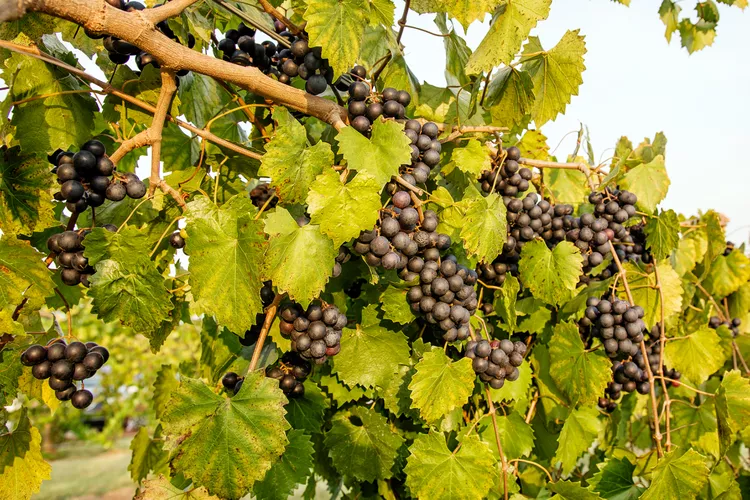
How to Plant and Grow Muscadine Grapes
Learn how to plant and grow muscadine grapes and harvest delicious fruit for fresh eating, preserves, and wine.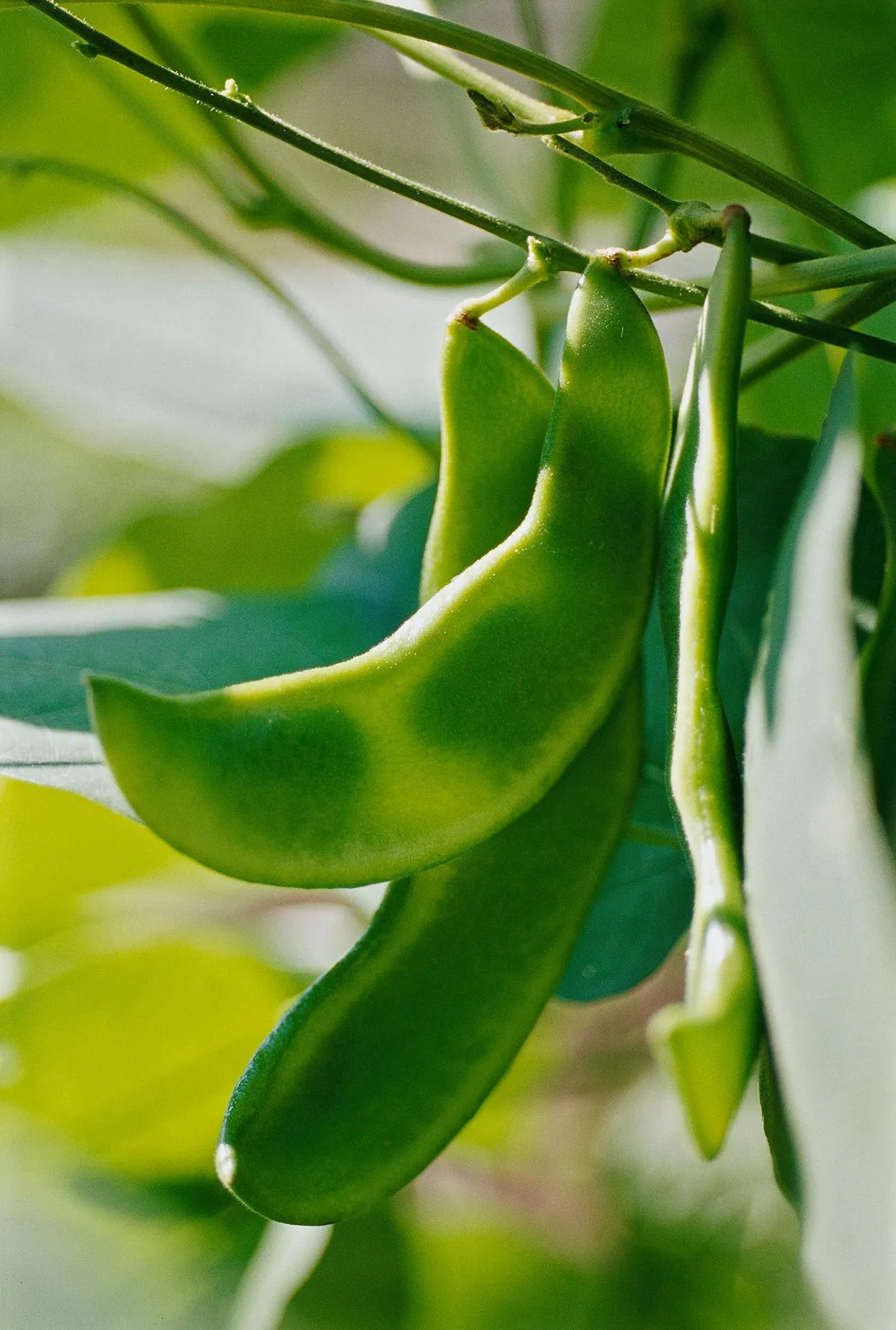
How to Plant and Grow Lima Beans
Find essential tips for growing lima beans, also known as butter beans, to pick them fresh or dry them for later use.
Unveiling the Wonders of Gourds in Your Edible Garden
Unveiling the Wonders of Gourds in Your Edible Garden
9 Tips for Companion Planting Vegetables to Boost Harvests
Companion planting is a natural and organic gardening technique that helps repel pests and grow healthier plants. Use these smart tips to start companion planting in your vegetable garden.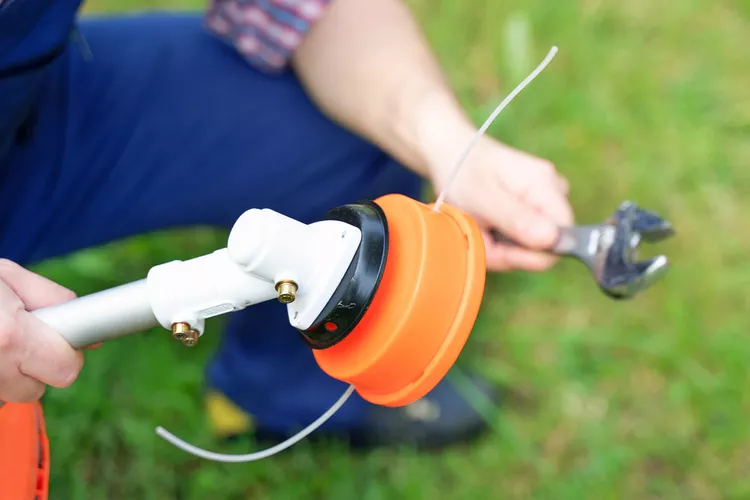
How to Restring a Weed Whacker in 4 Simple Steps
Use this step-by-step guide to properly replace the line on your weed trimmer.
Secrets to a Thriving Yard Garden
Secrets to a Thriving Yard Garden
The Secret to Gorgeous Hydrangea Blooms Next Season
The Secret to Gorgeous Hydrangea Blooms Next Season
Unleash the Beauty of Your Lawn: A Guide to Perfect Mowing
Unleash the Beauty of Your Lawn: A Guide to Perfect Mowing
Guide to Soils and Potting Mixes
We know the secret to a good potters soil. We'll show you how to tell if you need to amend your soil and what plants need to thrive in your current soil conditions.
How to Use Fertilizer for Plants According to Experts
Get expert tips on fertilizing plants, including the best formulation for both houseplants and garden plants, as well as how frequently you should feed them.
How to Make a DIY Indoor Compost Bin
Make your own DIY indoor compost bin. With our tips, you'll learn how to compost and reduce your kitchen waste to help the planet.
Unveiling the Secrets of a Thriving Lawn
Unveiling the Secrets of a Thriving Lawn
15 Super Plants for Texas Landscapes
These plants are superstars in Texas gardens and landscapes. Experts recommend them for their ability to thrive in south-central climates.
Your Seasonal Lawn-Care Schedule for the Northeast
Take the guesswork out of yard work. This lawn-care calendar lets you know when to mow, aerate, fertilize, and seed your yard in the Northeast.
How to Make Compost Tea That Will Give Your Plants a Natural Boost
Learn how to make compost tea with this simple guide and recipes. Plus get tips for using compost tea to give all your plants a boost.