
When it comes to creating a beautiful and healthy yard, sod is a popular choice for many homeowners. Unlike seeding, which can take weeks or even months to establish, sod provides an instant lawn that is ready to be enjoyed right away. However, to ensure the success of your new sod, it's important to plant and care for it properly. In this article, we'll discuss the best time to plant sod, the steps for planting and maintaining newly installed sod, and some tips for keeping your lawn looking its best.
The Best Time to Plant Sod
Sod is best planted in cooler temperatures, either in the spring or early autumn. During these seasons, the soil is still warm enough to encourage root growth, but the air temperature is not too hot, which can cause the sod to dry out and die. In the spring, aim to plant sod as soon as the soil can be worked, typically around mid-April to early May. In the fall, the ideal time to plant sod is from mid-September to mid-October.
Preparing Your Soil
Before you lay your sod, it's important to prepare the soil properly. Start by removing any existing grass, weeds, or debris from the area where you plan to install the sod. Use a tiller or a garden fork to loosen the soil to a depth of at least 6 inches. This will help the roots of the sod to penetrate the soil and establish a strong foundation. Next, add a layer of compost or topsoil to the area to improve the soil's fertility and drainage. Spread the compost or topsoil evenly over the area and use a rake to level it out.
Measuring and Ordering Your Sod
Once your soil is prepared, it's time to measure the area where you plan to install the sod. Use a tape measure to determine the length and width of the area, and then multiply these two numbers to get the total square footage. When ordering your sod, it's a good idea to order a little extra to account for any waste or irregularities in the shape of your yard. Most sod suppliers sell sod by the square foot, so make sure to order enough to cover the entire area.
Installing Your Sod
When your sod arrives, it's important to install it as soon as possible to prevent it from drying out. Start by laying the first row of sod along a straight edge, such as a sidewalk or a driveway. Make sure the edges of the sod are tight together, but not overlapping. Use a sharp knife or a sod cutter to trim the sod to fit around any obstacles, such as trees or flower beds. Continue laying the sod in rows, staggering the joints between the rows to create a more natural look. Once you have laid all of the sod, use a lawn roller to press the sod firmly into the soil. This will help the roots of the sod to make contact with the soil and establish a strong bond.
Watering Your Newly Installed Sod
After you have installed your sod, it's important to water it thoroughly to help it establish roots. Water the sod immediately after installation, and then continue to water it regularly for the first few weeks. During the first week, water the sod at least twice a day, for about 15-20 minutes each time. This will help to keep the soil moist and prevent the sod from drying out. After the first week, you can reduce the frequency of watering to once a day, but make sure to water the sod deeply to encourage the roots to grow deeper into the soil.
Fertilizing Your Newly Installed Sod
Once your sod has established roots, it's time to fertilize it to help it grow and stay healthy. Wait at least two weeks after installation before applying fertilizer to your sod. Use a slow-release fertilizer that is specifically formulated for new sod. Follow the instructions on the fertilizer package carefully, and make sure to apply the fertilizer evenly over the entire area of your lawn. Water the lawn immediately after applying the fertilizer to help it soak into the soil.
Mowing Your Newly Installed Sod
It's important to wait until your sod has established roots before mowing it for the first time. This usually takes about two to three weeks, depending on the weather and the type of sod you have installed. When mowing your newly installed sod, make sure to set your mower blade to the highest setting. This will help to prevent the mower from cutting the sod too short, which can damage the roots and cause the sod to die. As your sod grows, you can gradually lower the mower blade to the desired height.
Maintaining Your Lawn
Once your sod has established roots and is growing well, it's important to maintain it properly to keep it looking its best. This includes watering your lawn regularly, fertilizing it as needed, mowing it at the proper height, and removing any weeds or debris from the lawn. It's also a good idea to aerate your lawn once a year to help improve the soil's drainage and allow the roots of the grass to grow deeper into the soil.
In conclusion, planting and caring for newly installed sod is a relatively simple process, but it does require some time and effort. By following these steps and tips, you can ensure the success of your new sod and enjoy a beautiful and healthy lawn for years to come.

Visiting the Better Homes & Gardens Test Garden®
The BHG Test Garden is a beautiful green space that has something to see in all seasons.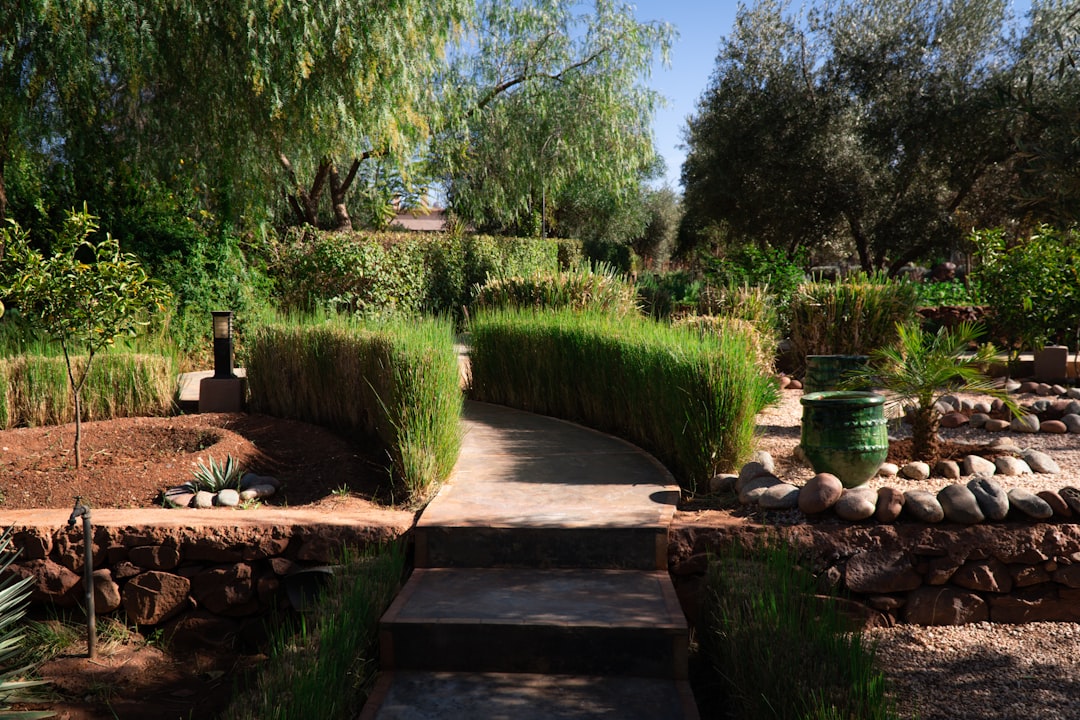
Silencing the Siding Peckers: A Gardener's Guide
Silencing the Siding Peckers: A Gardener's Guide
The Allure of Annuals China Aster in Your Garden
The Allure of Annuals China Aster in Your Garden
The Secret of Endless Blooms: Long - Blooming Perennials
The Secret of Endless Blooms: Long - Blooming Perennials
The Hardy Agave: A Cold - Resistant Floral Wonder
The Hardy Agave: A Cold - Resistant Floral Wonder
How to Plant and Grow Muscadine Grapes
Learn how to plant and grow muscadine grapes and harvest delicious fruit for fresh eating, preserves, and wine.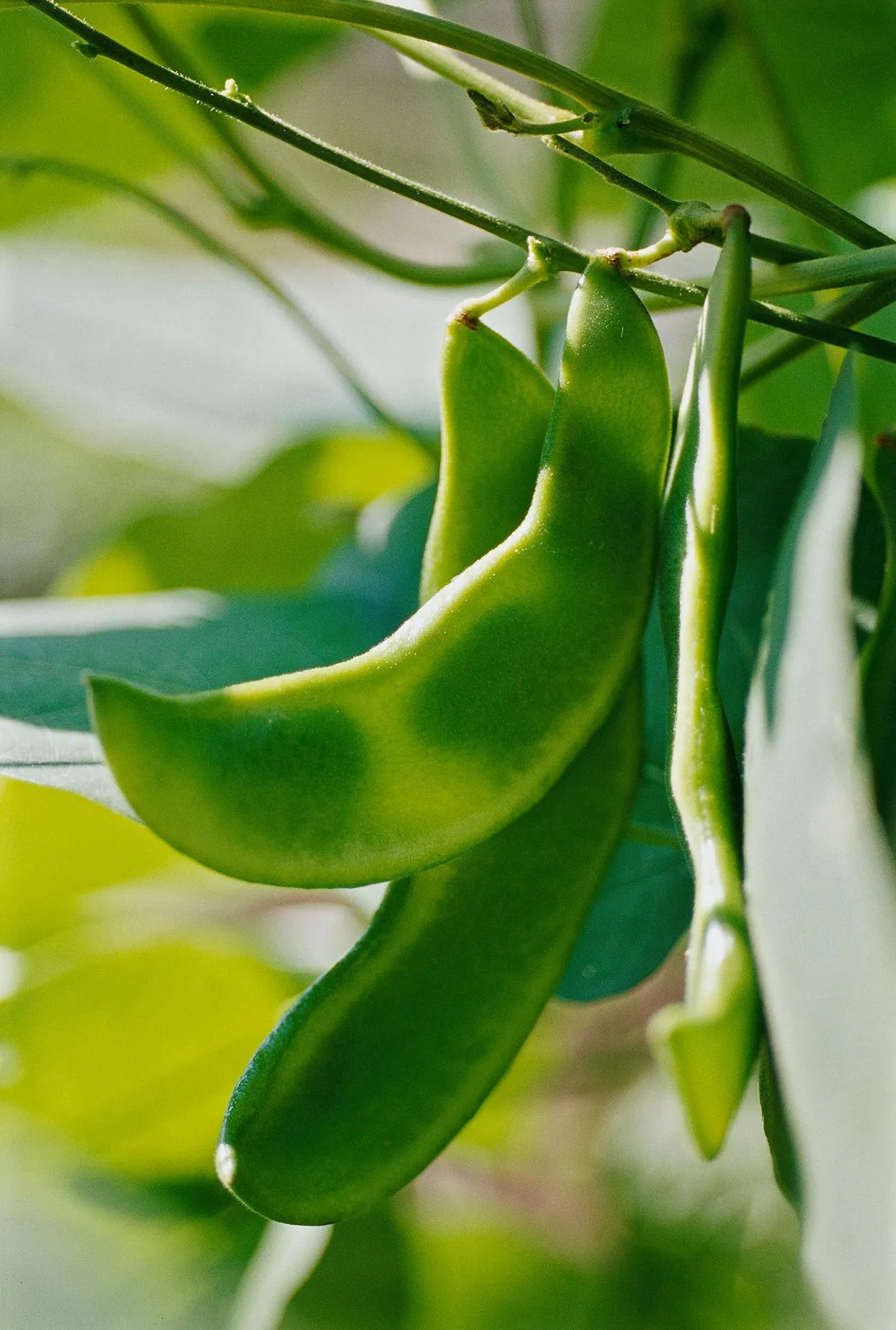
How to Plant and Grow Lima Beans
Find essential tips for growing lima beans, also known as butter beans, to pick them fresh or dry them for later use.
Unveiling the Wonders of Gourds in Your Edible Garden
Unveiling the Wonders of Gourds in Your Edible Garden
9 Tips for Companion Planting Vegetables to Boost Harvests
Companion planting is a natural and organic gardening technique that helps repel pests and grow healthier plants. Use these smart tips to start companion planting in your vegetable garden.
How to Restring a Weed Whacker in 4 Simple Steps
Use this step-by-step guide to properly replace the line on your weed trimmer.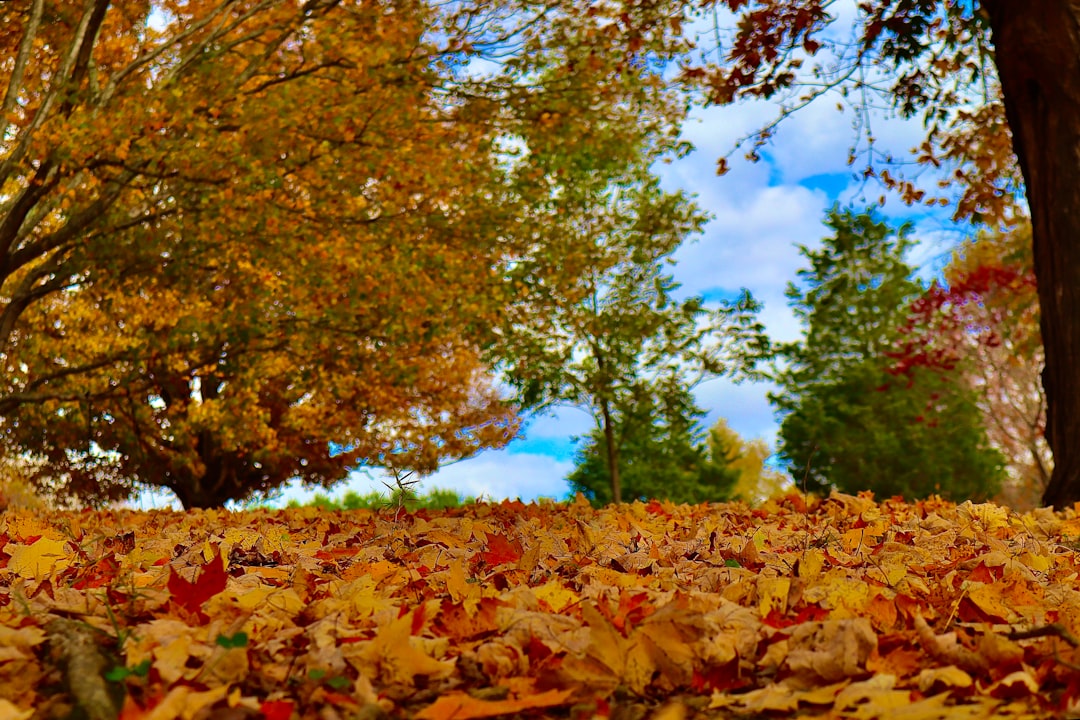
Secrets to a Thriving Yard Garden
Secrets to a Thriving Yard Garden
The Secret to Gorgeous Hydrangea Blooms Next Season
The Secret to Gorgeous Hydrangea Blooms Next Season
Unleash the Beauty of Your Lawn: A Guide to Perfect Mowing
Unleash the Beauty of Your Lawn: A Guide to Perfect Mowing
Guide to Soils and Potting Mixes
We know the secret to a good potters soil. We'll show you how to tell if you need to amend your soil and what plants need to thrive in your current soil conditions.
How to Use Fertilizer for Plants According to Experts
Get expert tips on fertilizing plants, including the best formulation for both houseplants and garden plants, as well as how frequently you should feed them.
How to Make a DIY Indoor Compost Bin
Make your own DIY indoor compost bin. With our tips, you'll learn how to compost and reduce your kitchen waste to help the planet.
Unveiling the Secrets of a Thriving Lawn
Unveiling the Secrets of a Thriving Lawn
15 Super Plants for Texas Landscapes
These plants are superstars in Texas gardens and landscapes. Experts recommend them for their ability to thrive in south-central climates.
Your Seasonal Lawn-Care Schedule for the Northeast
Take the guesswork out of yard work. This lawn-care calendar lets you know when to mow, aerate, fertilize, and seed your yard in the Northeast.
How to Make Compost Tea That Will Give Your Plants a Natural Boost
Learn how to make compost tea with this simple guide and recipes. Plus get tips for using compost tea to give all your plants a boost.