
Composting is the ultimate recycling activity. It reduces the garbage that goes into our landfills, transforming it into one of the best soil boosters you can add to your garden. Mix air, water, kitchen scraps, and yard trimmings for soil composting, then wait.
But the devil, as they say, is in the details. Although making compost isn't rocket science, there is a little science involved. A few missteps in the process can lead to some serious frustration. Here are tips to avoid the following common composting mistakes.
1. Using Only One Pile or Bin
It's always best to have at least two piles or a double-chamber bin, so while your first batch matures, you can add new waste material to the second bin chamber or pile. You may even want to go for three: one ready to use, one in the process of decomposing, and one to which you're still adding new waste. Sometimes the top of a pile is slower to decompose, so if this happens, you can move the top layer to the working pile and use the compost below in the garden.
2. Incorrect Balance of "Browns" and "Greens"
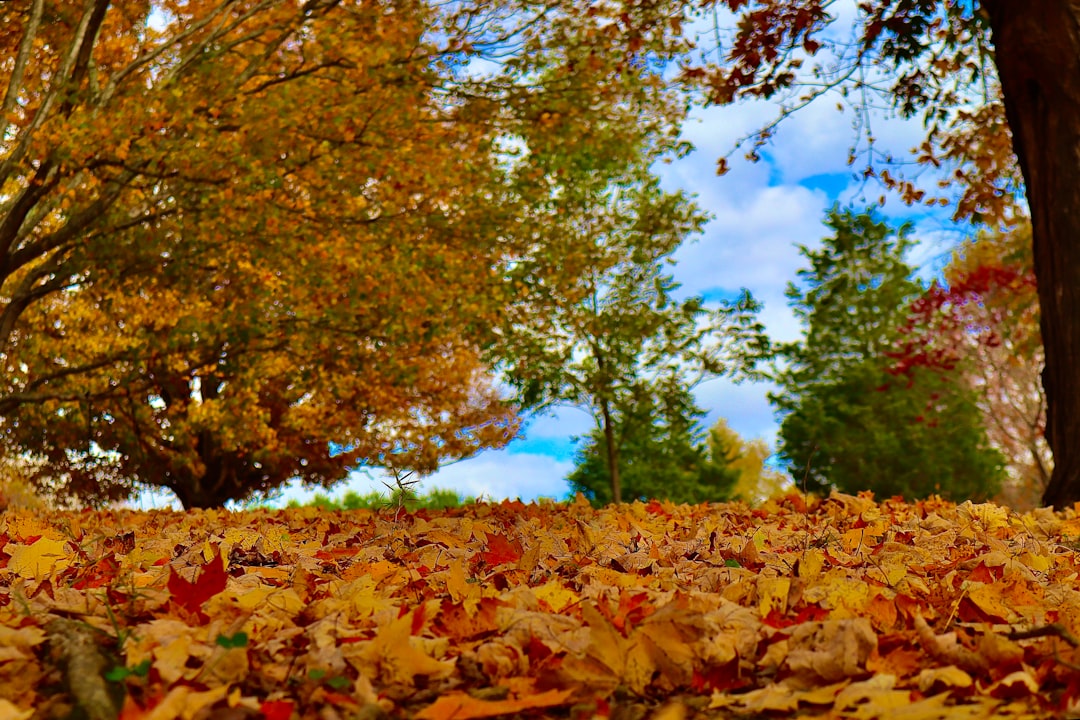
Many beginning composters make a mistake by not getting the right balance of brown and green plant matter. You need high-carbon "browns" such as dry leaves, straw, shredded paper, or sawdust; and high-nitrogen "green" material: fresh garden wastes, untreated grass clippings, and food scraps like fruit and vegetable peels, coffee grounds, or tea bags (minus the staple if there is one).
The rule of thumb is to combine 3 parts brown with 1 part green. Too much green will result in a mushy, smelly mess. And too much brown will slow decomposition. It doesn't have to be exact, but whenever you add a bucket of green kitchen waste, for example, try to add 3 same-size buckets of browns.
3. Composting the Wrong Materials
Never add animal-based food scraps such as meat, seafood, greasy food, or dairy products to your bin or pile. These will smell bad as they decompose and attract pests like roaches and rats. Animal waste and soiled diapers aren't good either because they aren't sanitary and can cause diseases. Also, avoid grass clippings from areas treated with weed killers or sawdust from treated wood. They could add chemicals to the pile that may later harm your garden plants. And it's safest to leave out any diseased plants or large weeds. Although the compost's heat will kill some disease organisms and weed seeds, many often survive.
4. Skipping a Starter
Where do those hardworking microscopic creatures that transform garbage into gold come from? Some are already on the materials you're composting, but it can take a little while for their populations to build up in a new pile enough to get decomposition going. One option to jump-start things is to buy a compost starter. Or, you can simply add a scoop or two of soil from your garden or some compost from a previous batch, both of which are loaded with the microbes you need.
5. Using Too Little or Too Much Water
Some moisture is necessary for decomposition (you'll know things are just right when your pile feels warm and smells earthy). But if the pile gets too wet, there won't be enough oxygen for the microbes to complete their work. It's usually apparent when this happens because your pile will be a smelly, soggy mess. If you have this problem, mix in more dry fallen leaves, straw, or shredded paper. But if your pile seems mostly dry, add water a little at a time and mix it in until the materials are thoroughly damp.
6. Leaving Your Compost Pile Open
If you have a large property where you can locate your compost pile a distance from the house and mostly out of sight, you could get by without a lid or other covering. However, if your home is closer to your neighbors, covers are a good idea for aesthetic reasons. They also may be a municipal requirement in some suburban and urban areas. A covering also will help hold in heat, which is especially important in winter.
Commercial bins usually include a cover. A simple sheet of plywood over the top is enough if you're constructing your own compost bin. A tarp stretched over a makeshift wooden frame for an open pile on the ground will prevent your compost from getting too wet during rainy periods and help discourage critters. It's best to allow several inches of space between the top of the pile and the cover, so there's plenty of available oxygen.
7. Not Aerating
As soil composting progresses, the center of the pile can become oxygen-starved. Stirring up the pile helps get air to all parts. For compost piles that sit on the ground, this can be done with a pitchfork or a compost aerator ($34, Walmart), which is a tool designed specifically for the task. You can also simply poke holes into the pile's interior with a broom handle, piece of rebar, or a long-handled weeding tool.
A compost tumbler (a bin that rotates) is aerated each time you turn it, but don't overfill it, or there won't be room for the compost to move around. While there's no set rule on how often to aerate, once or twice a week is usually enough.
8. Continually Adding to Your Compost Pile
If you keep adding fresh material to a pile or bin, your compost will never be ready to use. Once you mix enough material, don't add any more so what's there can cook. Depending on how hot your pile gets, it usually takes between 3 weeks and 3 months to get finished compost. If you want to speed up the process, shred the material before adding it to the pile and aerate more often. With more surface area, microbes can do their work much faster.
When your pile seems finished, you may find some material that hasn't decomposed (some materials, like eggshells and corn cobs, can take a bit longer). No problem, just sift them out and toss them in with the batch that's still in progress. Finished compost has an earthy smell, is dark and crumbly, and you can no longer identify the wastes you added to it. Now it's ready for your garden!